Lawn and Garden Resources
-

Butterfly populations can be greatly enhanced by devoting a portion of the landscape to butterfly habitat. In addition to their natural beauty, butterflies serve as valuable plant pollinators.
|
-
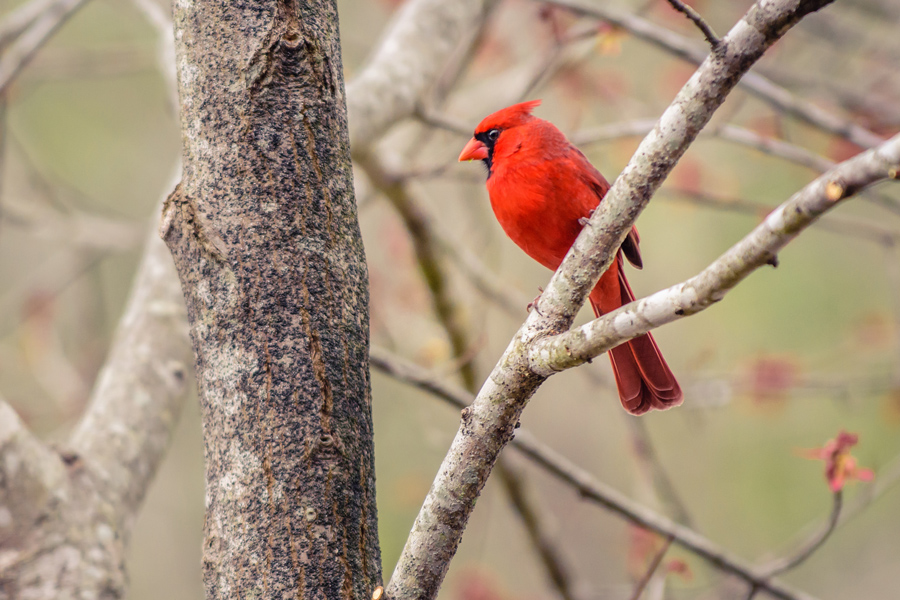
To attract and maintain a bird population, a habitat should provide (1) food, (2) shelter/nesting areas and (3) water. This publication describes several ways to attract birds to your backyard.
|
-

C 984
Mulching Vegetables
Mulch should be easily obtained, inexpensive and simple to apply, although availability and cost vary from region to region. You can usually find mulching materials in your own yard, at garden centers or from tree-service firms. This publication includes a list of mulching materials, with emphasis on their advantages and disadvantages.
|
-
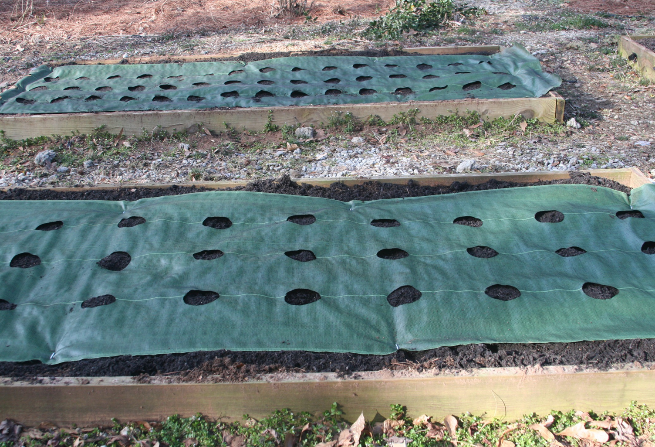
This publication covers the basics of different weed control options including mechanical, chemical, and environmentally friendly practices. The material provides both consumers and small vegetable farm growers options for weed control in their gardens. Weeds compete for space, steal nutrients and water from crops, and can look unsightly in the home garden. In general, weeds are easier to prevent in the garden than to remove once they start growing. Luckily, gardeners have several possible methods to help in their war on weeds.
|
-
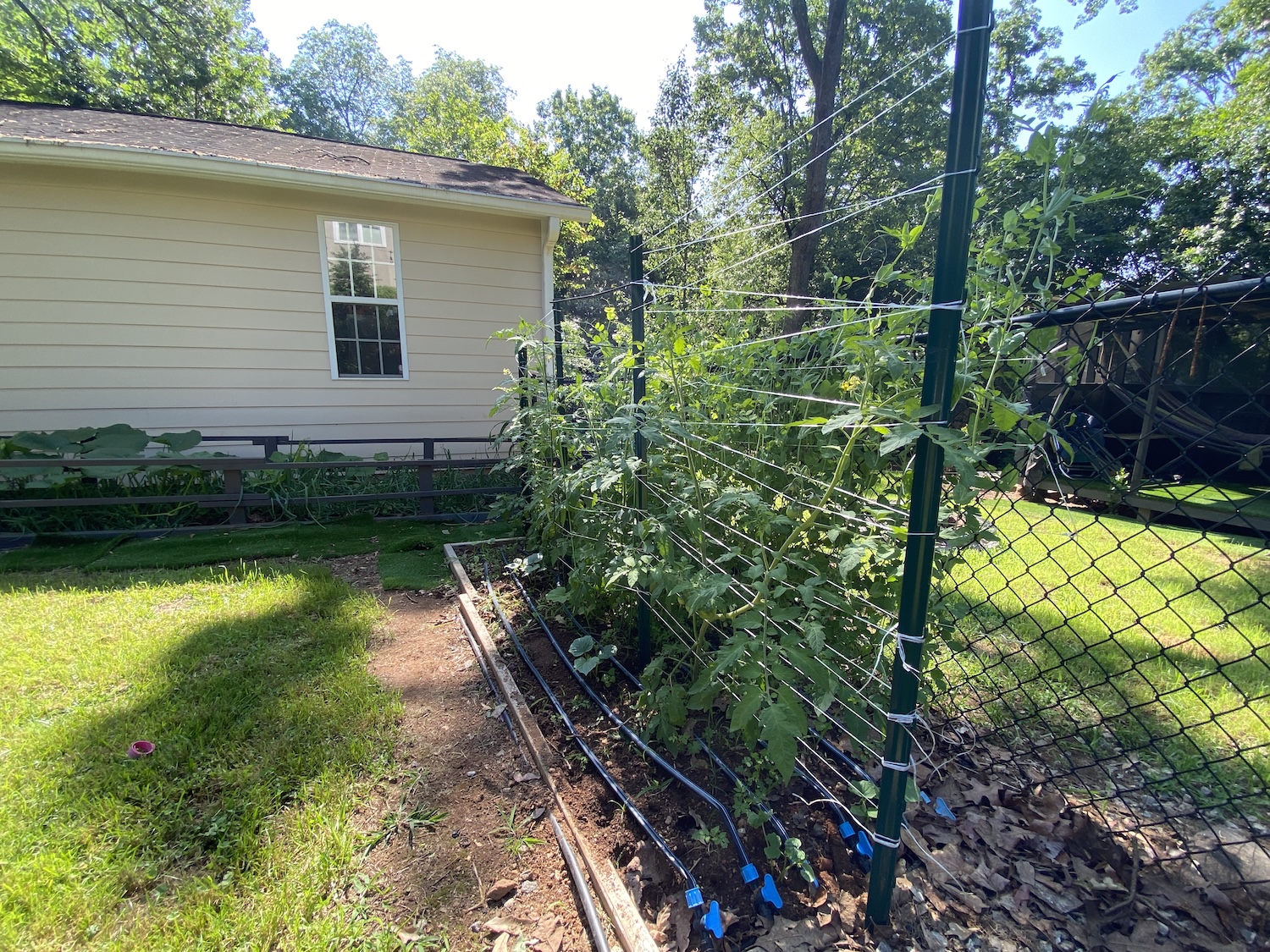
This publication gives both consumers and small vegetable farm growers options for providing support to their tomatoes in the vegetable garden. The circular covers the basics of how to successfully use different systems of staking to support tomatoes, how to prune and manage tomato plants for a healthier crop, and the benefits of pruning.
|
-

Take-all root rot (TARR) has emerged as a destructive disease in central, south and coastal Georgia. TARR affects all warm-season turfgrasses in Georgia, but it is more common and severe in St. Augustinegrass (Stenotaphrum secundatum).
This publication contains important information on the biology of the causal agent, detailed descriptions of the disease symptoms (aided by high-quality, detailed pictures), relevant up-to-date information on conditions favoring the disease, and cultural, genetic and chemical methods of control. This publication is intended for turfgrass professionals, consultants, county faculty, homeowners, and general public.
|
-
El mal del pie es una enfermedad destrcutiva en la region central, sur y costera de Georgia. EL mal del pie afecta todos los cespedes de clima calido en Georgia pero es mas severo en el cesped San Agustin (Stenotaphrum secundatum). La publicacion contiene informacion importante en la biologia del gente causal, descripcion detallada de los sintomas de la enfermedad (con fotografias de alta definicion), informacion relevante y reciente en las condiciones que favorecen la enfermedad, asi como los metodos de control cultural, genetico y quimico. Esta publicacion es dirigida a profesionales, consultores, agentes de extension y publico en general
|
-
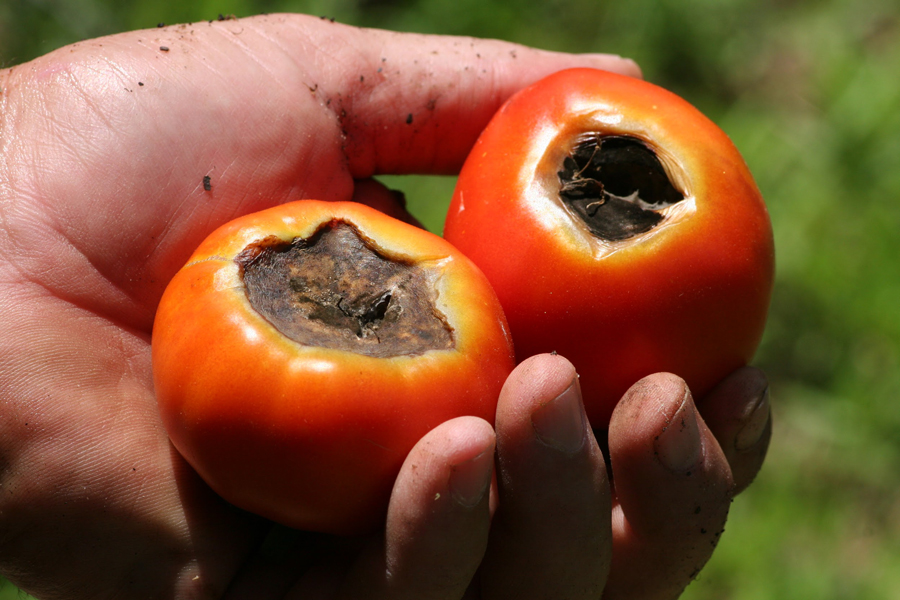
This publication is intended for general use audiences, including homeowners, civic groups, and master gardeners. It covers the basic troubleshooting procedures for solving common problems while growing tomatoes. It includes a description of both cultural and physiological problems and solutions.
|
-

C 1014
Home Garden Sweet Potatoes
Georgia is the perfect place to grow sweet potatoes, a long-season crop that has time to grow and mature because of Georgia’s long, hot summers. This resource provides guidance for growing sweet potatoes in the home garden.
|