UGA College of Agricultural & Environmental Sciences Field Report
  • Stories
    Almanac

    Science in service of humanity and the environment

    Read our annual magazine here

    READ


    Dive into engaging stories that showcase our statewide, national and global impact.

    Check out our written stories here

    LOOK


    Browse curated photo galleries capturing the people, places and programs that bring CAES to life.

    Check out our photo galleries here

    WATCH


    Experience our stories through videos that highlight our people, projects and passions in action.

    Check out our video library here

    LISTEN


    Tune in to “Cultivating Curiosity,” our podcast featuring in-depth conversations with CAES experts.

    Check out our podcast here
  • Expert Resources

    Expert Resources


    From farms and gardens to families and finances, our expert resources empower Georgians with trustworthy, practical science.

    Gardening
    Invasive species
    Food and food safety
    Ants, termites and other pests
    Pollinators
    Livestock
    Emergency preparedness
    Home safety and maintenance
    Health, family and finances
    Nutrition
    Water quality
    Lawn maintenance and landscaping
    Turfgrass
    View all topics

    What is an Expert Resource?


    We publish unbiased, research-backed expert advice to empower Georgians with practical, trustworthy information they can trust.

    These resources are written and reviewed by experts in the UGA College of Agricultural and Environmental Sciences and the UGA College of Family and Consumer Sciences.

    Learn how we produce science you can trust
  • Events
  • Contact
  • Read
  • Look
  • Watch
  • Listen
Subscribe
  • LinkedIn
  • Facebook
  • Instagram
  • Stories
    Almanac

    Science in service of humanity and the environment

    Read our annual magazine here

    READ


    Dive into engaging stories that showcase our statewide, national and global impact.

    Check out our written stories here

    LOOK


    Browse curated photo galleries capturing the people, places and programs that bring CAES to life.

    Check out our photo galleries here

    WATCH


    Experience our stories through videos that highlight our people, projects and passions in action.

    Check out our video library here

    LISTEN


    Tune in to “Cultivating Curiosity,” our podcast featuring in-depth conversations with CAES experts.

    Check out our podcast here
  • Expert Resources

    Expert Resources


    From farms and gardens to families and finances, our expert resources empower Georgians with trustworthy, practical science.

    Gardening
    Invasive species
    Food and food safety
    Ants, termites and other pests
    Pollinators
    Livestock
    Emergency preparedness
    Home safety and maintenance
    Health, family and finances
    Nutrition
    Water quality
    Lawn maintenance and landscaping
    Turfgrass
    View all topics

    What is an Expert Resource?


    We publish unbiased, research-backed expert advice to empower Georgians with practical, trustworthy information they can trust.

    These resources are written and reviewed by experts in the UGA College of Agricultural and Environmental Sciences and the UGA College of Family and Consumer Sciences.

    Learn how we produce science you can trust
  • Events
  • Contact
  • Read
  • Look
  • Watch
  • Listen
Subscribe
  • LinkedIn
  • Facebook
  • Instagram
Subscribe
  • LinkedIn
  • Facebook
  • Instagram
  1. Home
  2. Expert Resources
  3. Topics
  4. Lawn and Garden
  5. Perennials

Perennials Resources

Use the Advanced Search
  • C 1288

    Visual Guide to Common Wildflowers of South Georgia

    Wildflowers not only beautify the landscape but also provide food and shelter for myriad insects, birds, and mammals. Georgia is rich in endemic (belonging in a particular area or environment) species which grow in a wide variety of habitats, from coastal dunes and pine sandhills to savannas, meadows, and forests. Although many species are primarily seen in undisturbed natural habitats, others have adapted to human-created landscapes, such as roadsides and farms, and are frequently seen on road banks and edge habitats. This publication is intended as a visual guide to common herbaceous plants encountered mainly in sunny areas in South Georgia. Although by no means inclusive or extensive, the list contains plants that are easy to recognize and valuable for wildlife.

    Bodie V. Pennisi, Jason Schmidt, and Keren Giovengo

    |

    March 8, 2024
  • B 1558

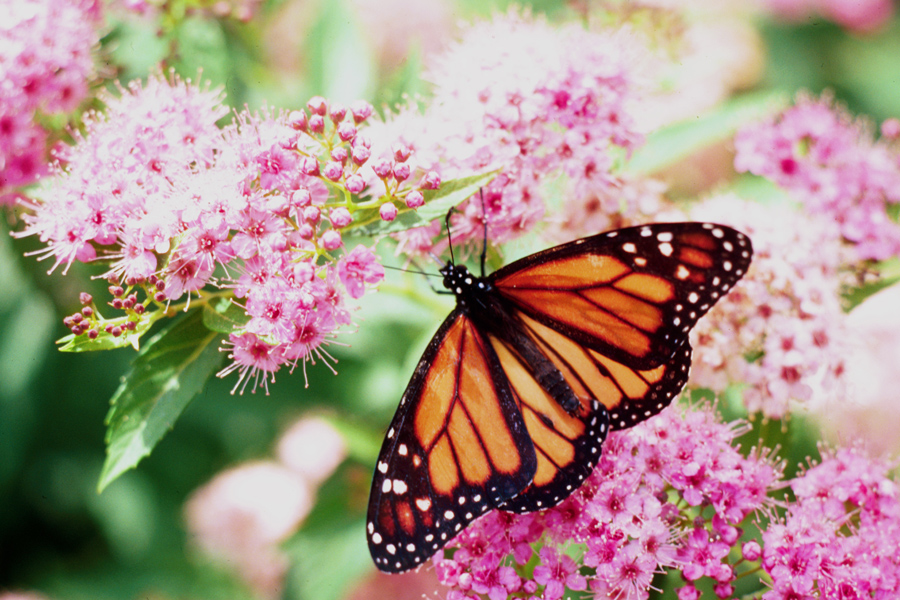
    Small Flowering Gardens Help the Migrating Monarch Butterfly

    Monarch butterflies travel on air currents and cross more than 3000 miles in the winter to reach their overwintering sites in Mexico. The loss of this habitat, combined with diseases, pesticide use, and loss of larval hosts (i.e., milkweed), are causing a decline in Monarch populations. The larvae need milkweed to develop, and the adults need nectar for migration and survival day-to-day, so more nectar sources and milkweed plants are needed to sustain their migration patterns. This resource can help you select flowering plants and milkweeds that can help conserve the migrating monarchs, especially when planted along farm-reserved lands and urban gardens.

    Shimat V. Joseph and William G. Hudson

    |

    Feb. 29, 2024
  • B 944

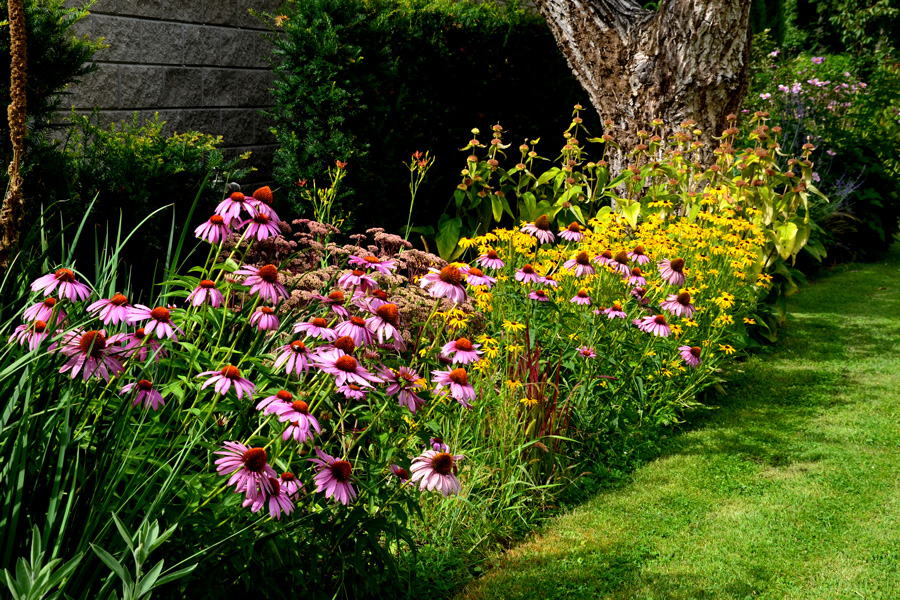
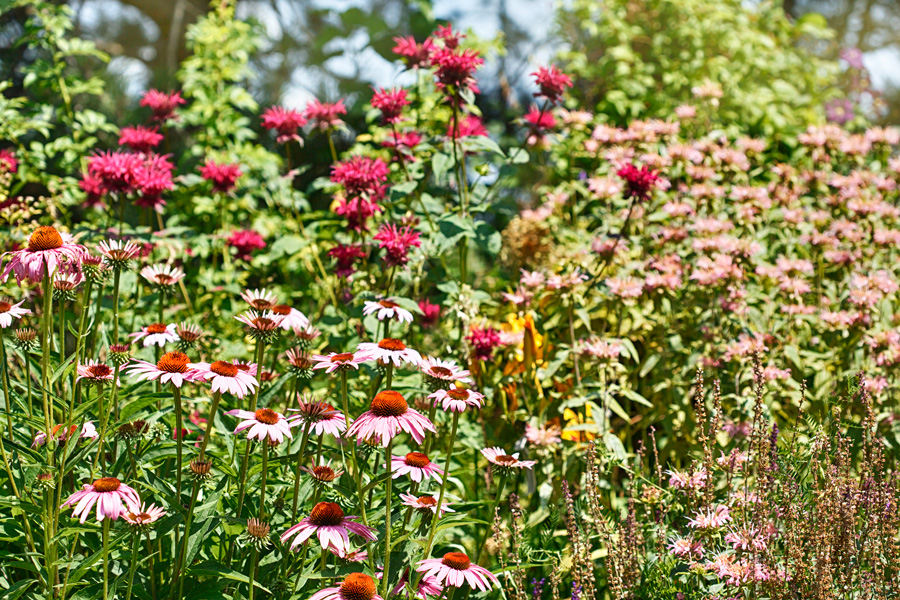
    Flowering Perennials for Georgia Gardens

    This publication is devoted specifically to covering everything you need to know about growing herbaceous perennials, primarily to those that persist from crowns and/or fleshy roots.

    Bodie V. Pennisi

    |

    Nov. 14, 2023
  • Geraniums

    B 790

    Geraniums

    Geraniums are among the most popular flowering plants grown in the United States. They are easy to grow and can be used in many types of gardens, such as ground beds, planter boxes, hanging baskets and pots. They are ideal for flanking entrance-ways and adding color to border plantings. This publication explains everything you need to know about growing geraniums.

    Bodie V. Pennisi

    |

    June 23, 2023
  • Dahlias

    C 576

    Dahlias

    Dahlias are among the most spectacular flowers you can grow in your garden. Hundreds of varieties are available, with flower sizes ranging from 1 to 14 inches in diameter. Almost any color except true blue can be produced in Georgia. In exchange for their beauty, dahlias require dedicated care. Most of them need special soil preparation, staking, watering during dry periods, disbudding and a strict insect control program. This publication contains information about successfully growing dahlias in Georgia.

    Bodie V. Pennisi

    |

    Dec. 16, 2022
  • C 1260

    Azalea Bark Scale

    Azalea bark scale (ABS) poses a serious threat to azaleas, rhododendron, and Pieris (Andromedas) in Georgia. ABS is a soft scale insect; the nymph and female soft scales secrete a protective coating of waxy crust on their body that cannot be separated from the scale insect. ABS also is found on blueberry, hawthorn, huckleberry, poplar, and
    willow. ABS is found in cracks or crevices in the surface of the bark, and also in areas where azalea branches fork. ABS can undergo two generations per year in Georgia.
    Symptoms of ABS infestation include dropping yellow leaves and dying branches. Developing nymphs and females excrete a sugary syruplike liquid called honeydew on to the bark and leaves. As time passes, the surface of the bark, and sometimes the leaves, turns black because it gets infested with a sooty mold fungus that
    feeds on the sugary secretions. The white crusts of scale insects are easily visible when the azalea bark turns completely black. An ABS infestation rarely kills the plant unless it is extremely severe and uncontrolled.

    William G. Hudson and Shimat V. Joseph

    |

    Nov. 4, 2022
  • C 1238

    Ground Covers for Shaded Landscapes in North Georgia

    This circular discusses the most common ground covers, both native and non-native plants, that are suitable for culture in North Georgia landscapes in shaded areas.

    Bodie V. Pennisi and Nathan Eason

    |

    Aug. 4, 2022
  • Growing Hostas

    C 955

    Growing Hostas

    Hostas are quickly becoming one of the most popular perennial plants grown in our landscapes. Sometimes referred to as plantain lilies, hostas are reliable plants for both shade and partial sun situations. This publication includes variety recommendations.

    Bob Westerfield

    |

    July 6, 2022
  • C 1240

    Repotting Basics

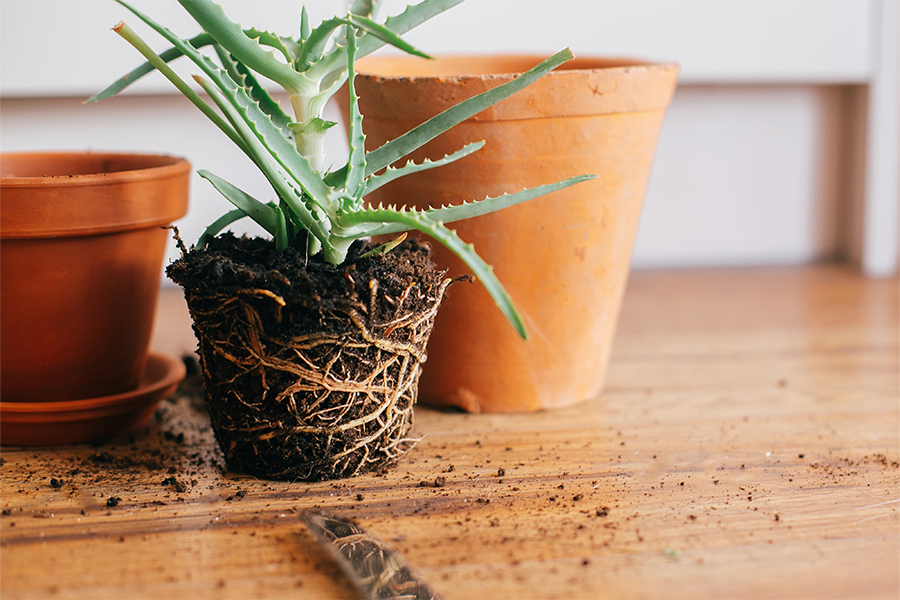
    This publication describes the reasoning behind repotting, as well as container selection, drainage, positioning the plant on an appropriate soil base, examining and attending to root issues, potential root removal and/or redistribution, backfilling, protecting, and watering the plant upon completion of repotting.

    As container plants mature, their biomass increases and the roots grow outward and down to collect more water and nutrients. Most container plants tend to become root-bound and dry out quicker than their in-ground counterparts, and these conditions can cause a variety of issues, and lead to stunted growth and poor plant health. To prevent this from happening, it is important to make sure the root system is well dispersed in a healthy soil volume provided by an adequately sized container.

    Bodie V. Pennisi

    |

    April 14, 2022
Previous Page
1 2 3
Next Page

About CAES

CAES Home

Overview

History

Administration

Jobs

Personnel Directory

Privacy Policy

Accessibility Policy

AI Guidelines

Affiliations

UGA Cooperative Extension

Tifton Campus

Griffin Campus

University of Georgia
  • Schools and Colleges
  • Directory
  • MyUGA
  • Employment Opportunities
  • Copyright and Trademarks
  • UGA Privacy Policy
  • Submit a Student Complaint
#UGA on
© University of Georgia, Athens, GA 30602
706‑542‑3000