Garden soil Resources
-
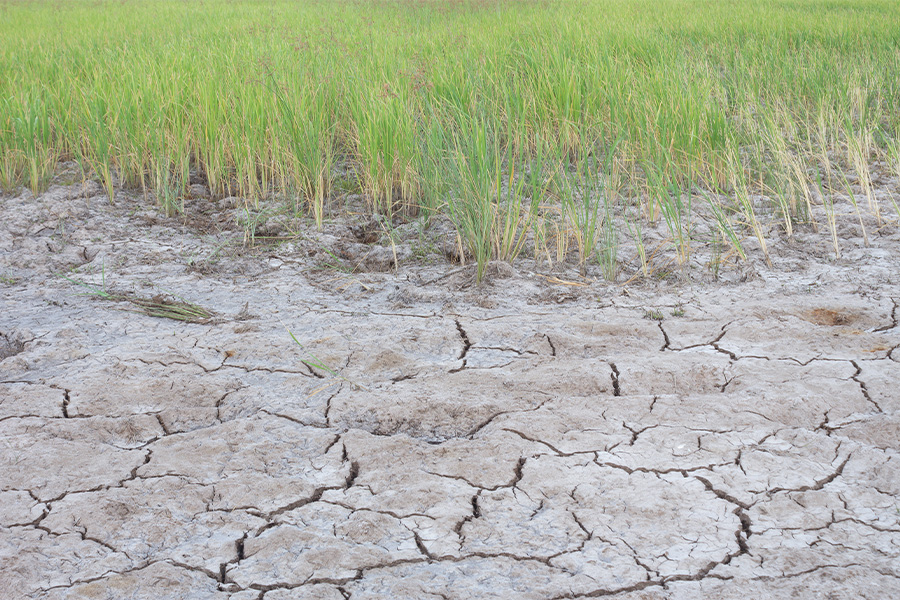
The University of Georgia Agricultural and Environmental Services Laboratories offer soil salinity testing to help farmers and the general public diagnose and manage problems associated with soil salinity. By definition, a saline soil contains excess soluble salts that reduce the growth of most crops or ornamental plants. This publication discusses soil salinity testing, data interpretation and recommendations, specifically those pertaining to the University of Georgia.
|
-
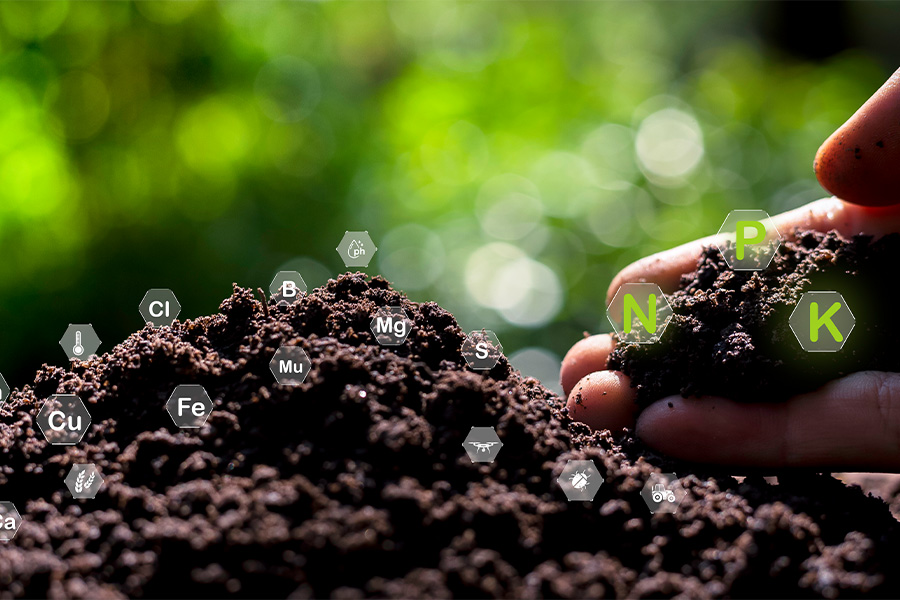
Cation exchange capacity (CEC) is a measure of the total negative charges within the soil that adsorb plant nutrient cations such as calcium (Ca2+), magnesium (Mg2+) and potassium (K+). As such, the CEC is a property of a soil that describes its capacity to supply nutrient cations to the soil solution for plant uptake.
|
-

Successful lawn care requires a basic understanding of soil properties. A healthy plant starts with healthy soil. Soil is a complex relationship of soil minerals, organic matter, soil inhabiting organisms, and plants along with water and air. Understanding when and how to aerate the soil and understanding what pH is and how it affects plant health is essential for turfgrass health. This publication aims to help homeowners and landscape professionals improve soil fertility through the techniques discussed.
|
-
C 990
Soil Inoculants
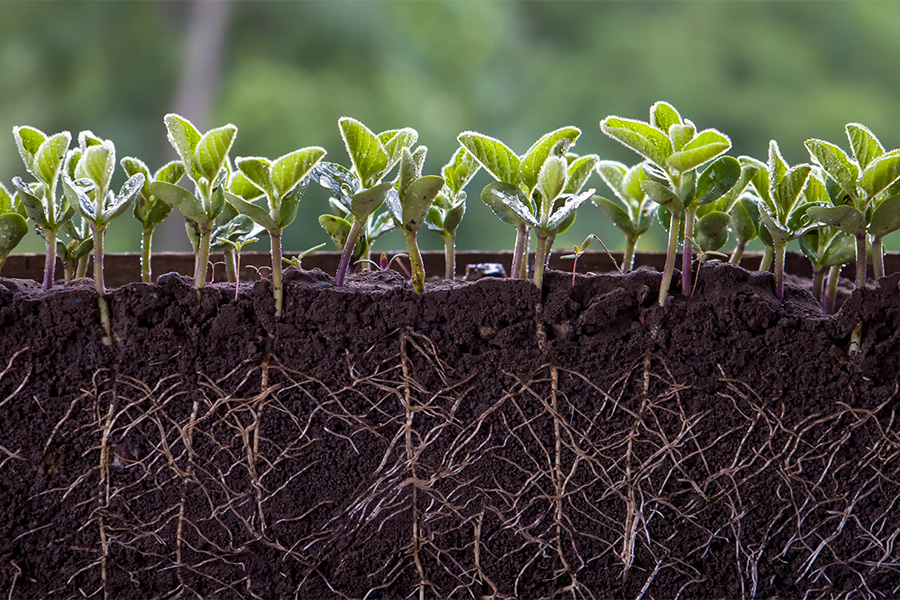
Soil inoculants are used for a variety of reasons. In some cases, we add soil organisms that have a known beneficial effect. A symbiotic relationship is one that is mutually beneficial. In return for the plant feeding the rhizobia carbon from photosynthesis and giving it a home, the bacteria can “fix” atmospheric nitrogen into a form that the plant can use.
|
-
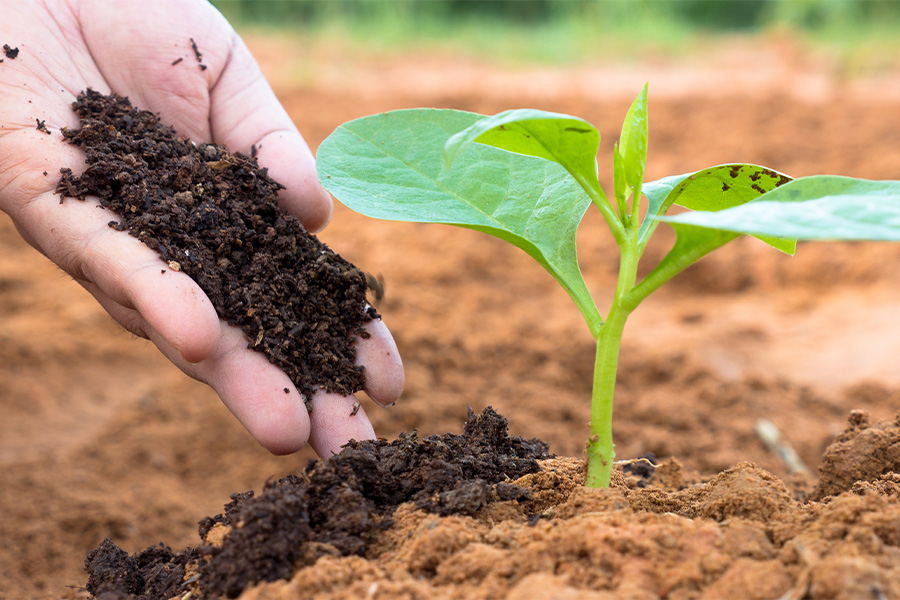
Many farmers and gardeners use natural minerals and organic fertilizers rather than synthetic ones to build their soil. If you use organic materials as all or part of your fertilization program, this publication will help you calculate the proper amount to use from the recommendations provided by a soil test.
|