Takeaways
- Test your well water every year. Many contaminants cannot be detected by taste, smell or appearance.
- Routine maintenance helps protect your water supply. Inspect your well regularly and pay extra attention after flooding or other major weather events.
- Your county Extension agent can help. Agents can guide you to the right tests, provide sampling materials and help troubleshoot well water concerns.
About 1.7 million Georgians rely on private wells for their drinking water.
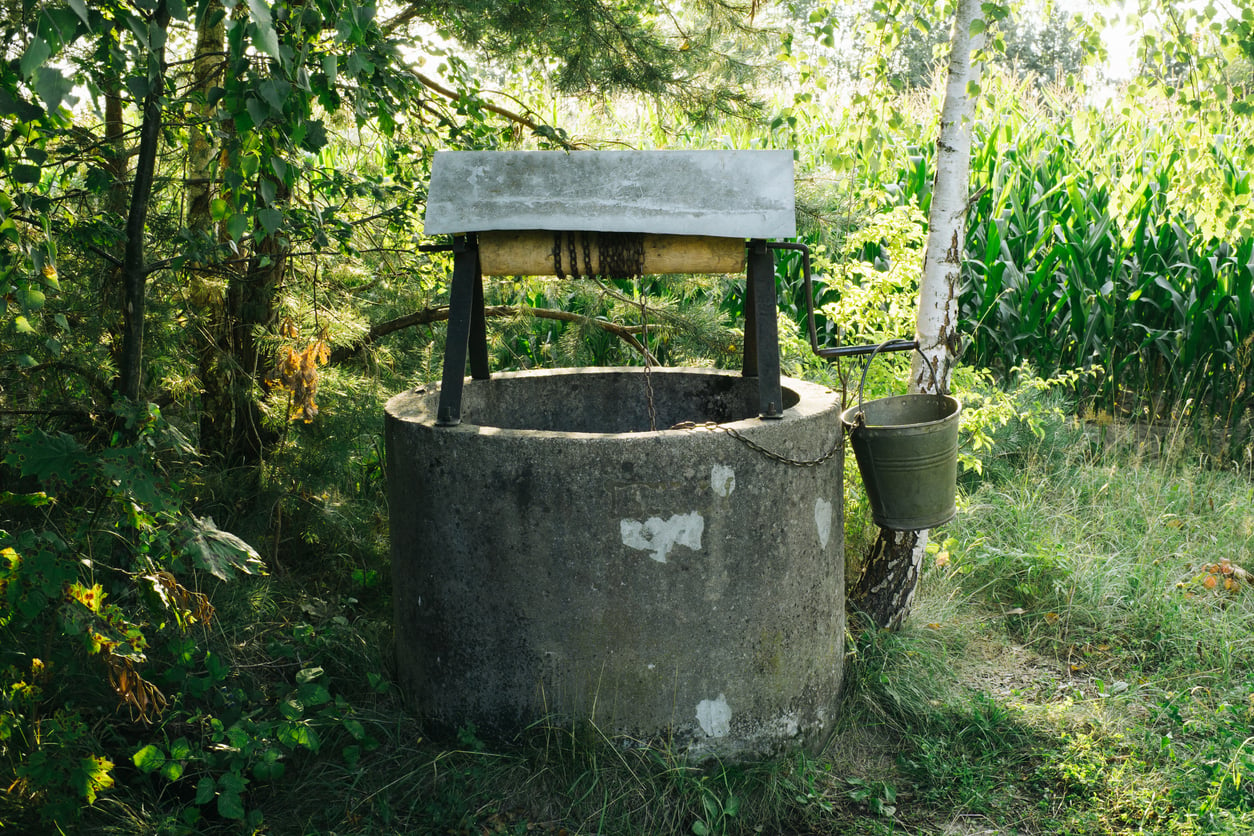
Unlike public water systems, private wells are not regulated under the Safe Drinking Water Act, so residents are responsible for ensuring their water is safe to drink. While private wells vary in type and draw water from different underground aquifers, the basic steps for keeping well water safe are largely the same.
Drawing from University of Georgia expert resources like the Household Water Quality series from UGA Cooperative Extension, specialists Uttam Saha and Gary Hawkins answer some of the questions they hear most often.
Saha, program coordinator of the Agricultural and Environmental Services Laboratories (AESL), oversees laboratory testing that helps residents understand what is in their well water. Hawkins, UGA Extension water resource management specialist, trains Extension professionals across Georgia to help residents keep private wells functioning safely and efficiently.
Q: How often should residents test their well water? If it looks, smells and tastes fine, do they still need to test it?
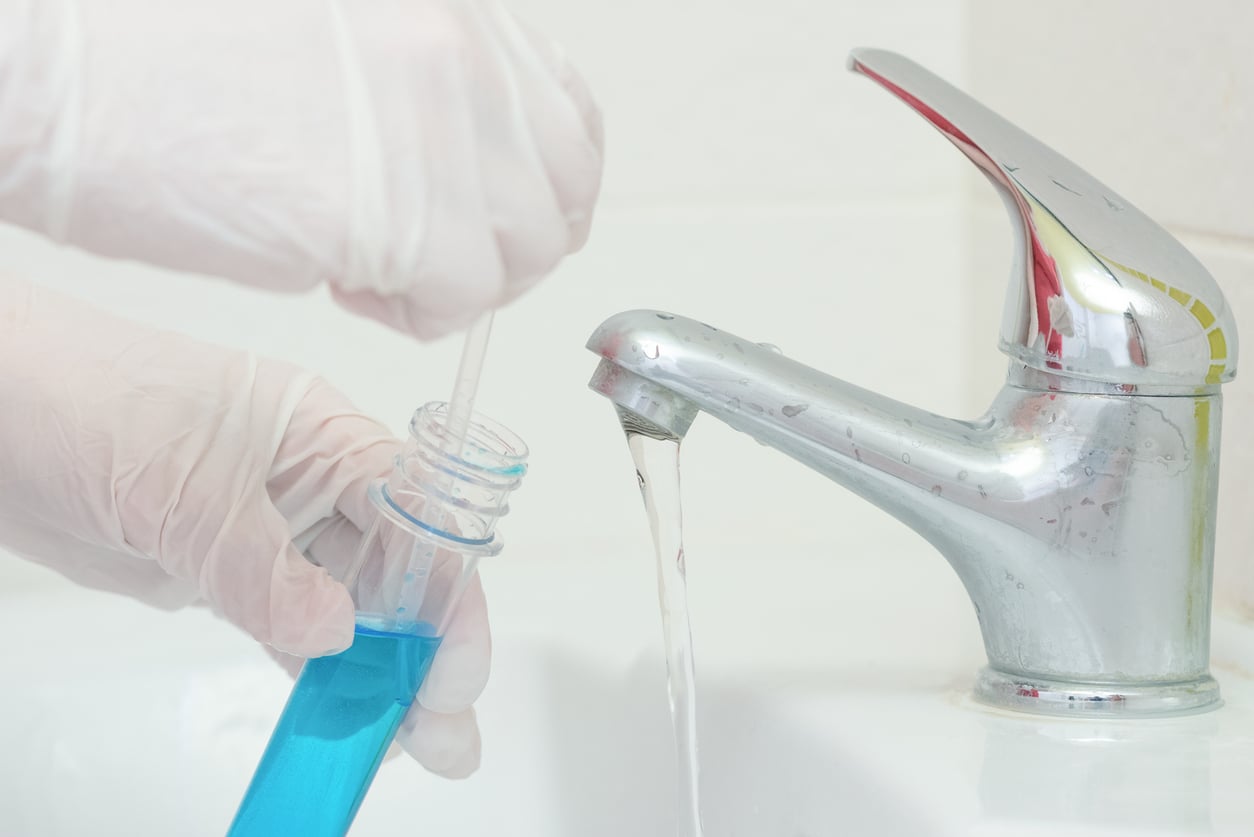
Yes, absolutely. Many contaminants have no taste, odor or color, so laboratory testing is the only way to know whether your water is safe. UGA Extension recommends testing private wells annually using the W2 expanded household water test, a comprehensive water chemistry package that measures nitrates, hardness, alkalinity, fluoride, minerals and other key indicators of water quality. Wells should also be tested annually for bacteria. Additional testing is recommended when a well is first placed into service and whenever flooding occurs or water quality noticeably changes.
One of the best places to start is with your local UGA Extension agent. County Extension offices often have the sampling bottles and materials you need, and agents can help you choose the right test, collect and submit your sample, understand your results, and troubleshoot potential well issues.
Contact your county Extension agent
Learn more about
Q: What are the most common water quality issues you see in Georgia wells?
Common concerns include bacteria, elevated nitrates and naturally occurring minerals such as iron and manganese. Some homeowners notice hard water, staining or sulfur odors.
Learn more about
Learn more about
Learn more about
Learn more about
Q: If a water test shows elevated contaminants, what should well owners do next?
Do not panic. If a test reveals elevated contaminant levels, you may need to retest the water to rule out any issues with how the original sample was collected or handled.
The first step is identifying the source of the problem, then working with a licensed well contractor to address it. Many water quality issues can be corrected with treatment systems or repairs to the well. Drilling a new well is usually considered only after other solutions have proved ineffective.
Q: How can you tell the difference between a water quality problem and a plumbing problem?
Discolored water from only the hot-water tap may point to a water heater, while low water pressure could indicate a problem with the pump or pressure tank. Because many symptoms overlap, laboratory testing can help determine whether the issue is the well water or the plumbing system.
To help pinpoint the source of a problem, compare a water sample taken directly from the wellhead with one taken inside the home. This can help determine whether the issue originates with the groundwater or somewhere in the home’s plumbing system.
Q: What routine maintenance should every well owner be doing?
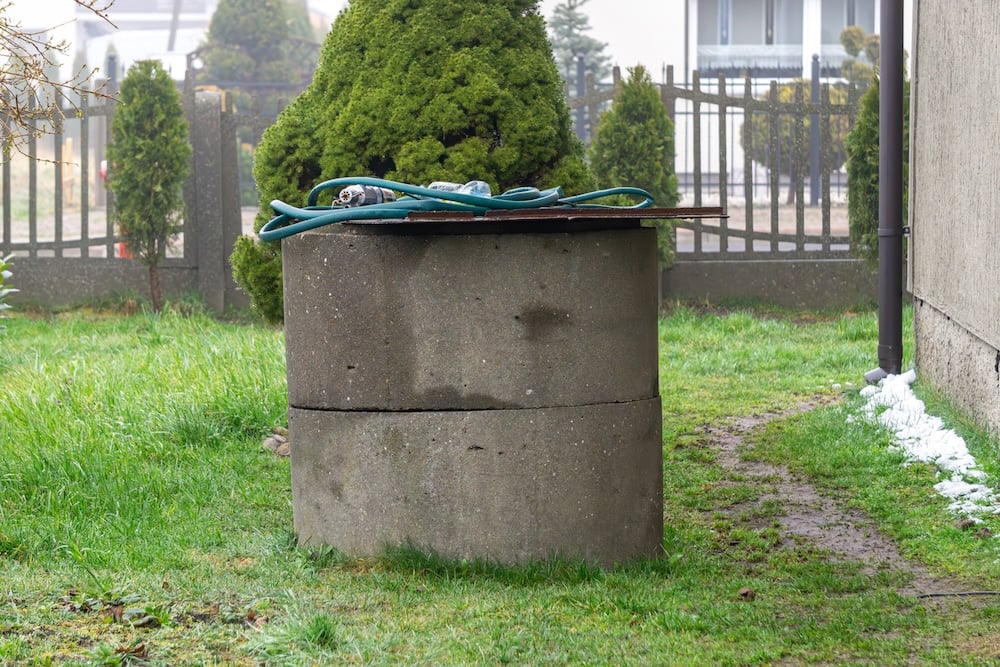
Regularly inspect the wellhead to ensure the cap or seal is secure and the casing is undamaged. Keep chemicals, fuel, and animal waste away from the well, make sure water drains away from the casing, and inspect the system after major storms.
Learn more about
Q: How can drought, heavy rainfall or flooding affect private wells?
Drought can reduce water availability and sometimes concentrate naturally occurring minerals. Heavy rainfall and flooding increase the risk of bacteria entering the well. After flooding, inspect the well and test the water before drinking it.
Emergency preparedness tip: Store at least 1 gallon of drinking water per person, per day until your well water has been confirmed safe.
Q: During power outages or other emergencies, what should well owners know?
Most private wells require electricity, so power outages usually mean no running water. Keep an emergency supply of drinking water on hand. After flooding or storm damage, inspect the well and consider testing the water before using it.
Q: Why do people sometimes develop problems after years of using the same well?
Groundwater conditions, surrounding land use, and the physical components of a well can all change over time. Regular testing helps identify changes early and helps maintain a track record so it’s easier to determine what caused a new problem.
Q: Should well owners be concerned about naturally occurring contaminants like arsenic or radon?
Not every well contains arsenic or radon, but both occur naturally in parts of Georgia. Because neither can be detected by sight, smell or taste, testing is the only way to know whether they are present at levels of concern.
Learn more about
Learn more about
Looking for more information? We’ve got you covered!
These answers cover only a few of the most common questions well owners have. Visit UGA Extension’s well water series for more in-depth information on water quality in Georgia, guidance on choosing the right test, well maintenance and treatment options.
Ready to test your well?
The UGA Agricultural and Environmental Services Laboratories analyzes private well water samples from homeowners across Georgia. Your local UGA Extension office can help determine which tests are appropriate and explain how to collect and submit a sample.