Takeaways
- Drought doesn’t mean fewer risks. Dry conditions can increase populations of West Nile-carrying mosquitoes by stabilizing underground breeding sites.
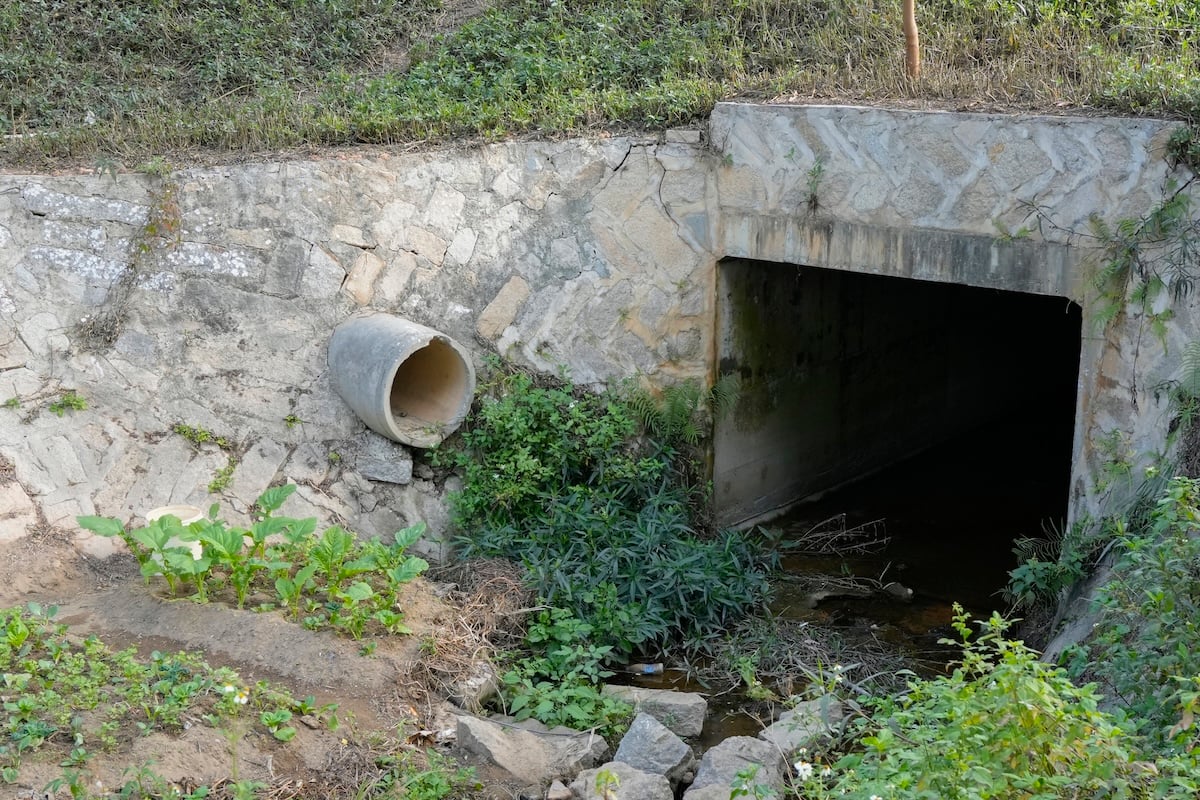
- Storm drains are key habitats. Unflushed drainage systems create ideal environments for Culex mosquitoes, the primary vectors of West Nile virus.
- Prevention still matters. Eliminating standing water and using repellents remain the most effective ways to reduce exposure.
This spring’s drought conditions are impacting more than just the land. While most of our nuisance mosquito populations are off to a slow start this spring due to the rapid drying of our natural winter wetlands and the lack of rainfall to fill containers, the same cannot be said for the mosquitoes that most commonly transmit West Nile virus.
Dry conditions can actually be conducive to populations of the Southern house mosquito (Culex quinquefasciatus) and the bird-feeding Culex restuans. Birds serve as the primary hosts for West Nile virus, and mosquitoes that feed on them can pick up the virus and pass it along as they move between hosts.
Why drought can boost West Nile risk
The Southern house mosquito is the primary mosquito that transmits the West Nile virus and often breeds in the storm drain systems of older cities and towns. The lack of rain means these systems have not been flushed out by currents of water that would normally drain from our streets and neighborhoods after a typical rain event. Stagnant water in pipes and catch basins provides a perfect habitat for larval development.
Additionally, because temperatures are more stable underground, adult mosquitoes can survive the winter in these pipes. With nutrient-rich water already in place for their young, populations can build up, especially when heavy rains don’t come through to flush the system.
While mosquito surveillance across the state has been limited so far this year, only minimal West Nile virus activity has been detected. However, current conditions are similar to 2012, when drought and an unusually warm spring led to the highest number of human cases nationwide. As spring sets in and outdoor activity increases, residents should take simple precautions to reduce their risk.
- Birds carry the virus in their bloodstream
- Mosquitoes feed on infected birds and pick up the virus
- The virus develops inside the mosquito
- Infected mosquitoes can then transmit the virus to humans through a bite
- Storm drains and other standing water sources allow mosquito populations to grow
How to protect yourself
Precautions include eliminating any and all standing water, supporting local mosquito control programs and wearing light-colored, loose-fitting clothing when outdoors.
Residents can support local programs by allowing access for treatments, following public notices and reporting areas with persistent standing water. Applying an Environmental Protection Agency-approved insect repellent when outdoors is also recommended, especially during dawn and dusk, when most mosquitoes are active. These formulations are safe and effective when used according to the label, and the label is the law.
Eliminate standing water to reduce mosquito breeding
Georgia is home to 63 species of mosquitoes, so there are a wide variety of life cycles. Many of our species overwinter as eggs, which will remain viable until spring rains return. Consequently, those species’ populations are relatively low right now, as their eggs remain dormant until moisture returns.
When rain eventually arrives, eggs will hatch and standing water will allow larvae to develop.
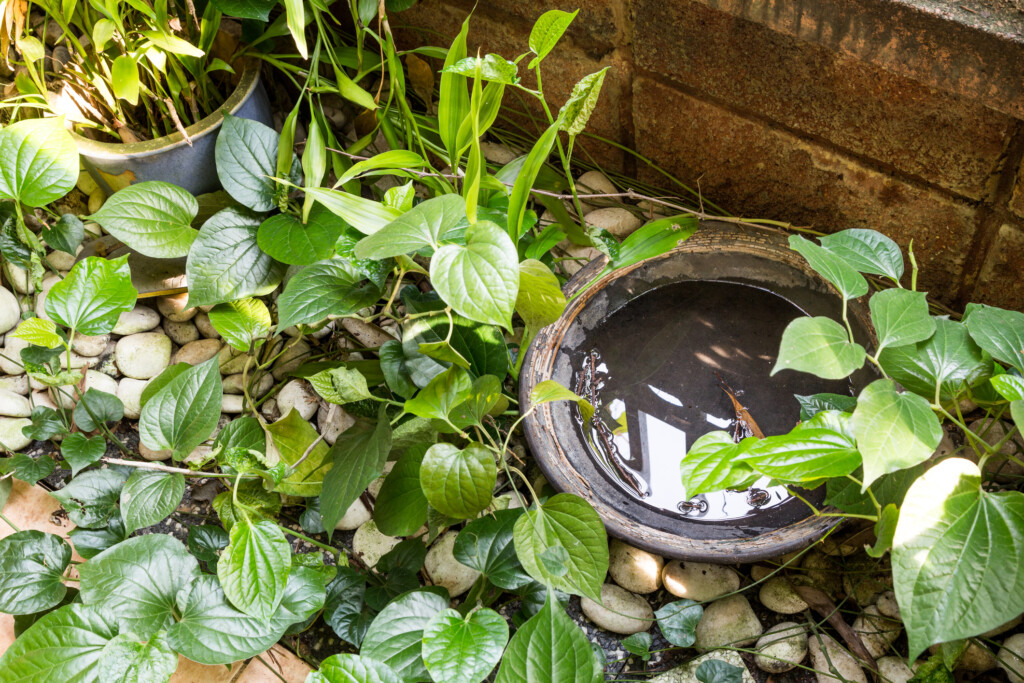
It can’t be stressed enough that eliminating standing water remains one of the most effective ways to reduce mosquito populations, as the insects rely on it to complete their life cycle. Empty planter trays, clear drainage systems, recycle used tires, clean up debris, and position boats, wheelbarrows, and other items so they won’t hold water.
Larval habitats that cannot be eliminated can be treated with EPA-approved larvicides, several of which are available from local hardware, feed and seed stores.