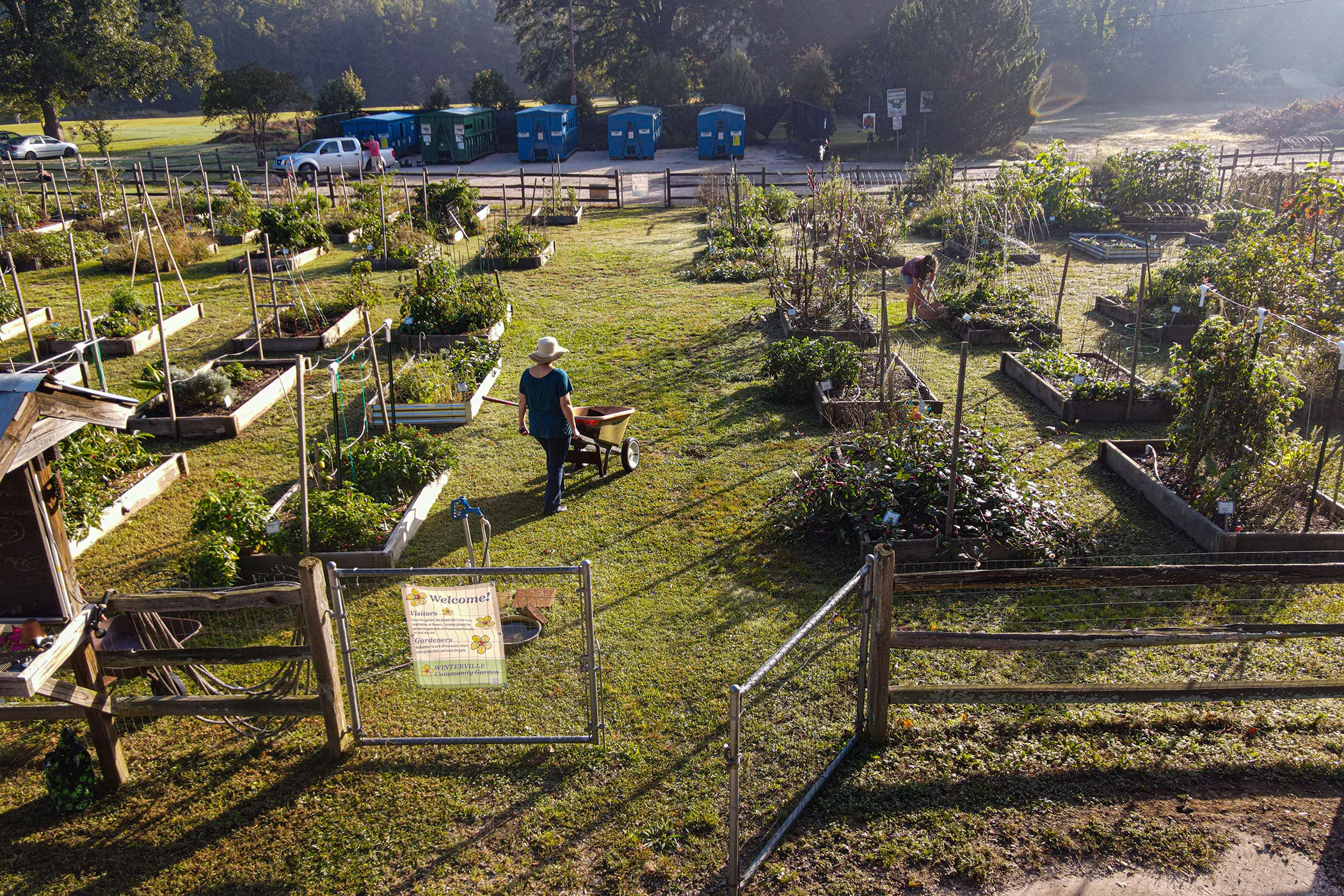


Consumer horticulture touches all of our lives, whether in a bustling downtown area, the open countryside, or anywhere in between. Consumer horticulture supports human health, community beautification, environmental stewardship, local food, and more. Consumer horticulture benefits us when we tend a container garden, visit and play in a park or public garden, and grow plants indoors or outdoors. Consumer horticulture also provides jobs and revenue in growing, marketing, and managing plants. Quite simply, consumer horticulture is the connection point between people and plants.
Who is affected by consumer horticulture?
Green thumb or not, we all benefit from consumer horticulture.
Personal pursuit: 77% of U.S. households3 take part in gardening activities, indoors or outdoors.
Economic impact: Consumers spend nearly $48 billion annually on DIY garden-related items while also supporting the $54,700,000 horticulture service industry.
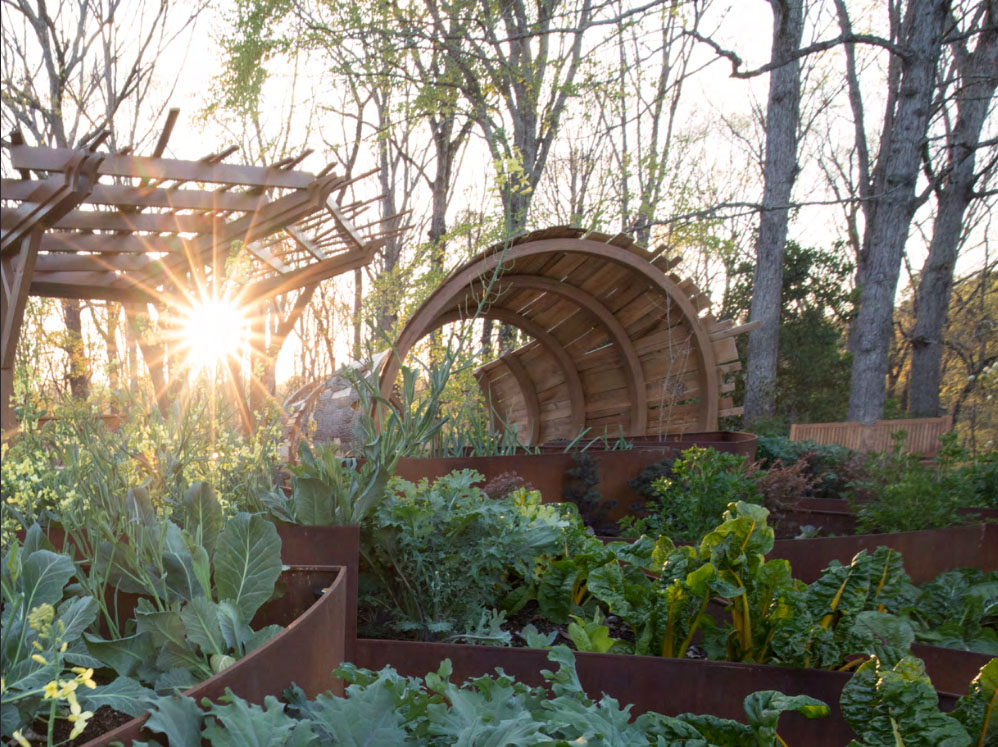
Community benefits: We experience consumer horticulture in a tree-lined street, a public park or garden, a farmers market, a nursery or U-pick farm, a teaching garden, a landscaped shopping center, a walking trail, or any space where humans and plants meet.
Businesses, jobs, and workplaces
Plants and landscapes can improve rent and occupancy and support customer visitation. For workers, indoor plants reduce stress, mental fatigue, and absenteeism while improving concentration. Outdoor green spaces near workplaces can also improve employee health and output.
Our environment
Natural ecosystems need plants to hold the soil in place, protect water and air quality, and support pollinators and wildlife. By growing and interacting with plants in a range of settings, consumers are introduced to soil and water stewardship. These people-plant interactions benefit our environment and our society because residents practice stewardship on private property and learn to value plants and green spaces in public areas.
Schools and communities
Plants in or near the classroom increases students’ attention, memory and test scores and reduces sick time and behavior issues. Studying plants help students
learn life skills and improve self-confidence, while school gardens connect students to food and nature.
Consumer horticulture creates a pride-of-place through streetscapes, enhances tourism and bolsters local business.
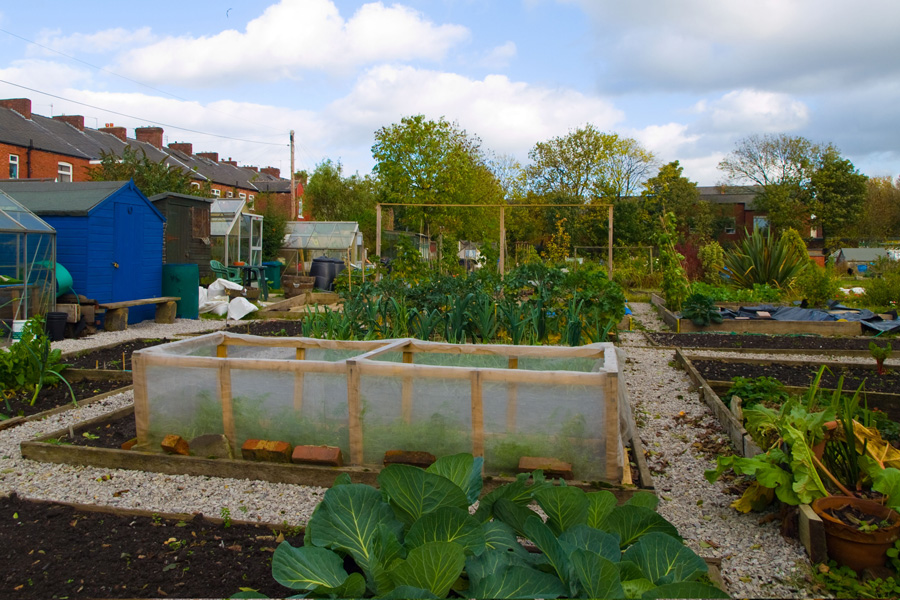
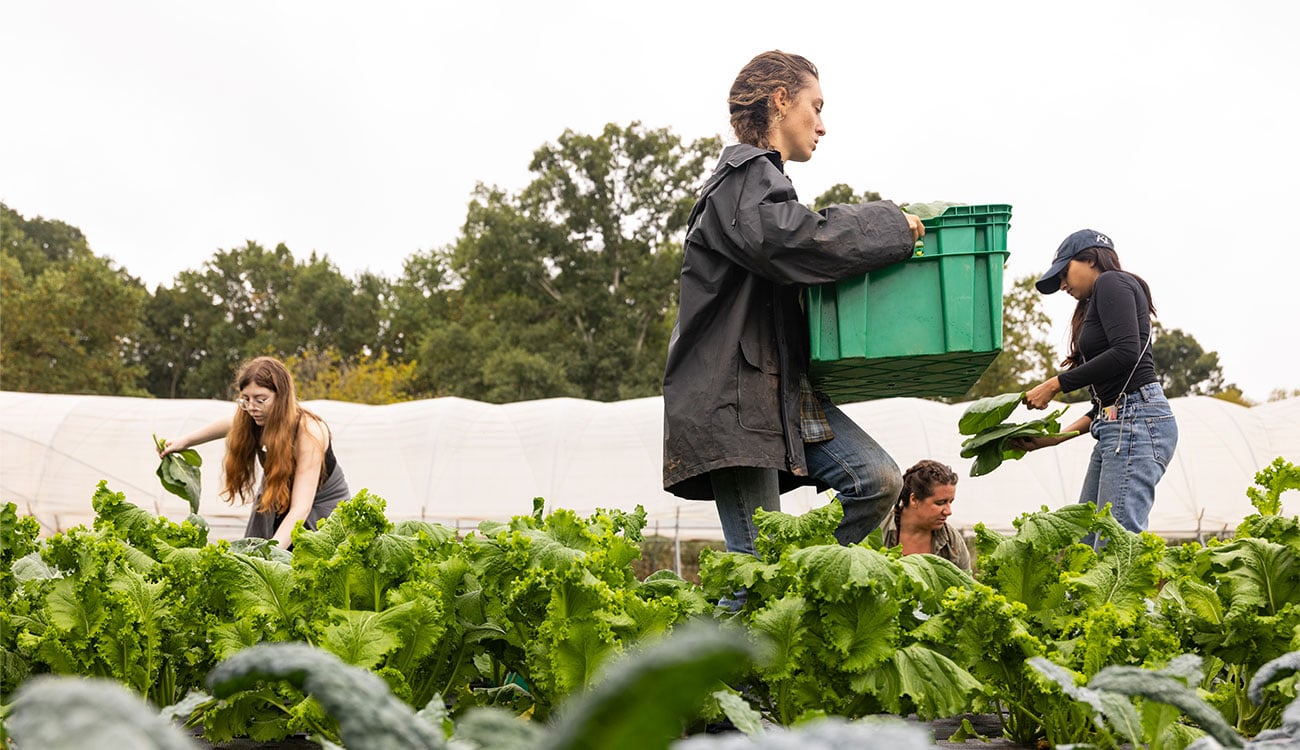
Community gardens increase access to fresh food and support human relationships.
Housing and residential areas
Consumer horticulture adds beauty and increases property values. Well-placed plants can save energy and lower utility bills. Plants in and around the places we live produce neighborhood satisfaction and help build healthy social connections.
Our families and ourselves
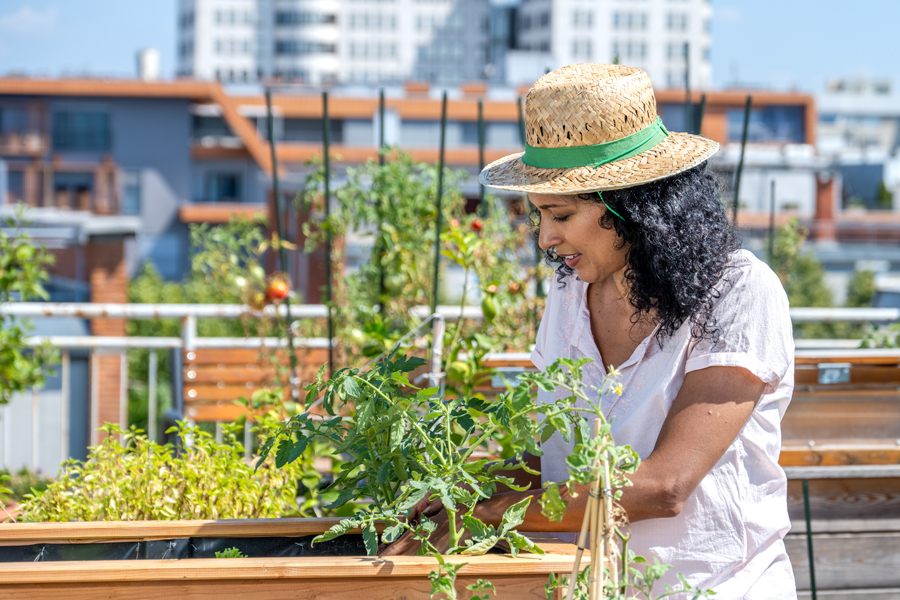
Consumer horticulture improves our personal health and quality of life. Gardening and interacting with plants can reduce stress and tension and decrease chronic health risks through physical activity and nutrition. Consumer horticulture involving plants, gardens, parks, and green spaces provides exercise, fresh food, stress reduction, and personal connection.
This publication was written to educate residents about the beneficial roles of consumer horticulture. It was collaboratively developed by the Consumer Horticulture Extension, Research, and Education Coordinating Committee (SCC-85) organized through the Southern Association of Agricultural Experiment Station Directors. SCC-85 includes members from Auburn University, Clemson University, University of Kentucky, University of Georgia, University of Hawaii, Louisiana State University, The Ohio State University, University of Minnesota, Mississippi State University, University of Nebraska, North Carolina State University, University of Tennessee, and Virginia Tech. SCC-85 also operates as the NICH Academic/Government Council and serves to connect the academic horticulture community to NICH.
References
Plants Do That Series. National Initiative for Consumer Horticulture. Accessed Dec. 2018. https://consumerhort.org/plantsdothat/
Hodges, et al. 2015. Economic contributions of the green industry in the United States in 2013. HortTechnology25:805-814.
National Gardening Survey. 2018 Edition. Accessed Dec. 2018 <http:www.gardenresearch.com>
Keniger et al. 2013. What are the benefits of interacting with nature? Int. J. Environ. Res. Public Health 10: 913-935.
Van den Berg and van den Berg. 2015. Health benefits of plants and green space: Establishing the evidence base. ActaHort. 1093: 19-30