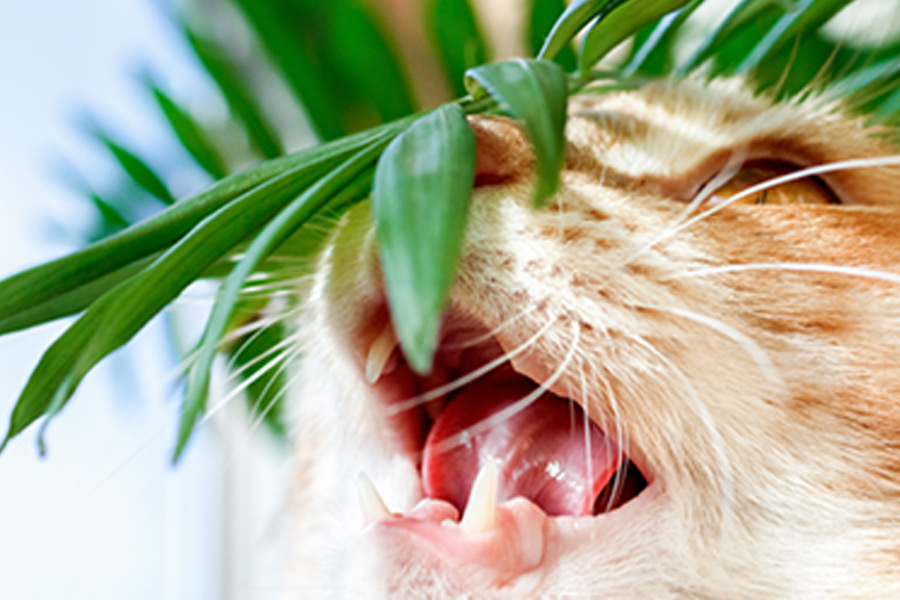

We all love to keep plants in and around the house, but we should consider which ones are safe for pets. Young or new pets tend to nibble and taste plants as they explore and become familiar with their environment, but some garden and house plants are toxic.
Symptoms may range from a mild upset stomach to a severe toxic response that can lead to death. It is important to know which plants are safe, as even common plants can be deadly.
Identifying Toxic Plants
Plant toxicities can be organized into four classes:
- Major Toxicity: May result in serious illness or death if ingested.
- Minor Toxicity: May result in vomiting or diarrhea if ingested.
- Oxalates: Contain juice or sap with oxalate crystals that can irritate the skin, mouth and/or throat, cause swelling, difficulty breathing, pain, and/or an upset stomach
- Dermatitis: Contact with thorns or sap may result in a skin rash.
If you suspect a poison–related emergency, contact your local veterinarian or the ASPCA Animal Poison Control Center at 888–426–4435.
Plants A–C (by Common Name)
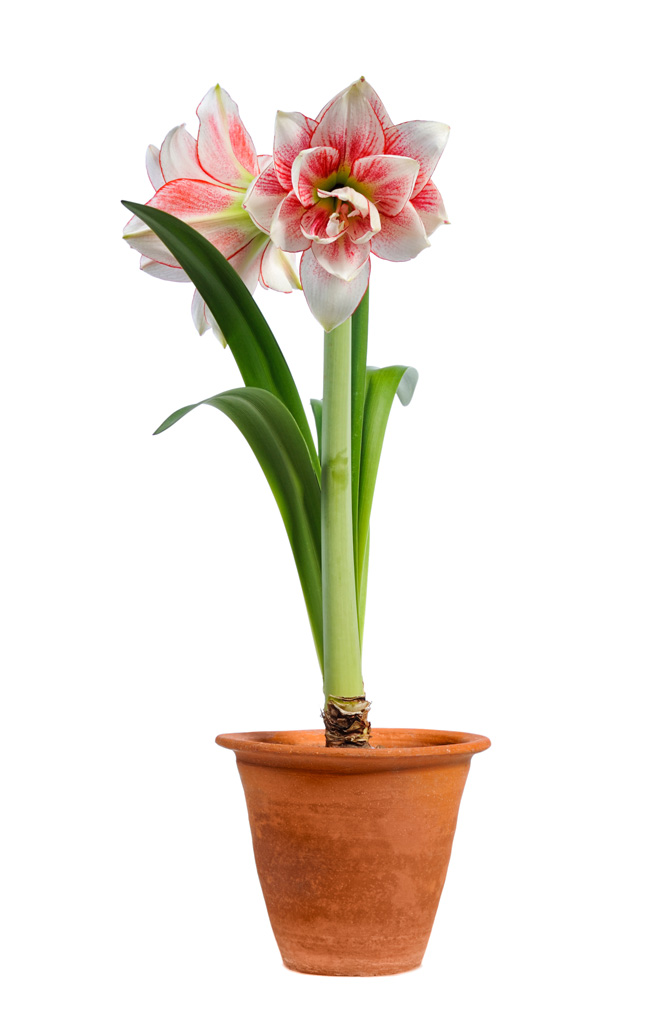
Amaryllis
Amaryllis spp.
Toxicity class: Minor Toxicity, Dermatitis
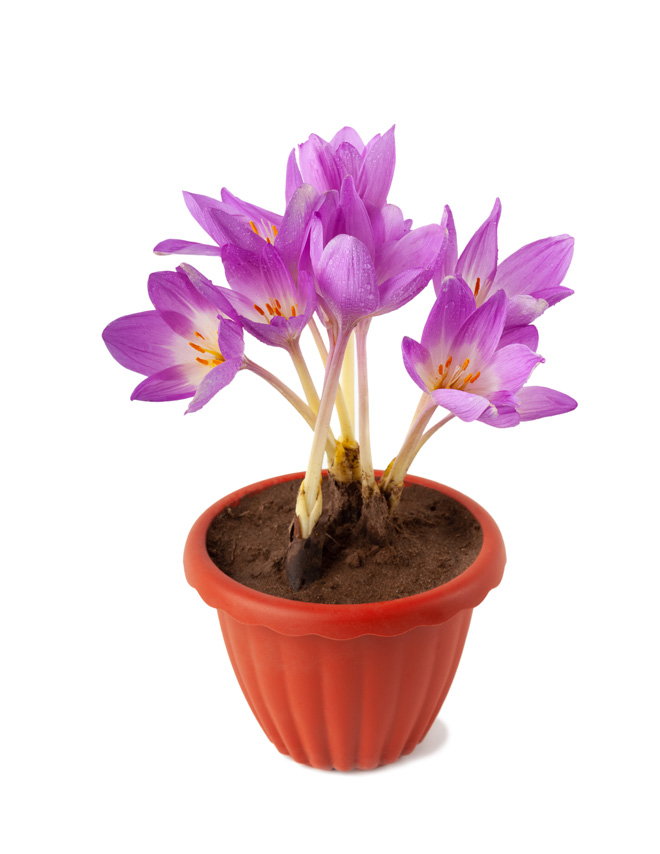
Autumn Crocus
Colchicum autumnale
Toxicity class: Major Toxicity, Dermatitis
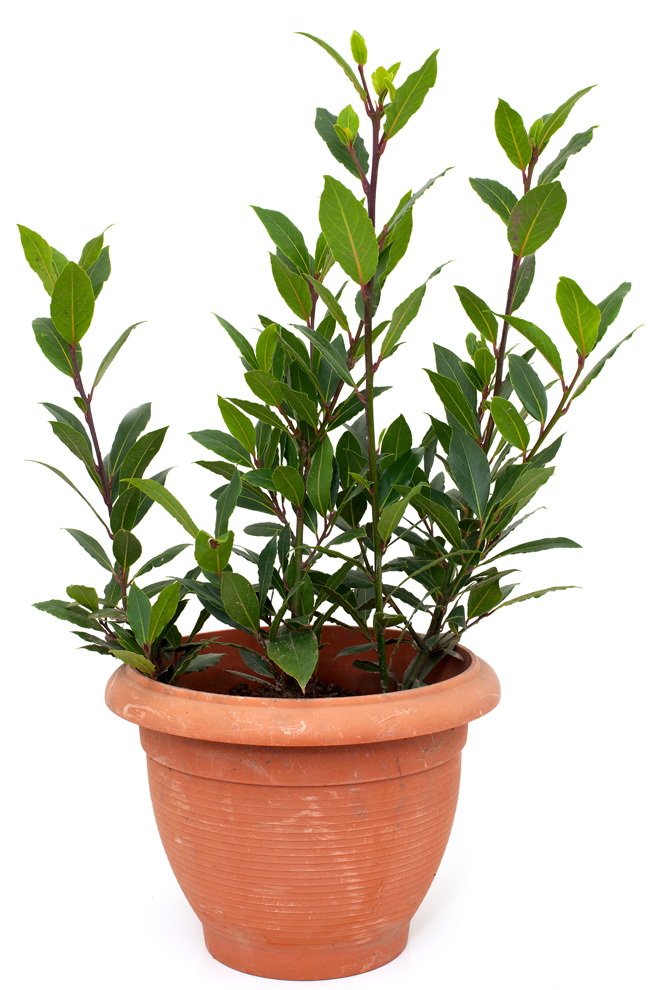
Bay Laurel (Sweet Bay)
Laurus nobilis
Toxicity class: Minor Toxicity
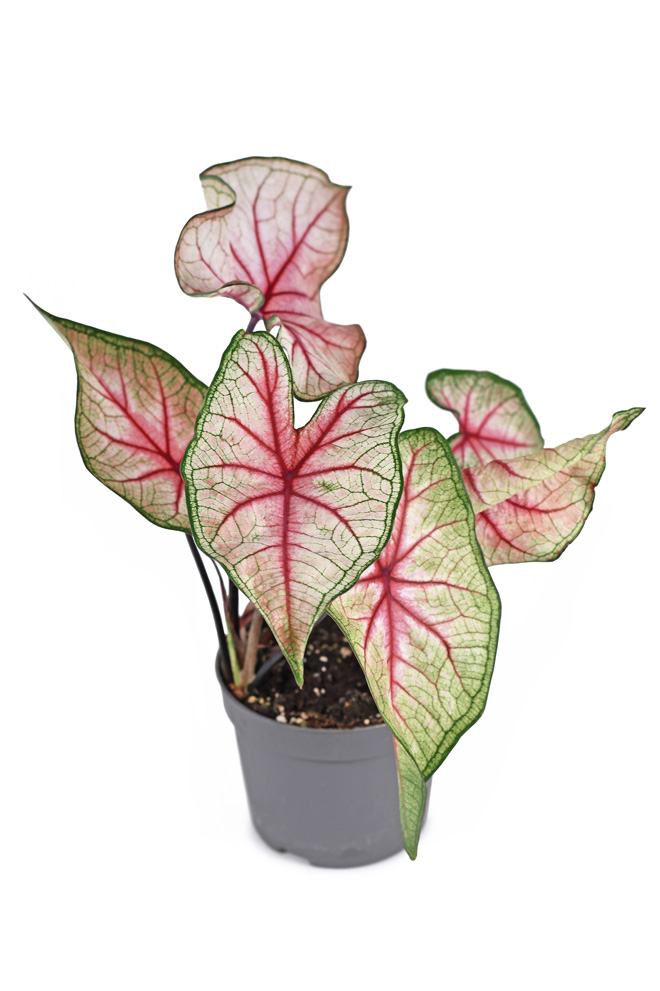
Caladium
Caladium spp.
Toxicity class: Oxalates, Dermatitis
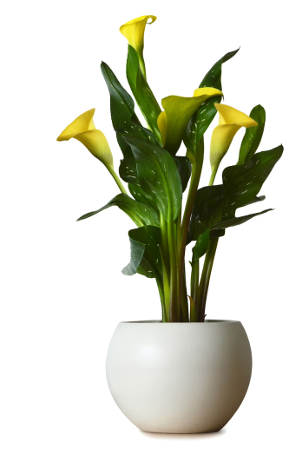
Calla Lily
Zantedeschia aethiopica
Toxicity class: Oxalates, Dermatitis
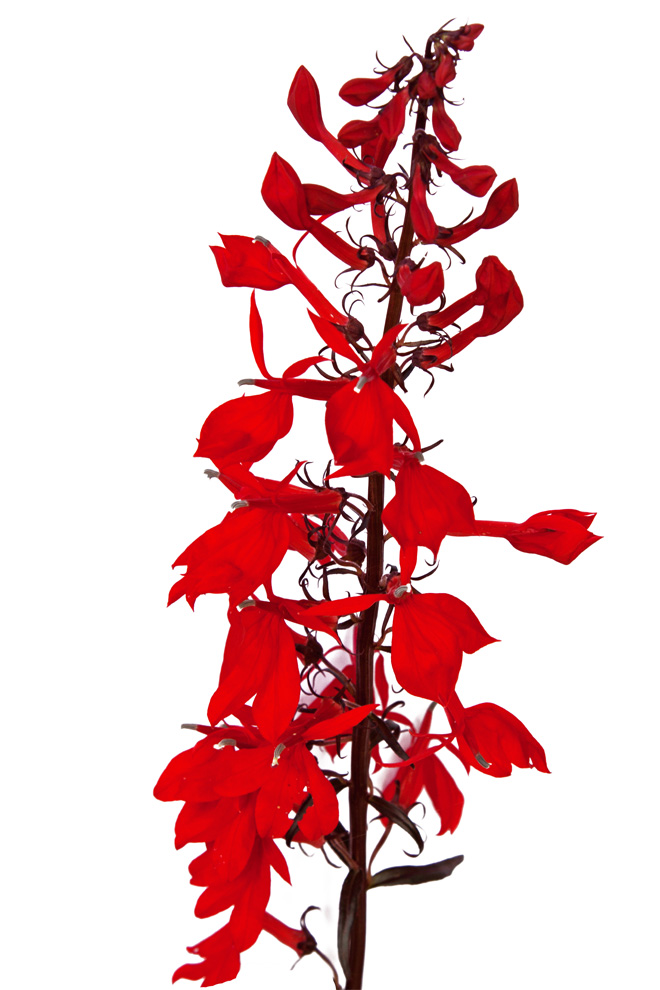
Cardinal Flower
Lobelia spp.
Toxicity class: Major Toxicity, Dermatitis
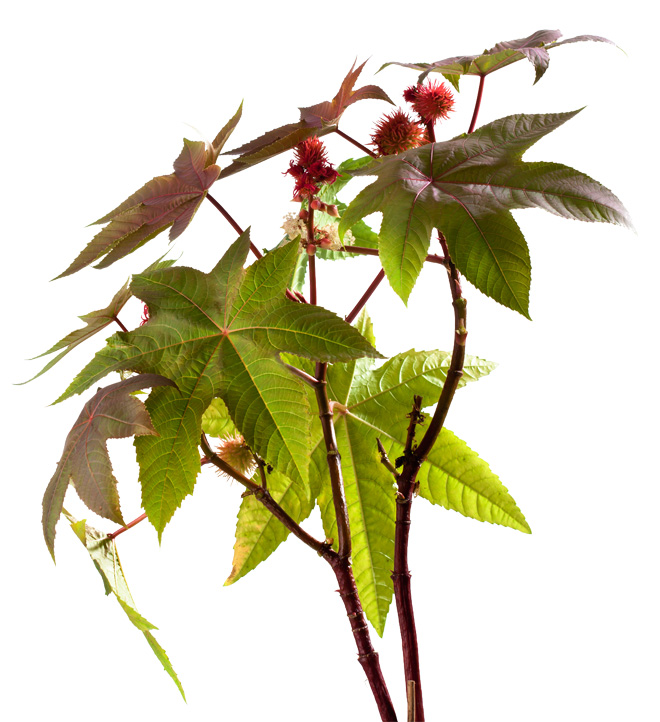
Castor Bean
Ricinus communis
Toxicity class: Major Toxicity
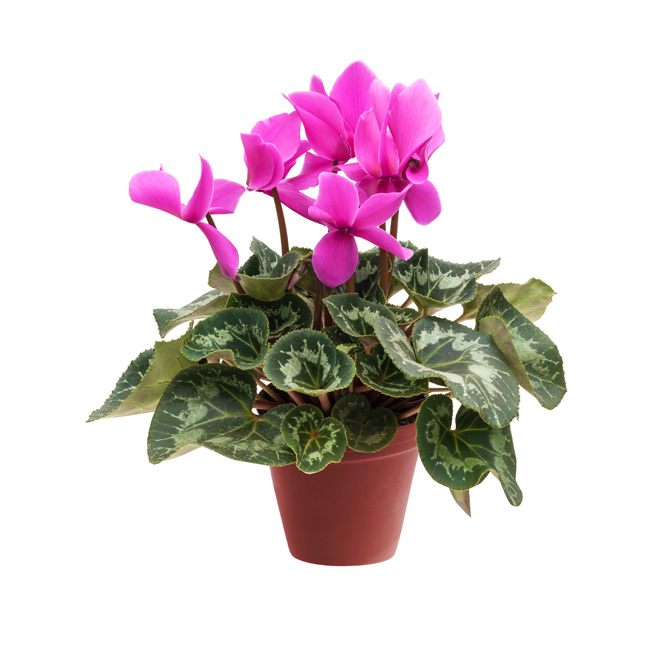
Cyclamen
Cyclamen spp.
Toxicity class: Minor Toxicity, Dermatitis
Plants D–G
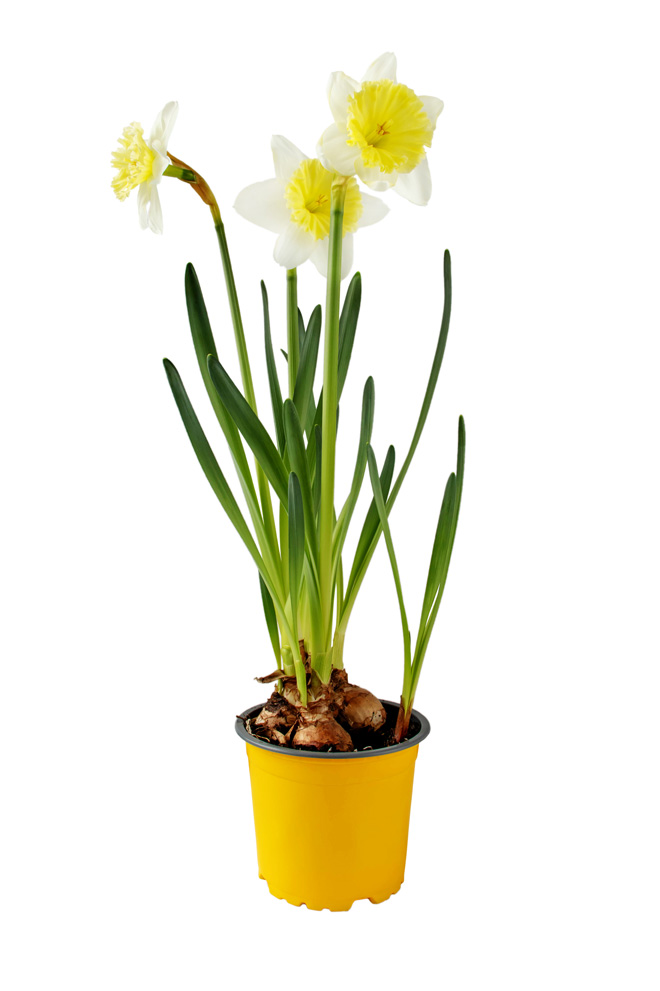
Daffodil (Bulb)
Narcissus spp.
Toxicity class: Minor Toxicity, Dermatitis
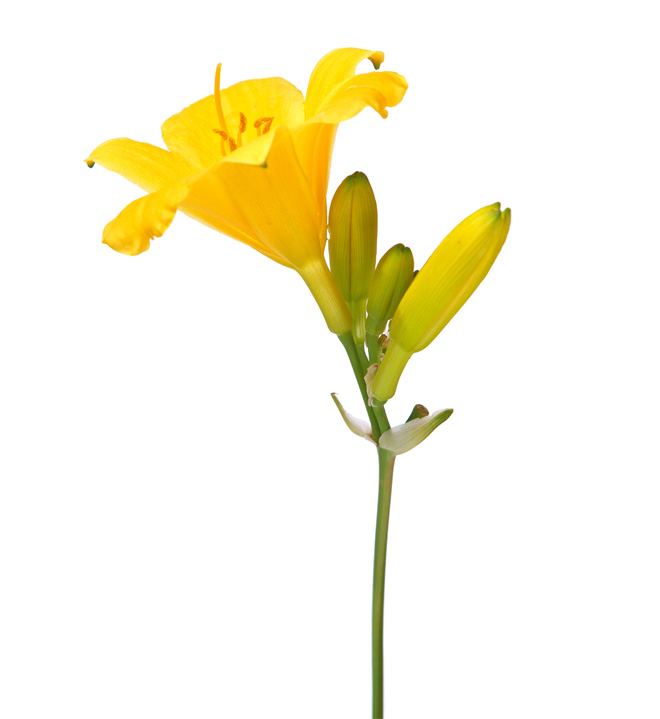
Daylily
Hemerocallis spp.
Toxicity class: Major Toxicity (for cats)
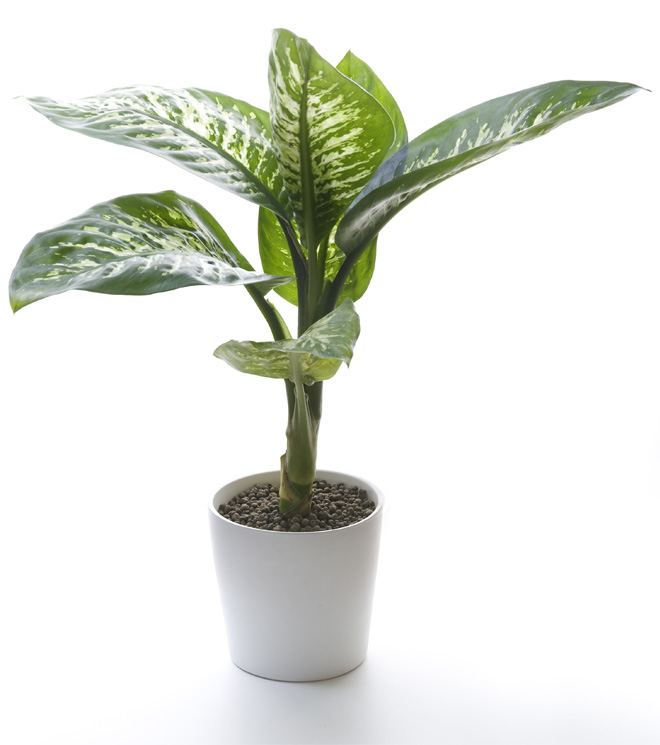
Dieffenbachia (Dumbcane)
Dieffenbachia seguine
Toxicity class: Oxalates
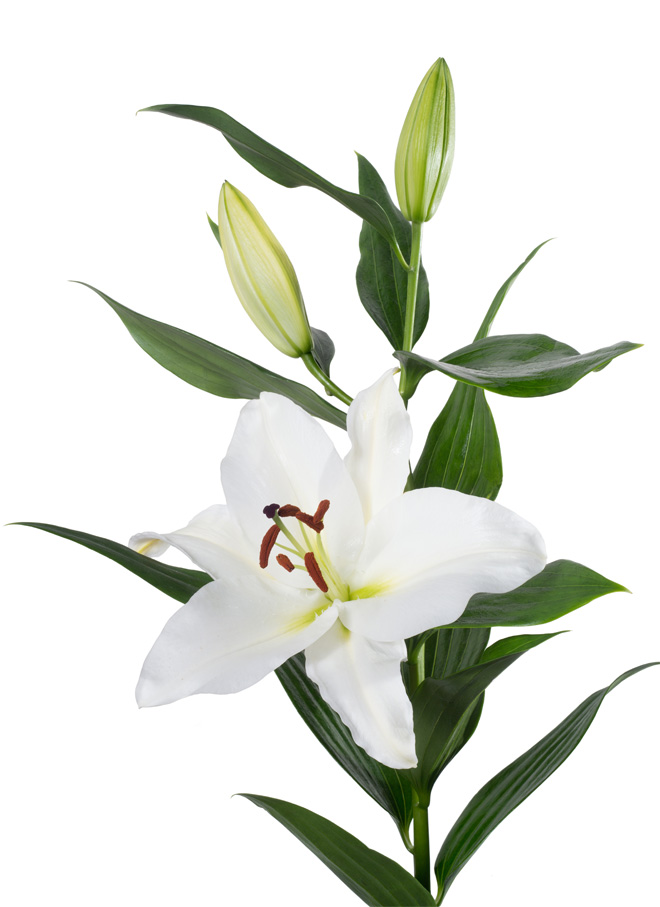
Easter Lily, Oriental Lily
Lilium spp.
Toxicity class: Major Toxicity, Minor Toxicity, Dermatitis (for cats)
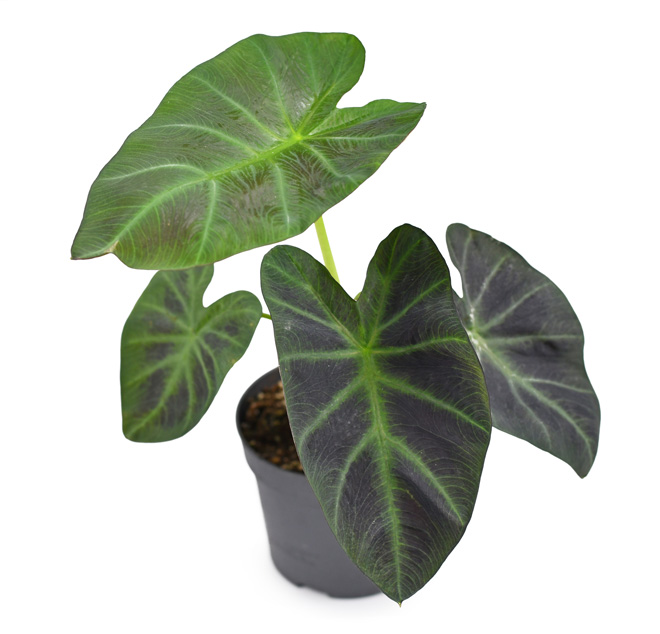
Elephant Ear
Colocasia esculenta
Toxicity class: Oxalates, Dermatitis
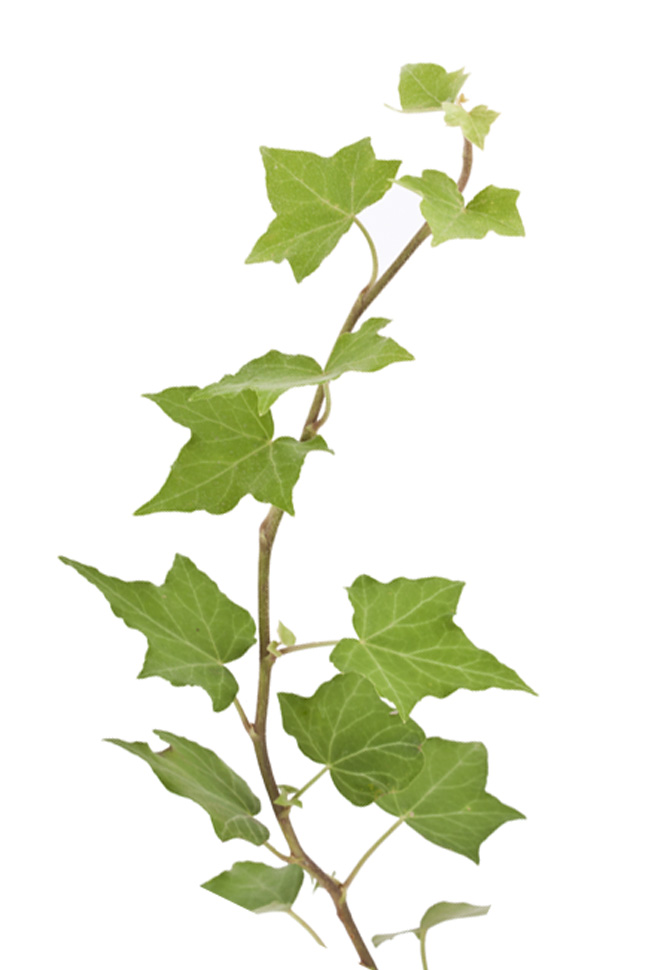
English Ivy
Hedera spp.
Toxicity class:Minor Toxicity, Dermatitis
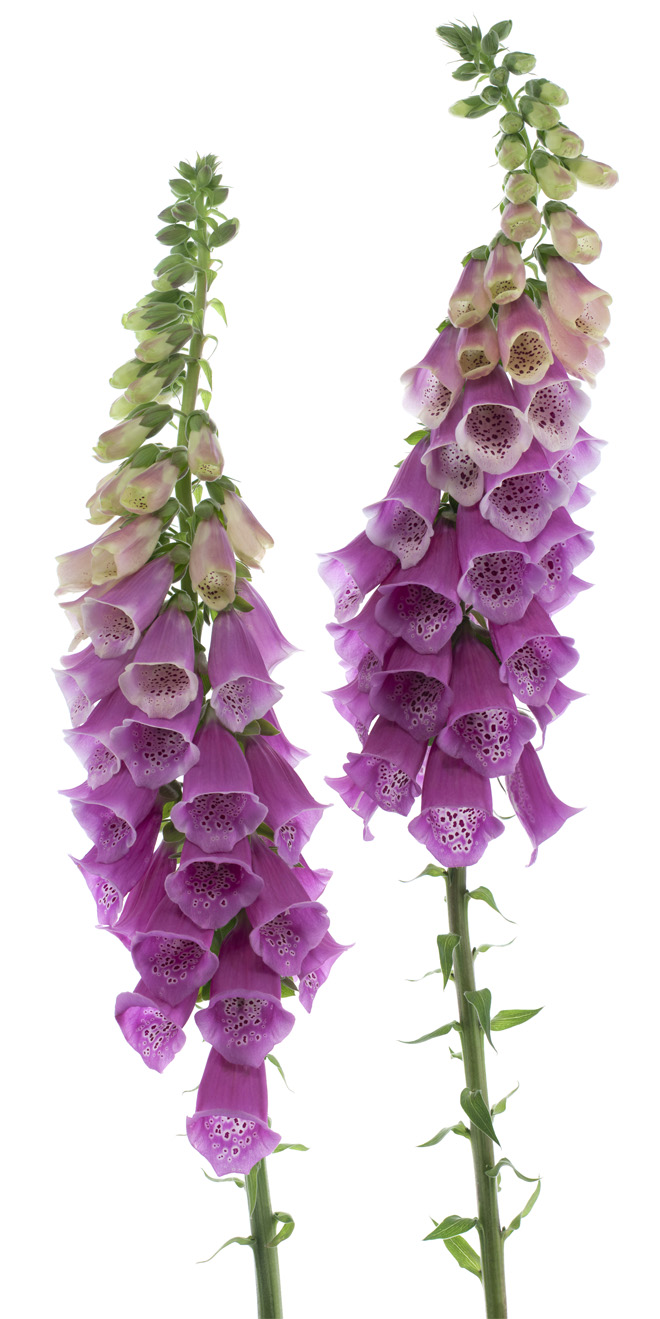
Foxglove
Digitalis purpurea
Toxicity class:Major Toxicity
Plants H–M
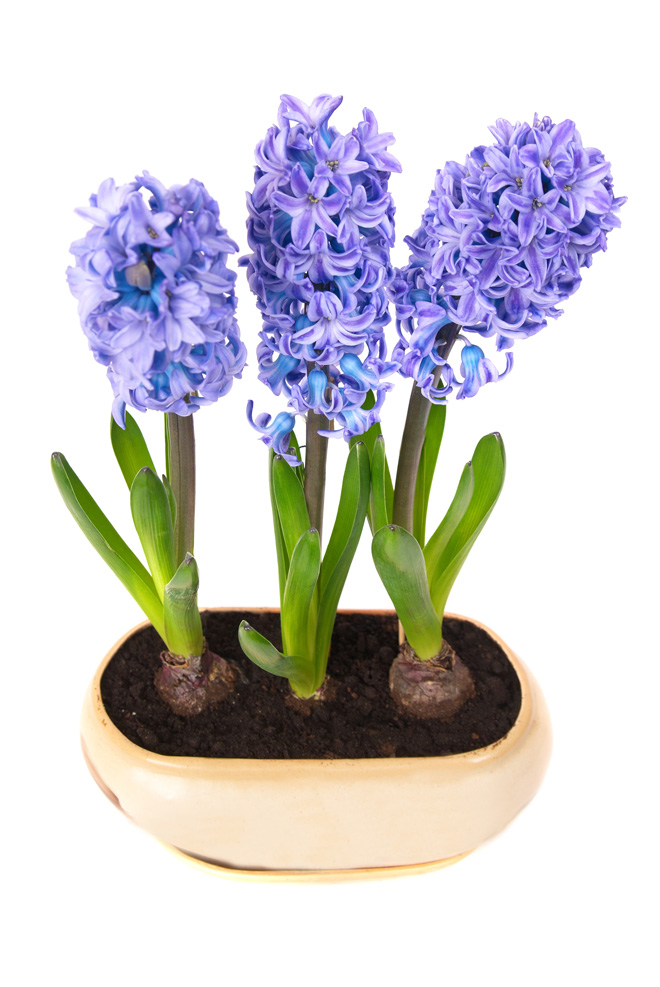
Hyacinth
Hyacinthus spp.
Toxicity class: Minor Toxicity, Dermatitis
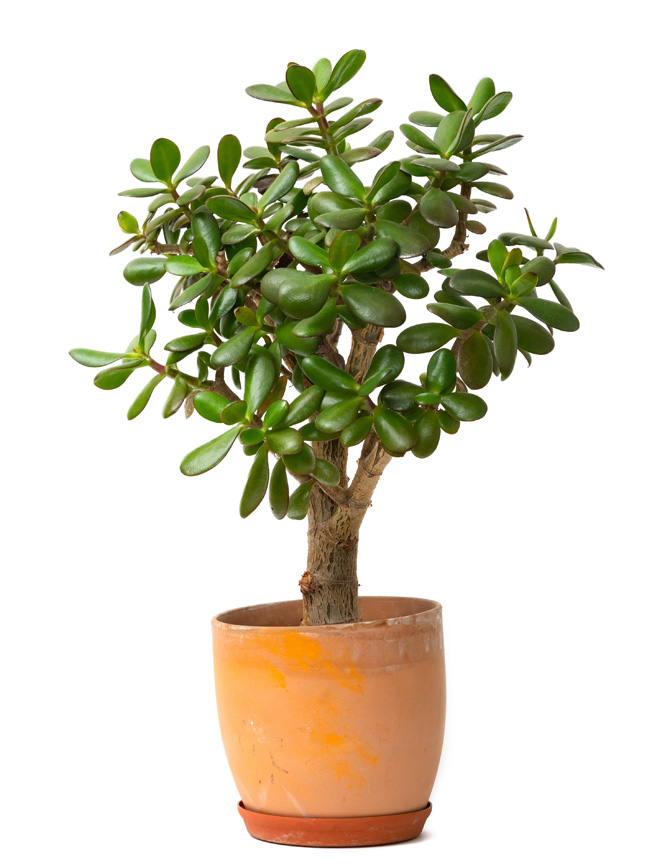
Jade Plant
(Chinese rubber plant, Japanese rubber plant)
Crassula argentea
Toxicity class:Minor Toxicity, Dermatitis
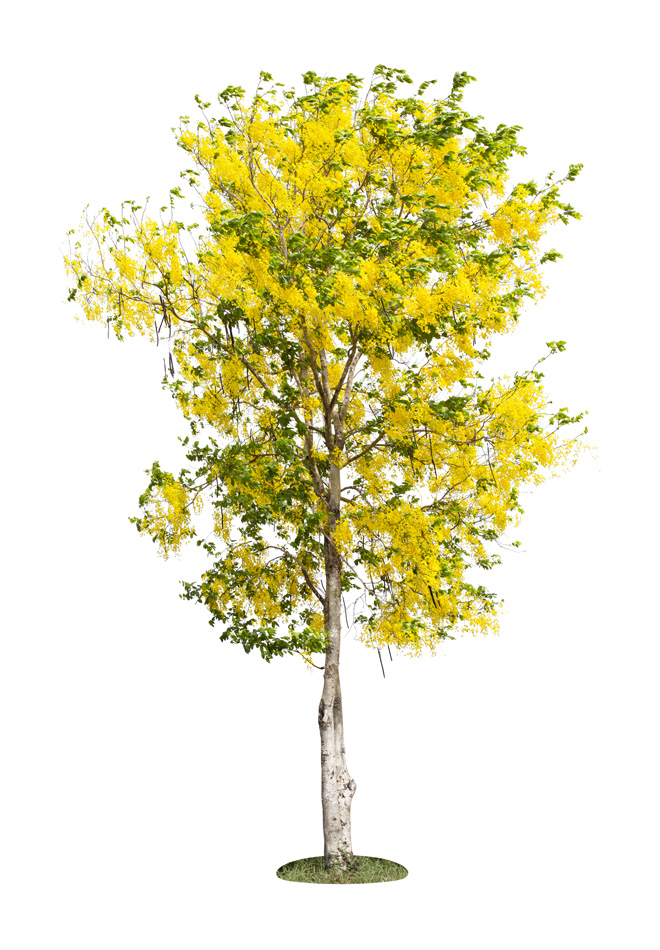
Laburnum (Golden Chain Tree)
Laburnum anagyroides
Toxicity class: Minor Toxicity
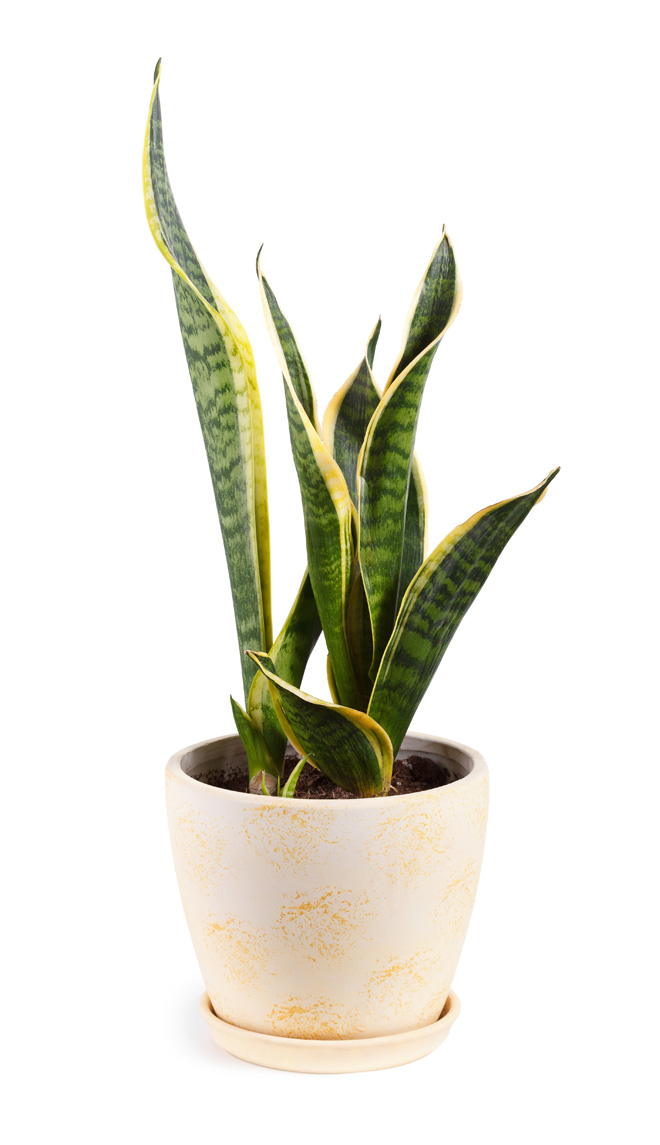
Mother-in-Law’s Tongue (Snake Plant)
Sansevieria trifasciata
Toxicity class:Minor Toxicity, Dermatitis
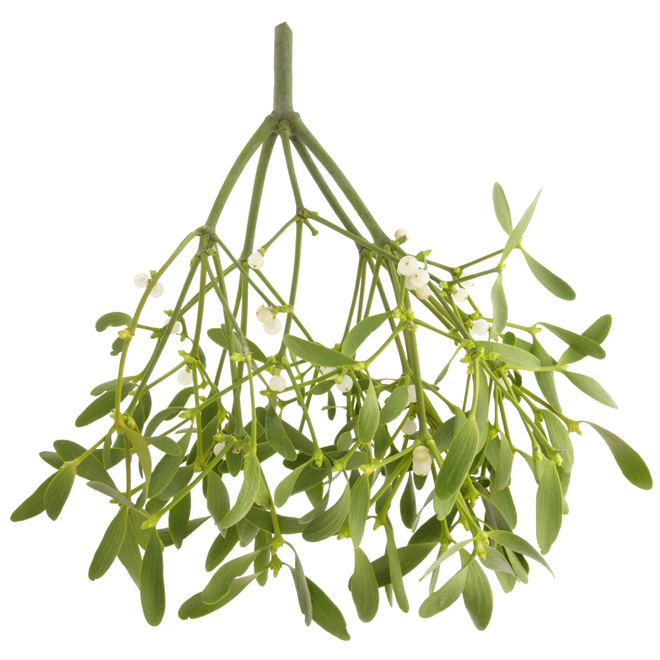
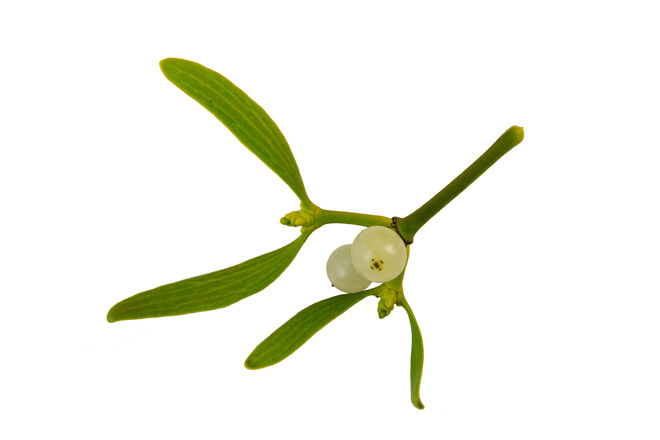
Mistletoe
Phoradendron spp.
Toxicity class: Minor Toxicity, Dermatitis
Plants O–Z
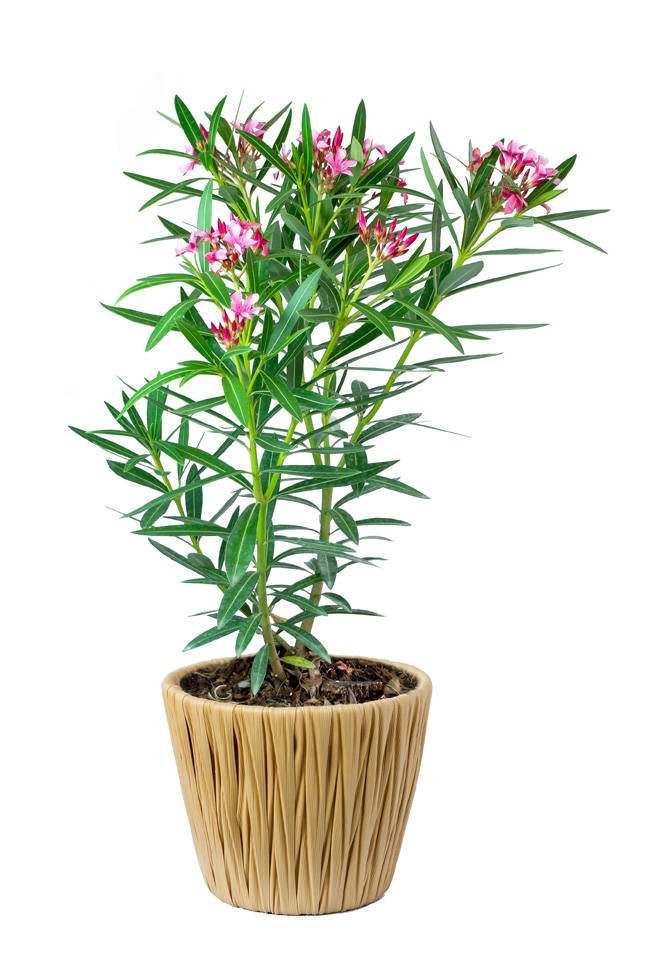
Oleander
Nerium oleander
Toxicity class: Major Toxicity, Dermatitis
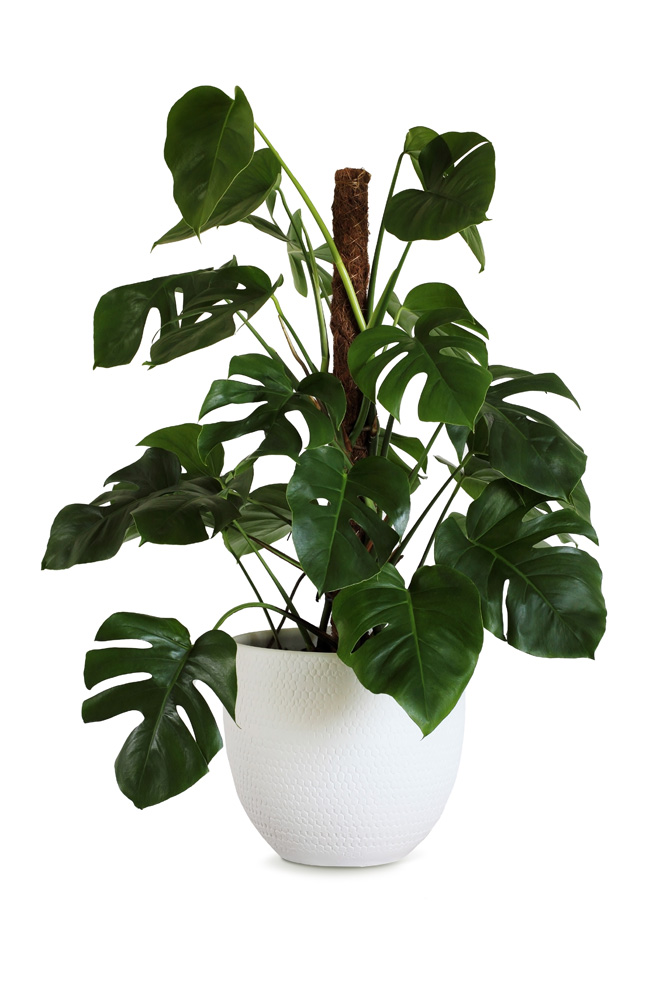
Philodendron
Monstera deliciosa
Toxicity class: Oxalates, Dermatitis
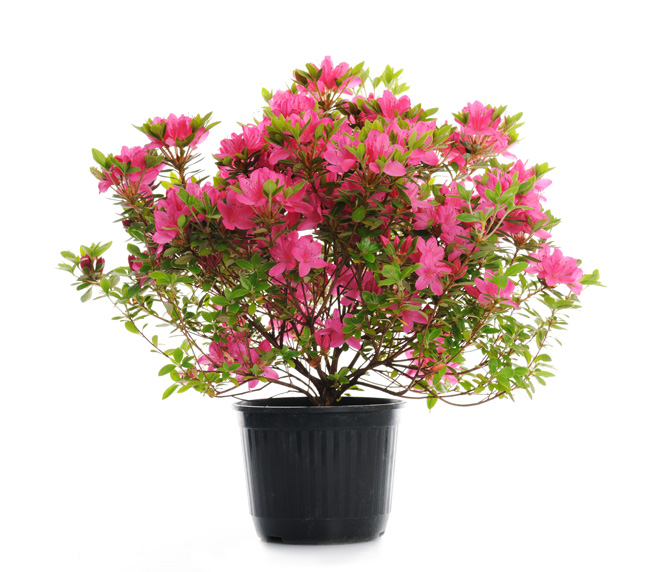
Rhododendron Azalea
Rhododendron spp.
Toxicity class: Major Toxicity
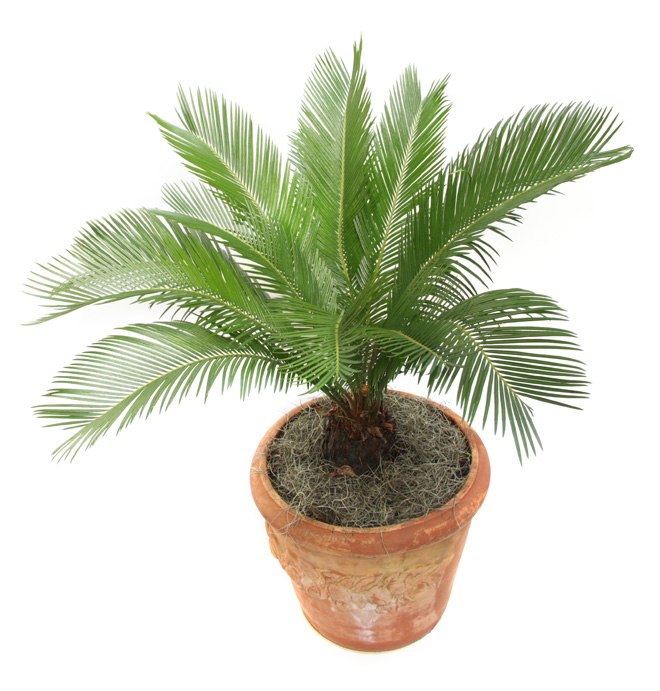
Sago Palm
Cycas revoluta
Toxicity class: Major Toxicity
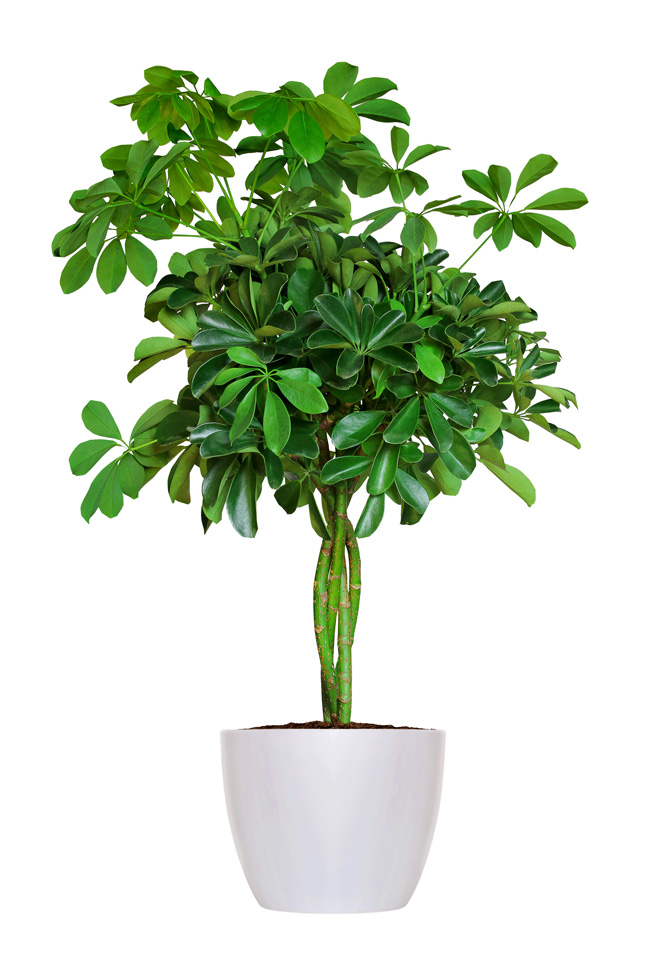
Schefflera
Schefflera actinophylla
Toxicity class: Minor Toxicity, Dermatitis
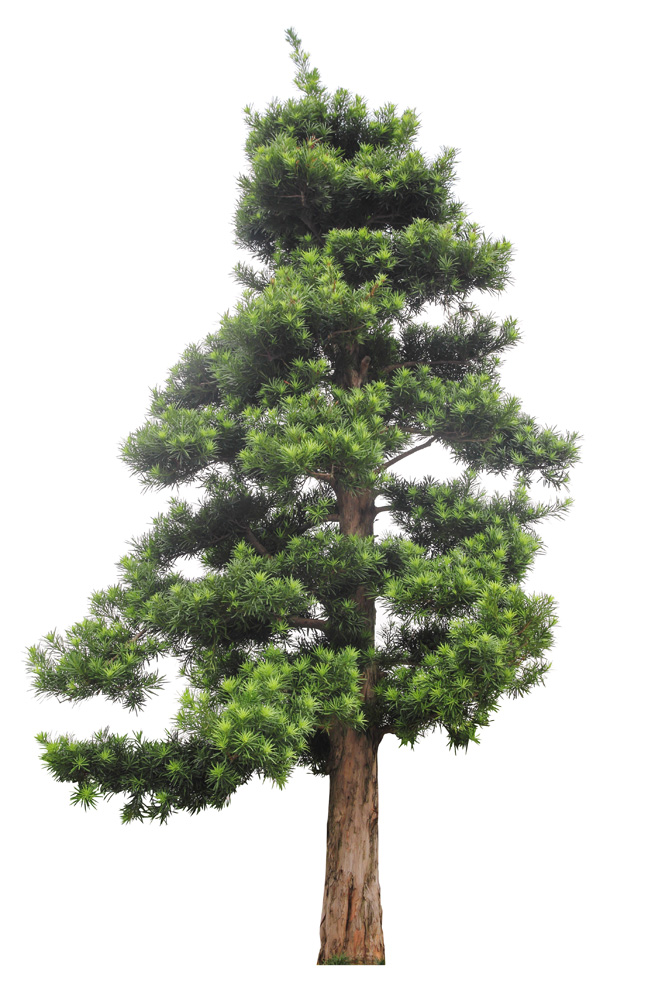
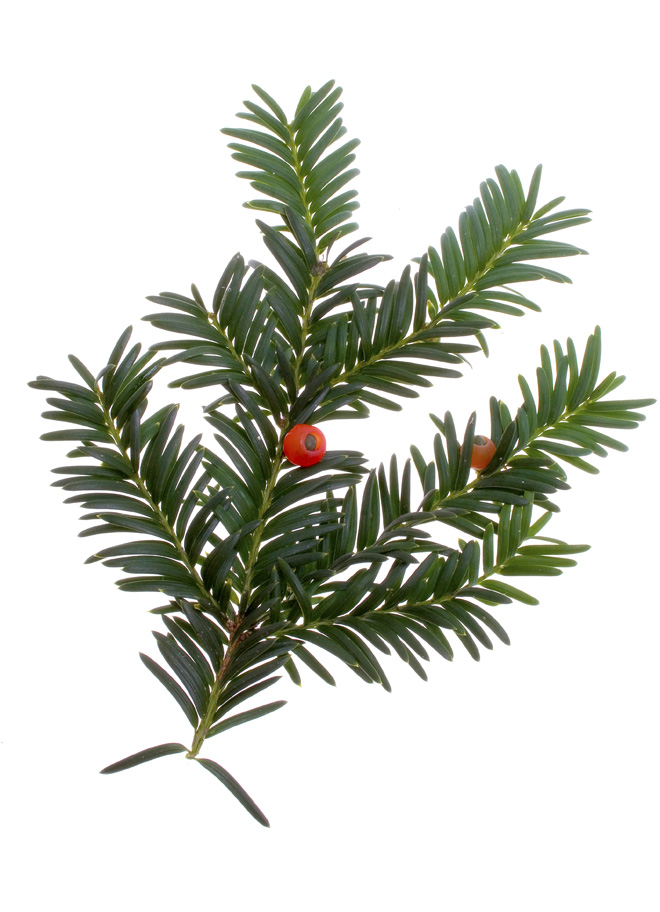
Yew
Taxus spp.
Toxicity class: Major Toxicity
Conclusion
Keep toxic plants out of your pet’s reach or use fencing to keep pets away. This is not a complete list of plants that can be potentially harmful to your pets. For more information on plants that could be harmful to pets, check out toxic and non-toxic plants from the ASPCA or poisonous plants for dogs and cats from the Veterinary Partner website.
If you suspect a poison-related emergency, contact your local veterinarian or the ASPCA Animal Poison Control Center at 888-426-4435.