UGA College of Agricultural & Environmental Sciences Field Report
  • Stories
    Almanac

    Science in service of humanity and the environment

    Read our annual magazine here

    READ


    Dive into engaging stories that showcase our statewide, national and global impact.

    Check out our written stories here

    LOOK


    Browse curated photo galleries capturing the people, places and programs that bring CAES to life.

    Check out our photo galleries here

    WATCH


    Experience our stories through videos that highlight our people, projects and passions in action.

    Check out our video library here

    LISTEN


    Tune in to “Cultivating Curiosity,” our podcast featuring in-depth conversations with CAES experts.

    Check out our podcast here
  • Expert Resources

    Expert Resources


    From farms and gardens to families and finances, our expert resources empower Georgians with trustworthy, practical science.

    Gardening
    Invasive species
    Food and food safety
    Ants, termites and other pests
    Pollinators
    Livestock
    Emergency preparedness
    Home safety and maintenance
    Health, family and finances
    Nutrition
    Water quality
    Lawn maintenance and landscaping
    Turfgrass
    View all topics

    What is an Expert Resource?


    We publish unbiased, research-backed expert advice to empower Georgians with practical, trustworthy information they can trust.

    These resources are written and reviewed by experts in the UGA College of Agricultural and Environmental Sciences and the UGA College of Family and Consumer Sciences.

    Learn how we produce science you can trust
  • Events
  • Contact
  • Read
  • Look
  • Watch
  • Listen
Subscribe
  • LinkedIn
  • Facebook
  • Instagram
  • Stories
    Almanac

    Science in service of humanity and the environment

    Read our annual magazine here

    READ


    Dive into engaging stories that showcase our statewide, national and global impact.

    Check out our written stories here

    LOOK


    Browse curated photo galleries capturing the people, places and programs that bring CAES to life.

    Check out our photo galleries here

    WATCH


    Experience our stories through videos that highlight our people, projects and passions in action.

    Check out our video library here

    LISTEN


    Tune in to “Cultivating Curiosity,” our podcast featuring in-depth conversations with CAES experts.

    Check out our podcast here
  • Expert Resources

    Expert Resources


    From farms and gardens to families and finances, our expert resources empower Georgians with trustworthy, practical science.

    Gardening
    Invasive species
    Food and food safety
    Ants, termites and other pests
    Pollinators
    Livestock
    Emergency preparedness
    Home safety and maintenance
    Health, family and finances
    Nutrition
    Water quality
    Lawn maintenance and landscaping
    Turfgrass
    View all topics

    What is an Expert Resource?


    We publish unbiased, research-backed expert advice to empower Georgians with practical, trustworthy information they can trust.

    These resources are written and reviewed by experts in the UGA College of Agricultural and Environmental Sciences and the UGA College of Family and Consumer Sciences.

    Learn how we produce science you can trust
  • Events
  • Contact
  • Read
  • Look
  • Watch
  • Listen
Subscribe
  • LinkedIn
  • Facebook
  • Instagram
Subscribe
  • LinkedIn
  • Facebook
  • Instagram
  1. Home
  2. Expert Resources
  3. Topics
  4. Health and Family
  5. Safety

Safety Resources

Use the Advanced Search
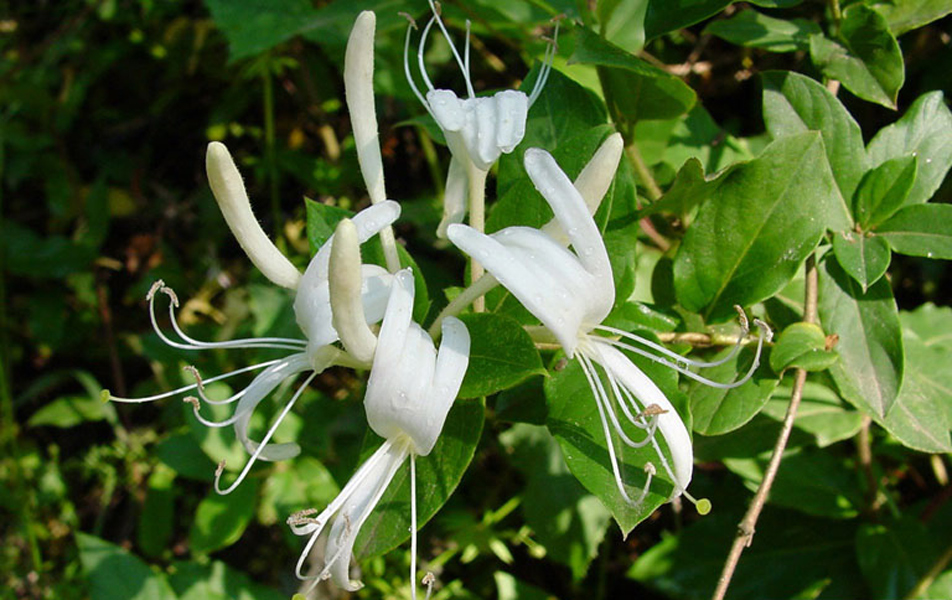
  • Japanese honeysuckle flowers against green foliage

    C 957

    Poisonous Plants in the Landscape

    While most of us are familiar with common poisonous plants that cause skin irritations, such as poison ivy or poison oak, we often don’t recognize common ornamental plants in the landscape that may cause internal poisoning when ingested. Although most adults would not intentionally eat the leaves or fruit of such plants, young children or pets sometimes do. This resource provides readers with information on some of the common landscape plants known to have poisonous properties when ingested. You may be surprised to learn just how many of our common plants, such as azaleas, hydrangeas, boxwood, and English ivy, are known to have poisonous properties.

    Bob Westerfield

    |

    March 11, 2026
  • an orange chainsaw sits idle on a cut stump

    B 1364

    Chainsaw Safety Tips

    This publication discusses tips for purchasing the correct chainsaw for your needs and how to use it safely.

    Glen C. Rains

    |

    Jan. 5, 2026
  • Agricultural Safety: Preventing Injuries

    B 1255

    Agricultural Safety: Preventing Injuries

    Most farm injuries and fatalities are preventable when you adhere to safe operating practices. The following are general guidelines for improved safety on the farm.

    Glen C. Rains

    |

    Jan. 5, 2026
  • C 1047-2-SP

    Hogares Saludables: Cómo Eliminar el Moho en su Hugar

    El moho crece a partir de las esporas, que se encuentran naturalmente en el aire y no se pueden ver a simple vista. Las esporas de moho actúan como semillas, haciendo que el moho crezca si las condiciones son adecuadas. El moho suele ser fácil de detectar. Aunque es posible utilizar pruebas para determinar la presencia de moho, por lo general no es necesario o recomendado hacerlo, usted puede detectar el moho rápidamente usando su vista y olfato.

    Tenga en cuenta que las primeras señales de moho pueden ser el desarrollo de síntomas similares a los de una alergia. Si detecta un exceso de humedad o un olor a humedad, pero no ve moho, asegúrese de revisar detrás de los gabinetes y el papel tapiz, y debajo de las alfombras. Estos son escondites comunes para el moho. Realice una inspección completa de su hogar utilizando la Lista de Verificación de Humedad y Moho de UGA.

    La clave para controlar el moho es eliminar la fuente del problema de la humedad.

    (Translation provided by Ines Beltran)

    Pamela R. Turner

    |

    Jan. 5, 2026
  • a family puts toys and clothes they don't need into boxes for donation

    C 1067

    Household Clutter Control

    Clutter is a collection of things lying around in an untidy mess, usually because we don’t have a designated place for it. Household clutter has a big impact on your health and quality of life. This publication will help you asses if you have too much household clutter and then recommends ways to take charge, clear the clutter, and maintain a clutter-free home.

    Pamela R. Turner, Charles Okpala, Von Baker, Laura T. Smith, Sylvia Davis, Olivia Handley, Michelle Quick, Janette Burkes, Kimberly Howell, and Diane W Bales

    |

    Dec. 5, 2025
  • C 1065

    Radon Mitigation Dos and Don’ts

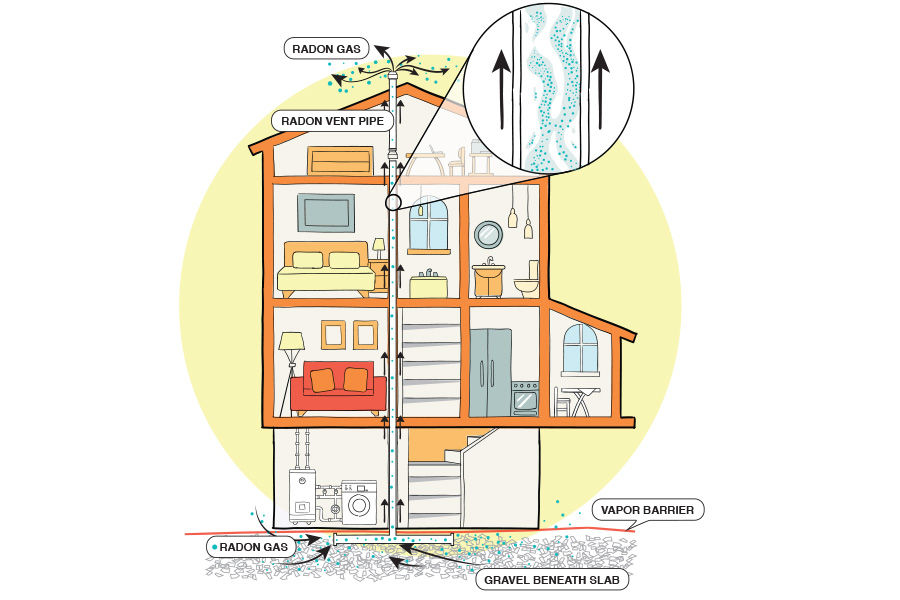
    Radon is the second leading cause of lung cancer in the United States. A radon reduction system (radon mitigation) reduces high levels of indoor radon to acceptable levels. The system most frequently used is a vent pipe system and fan, which pulls radon from beneath the house and vents it to the outside. This publication educated homeowners on what they should do before, during and after a radon mitigation and what they should expect from a radon mitigator.

    Uttam K. Saha and Rebecca Cantrell

    |

    Nov. 25, 2025
  • C 1301

    Building Radon Safe: How Radon-Resistant New Construction Can Make Homes Safer and Save Money

    The benefits of building a radon-resistant home are that it reduces a family’s risk of lung cancer; it’s easier and less costly to include features during construction; features are incorporated into the home design and improve aesthetics compared to installing a radon mitigation system after construction; it will improve the indoor air quality and reduce moisture levels; a passive system is easy to activate if needed; and it may add to the resale value of your home.

    Uttam K. Saha and Rebecca Cantrell

    |

    Nov. 25, 2025
  • C 1296

    Safe at Home: Preventing Lung Cancer by Reducing Radon in the Home

    Radon may be found in one out of every 15 homes and is the second leading cause of lung cancer in the United States. This gas can enter your home through cracks and holes in the foundation, or even underground well water. This publication provides information on radon-induced lung cancer and ways to reduce elevated radon inside your home. For more information on radon, visit ugaradon.edu.

    Uttam K. Saha and Rebecca Cantrell

    |

    Nov. 25, 2025
  • C 1049

    Childproofing Your Home: A Room-by-Room Safety Checklist

    Nearly 2.3 million children are accidentally injured every year and more than 2,500 are killed, according to the U.S. Centers for Disease Control and Prevention. Since one of the biggest threats to children is an injury occurring at home, it is important to take preventative steps to childproof your home. While this may seem like a daunting task at first, this checklist includes basic tips, broken down by room, to help make your home safer for the whole family.

    Pamela R. Turner, Teresa Adkins, Janette Burkes, Brittany Harrison, Victoria Presnal, Michelle Quick, Laura T. Smith, and Diane W Bales

    |

    Oct. 10, 2025
1 2 3
Next Page

About CAES

CAES Home

Overview

History

Administration

Jobs

Personnel Directory

Privacy Policy

Accessibility Policy

AI Guidelines

Affiliations

UGA Cooperative Extension

Tifton Campus

Griffin Campus

University of Georgia
  • Schools and Colleges
  • Directory
  • MyUGA
  • Employment Opportunities
  • Copyright and Trademarks
  • UGA Privacy Policy
  • Submit a Student Complaint
#UGA on
© University of Georgia, Athens, GA 30602
706‑542‑3000