Safety Resources
-
Radon may be found in one out of every 15 homes and is the second leading cause of lung cancer in the United States. This gas can enter your home through cracks and holes in the foundation, or even underground well water. This publication provides information on radon-induced lung cancer and ways to reduce elevated radon inside your home. For more information on radon, visit ugaradon.edu.
|
-
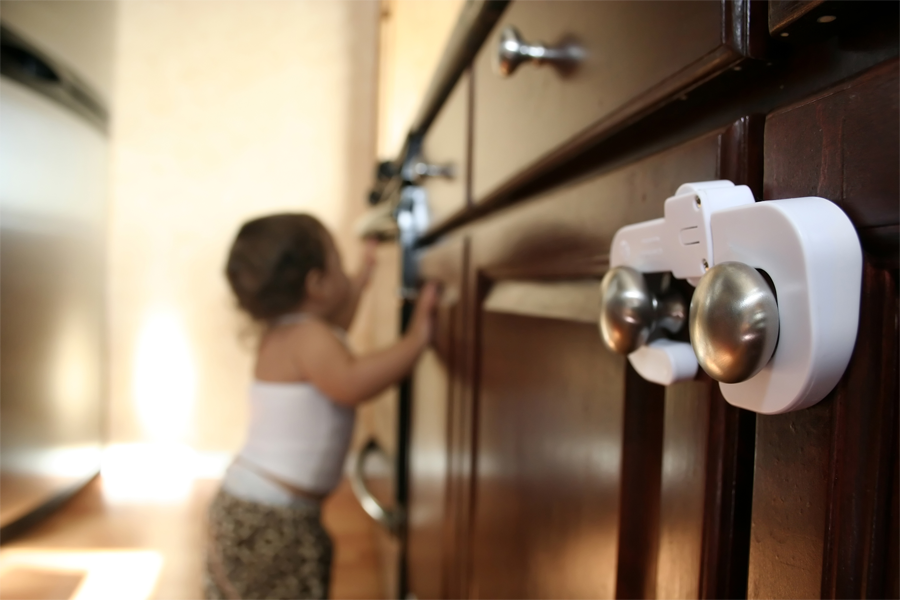
Nearly 2.3 million children are accidentally injured every year and more than 2,500 are killed, according to the U.S. Centers for Disease Control and Prevention. Since one of the biggest threats to children is an injury occurring at home, it is important to take preventative steps to childproof your home. While this may seem like a daunting task at first, this checklist includes basic tips, broken down by room, to help make your home safer for the whole family.
|
-

B 1429
Home Safety Checklist
There are many potential hazards in your home, and falls are the leading cause of injury and injury death for people 65 and older. Reduce the risk of falling by conducting a simple home assessment using the checklists below. The goal is for there to be no marks in the “no” column of the checklist.
|
-

Our homes are filled with potentially hazardous household products we use for cleaning, gardening, auto maintenance and other activities around the house. These products may contain ingredients that can be hazardous when not used, stored, and disposed of properly. You can make your home safer and healthier by reducing exposure to hazards in your home by following these tips.
|
-
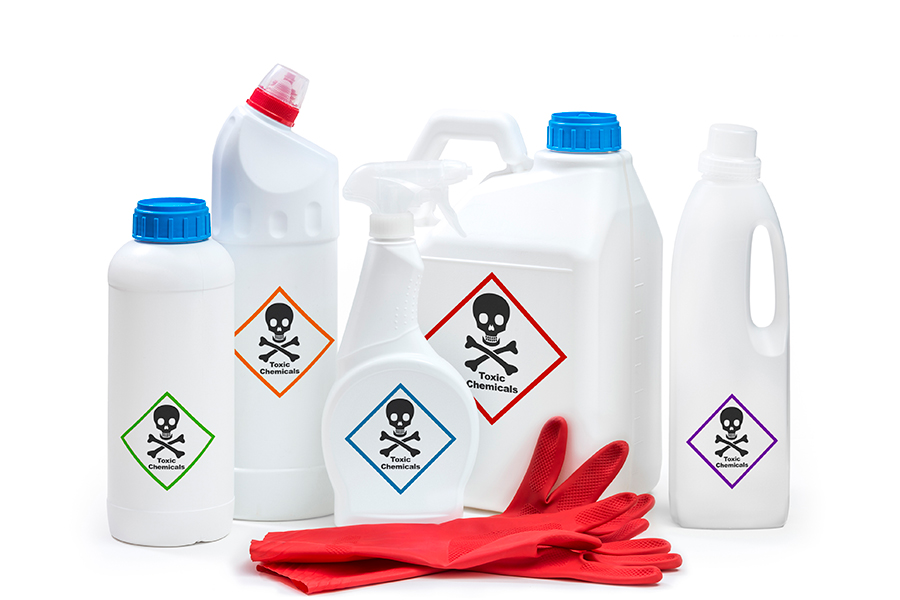
Poison look-alike products are potentially harmful substances that can easily be mistaken for safe ones, usually because they look the same or have very similar packaging. This resource provides information on what to look for and how to avoid poisonings among children, adults, and pets.
|
-
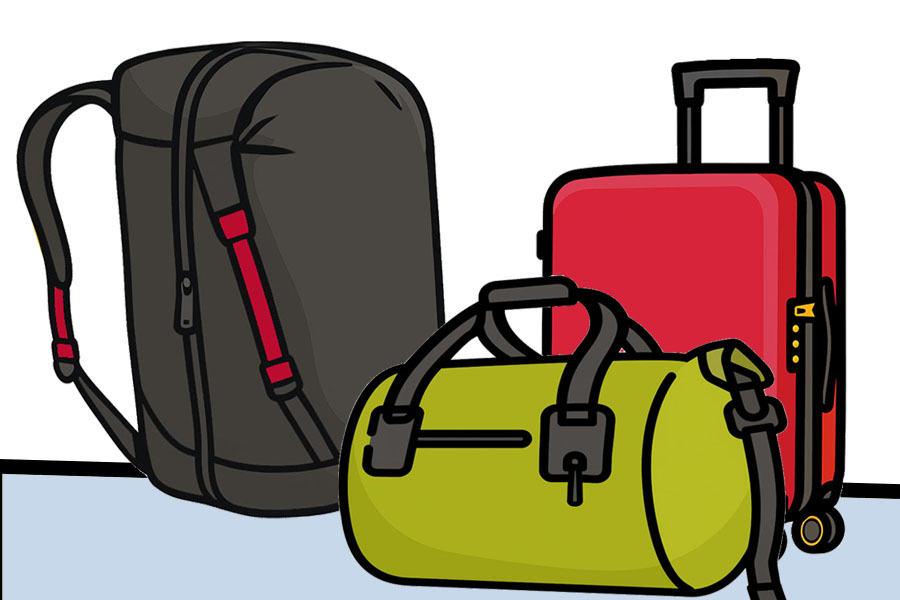
This guide helps Georgia residents at risk of flooding to collect and organize essential items into three bags to prepare your household for water-related disasters like hurricanes.
|
-
If your home is affected by a flood or other water-related disaster, fabric and clothing can become contaminated by floodwater, airborne mildew, or sanitation system failure. This guide provides steps to safely clean salvageable clothing and fabric items in order to save money, reduce waste, and keep people safe.
|
-

Communities across Georgia are subject to a number of potential disasters such as fires, flooding, severe storms, earthquakes, dam failures, tornados and hurricanes. While we all hope that such occurrences never happen, it has been shown time and again that being prepared for disasters is prudent. This handbook contains a step-by-step guide to disaster planning along with other essential information you will need in building a comprehensive home emergency preparedness plan. Be sure to involve all the members of your household when developing your plan. A plan will only work when everyone knows about it and agrees to operate within its guidelines.
|
-
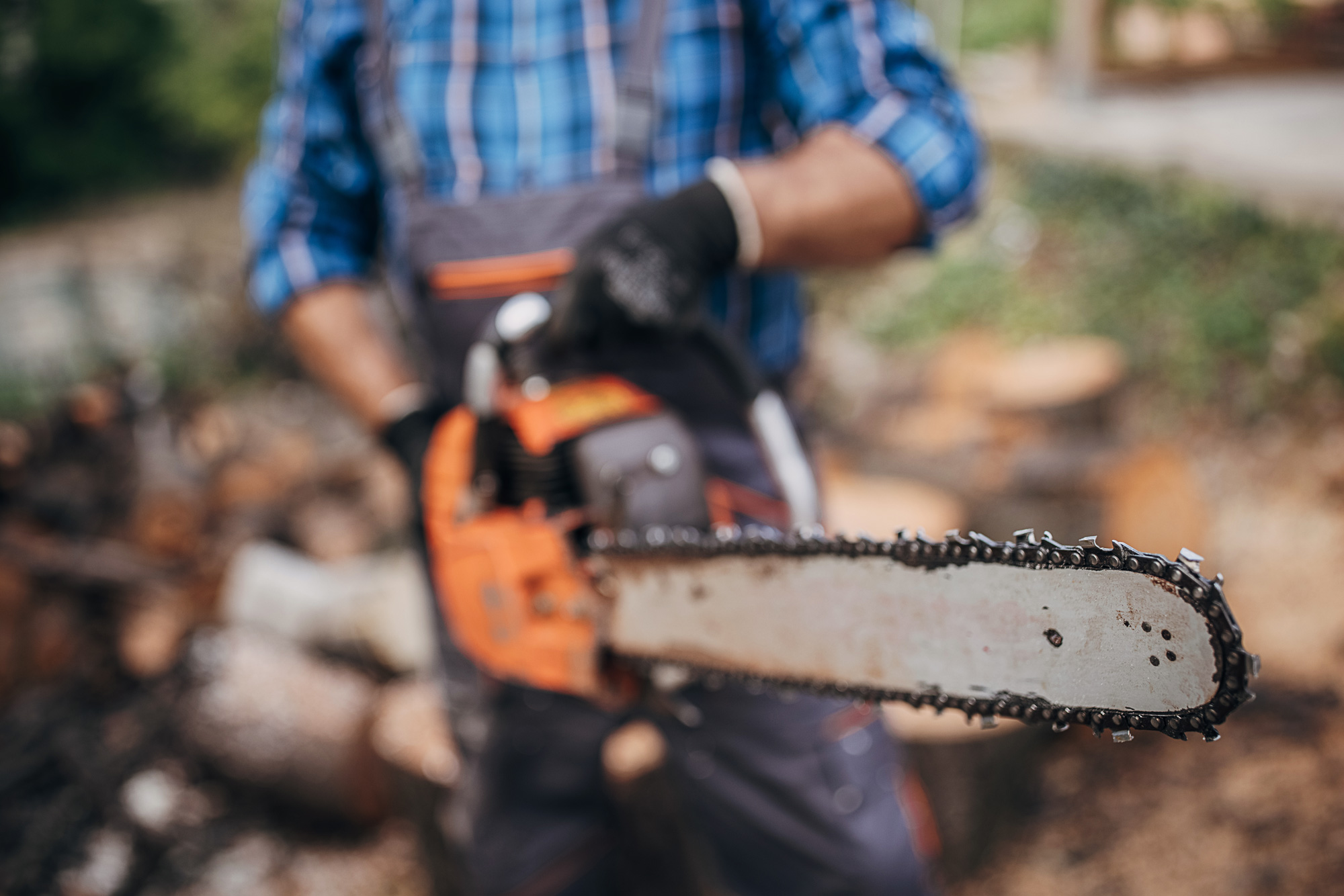
Many people help with tree cleanup after storms pass through. Some are citizen volunteers, and others are private and public sector workers who may or may not have experience with chainsaws. This presentation covers the information every chainsaw operator needs to know before turning on the saw. Topics include personal protective equipment, the five essential safety features of a chainsaw, safe carry, safe start, insect pests, site inspection, and electrical/electrocution hazards.
|