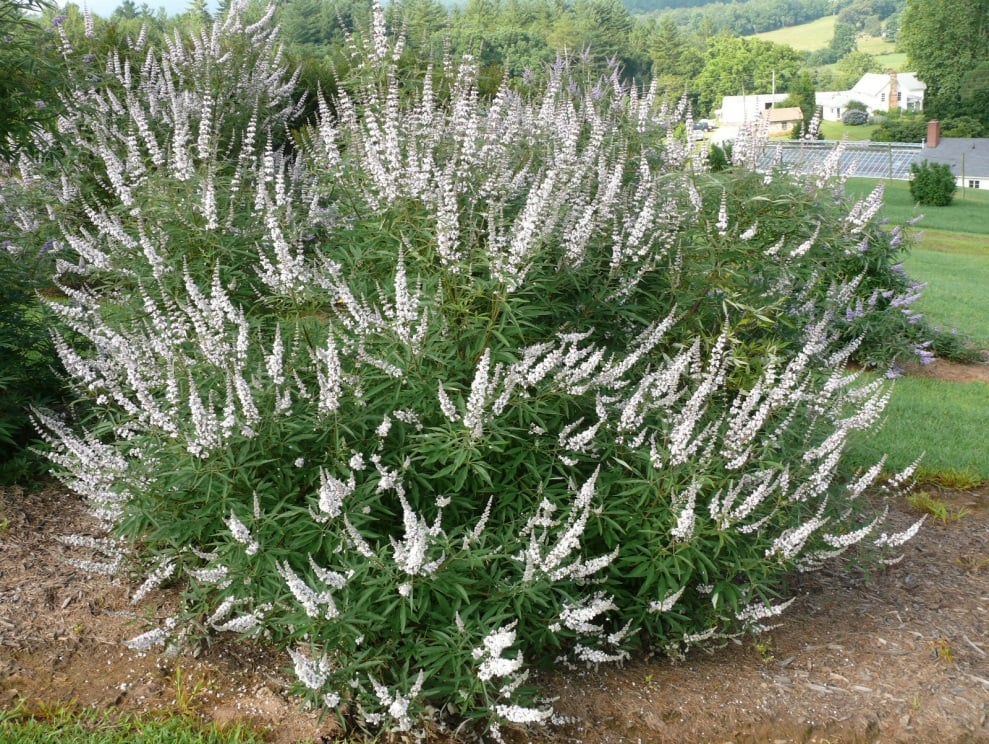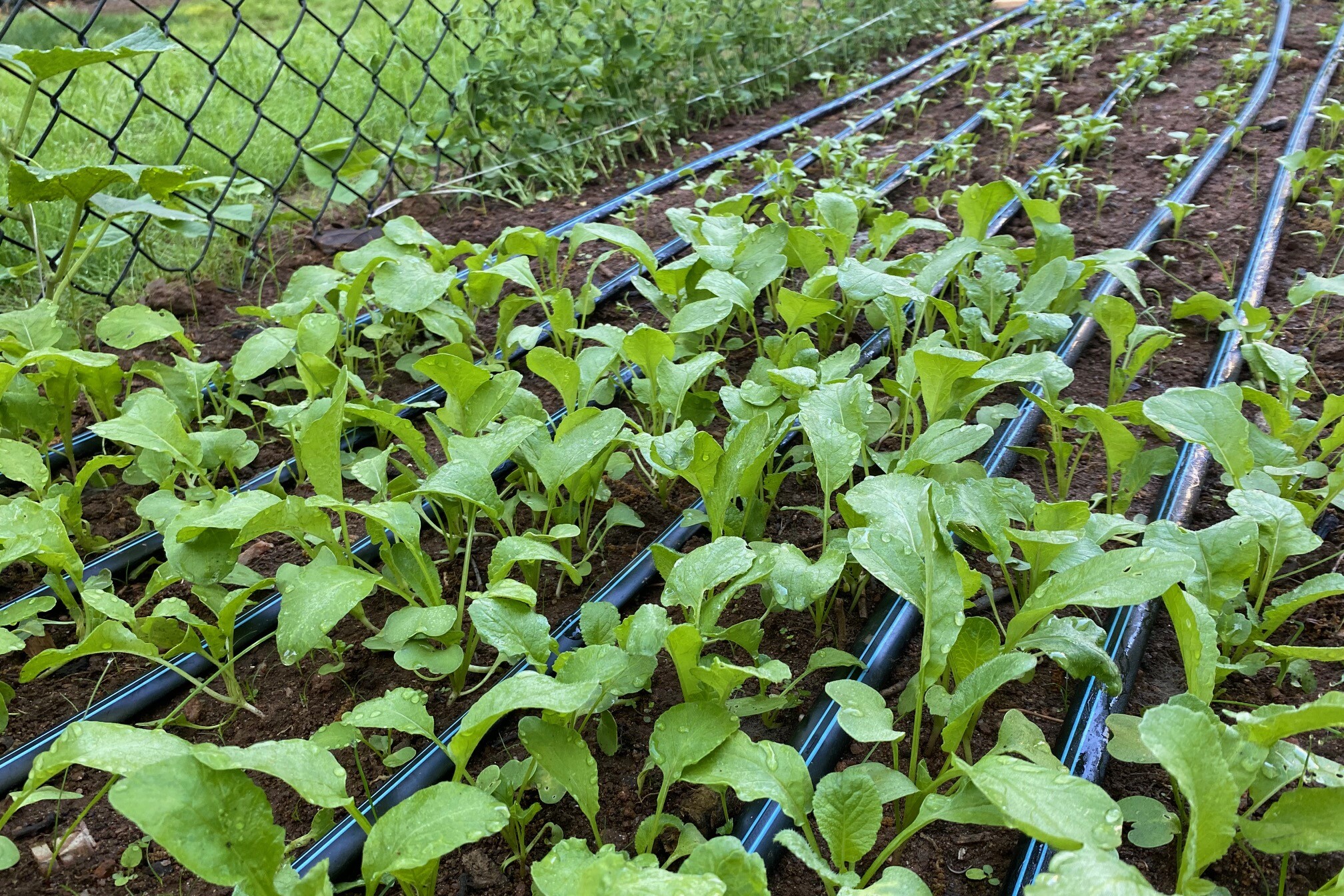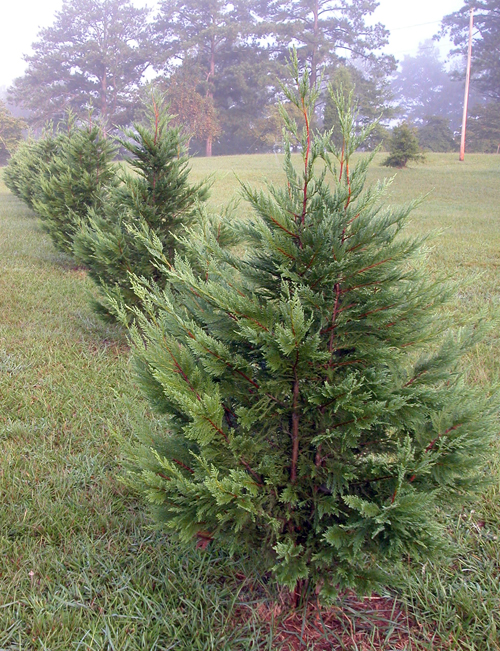

A waterSmart landscape is more than just water-efficient. It’s a landscape that has been carefully designed, properly installed and managed to reduce pollution, improve conservation and strive for year-round beauty.
Enhancing waterSmart features in a landscape doesn’t have to involve great effort or expense. Simply changing watering or fertilizing habits, adding mulch or relocating a plant to a more suitable location can make a landscape more waterSmart.
Over-watering may cause root rot and weaken a plant, making it more prone to insects and diseases. Ironically, plants are often over-irrigated during periods of limited rainfall.
Over-watering not only wastes water, it also increases the likelihood that fertilizers and other chemicals will run off into storm drains and make their way back to our streams, rivers and lakes.
Do your part and be waterSmart by following these simple guidelines for outdoor water conservation.
Begin with a waterSmart Design
A waterSmart landscape is designed to be functional and water-efficient. Existing vegetation that is well-established, desirable and non-invasive should be preserved and incorporated into the design since it generally does not require supplemental irrigation.
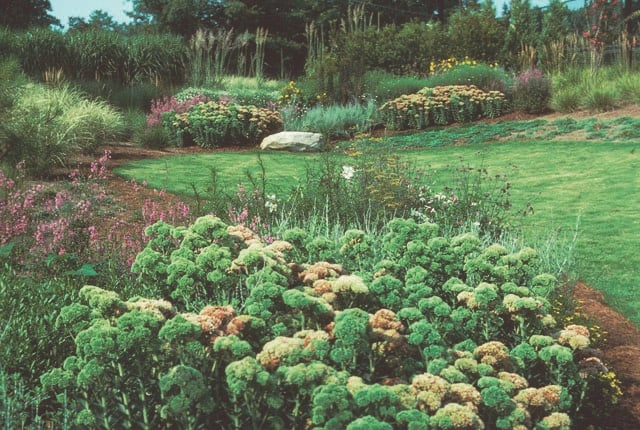
Group plants by their water-use: high, moderate or low. Generally, highly visible areas get the most water, while less visible areas get little or no supplemental water.
High water-use areas — Small, highly visible areas (such as home entrances) where plants are watered regularly to maintain optimum growth and quality.
Moderate water-use areas — Areas where plants are watered during establishment and when they show signs of moisture stress (pale green foliage, wilting or leaf scorching).
Low water-use areas — Areas where plants are watered only by natural rainfall after establishment.
Ideally, at least 60% of a waterSmart landscape includes low water-use areas. No more than 10% includes high water-use areas and no more than 30% includes moderate water-use areas.
Examine the Soil, Sunlight and Slope
An individual landscape may have many soil types. Evaluate the soil for:
- structure and texture
- drainage
- fertility and liming requirements
To determine soil fertility, take a sample to your local county Extension office for testing on an annual basis. The results will determine if the soil needs lime and what kind of fertilizer will provide the best plant growth.
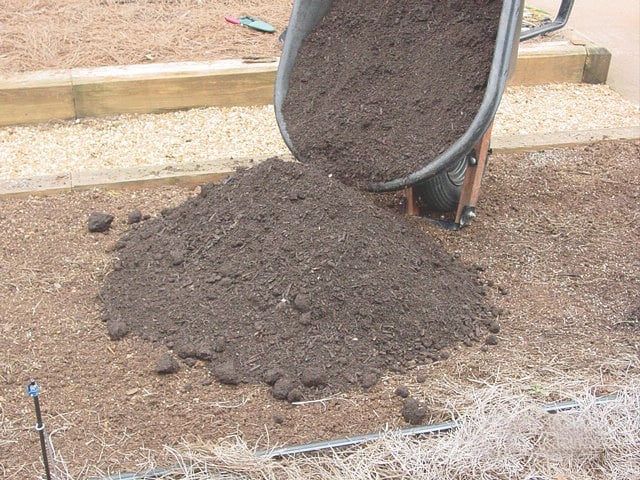
Most soils benefit from soil amendments, such as compost, which improve:
- soil structure and texture, making it easier for roots to grow.
- water- and nutrient-holding capacity.
- fertility requirements.
Note how much sunlight each part of the landscape receives each day.
- Some plants do better in full sun while others need more shade.
- Plants in shady locations generally need less water than those in the sun.
During landscape construction:
- slope beds away from buildings to prevent water retention and damage to structures.
- introduce gentle swales to infiltrate runoff and retain moisture.
- install plants requiring less water at higher elevations and plants that need more water at lower elevations where the site drains naturally.
Keep Irrigated Turfgrass Areas Small
Turfgrass usually occupies the largest area of a landscape and receives the highest amount of supplemental irrigation. To save water, keep irrigated turfgrass areas small.
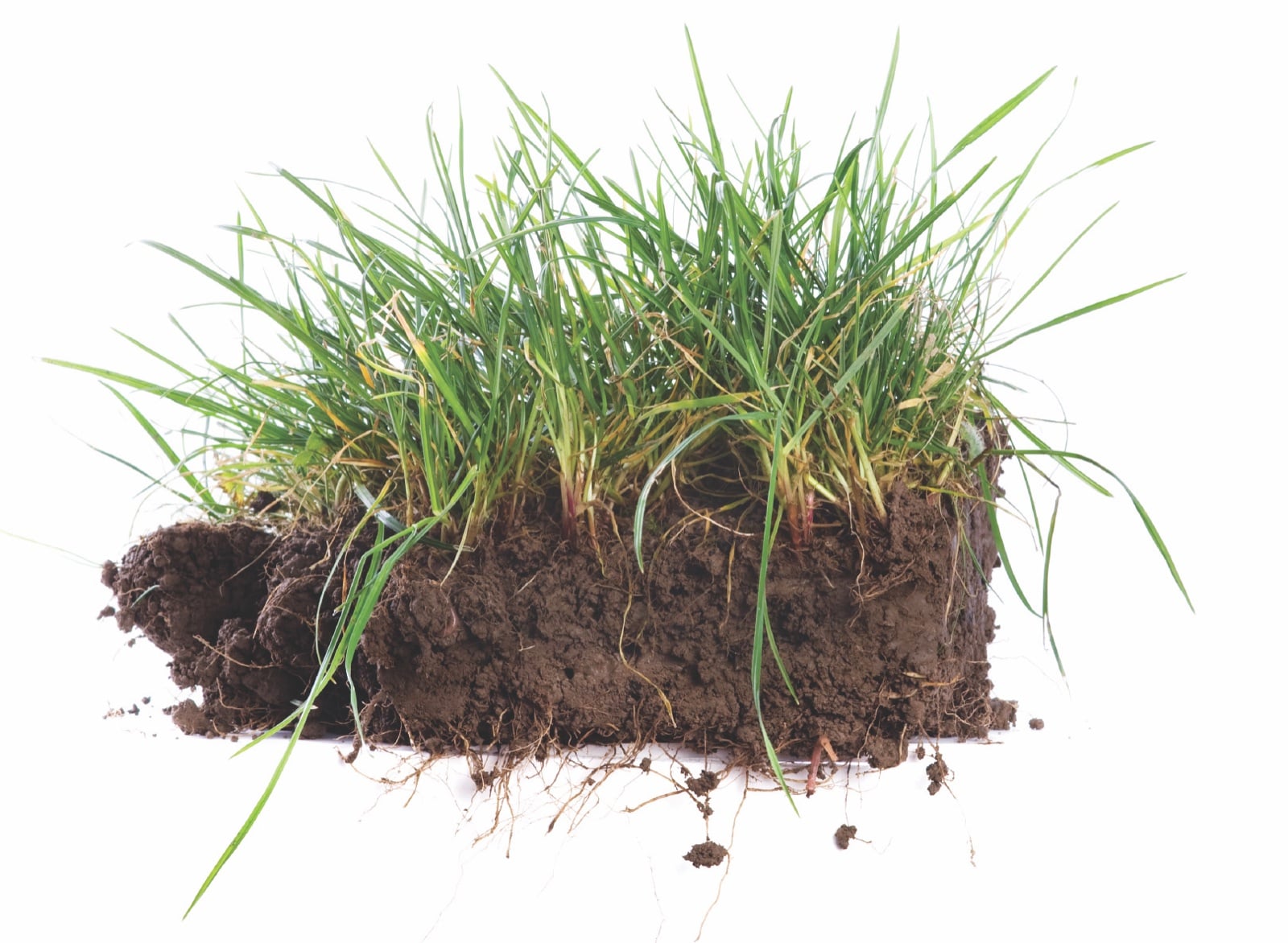
There are many different types of turfgrasses, and they vary greatly in their ability to withstand periods of limited rainfall and drought. Bermudagrass, for instance, can survive long periods without water if it is installed and managed properly. For a list of recommended turfgrasses and management guidelines, contact your local Extension agent.
Put the Right Plant in the Right Place
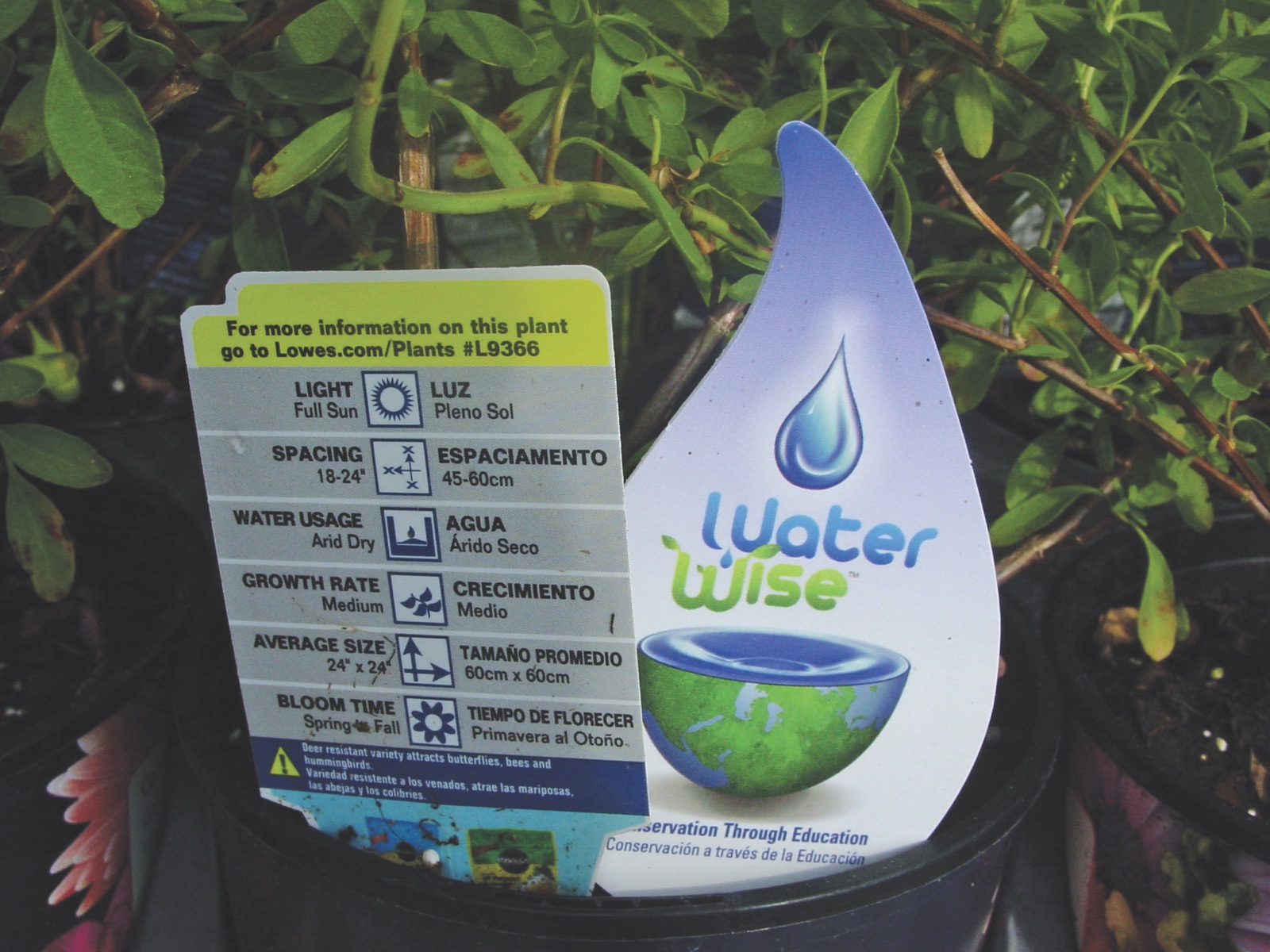
When selecting plants, consider:
- sun exposure
- light intensity
- typical wind conditions
- average summer and winter temperatures
- drainage patterns
Regardless of whether a plant is native to the area, if it is adapted to the soil and climatic conditions, it will have a better survival rate. Contact your local county Extension agent for information on landscape plants for Georgia.
Remember, plants don’t save water… waterSmart people do!
When Irrigating, Make Every Drop Count!
Landscape and irrigation designs should complement one another. Consider using low-volume irrigation, such as drips or micro-sprinklers, to water ornamental trees, shrubs and flowers. Low-volume irrigation uses 30% to 50% less water than sprinkler irrigation, and reduces evaporation. Watering in the early morning can also reduce evaporation losses and disease pressure because the foliage will not be wet for an extended period.
Mulch, Mulch, Mulch
Mulches:
- help retain water and minimize evaporation.
- help prevent weeds that compete with plants for moisture.
- add organic matter and encourage beneficial microorganisms.
- moderate soil temperatures.
- reduce erosion.
- lessen the spread of soil-borne plant diseases.
The best mulches are organic and fine-textured, such as pine straw, shredded hardwood mulch and pinebark mini-nuggets. For the best water conservation, maintain a mulch layer 3 to 5 inches deep under ornamental plants.
Start Grasscycling
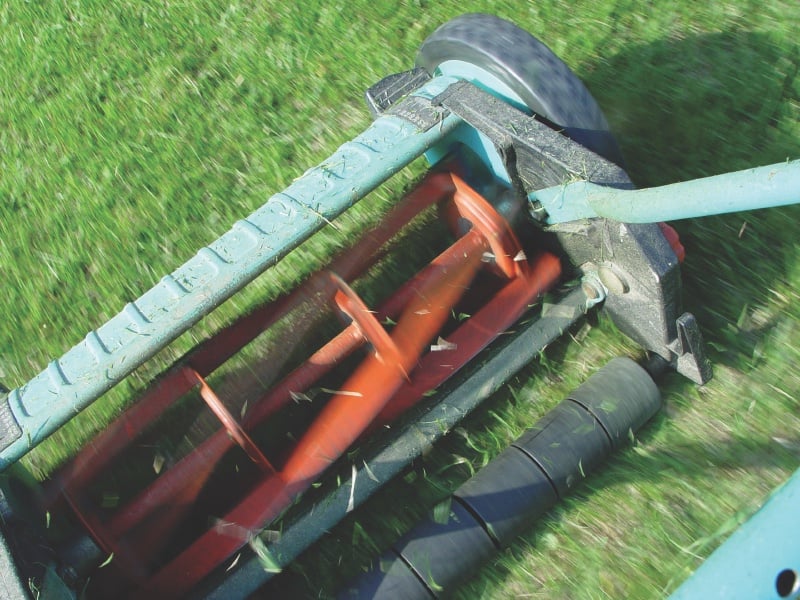
Lawnmower clippings provide a natural mulch at the soil surface and hold moisture in the soil. Research has shown that as much as 30% of the nitrogen applied as fertilizer is recycled when clippings are added back to the grass. The key to effective “grasscycling” is mowing often enough so the clippings remain small and break down into organic matter quickly.
Maintain the Water Conservation Ethic
A low-maintenance, waterSmart landscape requires:
- less water
- less fertilizer
- less routine pruning
- fewer pesticides
Watering, fertilizing and pruning encourage new growth that needs additional irrigation and wilts easily when rainfall is limited. Applying less fertilizer and fertilizing less frequently also reduces the chance of nutrient runoff into rivers, lakes and streams.
For additional information on saving water in the landscape, see www.conservewatergeorgia.net or call your local county Cooperative Extension office
at 1-800-ASK-UGA1.