-
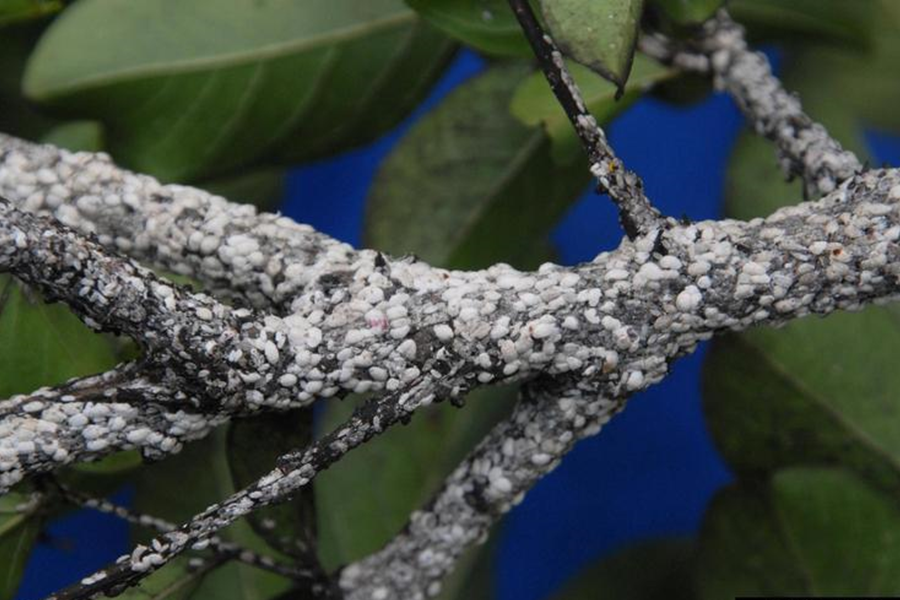 The crape myrtle bark scale (CMBS) is an emerging threat to crape myrtle (Lagerstroemia spp.) in Georgia. As the name indicates, this scale pest attacks the bark of crape myrtle, the only known scale insect that infests crape myrtle bark. A native of Asia, CMBS was first confirmed in Dallas,…
|
-
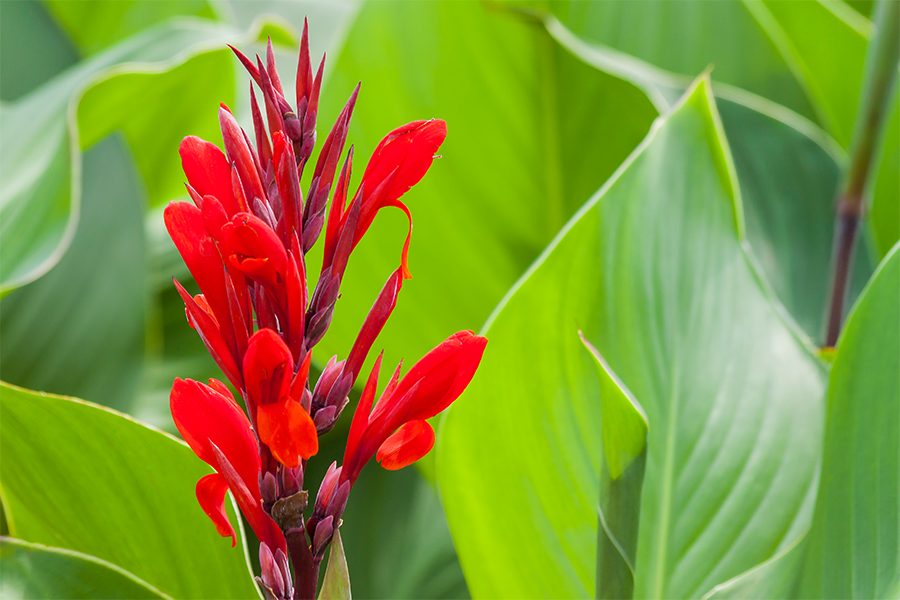
An introduction to the larger canna leafroller, plus information on biology and management.
|
-
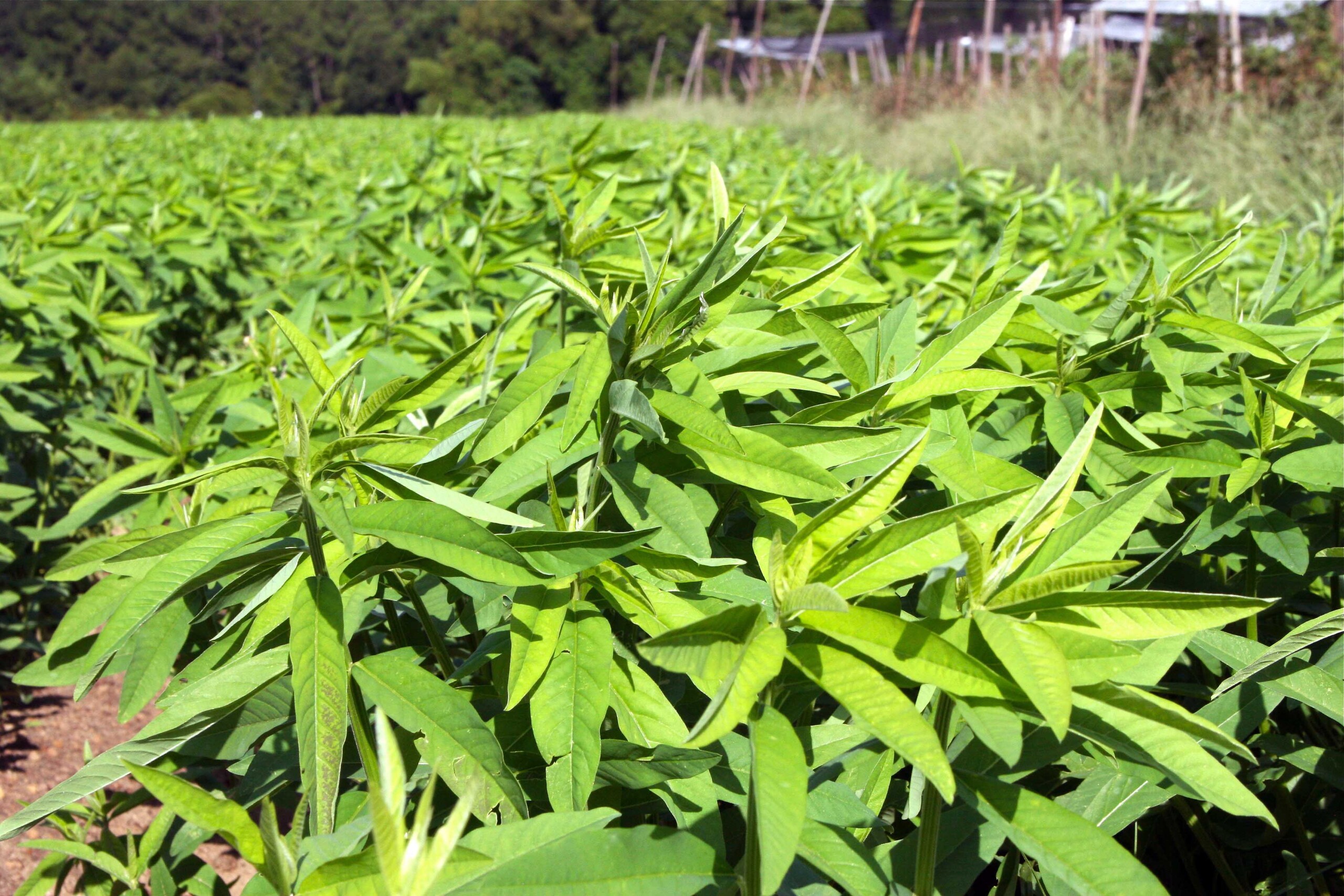
This publication is an introduction to growing industrial hemp for fiber production in Georgia. While not exhaustive, it outlines some of the major production challenges in growing this crop in the Southeastern U.S.
|
-

Built-financial capital refers to the constructed environment (or infrastructure) and economic resources needed to support community activities and sustain successful community development. Considering the infrastructure as well as the financial resources within a community may provide an important perspective regarding needs as well as opportunities.
|
-
 Cultural capital refers to the resources that make up a community’s tangible and intangible creative assets. Tangible assets can include historical buildings, sites, and other structures, as well as local art, sculptures, and crafts. Intangible assets include community traditions, customs, values, practices, music, and literature, which contribute to a community’s…
|
-
 People represent one of the most important local assets available to a community. While a collection of individuals is needed to start and maintain a community, growth and prosperity largely depend on the talents these individuals possess and the contributions they make to ensure that the community thrives. The education,…
|
-

Political capital can increase communities’ productive capacity by helping them and their residents achieve specific goals that would be unattainable without it. Political capital refers to the power and influence of communities and groups that are organized around strong relationships and associations.
|
-
 Natural capital refers to a community’s environmental resources, such as air, water, land, forests, vegetation, minerals, fossil fuels, local animal populations, and all other natural resources. These resources can be considered capital assets because of the potential goods and services derived from them, such as food, drinking water, timber, and…
|