-
 Social capital refers to resources resulting from relationships and networks within a community. These resources include the established expectations and practices (or norms) that shape the behavior of community or group members, known penalties for disregarding these norms, higher levels of trust, and the give-and-take transactions necessary for cooperation. These…
|
-
 The majority of agricultural irrigation systems in Georgia fit into one of two broad categories: sprinkler irrigation and micro-irrigation. Sprinkler irrigation systems include center pivot, linear move, traveling gun, permanent set and solid set. Micro-irrigation systems include drip (or trickle) irrigation and micro-sprinklers. No one system is best for every application.…
|
-
 This report provides research and extension results for trials conducted by the University of Georgia Vegetable Team and its collaborators in 2021. Contributing authors include county and regional faculty as well as specialists from UGA’s horticulture, plant pathology, crop and soil sciences, and entomology departments. All research has been supported…
|
-
 2019 plant disease losses, including control costs, amounted to an estimated $832 million. The value of the cropsused in this estimate was approximately $6.64 billion, resulting in a 13.3% relative disease loss across all crops included in this summary. The estimated values for most crops used to compute these disease…
|
-
 The Georgia Master Gardener Handbook, 8th Edition, is the official reference text produced by the University of Georgia and developed for Master Gardener training. For more information about the Georgia Master Gardener Extension Volunteer Program, visit www.GAmastergardener.org. This book, published in 2021, is currently available at $95 per copy (including…
|
-
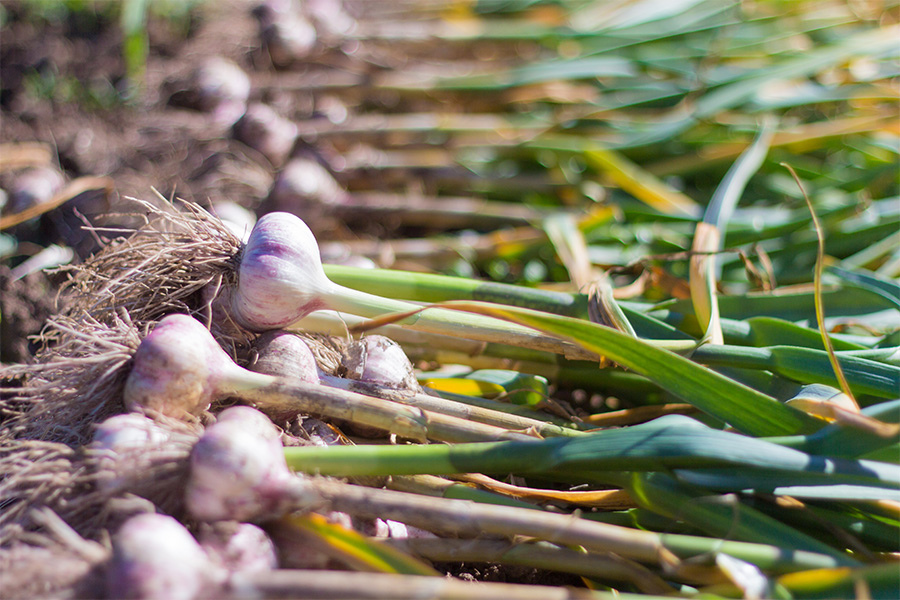
This guide gives gardeners tips to successfully grow garlic.
|
-
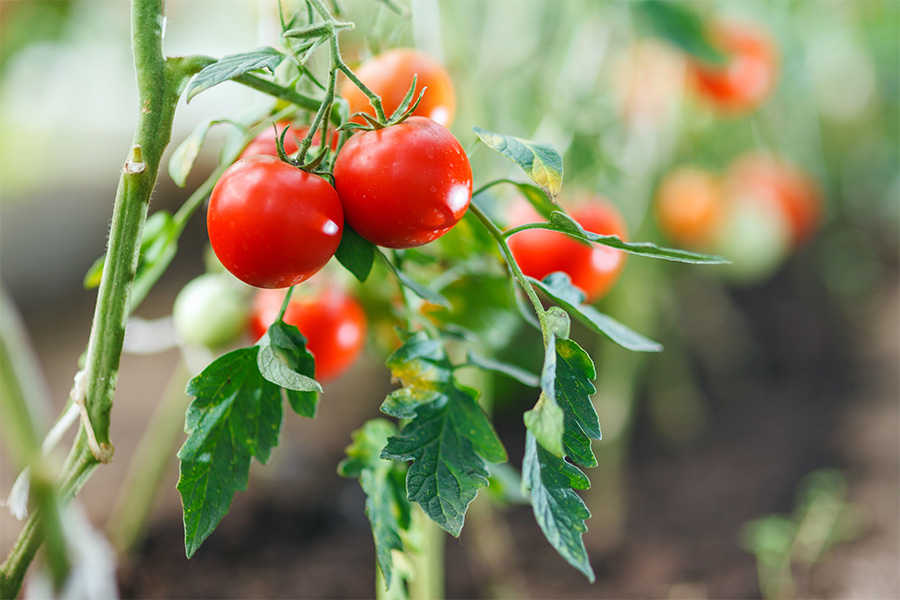
B 1271
Georgia Homegrown Tomatoes
This publication discusses the basics of growing tomatoes successfully, as well as avoiding common problems encountered by the home gardener.
|
-

Georgia growers can reliably produce lettuce in shaded high tunnels to capitalize on summer markets. This publication is an overview of using shading to grow lettuce in a high tunnel during the summer season when it is too hot to grow in the field.
|