-
 Bacteria in your drinking water supply do not necessarily pose a health hazard, but they can be a nuisance. The two most common types of nuisance bacteria are iron (manganese) and sulfur bacteria. Iron bacteria are generally more common than sulfur bacteria because large amounts of iron can be present…
|
-
 With growing demands for water that is suitable for drinking (potable) and expanding irrigated acreage, there is an increased pressure on irrigated farms to consider using nonpotable alternatives. However, low quality irrigation water can adversely affect soil physical conditions and crop production. This resource provides in-depth information on the importance…
|
-

The orange felt (also known as orange cane blotch) disease of blackberry is prevalent in the south. Where ideal environmental conditions occur, this disease may girdle canes or exacerbate other cane diseases, causing subsequent decline and death.
|
-
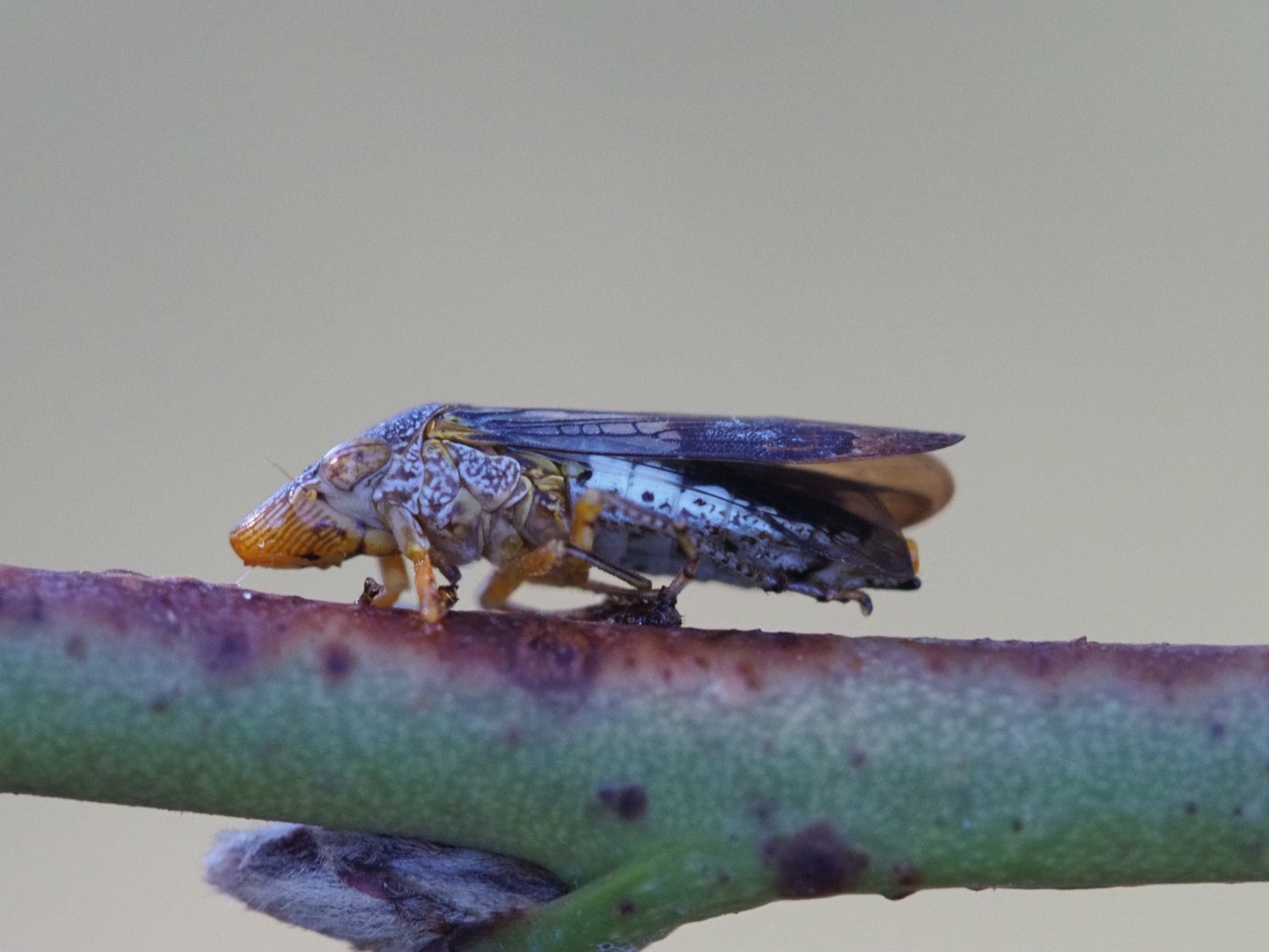
C 1253
Phony Peach Disease
This fact sheet covers phony peach disease: History, symptoms, disease cycle, and management.
|
-
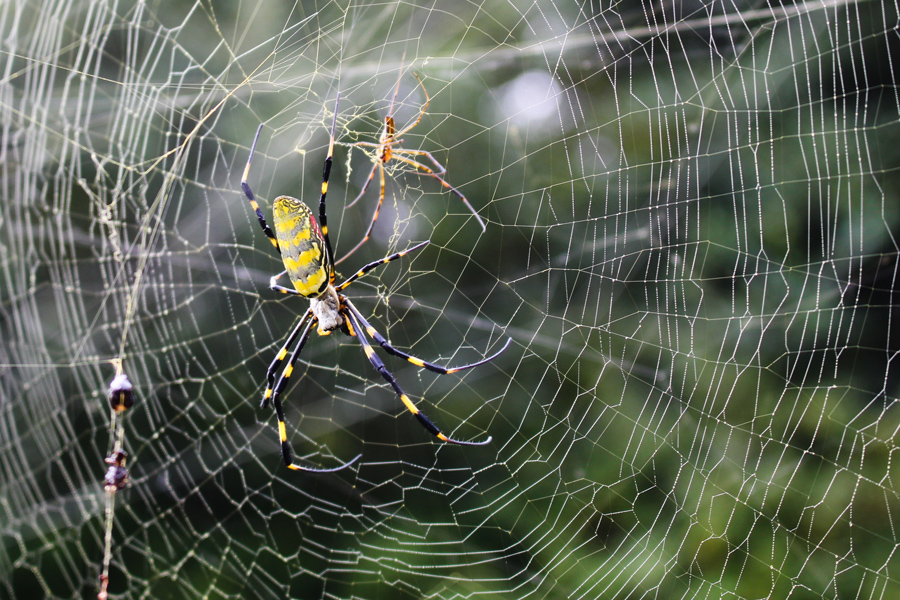 The Joro spider is native to East Asia and was first detected in Georgia in 2014. Adult females become sexually mature in September and early October. The female is bright yellow with broad, horizontal bluish-green bands on the top side of the abdomen, large red markings on the bottom side…
|
-

As part of our series “Maternal Health in Georgia” for UGA Extension Agents, this circular will talk more about the Dietary Guidelines for Americans (2020-2025) and recommendations for weight gain, nutrition and physical activity during pregnancy.
|
-
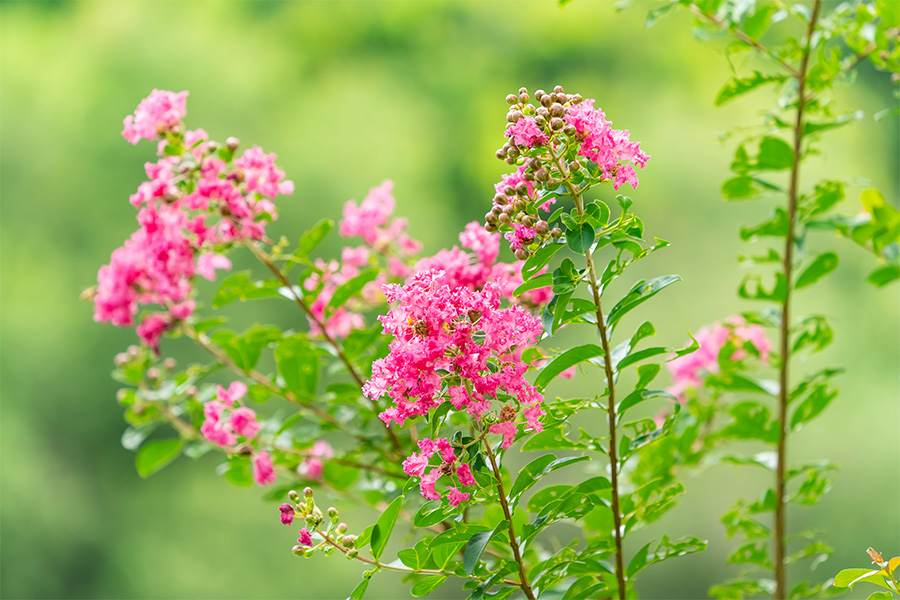
C 944
Crape Myrtle Culture
Crape myrtle is one of the most useful flowering shrubs/trees grown in Georgia. It provides abundant summer color with a minimum of maintenance.
|
-

The USDA-Food Safety Inspection Service (FSIS) indicated that if water is to be reused in a poultry processing facility, then this reuse water must be accounted for in the plant’s HACCP program.
|