-
 The Greenhouse*A*Syst series of publications is a confidential self-assessment program you can use to evaluate your greenhouse business for risks associated with water management issues. Armed with facts and figures, you will then be able to reevaluate your management strategies and determine ways to conserve water and minimize those risks.…
|
-

Grower experiences have proven milled pine bark to be an excellent growing substrate for southern highbush blueberries. Although milled pine bark shares many characteristics with good blueberry soil, fundamental differences exist and need to be understood for rapid growth of young plants and high blueberry yields.
|
-

B 979
Orchard Sprayers
This publication contains comprehensive information about air blast and weed control sprayers for orchards.
|
-
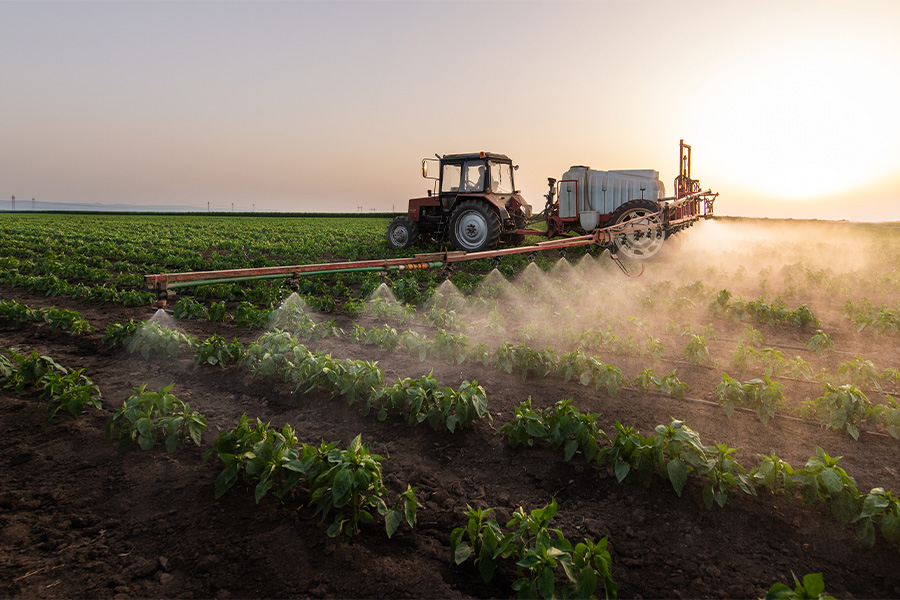
B 1158
Sprayer Nozzle Selection
Nozzle selection is one of the most important decisions to be made related to pesticide applications. The type of nozzle affects not only the amount of spray applied to a particular area, but also the uniformity of the applied spray, the coverage obtained on the sprayed surfaces, and the amount…|
-
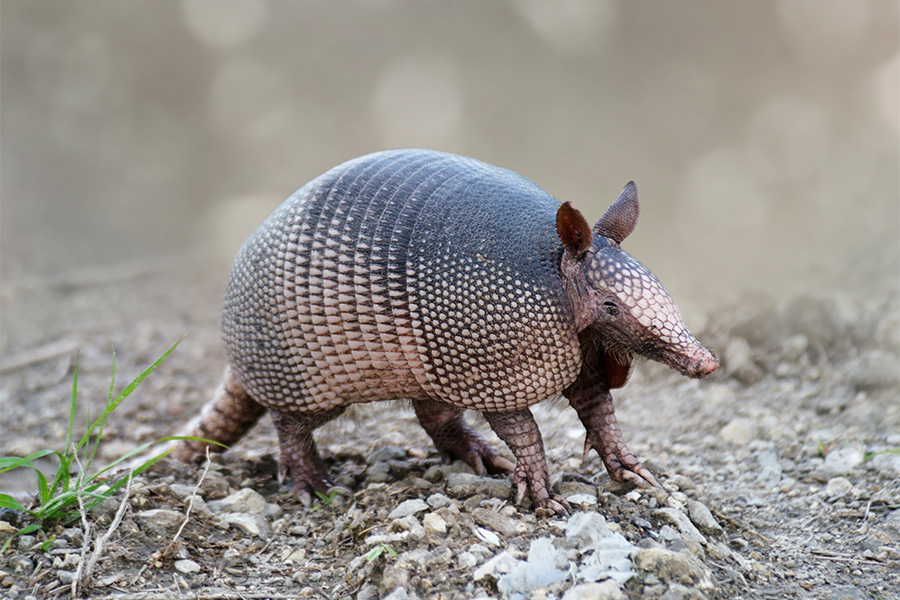
Scientists classify armadillos with anteaters and sloths. They have poorly developed teeth and limited mobility. Armadillos are considered both an exotic species and a pest.
|
-

Although rare, Formosan subterranean termite infestations have been found in Georgia. Formosan termites are not native to the U.S. They are commonly spread by movement of infested railroad crossties used in the construction of retaining walls and other landscape features.
|
-

C 867-8
Weed Control in Iris
With their beautiful flowers, irises are coveted as one of the finest herbaceous perennials. Unfortunately, like most garden plants, weed control in irises can be difficult. Established perennial broadleaf weeds can be extremely difficult to control, requiring special removal techniques. Fortunately, many annual broadleaf and grassy weeds can be easily…|
-

Eclipta is considered to be one of the world’s worst weeds. This publication discusses the identification and control of eclipta in peanut.
|