-

This publication explains some of the options available to Green Industry professionals for dealing with these organic materials.
|
-
 Citizens throughout Georgia are recycling newspaper, cans, glass and plastic in an effort to divert these materials from the waste stream. Another important part of waste reduction involves recycling leaves, lawn clippings, and tree and shrub trimmings instead of placing them curbside for the county or municipality to pick up.…
|
-
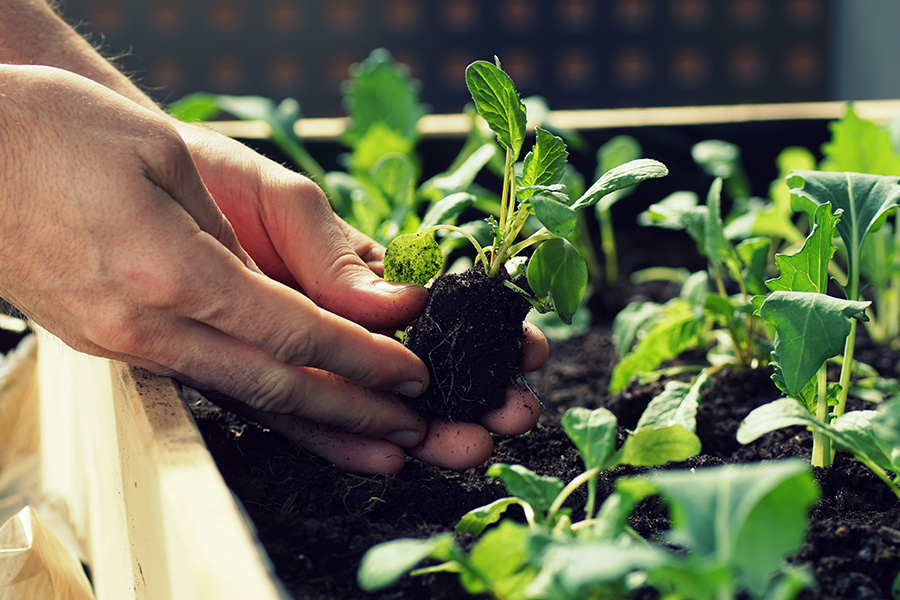
Plant diseases can be a significant problem in home gardens. Most vegetables are susceptible to a number of diseases. Home gardeners can reduce the occurrence of many diseases with sound cultural practices. This publication discusses managing diseases in the home vegetable garden.
|
-
 NewThis report provides research and extension results for trials conducted by the University of Georgia Vegetable Team and its collaborators in the 2024-2025 growing season. The goal of this project was to find potential ways to manage wild radish in seeded greens such as mustard, turnips, collards, and others. Wild…
|
-
AP 113-07-03
Support of UGA Georgia Weather Network in 2025
NewThe University of Georgia weather network provides weather information to growers in the state of Georgia from a network of 90 automated weather stations distributed across the state. This network is vital to serving the needs of vegetable growers across the state. All research in the 2025 Vegetable Extension and…|
-
NewThis report provides research and extension results for trials conducted by the University of Georgia Vegetable Team and its collaborators in the 2024-2025 growing season. Pepper weevil is a key insect pest of peppers; in Georgia, overwintering monitoring of weevil populations has demonstrated that pepper weevil now overwinters throughout southern…
|
-
NewThis report provides research and extension results for trials conducted by the University of Georgia Vegetable Team and its collaborators in the 2024-2025 growing season. Insects continue to represent significant threats to the production of most, if not all, of our vegetable crops. While multiple approaches are used to manage…
|
-
This report provides research and extension results for trials conducted by the University of Georgia Vegetable Team and its collaborators in the 2024-2025 growing season. The aim of this research includes monitoring whitefly populations and the viruses they transmit, and characterizing host resistance to whiteflies and/or viruses in squash and…
|