-
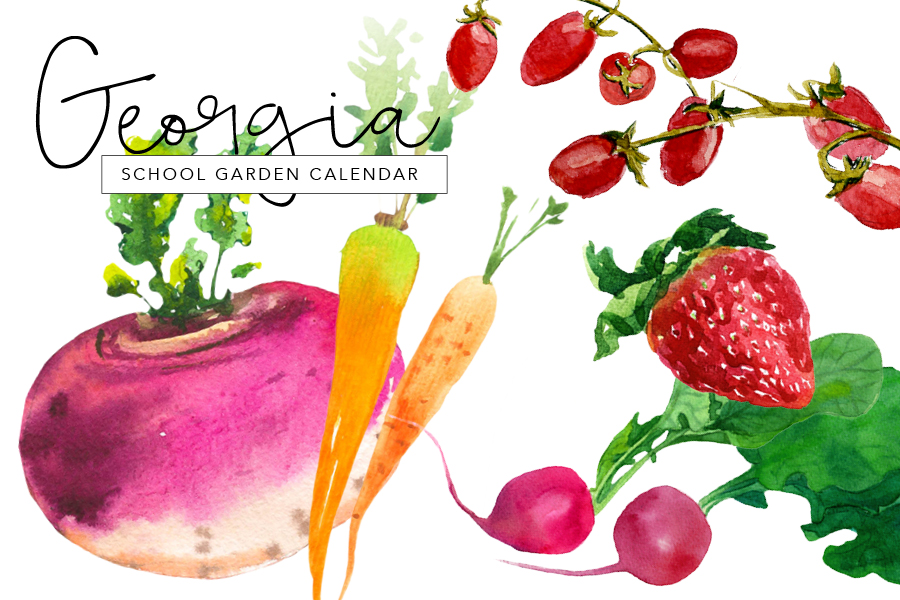
The Georgia School Garden Calendar gives school gardeners month-by-month guidance on growing and using a school garden successfully. Each month, this resource provides information on the horticulture of the school garden, classroom and curriculum ideas, and administrative and organizational tips.
|
-

This publication provides a brief overview of the major regulatory agencies and highlights the rules that Georgia farmers should be aware of concerning storage tanks on their farms.
|
-

This publication is devoted specifically to covering everything you need to know about growing herbaceous perennials, primarily to those that persist from crowns and/or fleshy roots.
|
-
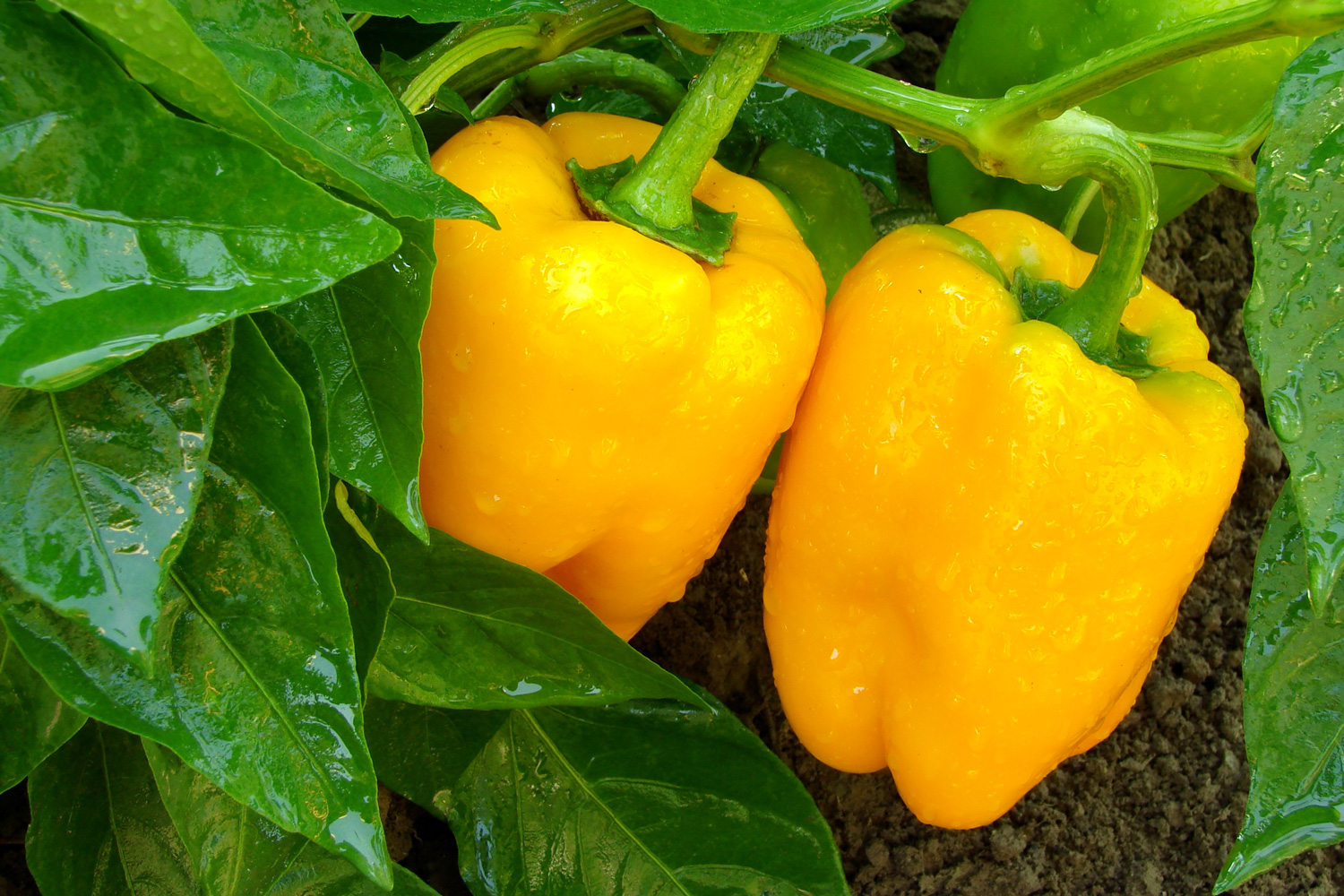
This publication is part of a series focusing on irrigation scheduling for vegetable crops. It contains basic information on water use and irrigation management using the crop water demand method for Solanaceae crops such as bell peppers, tomatoes, and eggplants.
|
-
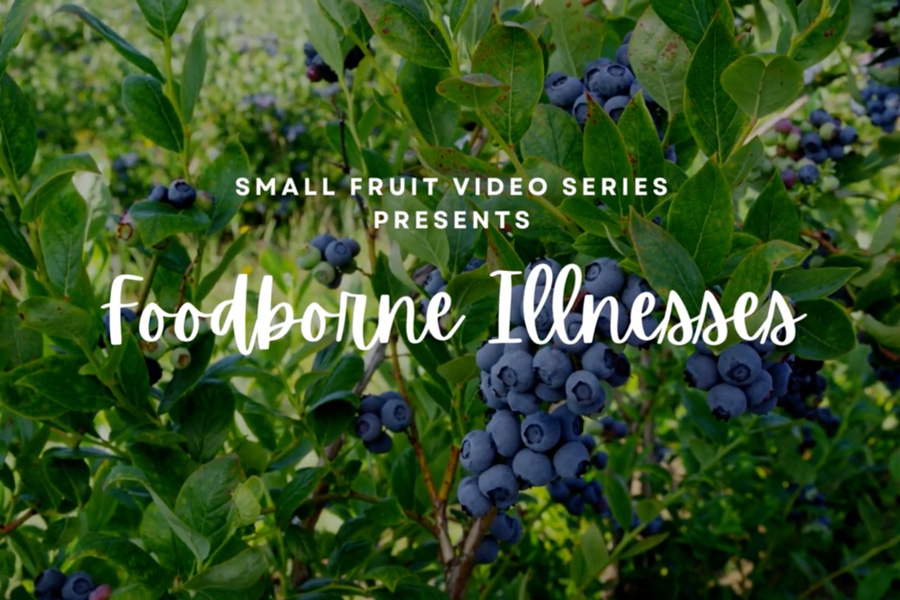
C 1300-01
Foodborne Illnesses
Foodborne illnesses sicken approximately 48 million Americans a year and result in significant financial losses for the food industry. Outbreaks of foodborne illness have been linked to consumption of small fruit products, but growers and packers can take precautions to reduce food safety risks on their operations. This video discusses…|
-
 Many produce farms choose to exclude domesticated animals to prevent the spread of fecal contamination to produce crops. However, when farms allow members of the general public access to U-pick fields, on-farm restaurants, or roadside markets, the Americans for Disabilities Act (ADA) protects the rights of individuals who may require…
|
-

Arsenic in your drinking water may damage your health. Because arsenic in household well water is usually dissolved from natural rock in the aquifer, water treatment is the only way to eliminate it. This publication describes methods for removing arsenic from household drinking water.
|
-
 Variety selection is one of the biggest decisions and investments cotton growers make each year. In 2010, the UGA Extension Cotton Agronomists implemented the UGA On-Farm Cotton Variety Evaluation Program to assist in this decision. In this annual publication, varieties were evaluated in 2020 across a wide range of environments…
|