-
 Variety selection is one of the biggest decisions and investments cotton growers make each year. In 2010, the UGA Extension Cotton Agronomists implemented the UGA On-Farm Cotton Variety Evaluation Program to assist in this decision. In this annual publication, varieties were evaluated in 2020 across a wide range of environments…
|
-
 This video shows producers what to do about wildlife intrusion into produce fields, a common problem for fruit and vegetable growers that presents a food safety risk when fecal contamination occurs. It discusses best practices regarding no-harvest buffer zones (used when feces is present in the field), removal of in-field…
|
-
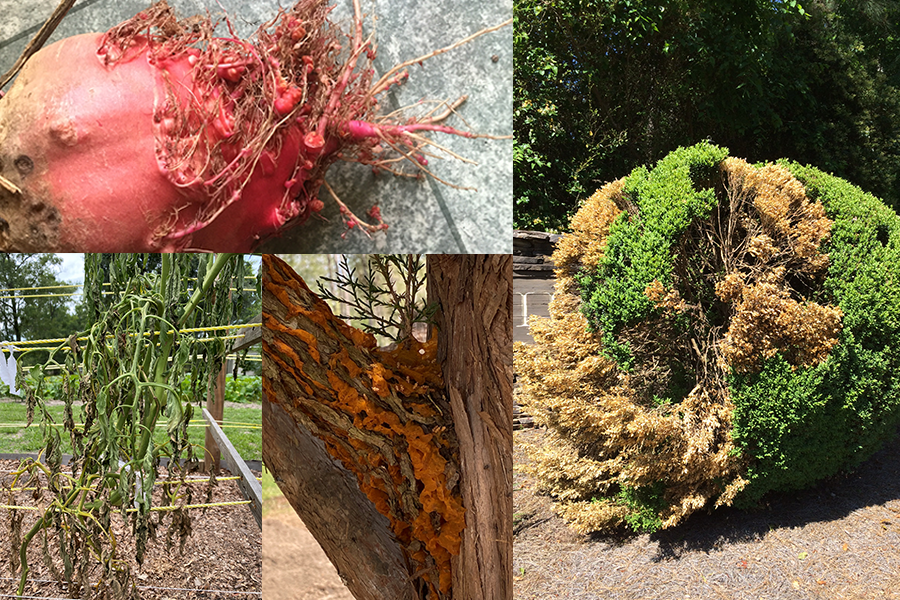 2021 plant disease losses, including control costs, amounted to an estimated $889 million. The value of the crops used in this estimate was approximately $7690 million, resulting in a 11.6% relative disease loss across all crops included in this summary. For most crops, the estimated values used to compute these…
|
-
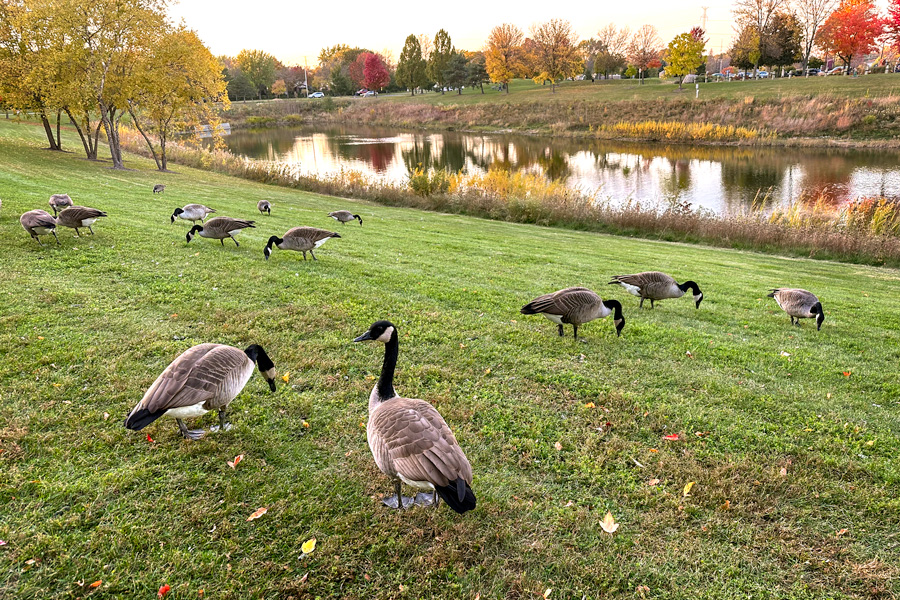
When wildlife populate a place where they are unwanted or cause damage to valuable plants or structures, they become a nuisance. This publication discusses some basic principles for dealing humanely with nuisance wildlife.
|
-
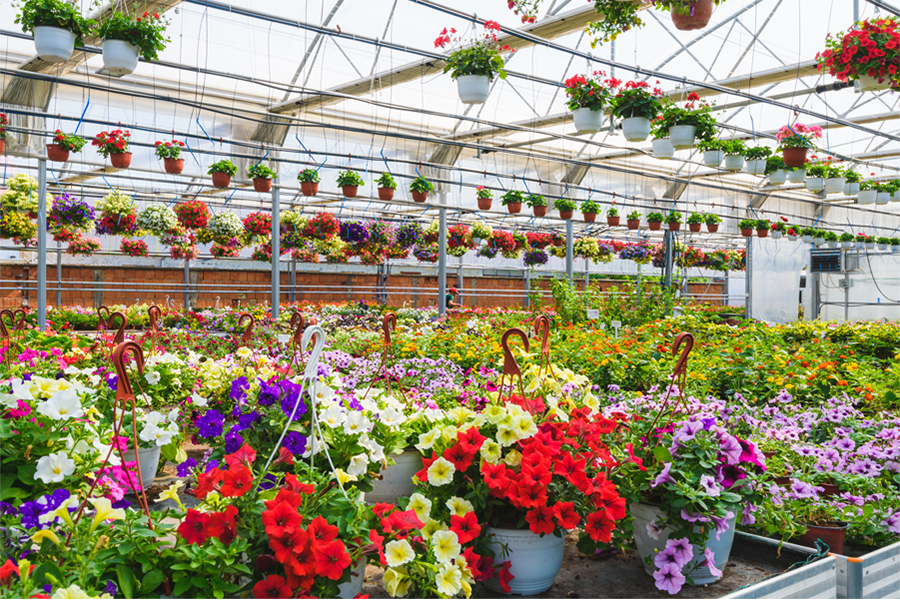 Georgia’s nurseries, greenhouses and turfgrass businesses are major contributors to Georgia’s growing economy, to the beauty of Georgia homes and businesses, and to a better quality of life. When used appropriately, the products and services provided by these businesses enhance the environment of their customers. Thus, it only makes sense…
|
-
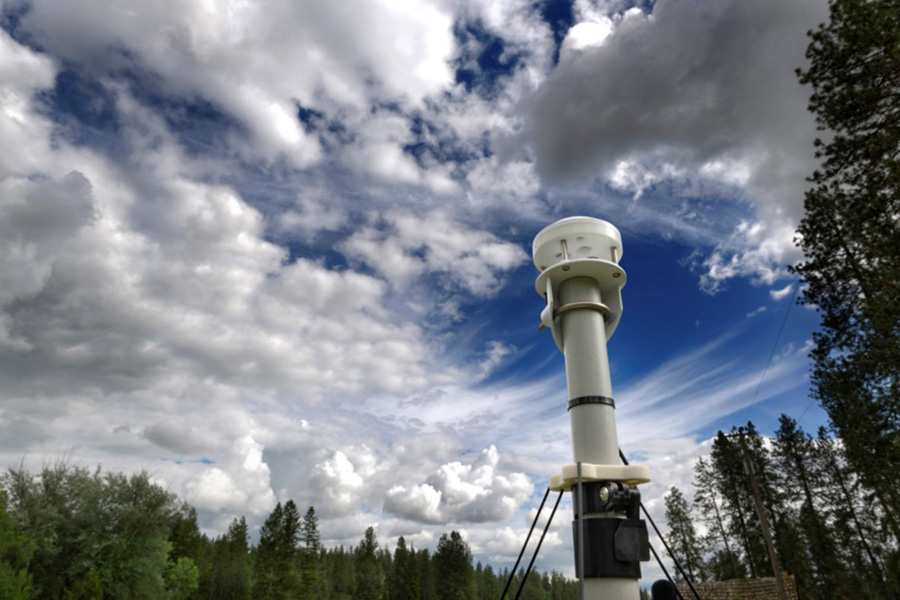 A weather station is a collection of instruments and sensors measuring atmospheric and soil conditions. Commonly measured environmental variables include light, temperature, relative humidity, rain, wind, and soil conditions (soil moisture, soil temperature, and/or soil bulk electrical conductivity). An on-site weather station allows growers to monitor the microclimate in a…
|
-
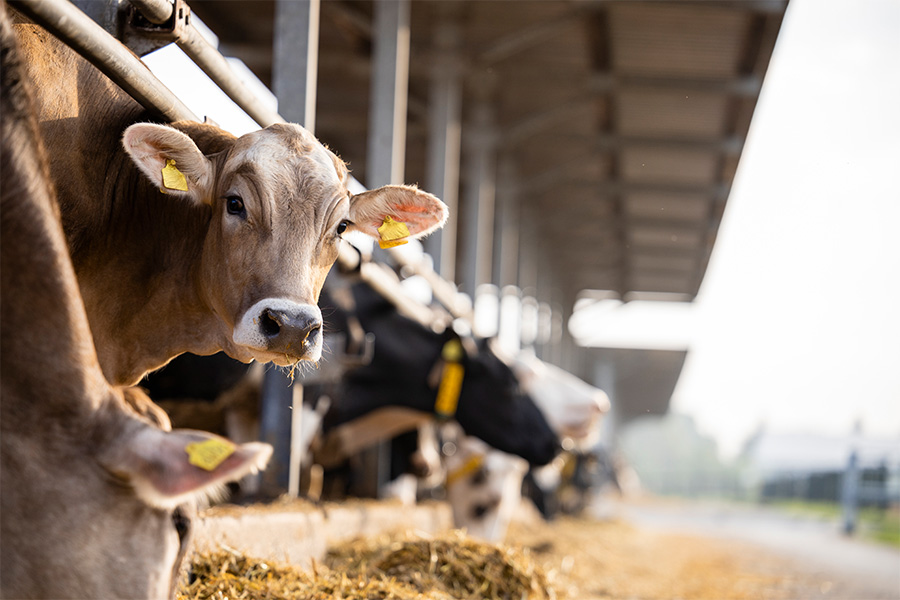
C 904
Freeze Branding Cattle
To improve efficiency, cattle producers should place a high priority on identifying individual cattle and maintaining accurate records. One type of permanent identification is branding.
|
-
 With both the demand and the need for broader offerings of RME, a large number of programs have been developed, presenting somewhat of a dilemma for practitioners who are interested in providing effective programming that is research-informed. Based on an extensive review of the research, this model presents key patterns…
|