-
 Composting is the controlled biological process of decomposition and recycling of organic material into a humus-rich soil amendment known as compost. Mixed organic materials such as manure, yard trimmings, food waste and biosolids must go through a controlled heat process before they can be used as high quality, biologically stable…
|
-
 This publication will educate pest management professionals about pesticides and instill vigilance in their handling and use. In order to understand how to use chemical pest control products responsibly, PMPs must have a basic understanding of the various definitions associated with pesticides, be able to interpret labels and material safety…
|
-
 This publication provides information on variety types, suggested vegetable varieties for organic production, and steps to saving your own seed. Organic farming and vegetable production are becoming increasingly popular. Nationally, organic sales have increased 80% since 2007, organic produce has a wholesale value typically twice that of conventional produce, and 75%…
|
-

C 858-13
Mercury in Your Water
Mercury in your drinking water poses a threat to your health. The U.S. EPA has set the current standard for mercury in drinking water at 2 ppb. The amount of mercury in public water systems is regulated according to EPA standards. If your water comes from a public system, it…|
-
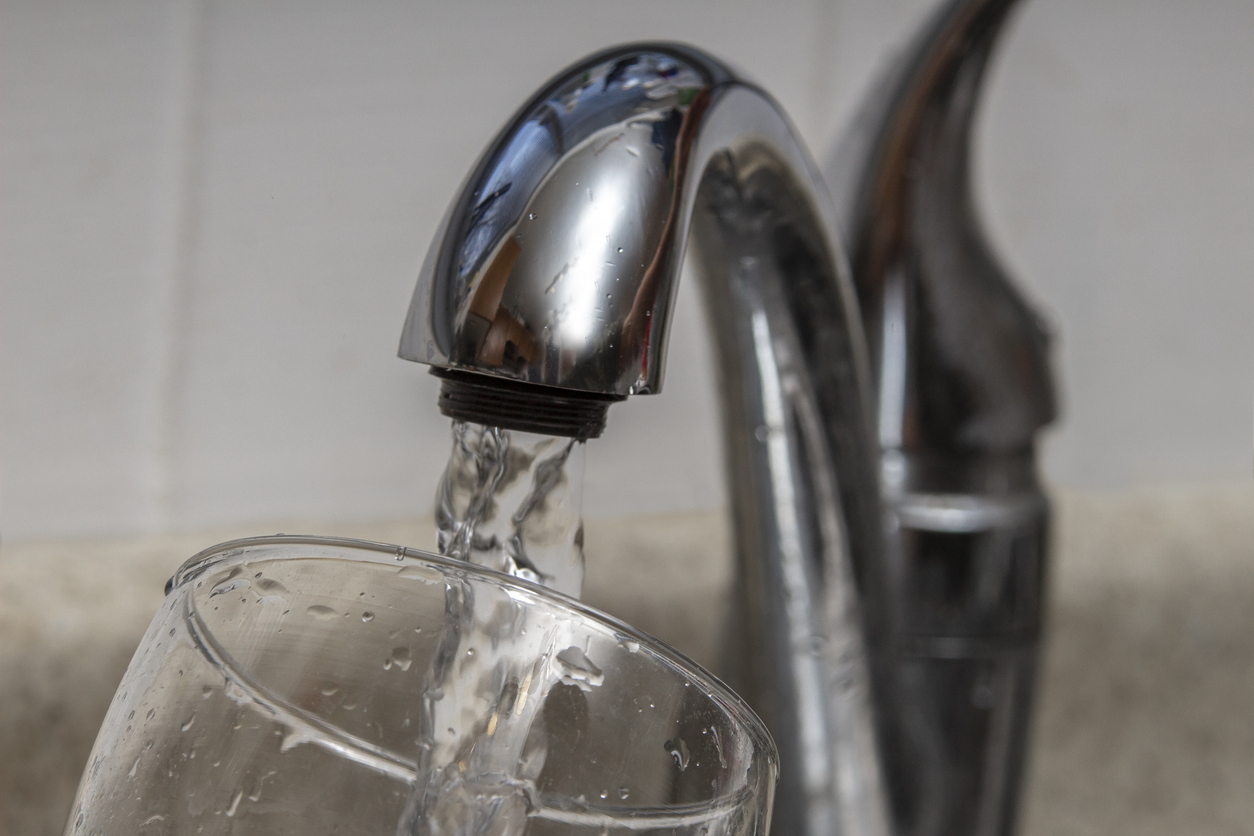
C 858-10
Lead and Copper
Private wells are exclusively supplied by groundwater. The source waters for most public water systems in south Georgia (and some in north Georgia) are also supplied by groundwater. Generally, lead and copper concentrations in the major underground aquifers in Georgia are far below the U.S. EPA’s action levels. Corrosive water…|
-
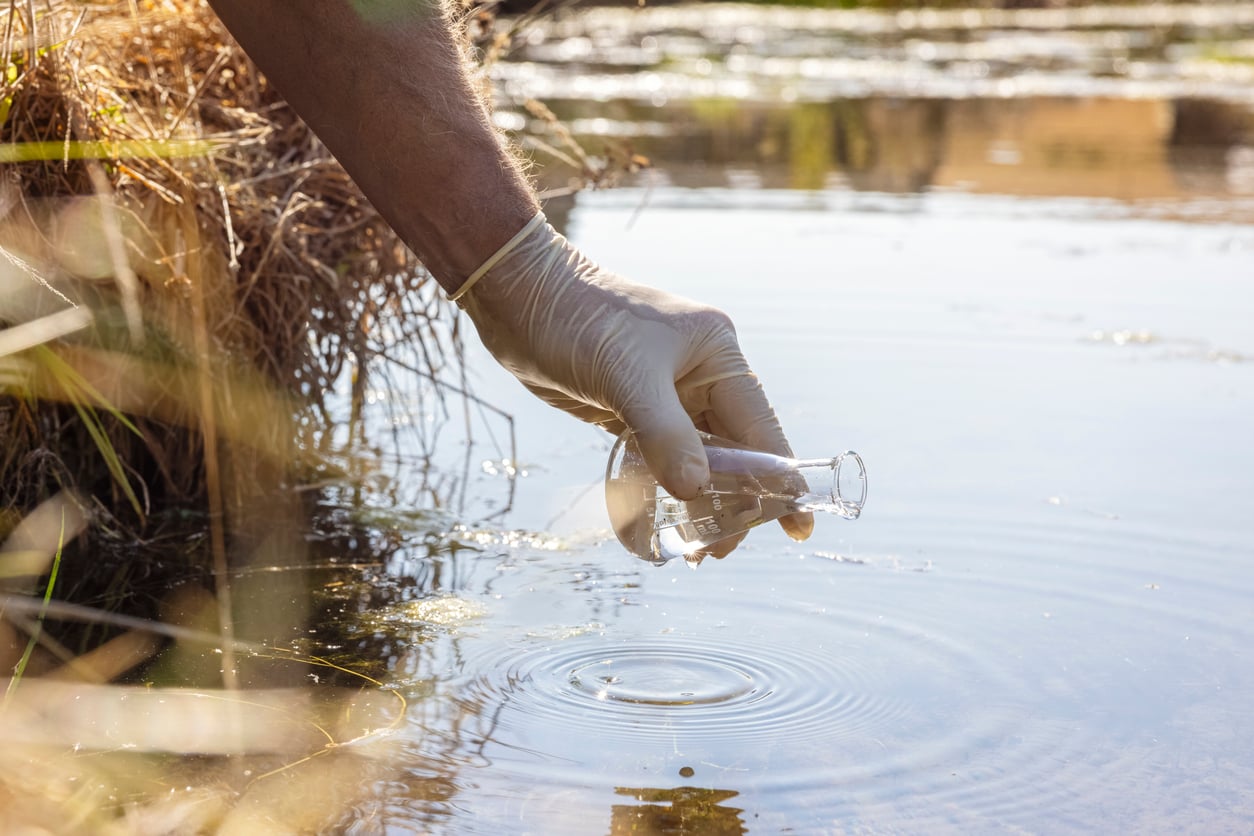
C 858-9
Corrosive or Scaling Water
Corrosiveness or scaling is an inherent property of some groundwater and is related to the type of rocks or sediments in contact with the groundwater. Corrosion is caused when water reacts with and dissolves metal plumbing. This resource provides nontreatment strategies for reducing problems and treatment methods to reduce the…|
-
 Measuring, monitoring, and managing forage requires producers to regularly measure how much forage mass is present and how quickly that forage is growing. By using a rising plate meter, producers can assess the forage mass across several pastures quickly and with reasonable accuracy. Then, by comparing available forage in individual…
|
-
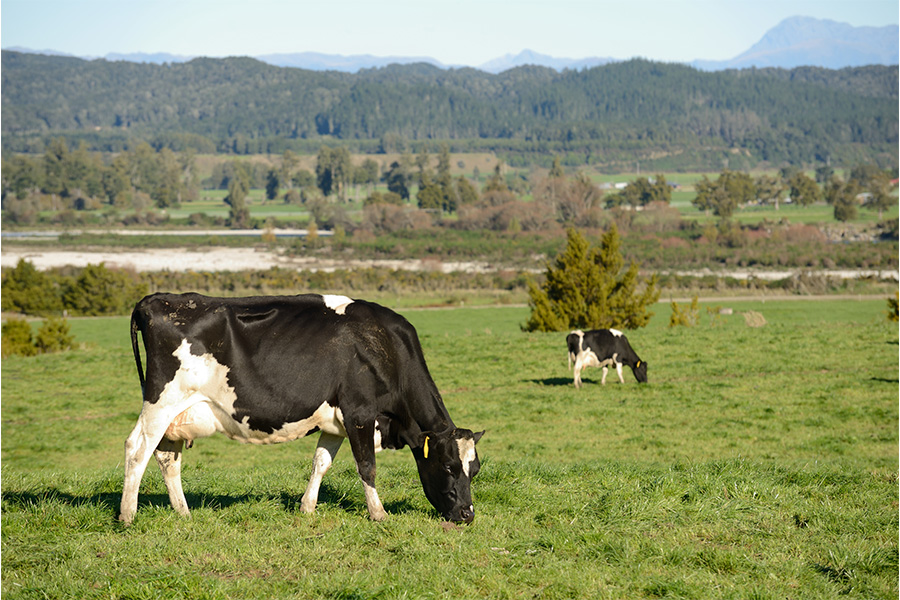 Antibiotic therapy continues to play an important role in the control of mastitis in dairy cows. Lactational therapy is effective against Streptococcus agalactiae but less successful against infections caused by Staphylococcus aureus and other causes of mastitis. As a result, alternative treatment strategies have been developed, including a combination of…
|