Agricultural and Applied Economics Resources
-

AP 130-4-01
2026 Overall U.S. and Georgia Economic Outlook
Each year, UGA’s agricultural economists develop a comprehensive overview to help various sectors of the agriculture industry navigate the year ahead. As Georgia’s land-grant university, the University of Georgia conducts cutting-edge research on critical and emerging issues that are important to the agriculture industry. From this research, UGA provides the best information and education available to producers and constituents to equip them with knowledge and decision-making tools for their businesses.
|
-

AP 130-4-02
2026 Georgia Ag Economic Outlook
Food and fiber production remain an important driver of Georgia’s overall economy. Production of agricultural commodities was directly valued at $17.6 billion in 2023, with production contributing to roughly $91.4 billion in total output and 381,200 jobs. The impact of the agricultural economy is particularly important in Georgia’s rural counties.
Georgia farmers had a mixed year in 2025 with farm profits differing greatly across commodities. For most major crop commodities produced in the state, prices and profits (if they were to be had) were weak. Unfortunately, with flat price projections for most Georgia crops in 2026, cash receipts are unlikely to see significant improvement.
|
-
AP 130-4-03
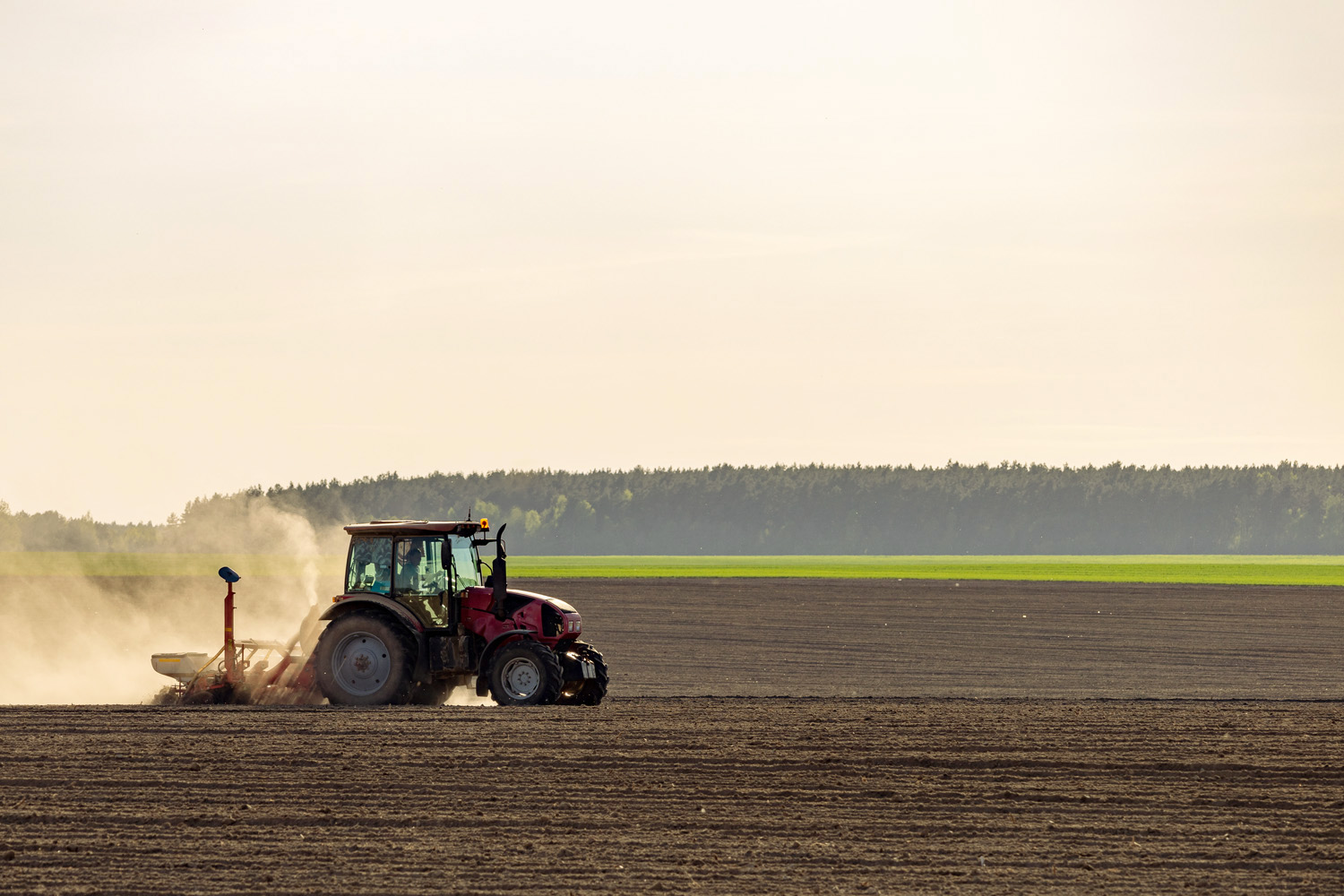
2026 Inputs and Production Expenditures
Food and fiber production remain an important driver of Georgia’s overall economy. Production of agricultural commodities was directly valued at $17.6 billion in 2023, with production contributing to roughly $91.4 billion in total output and 381,200 jobs. The impact of the agricultural economy is particularly important in Georgia’s rural counties.
Georgia farmers had a mixed year in 2025 with farm profits differing greatly across commodities. For most major crop commodities produced in the state, prices and profits (if they were to be had) were weak. Unfortunately, with flat price projections for most Georgia crops in 2026, cash receipts are unlikely to see significant improvement.
|
-

AP 130-4-04
2026 Cotton Outlook and Market Situation
The key points for the 2026 season are: Cotton remains financially strained by high input costs, elevated interest rates, and weak prices, which have left U.S. cotton producers with ongoing negative profit margins, continuing a long-term trend of economic losses. Rising Brazilian production, China’s diversification away from U.S. cotton, and global stocks exceeding demand have intensified market competition and kept cotton prices suppressed. With cotton futures in the mid-60s, limited demand recovery, and production costs still high, growers must carefully manage expenses and adopt strong marketing strategies to reduce financial risk.
|
-
AP 130-4-07
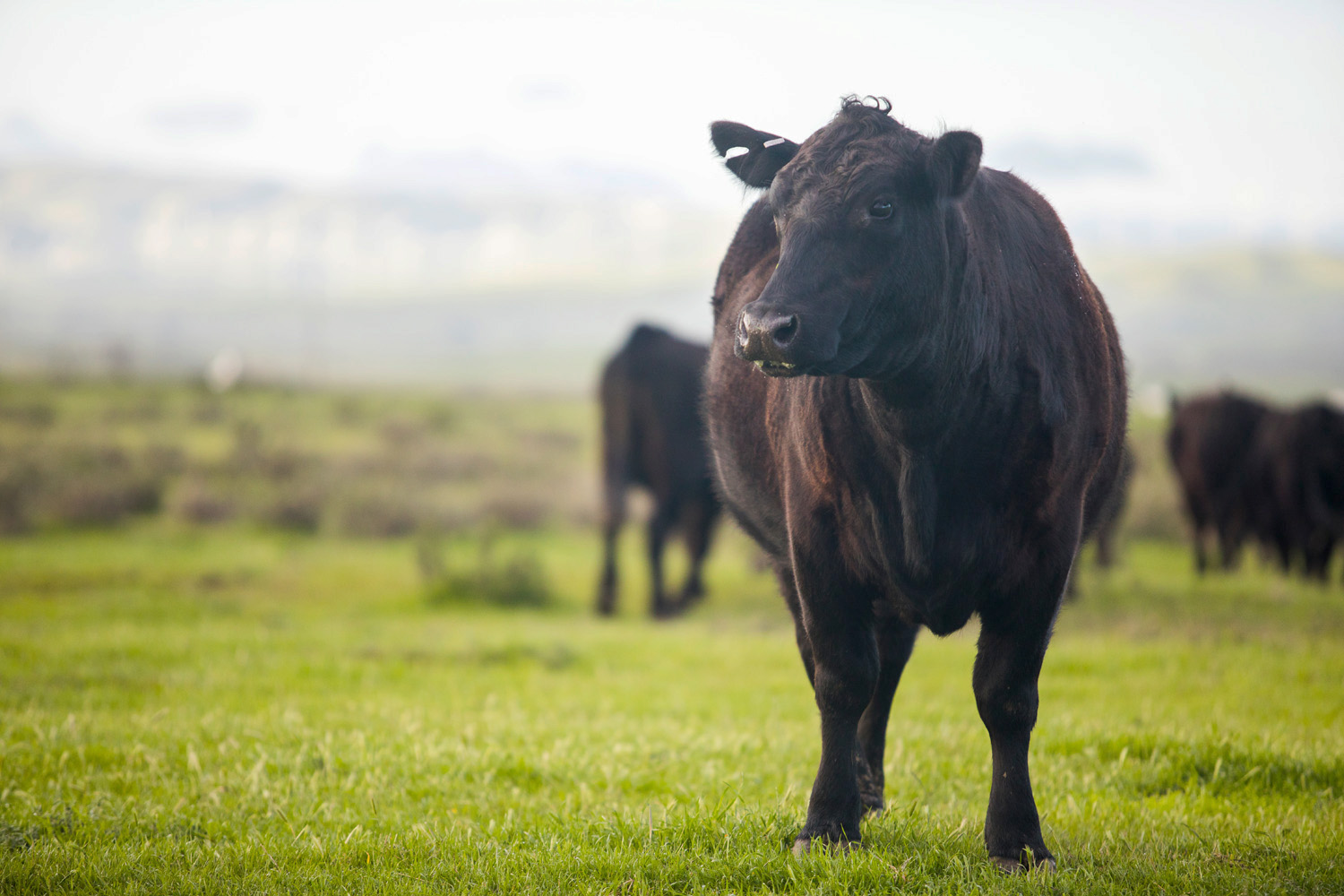
2026 Beef Outlook
The key points for 2026 are: Tight supplies will support prices at very high levels in 2026; cattle inventories appear to be stabilizing this year, but a major expansion appears to be further in the future; and weakness in consumer demand—either from softening ability or willingness to pay for high-priced beef—is a significant risk to the outlook.
|
-

AP 130-4-08
2026 Dairy Outlook
The key points for 2026 are: The outlook faces headwinds on increasing production that appears to be outpacing demand; potential improvements on the supply and demand balance may occur later in the year; and opportunities from new local processing could support Georgia producers this year.
|
-
AP 130-4-09
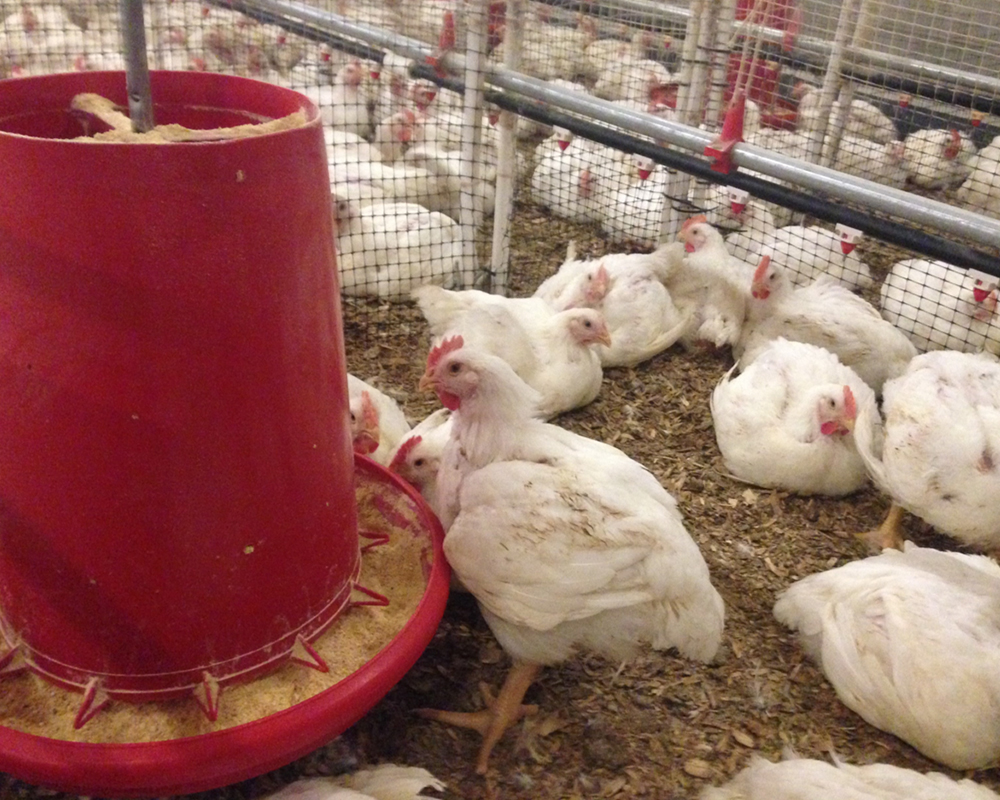
2026 Georgia Broiler Industry Forecast
The key points for 2026 are: The year ahead is likely to become one of stable, incremental growth; after a strong start to 2025, significant production growth weighed on prices in the latter half; and in 2026, supply and demand will likely find a better balance with indications of relatively stable prices.
|
-
AP 130-4-10
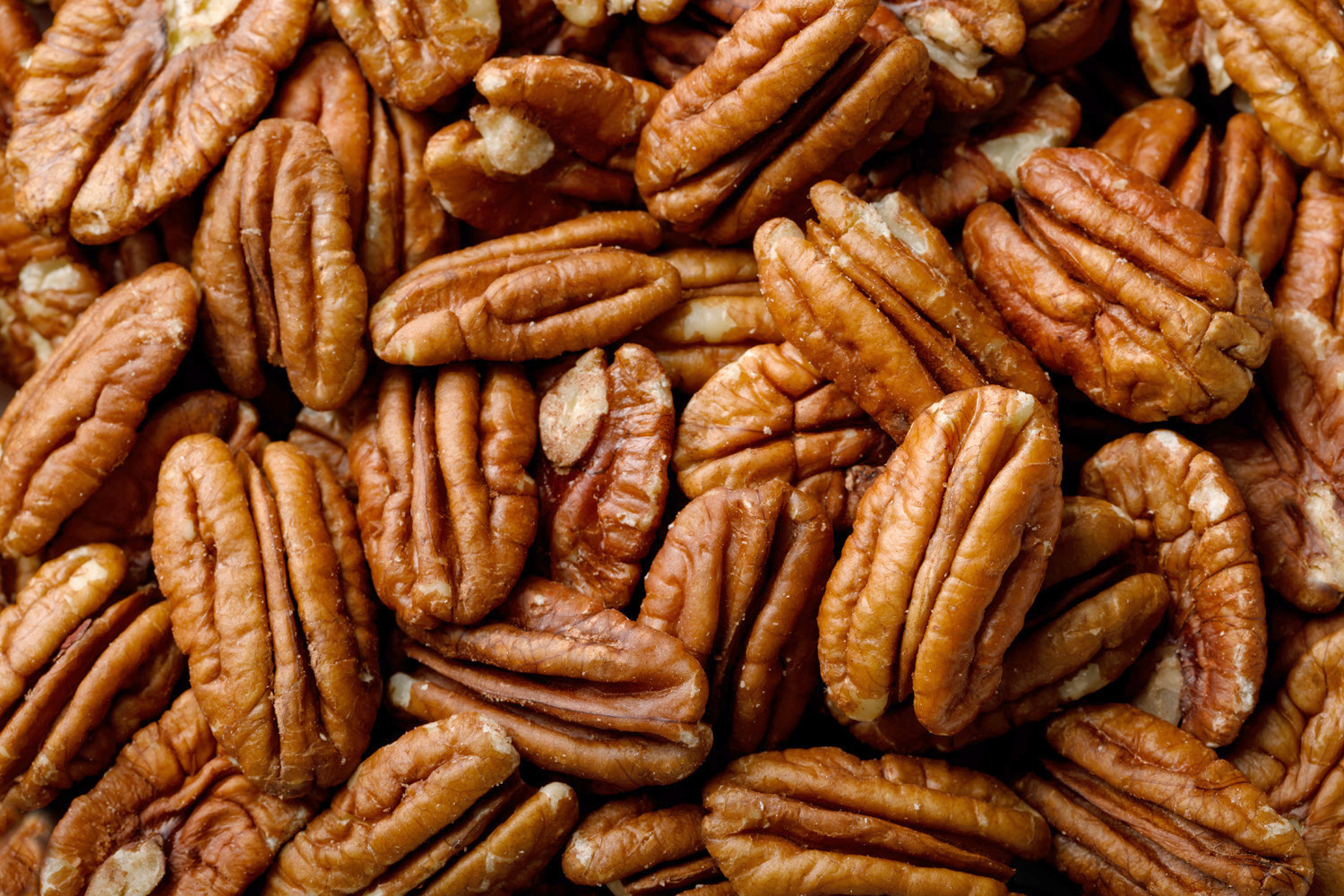
2026 Fruits and Tree Nuts Outlook
The key points for 2026 are: Blueberries will continue to lead the Georgia fruits and tree nuts industry in 2026 and subsequent years; it will be challenging for the Georgia pecan industry to regain its leadership position in the fruits and nuts category, but the industry will remain strong in 2026; consumer and grower price indexes will remain strong in 2026.
|
-
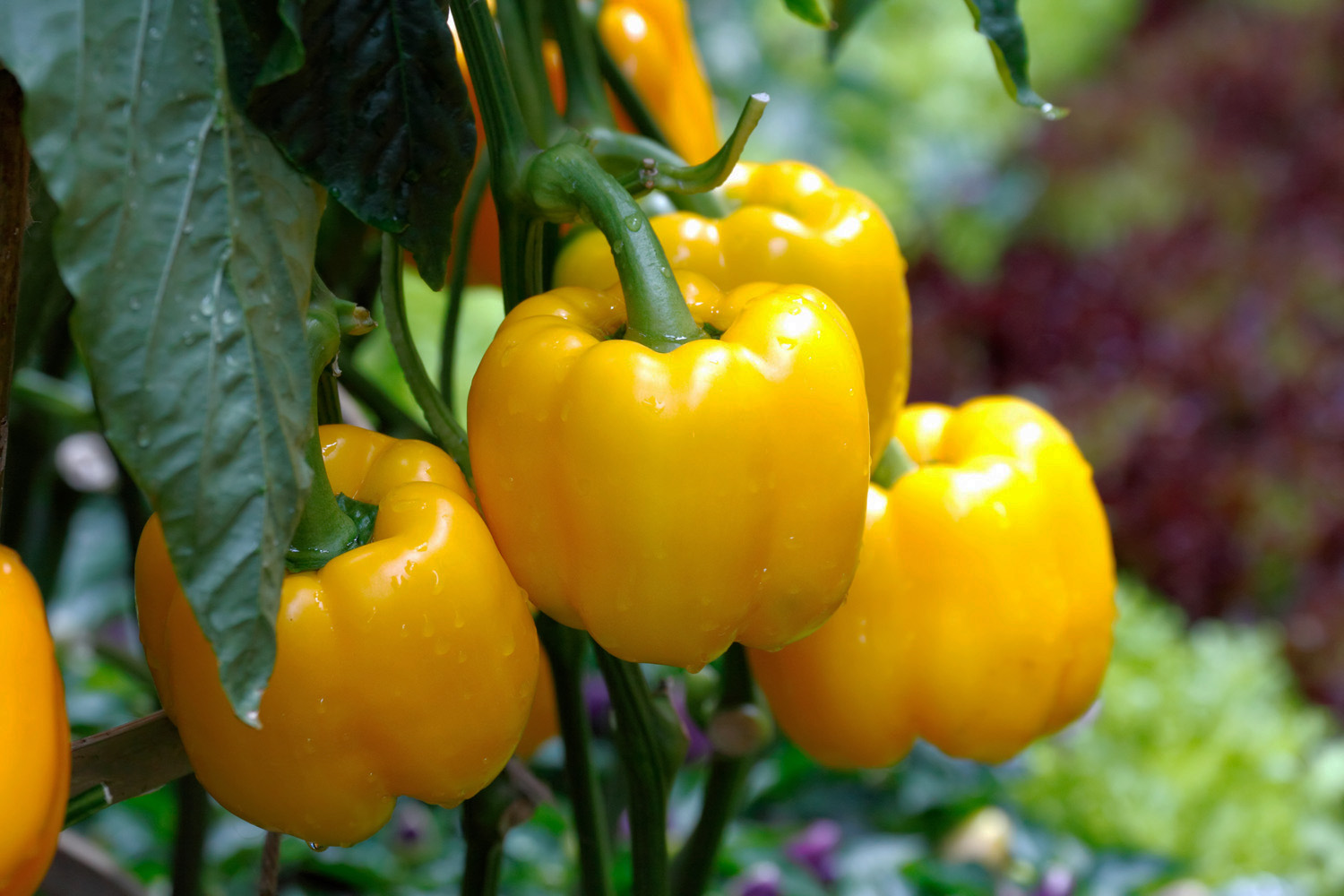
AP 130-4-11
2026 Vegetables and Pulses Outlook
The key points for 2026 are: Total vegetable harvested area will continue to decrease in 2026, but the value will continue to grow because of the increase in yields caused by good agricultural practices, research, and extension support to growers; vegetable prices will continue to be noisy, but the consumer price index will remain strong in 2026; and although per capita consumption of vegetables took a hit, probably the lowest in the past decade, consumption is expected to bounce back in 2026.
|