Bees Resources
-

AP 130-1-10
Honey Bees 2023
1. Honey production overall for 2022 was below average for the state. However, in some regions yields of two types of honey, northern wildflower and sourwood, were above average. 2. Colony losses for commercial operations were higher than 2021, with some reporting a 60%–70% loss, and backyard beekeepers in some cases experiencing losses above 80%. 3. Varroa destructor (parasitic mites) remains the leading cause of colony loss in Georgia and nationally. 4. Demand for packages, nucleus colonies, and queens were down for 2022.
|
-
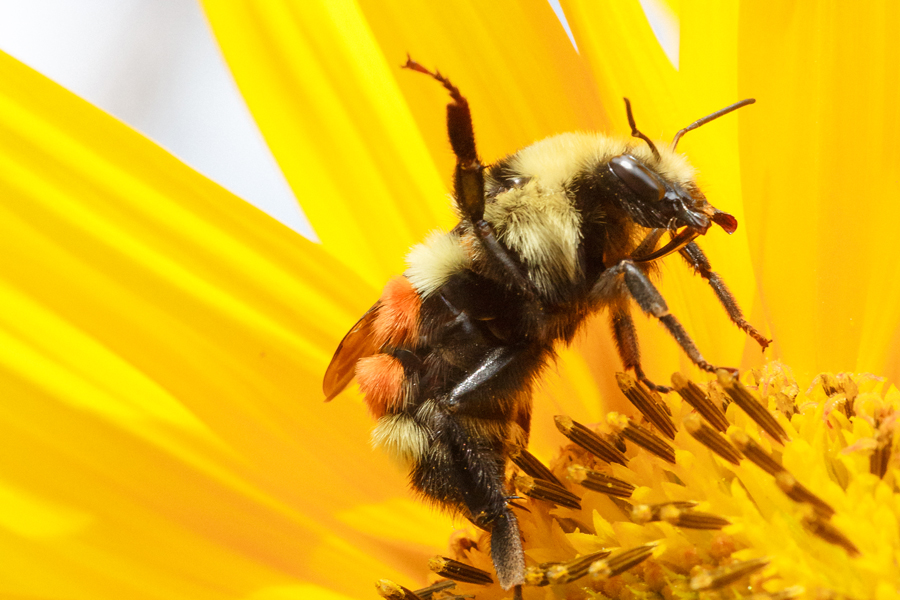
Bumblebees are prone to catch your attention with their sonicating buzz or conspicuous and colorful appearance. They are robust, fuzzy-looking insects, with varying bands of coloration and a hairy abdomen. This characteristic differentiates them from the look-alike carpenter bees, which have bald abdomens. Bumblebees usually are active from early spring through fall, visiting and collecting pollen and nectar from flowers, and are distributed worldwide, with up to 260 species all over the globe. Most species are encountered in the Northern Hemisphere, while others are located in Central and South America and northern Africa. Forty-nine bumblebee species in the United States are known, and 17 of them are found in Georgia.
|
-
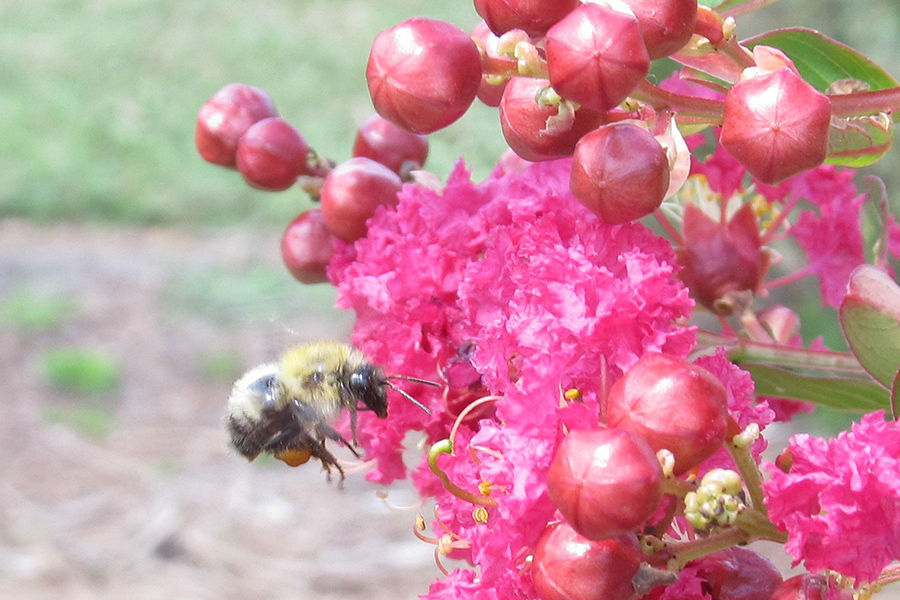
Crape myrtles are popular landscape shrubs and small trees. Native to China, Japan, and Korea southward to Oceania, crape myrtles have been cultivated in the U.S. for more than 175 years. Cultivars range from 3-ft shrubs to 30-ft-tall trees, and they are graced with large panicles of white, pink, lavender, purple, red, and many colors in between. Among cultivars, crape myrtles have a wide range of tolerance to key pests and diseases, such as powdery mildew, flea beetles, crape myrtle aphids, and Japanese beetles. The plant’s flowers are widely admired by humans and can serve as nectar and pollen sources for pollinators. With the recent decline in pollinator health and diversity, pollinator visitation, pest susceptibility, and horticultural attributes should all be considered when choosing crape myrtle cultivars for home and commercial landscapes.
|
-

Plants develop seeds through a process called pollination. Pollination is the transfer of pollen from the stamen (male flower part) to the pistil (female flower part).
|
-
B 1045
Honey Bees and Beekeeping
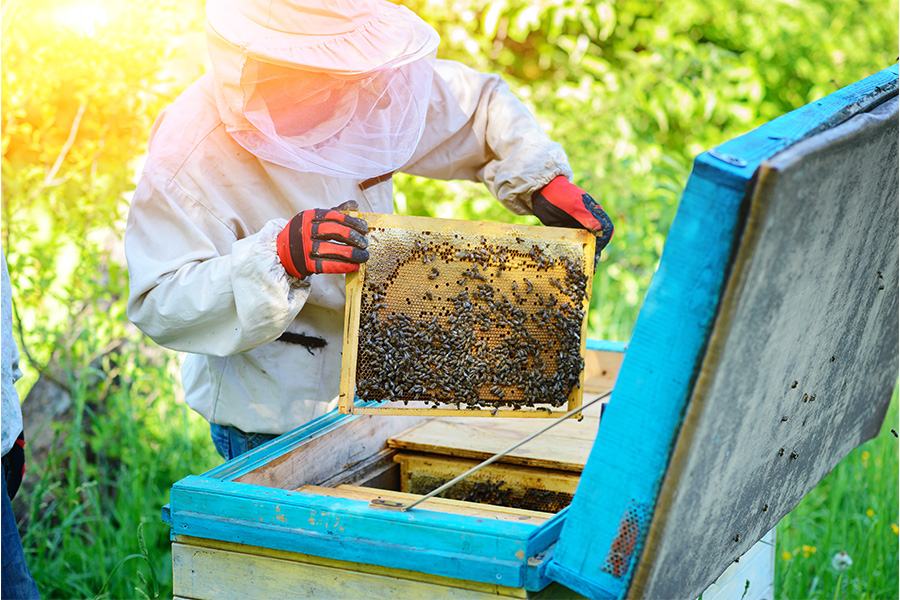
Honey bees are commonly kept in artificial hives throughout the United States, and a large and sophisticated beekeeping industry provides valuable honey, beeswax and pollination services. A large section of the industry, well represented in Georgia, is devoted to mass-producing queens and bees for sale to other beekeepers.
|
-

B 1290
Africanized Honey Bees
Honey bees are among the most well-known and economically important insects. They produce honey and beeswax, and pollinate many crops. In spite of the alarm surrounding Africanization, these bees have not caused widespread or permanent chaos. Dramatic stinging incidents do occur, but the quality of life for most people is unaffected. Typically, the commercial beekeeping industries of Africanized areas suffer temporary decline and then eventually recover.
|