Cleaning and Maintenance Resources
-

C 1082
Home Maintenance Checklist
Just like your personal health, your home’s health will decline without regular care and maintenance. Maintaining a healthy indoor environment helps increase your quality of life and the life of your house. With a few simple steps you can keep your home healthy. Use this checklist as a guideline for your regular spring and fall home maintenance evaluations. Please note that maintenance frequencies may vary depending on your local climate and appliance manufacturing recommendations.
|
-
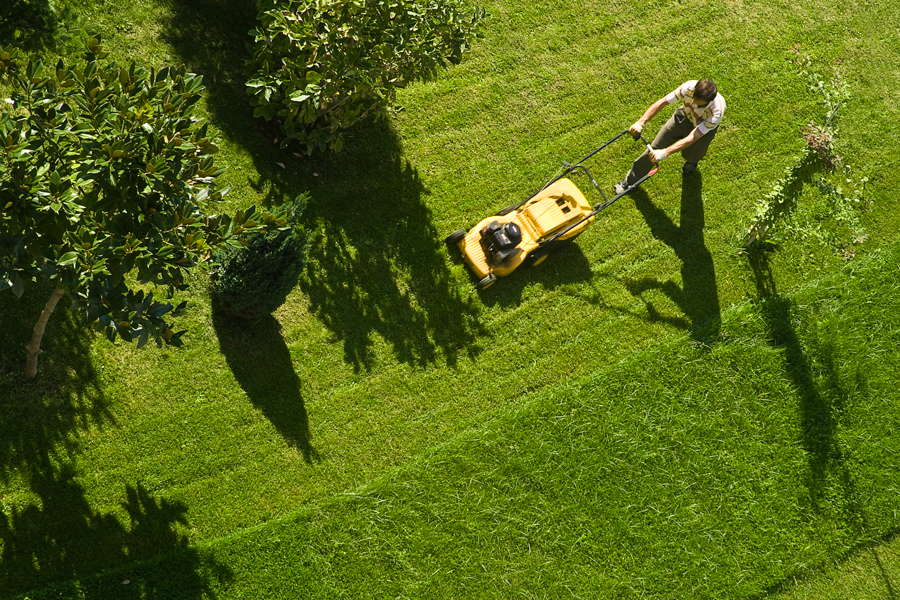
This publication covers routine maintenance and troubleshooting for common motorized equipment (small engine) that is used by small farmers and gardeners. Gardening and landscape equipment can be an expensive investment for both consumers and professionals. However, quality equipment can last a lifetime when cared for properly. Typically, you get what you pay for when it comes to equipment. Higher quality equipment certainly costs more upfront, but usually has fewer problems and will tend to outlast bargain-type tools. With name-brand equipment, parts also tend to be
more readily available. We recommend that you purchase the best equipment you can afford and learn how to take proper care of your equipment to protect your investment. For the garden and landscape, motorized equipment can include everything from a string trimmer to a full-size garden tractor. Most garden equipment is powered by either a two-cycle or four-cycle engine. Two-cycle motors mostly are found on smaller handheld equipment, such as chainsaws, tillers, and trimmers. Four-cycle motors typically are found on larger equipment such as lawnmowers, tillers, and garden tractors, which have separate reservoirs for their gas and engine oil. When properly maintained, both types of motors are quite reliable. Sometimes, very basic issues may keep motors from functioning well. All motors require three basic things to run properly: fuel, fire, and air. If any one or more of these three elements is lacking, the engine will either run poorly or not run at all.|
-
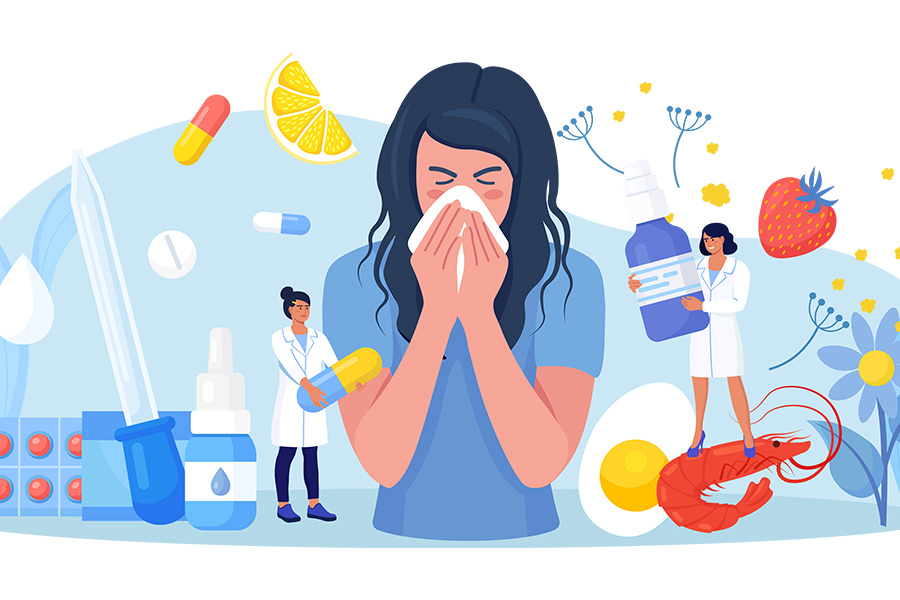
Asthma is a lung disease that affects millions of adults and children, and can be triggered by numerous indoor pollutants such as mold, cockroaches, dust mites, pet dander, and secondhand smoke. There is no cure for asthma, but it can be managed through medication and avoiding allergens that can trigger an attack.
|
-
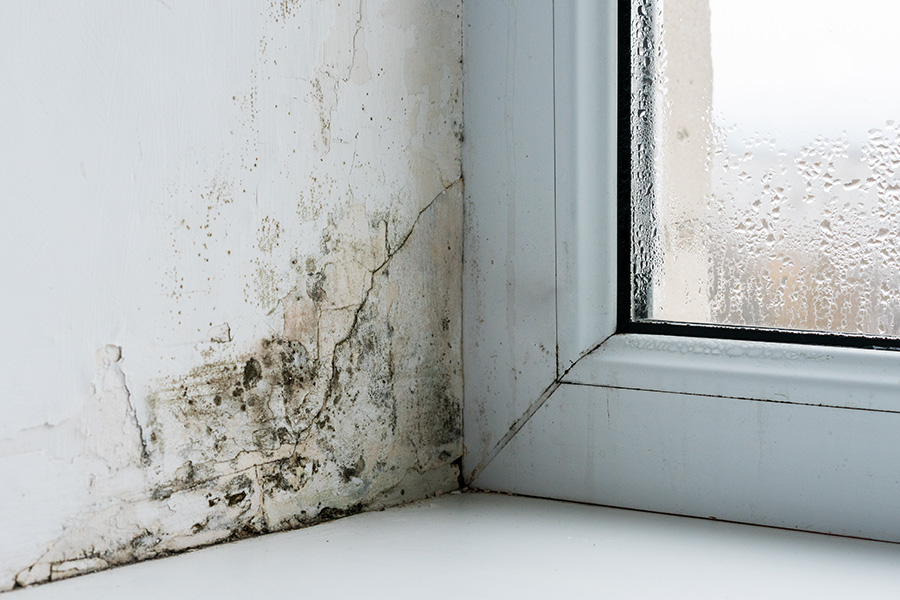
Las esporas del moho solo necesitan un ambiente favorable, alimentos (madera, papel, alfombra, etc.) y humedad para crecer. Si no se detecta o se trata, el moho puede provocar efectos negativos para la salud, como reacciones alérgicas, infecciones respiratorias y más. Use esta lista de verificación como una guía básica para inspeccionar su hogar en busca de señales de exceso de humedad y crecimiento de moho.
PRECAUCIÓN: Al investigar posibles problemas con el moho, puede alterar las áreas contaminadas al hacerlo, extenderá la contaminación al resto de la casa. Esto representa un grave riesgo para la salud de las personas con sistemas inmunes débiles, asma o alergias; por lo tanto, antes de realizar una investigación exhaustiva del moho, es mejor consultar a su médico o contratar a un profesional. Si decide realizar esta búsqueda por sí mismo, utilice el equipo de seguridad adecuado según lo recomendado por la Agencia de Protección del Medio Ambiente (EPA por sus siglas en inglés; www.epa.gov/mold).
|
-

Al igual que su salud personal, la salud de su hogar se deteriorará sin un cuidado y mantenimiento regular. Mantener un ambiente interior saludable ayuda a aumentar su calidad de vida y la vida de su casa. Con unos sencillos pasos puede mantener su hogar saludable. Utilice esta lista de verificación como guía para sus evaluaciones periódicas de mantenimiento del hogar en primavera y otoño. Tenga en cuenta que las frecuencias de mantenimiento pueden variar según el clima local y las recomendaciones de fabricación de electrodomésticos.
|
-
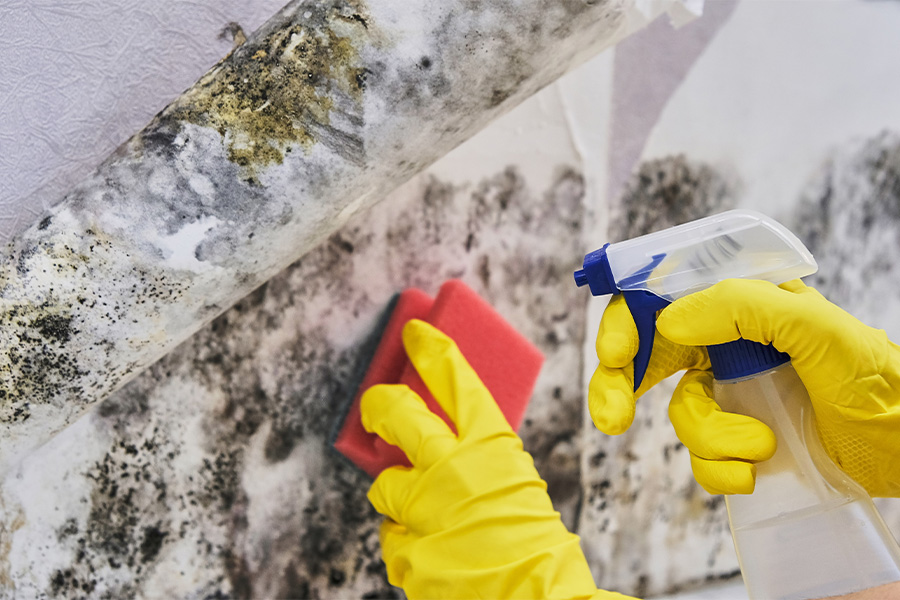
El moho crece a partir de las esporas, que se encuentran naturalmente en el aire y no se pueden ver a simple vista. Las esporas de moho actúan como semillas, haciendo que el moho crezca si las condiciones son adecuadas. El moho suele ser fácil de detectar. Aunque es posible utilizar pruebas para determinar la presencia de moho, por lo general no es necesario o recomendado hacerlo, usted puede detectar el moho rápidamente usando su vista y olfato.
Tenga en cuenta que las primeras señales de moho pueden ser el desarrollo de síntomas similares a los de una alergia. Si detecta un exceso de humedad o un olor a humedad, pero no ve moho, asegúrese de revisar detrás de los gabinetes y el papel tapiz, y debajo de las alfombras. Estos son escondites comunes para el moho. Realice una inspección completa de su hogar utilizando la Lista de Verificación de Humedad y Moho de UGA.
La clave para controlar el moho es eliminar la fuente del problema de la humedad.
(Translation provided by Ines Beltran)
|
-

People spend an average of 90 percent of their time indoors. Studies conducted by the Environmental Protection Agency (EPA) show levels of several common organic pollutants to be two to five times higher inside homes than outside. Many of these pollutants come from the volatile organic compounds (VOCs) released from household cleaning products. Indoor pollutants can be reduced by limiting the number of chemicals used indoors. By following three basic guidelines you can improve your indoor environment, save money, and help conserve natural resources.
|