Cleaning and Maintenance Resources
-
This section of the Home & Garden Edition covers household and structural insect control, tips for hiring a professional pest control company, and management of excess moisture that attracts and sustains pest problems. Beginning in 2022, the Home & Garden Edition has been updated biennially. When purchasing a product based on a first-year recommendation of the Handbook, check the current product label before purchase to be sure it is still labeled for the use for which you are buying it. For pesticide products you have on hand from earlier purchases, you are allowed to use them until they are depleted without penalty under the law. Always follow label instructions before use. Contact the product’s manufacturer for the most up-to-date label.
|
-
C 1067
Household Clutter Control
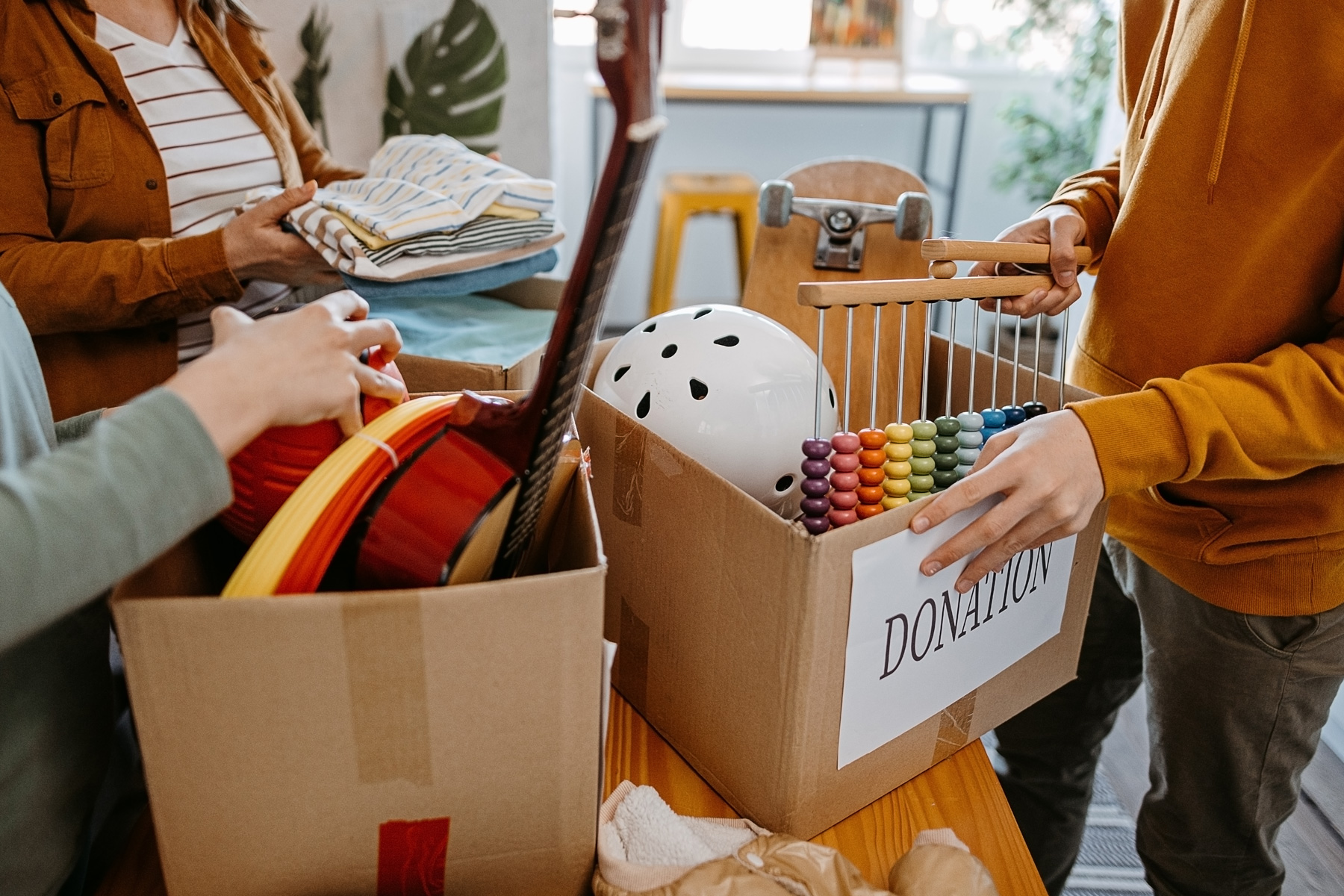
Clutter is a collection of things lying around in an untidy mess, usually because we don’t have a designated place for it. Household clutter has a big impact on your health and quality of life. This publication will help you asses if you have too much household clutter and then recommends ways to take charge, clear the clutter, and maintain a clutter-free home.
|
-

There may be insect fragments, lead dust, pesticides, pollen, dust mites, animal dander, hair, human skin flakes, fungal spores, or cigarette ash in household dust. Around 30% to 40% of the contaminants inside your home are brought in from outdoors. By taking a few simple steps described in this resource, you can improve the health of your home and reduce the time spent cleaning.
|
-
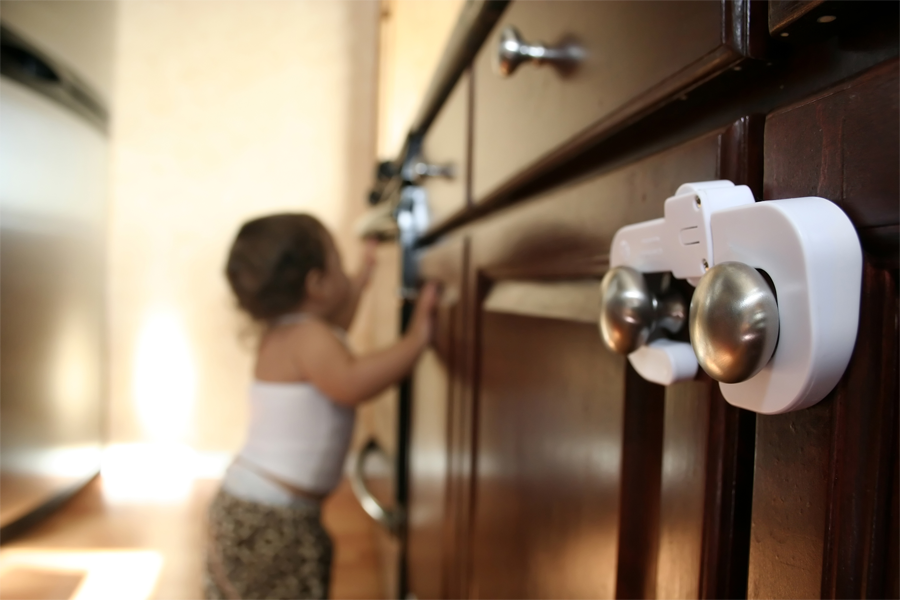
Nearly 2.3 million children are accidentally injured every year and more than 2,500 are killed, according to the U.S. Centers for Disease Control and Prevention. Since one of the biggest threats to children is an injury occurring at home, it is important to take preventative steps to childproof your home. While this may seem like a daunting task at first, this checklist includes basic tips, broken down by room, to help make your home safer for the whole family.
|
-

Our homes are filled with potentially hazardous household products we use for cleaning, gardening, auto maintenance and other activities around the house. These products may contain ingredients that can be hazardous when not used, stored, and disposed of properly. You can make your home safer and healthier by reducing exposure to hazards in your home by following these tips.
|
-
If your home is affected by a flood or other water-related disaster, fabric and clothing can become contaminated by floodwater, airborne mildew, or sanitation system failure. This guide provides steps to safely clean salvageable clothing and fabric items in order to save money, reduce waste, and keep people safe.
|
-
C 1047-2
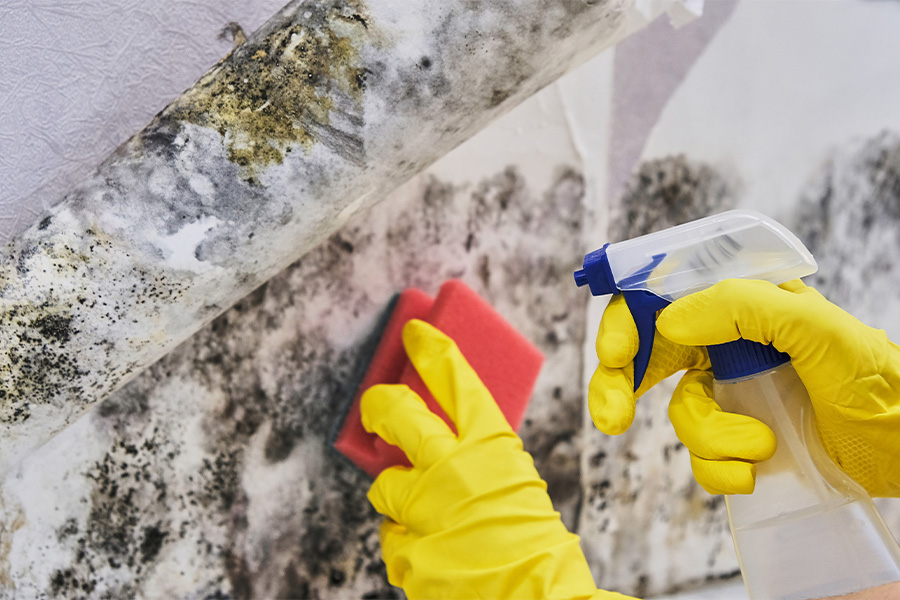
Removing Mold in Your Home
Mold grows from spores, which are found naturally in the air and cannot be seen by the naked eye. Do a complete inspection of your home using the UGA Mold and Moisture Checklist. The key to controlling mold is to eliminate the source of the moisture problem.
|
-
C 1047-1
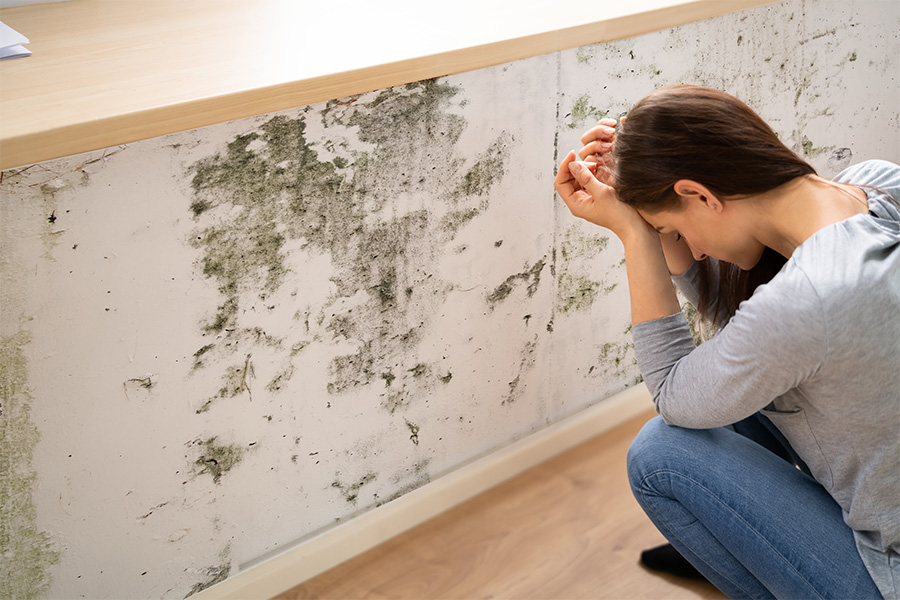
Preventing Mold in Your Home
Mold in your home is not only unsightly, it can also cause health problems. If you have mold growing in your home, you may experience allergy-like symptoms, asthma attacks, or other negative health effects. Learn how to prevent mold from becoming a problem in your home.
|
-
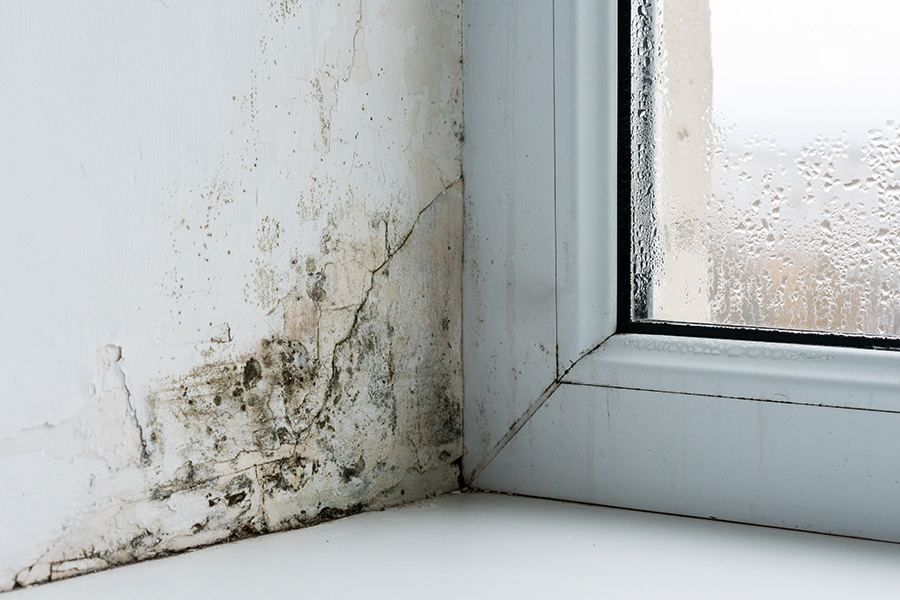
This resource provides a simple checklist residents can follow to inspect their homes for signs of excess moisture and mold growth. CAUTION: When investigating possible mold issues, you may disturb contaminated areas and further spread contamination into the rest of the home. This poses a serious health risk to those with compromised immune systems, asthma, or allergies.
|