Commercial Fruit Resources
-
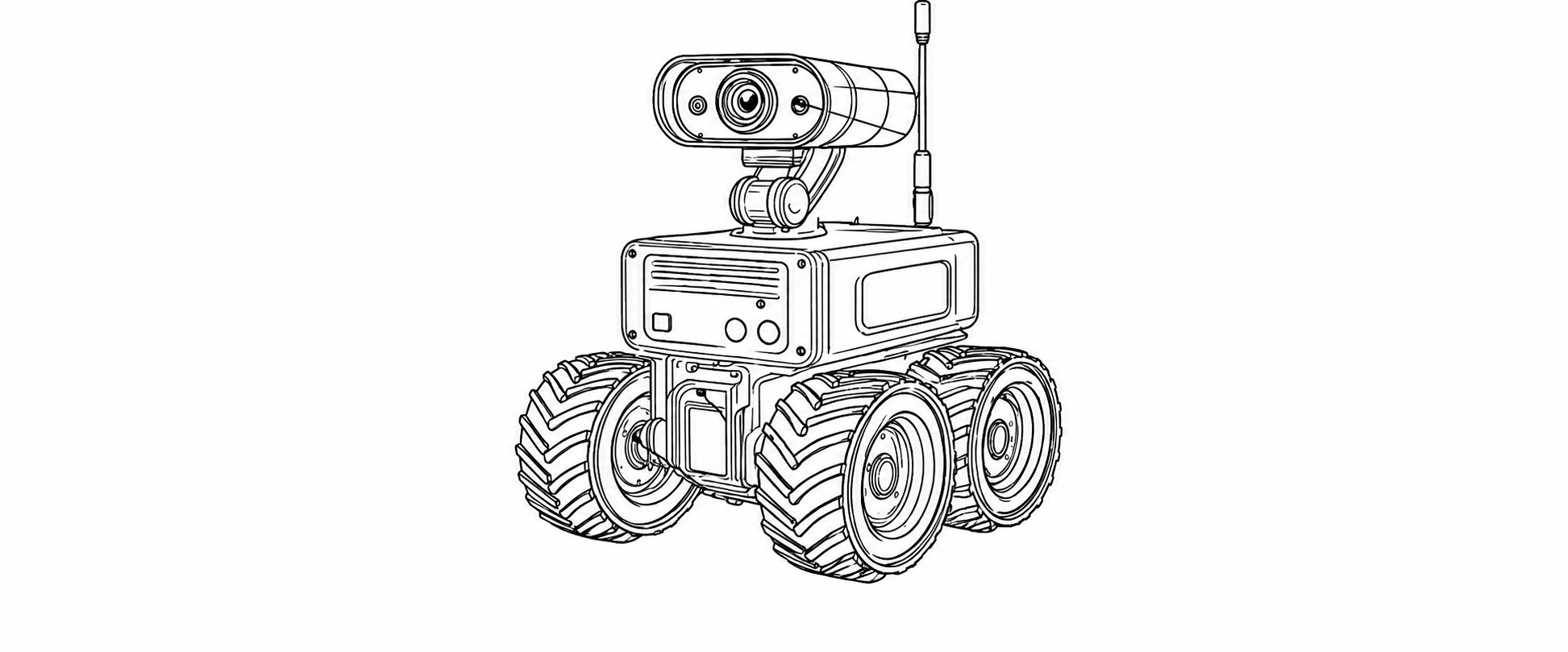
Robotics will soon become a common reality on farms. This Extension resource helps people to understand the basics of robotics for agriculture and the applications of these new machines.
|
-
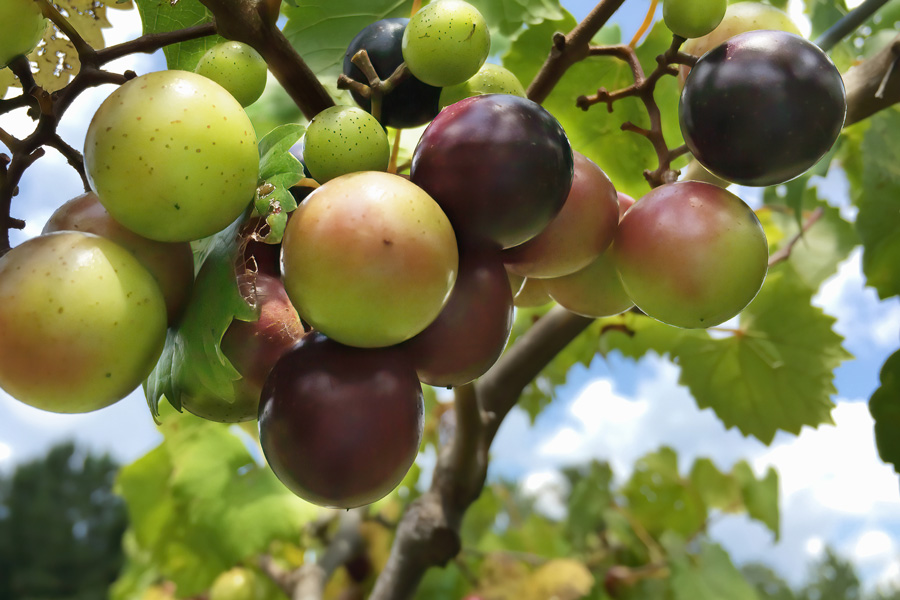
This 2026 update to the regional integrated pest management guide provides recommendations for muscadine grape production in the Southeastern U.S. Recommendations are based on information from the manufacturer’s label and performance data from research and Extension field tests. This publication is intended for use only as a guide. Specific rates and application methods are on the pesticide label, and these are subject to change at any time. This publication is a product of the Southern Region Small Fruit Consortium.
|
-
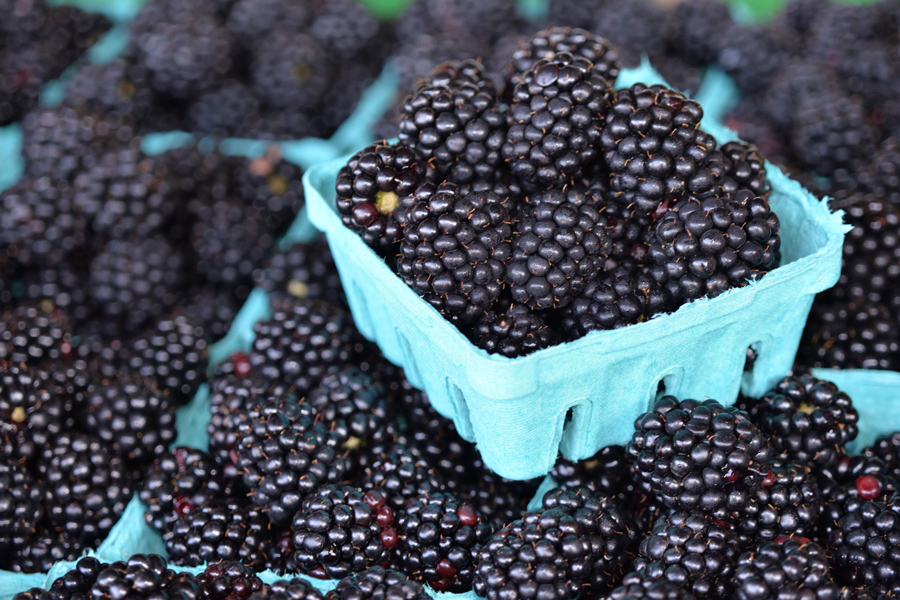
This integrated pest management (IPM) guide for blackberry and raspberry production includes management of diseases, insects, and weeds through IPM principles. Topics include pesticide stewardship and safety, insect and disease control, pre-transplant and transplant operations, fungicides and insecticide efficacy comparisons, and spray schedules, weed management, wildlife damage, and more. Recommendations are based on information from the manufacturer’s label and performance data from research and Extension field tests. Specific rates and application methods are on the pesticide label, and these are subject to change at any time. This publication is a product of the Southern Region Small Fruit Consortium.
|
-

SB 28-19
Fruit and Nuts Pest Management
Commercial insect and weed control in fruits and nuts. Updated annually.
|
-

Deciduous fruit plants common to Georgia must be propagated asexually because they do not come true to seed. This makes it necessary to reproduce the desired fruit plants by methods such as cuttings, runners, layering, budding or grafting. This publication discusses the common techniques used to asexually propagate fruit plants adapted to Georgia.
|
-
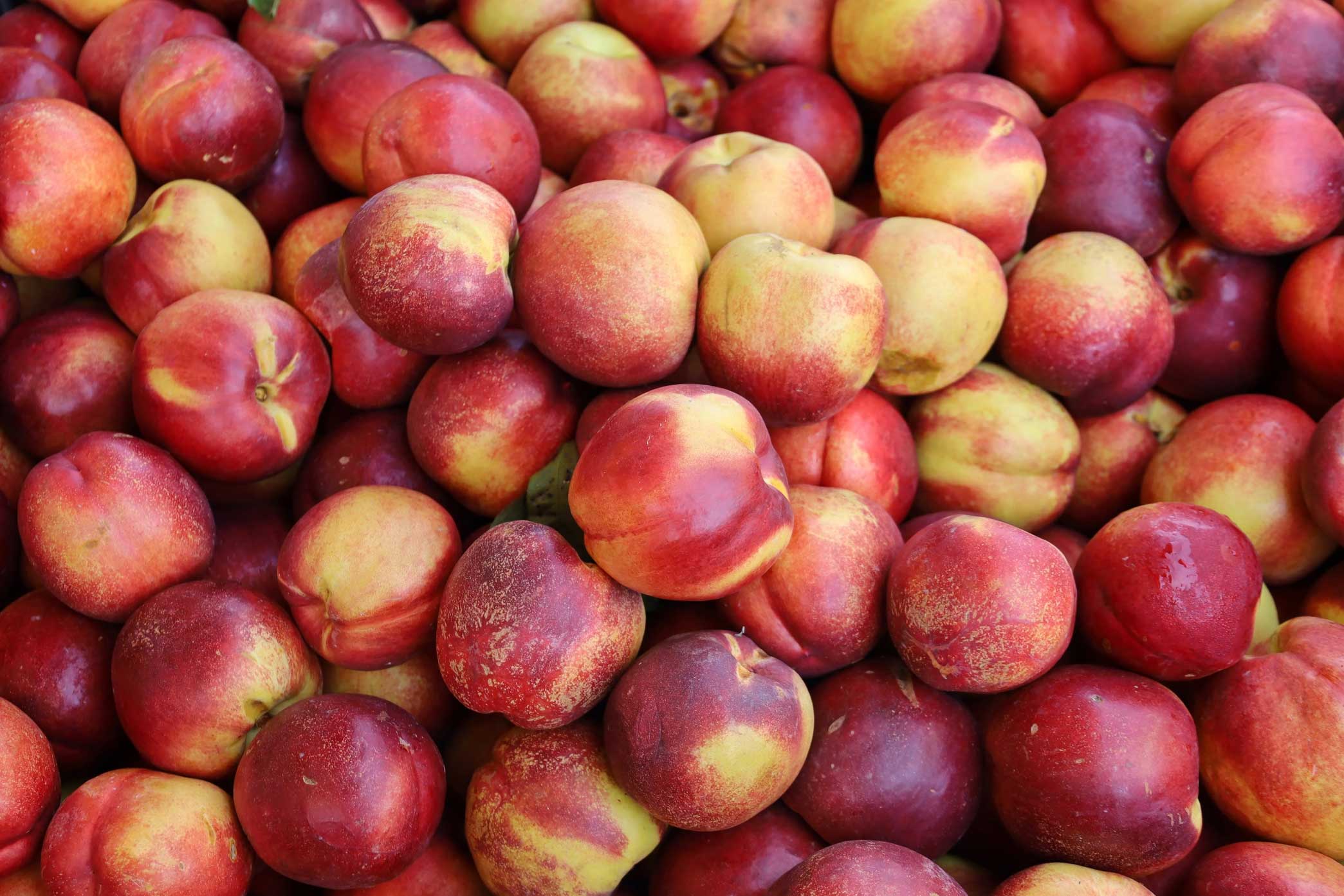
This guide covers multiple states and production areas. Pest problems vary across the Southeast. Pesticide rates are a guideline. Exceptions are noted for specific locations and pests, but this guide does not list every exception. Listed pesticides may not be registered for the uses recommended here in all states.
This guide is to be used only by commercial growers. Observe all label precautions and recommendations. Brand names of pesticides are given in the spray schedule as a convenience to the grower. They are neither an endorsement of the product nor a suggestion that other products with the same active ingredient are not effective.
|
-
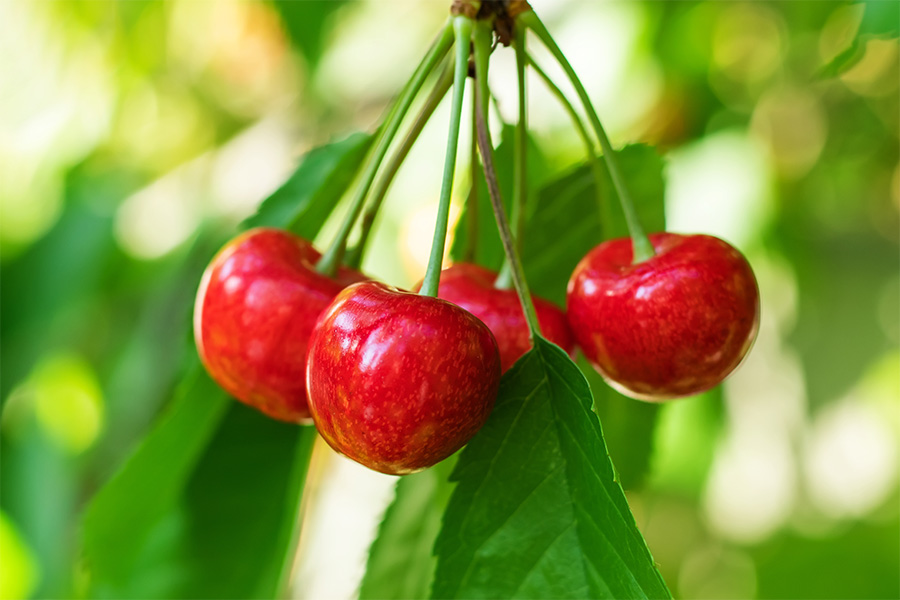
Many types of fruits and nuts can be grown in Georgia due to our mild climate. This publication provides an outline of the culture and management of the exotic and uncommon fruits and nuts that can be grown in Georgia.
|
-

To be more competitive, Georgia blueberry producers have to increase their yields to match or better the average U.S. values. This increase can occur through an improvement of the agricultural practices and a better mastery of blueberry cultivation. This publication contains information to help Southern Highbush blueberry growers in Georgia maximize their profits.
|
-
AP 130-4-10
2026 Fruits and Tree Nuts Outlook
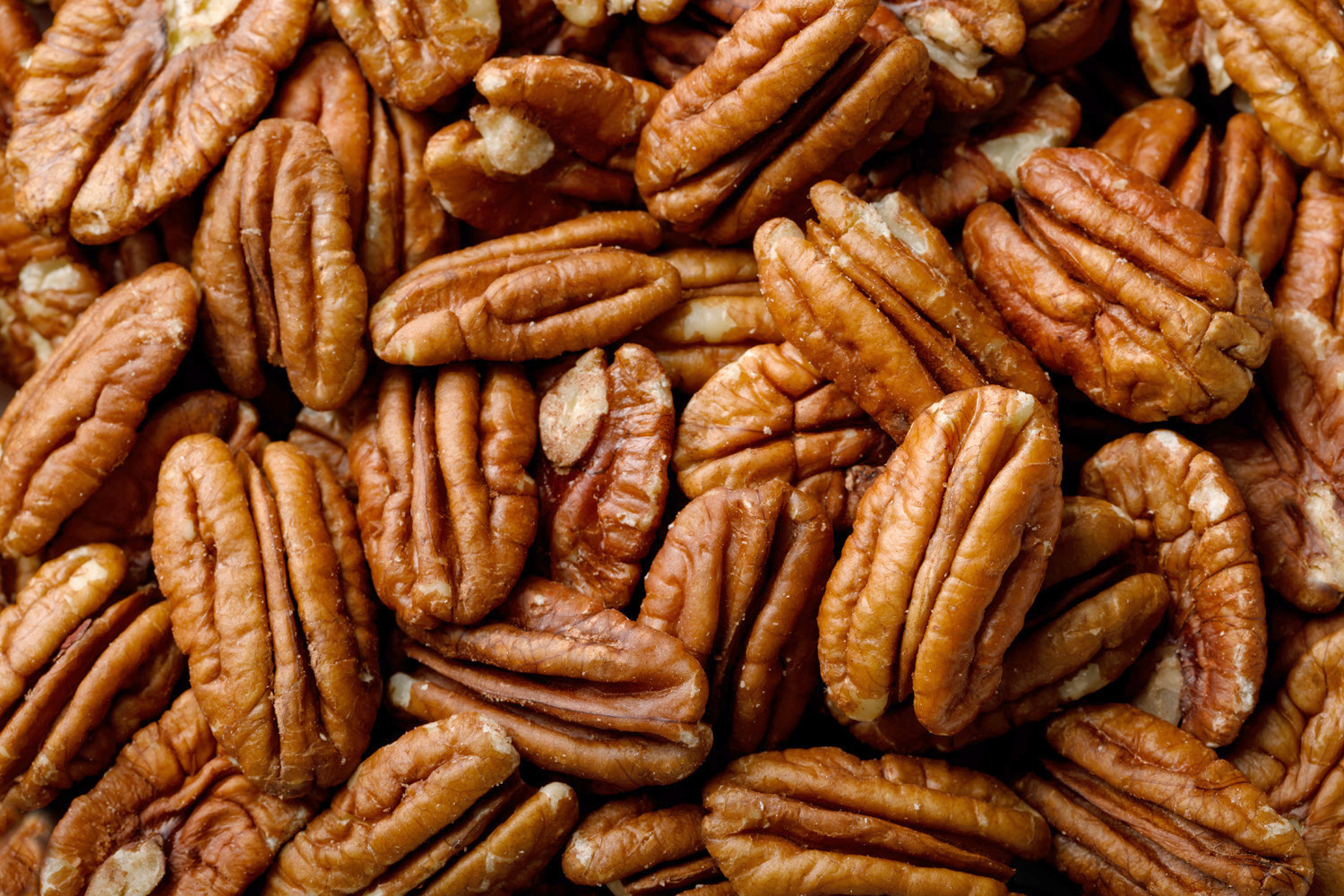
The key points for 2026 are: Blueberries will continue to lead the Georgia fruits and tree nuts industry in 2026 and subsequent years; it will be challenging for the Georgia pecan industry to regain its leadership position in the fruits and nuts category, but the industry will remain strong in 2026; consumer and grower price indexes will remain strong in 2026.
|