Fruit and Vegetable Production Resources
-
 Renewed
The southeastern peach industry is known for the high quality of its fresh peaches. As a new peach season approaches, it is time to ready the packinghouse for output of the best peach product.
|
-
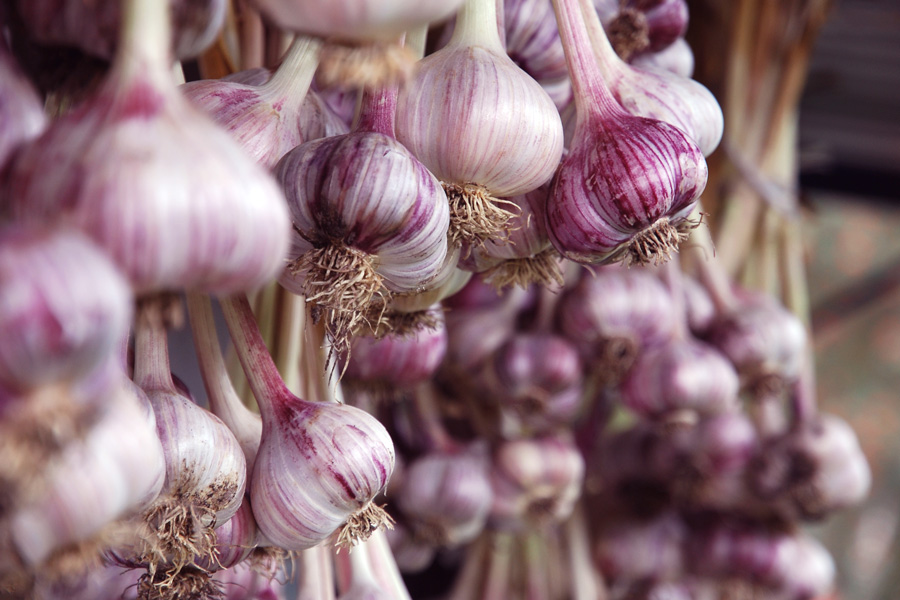
This resource discusses how garlic, elephant garlic, and leek can be grown successfully in South Georgia.
|
-
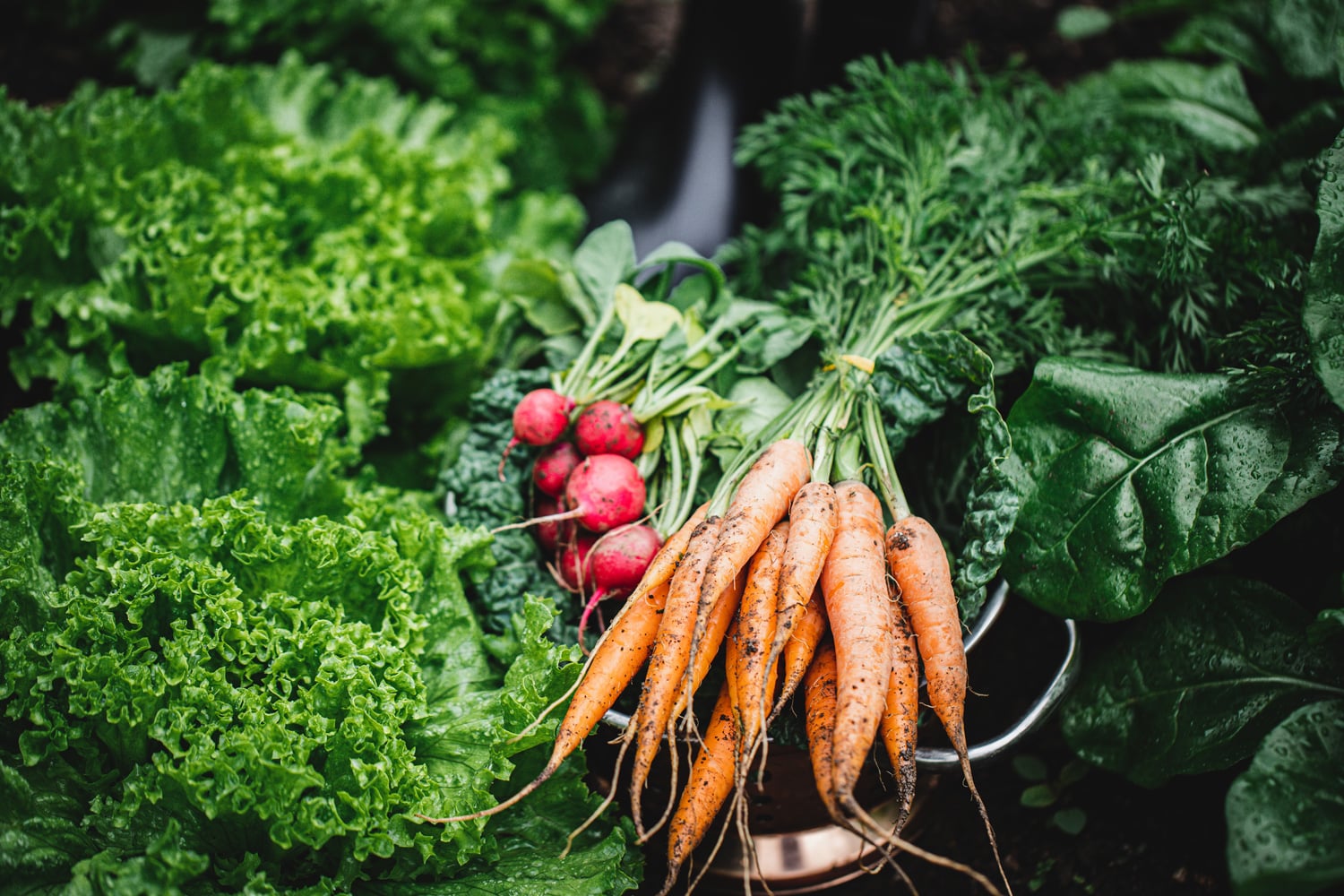
Vegetables require careful handling, storage, and monitoring to ensure the maximum postharvest life span. Because we are dealing with live organisms, the maximum attainable shelf life of vegetables can easily be affected depending on preharvest and postharvest factors that often manifest during storage. Following storage recommendations for each specific commodity helps to ensure the best quality and marketability of fresh produce. This circular contains basic guidance for the storage of most of Georgia-grown vegetables.
|
-
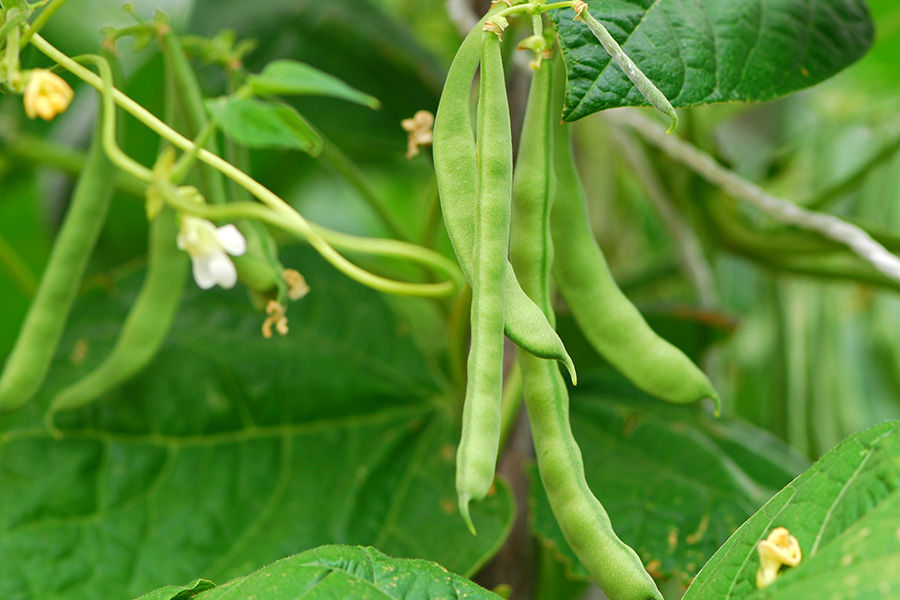
C 1006
Home Garden Green Beans
This resource provides basic information on growing green beans, one of the most popular vegetables for the home garden.
|
-
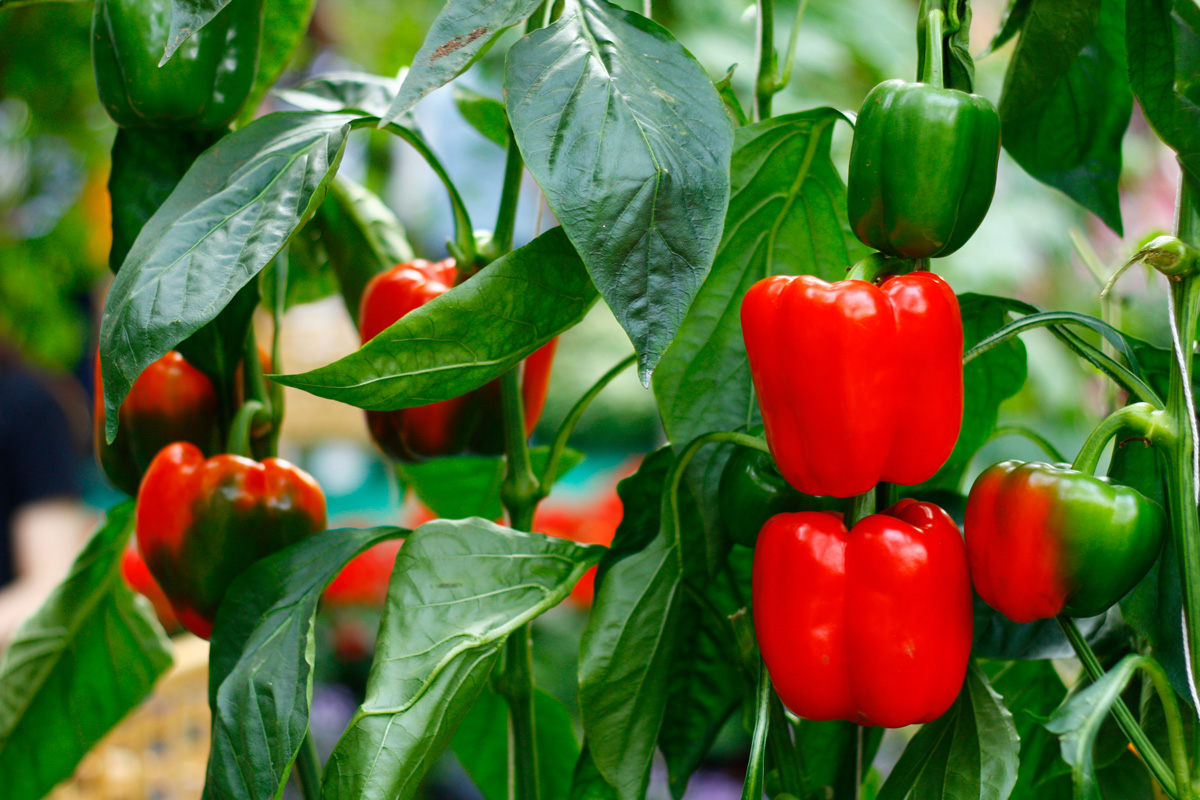
C 1005
Home Garden Peppers
Learn how to grow delicious peppers at home! The most popular pepper varieties are easy to grow, as long as you understand and follow a few basic gardening principles.
|
-

This report provides research and extension results for trials conducted by the University of Georgia Vegetable Team and its collaborators in the 2024-2025 growing season. The goal of this project was to find potential ways to manage wild radish in seeded greens such as mustard, turnips, collards, and others. Wild radish, a member of the mustard family, has historically been recognized as a winter annual weed mainly infesting winter crops grown across the Southeast. Contributing authors include county and regional faculty as well as specialists from UGA’s horticulture, plant pathology, crop and soil sciences, and entomology departments. All research has been supported by the Georgia Commodity Commission for Vegetables.
|
-
AP 113-07-03
Support of UGA Georgia Weather Network in 2025
The University of Georgia weather network provides weather information to growers in the state of Georgia from a network of 90 automated weather stations distributed across the state. This network is vital to serving the needs of vegetable growers across the state. All research in the 2025 Vegetable Extension and Research Report has been supported by the Georgia Commodity Commission for Vegetables.
|
-
This report provides research and extension results for trials conducted by the University of Georgia Vegetable Team and its collaborators in the 2024-2025 growing season. Pepper weevil is a key insect pest of peppers; in Georgia, overwintering monitoring of weevil populations has demonstrated that pepper weevil now overwinters throughout southern Georgia, including all of our primary pepper production areas. Contributing authors include county and regional faculty as well as specialists from UGA’s horticulture, plant pathology, crop and soil sciences, and entomology departments. All research has been supported by the Georgia Commodity Commission for Vegetables.
|
-
This report provides research and extension results for trials conducted by the University of Georgia Vegetable Team and its collaborators in the 2024-2025 growing season. Insects continue to represent significant threats to the production of most, if not all, of our vegetable crops. While multiple approaches are used to manage insect pests, insecticides remain a key component for rapid response when pest populations exceed acceptable levels. Contributing authors include county and regional faculty as well as specialists from UGA’s horticulture, plant pathology, crop and soil sciences, and entomology departments. All research has been supported by the Georgia Commodity Commission for Vegetables.
|