Fruit and Vegetable Production Resources
-

This report provides research and extension results for trials conducted by the University of Georgia Vegetable Team and its collaborators in the 2024-2025 growing season. Continued funding from the Georgia Agricultural Commodity Commission for Vegetables has been crucial in supporting the Plant Disease Clinic as it provides advanced, precise, and timely diagnostic testing for vegetable samples at no cost to Georgia growers on a first-come, first-served basis. Contributing authors include county and regional faculty as well as specialists from UGA’s horticulture, plant pathology, crop and soil sciences, and entomology departments. All research has been supported by the Georgia Commodity Commission for Vegetables.
|
-
This report provides research and extension results for trials conducted by the University of Georgia Vegetable Team and its collaborators in the 2024-2025 growing season. Contributing authors include county and regional faculty as well as specialists from UGA’s horticulture, plant pathology, crop and soil sciences, and entomology departments. All research has been supported by the Georgia Commodity Commission for Vegetables.
|
-
This report provides research and extension results for trials conducted by the University of Georgia Vegetable Team and its collaborators in the 2024-2025 growing season. Management of diseases is necessary to protect crops against disease pathogens and reduce their spread in vegetable fields. This study aims to detect Phytophthora blight severity, a major disease affecting pepper plants, using drone technologies. Contributing authors include county and regional faculty as well as specialists from UGA’s horticulture, plant pathology, crop and soil sciences, and entomology departments. All research has been supported by the Georgia Commodity Commission for Vegetables.
|
-
This report provides research and extension results for trials conducted by the University of Georgia Vegetable Team and its collaborators in the 2024-2025 growing season. The objective of this study was to determine the effect of postharvest oxalic acid treatments on the postharvest physical and chemical attributes of cucumbers. Contributing authors include county and regional faculty as well as specialists from UGA’s horticulture, plant pathology, crop and soil sciences, and entomology departments. All research has been supported by the Georgia Commodity Commission for Vegetables.
|
-
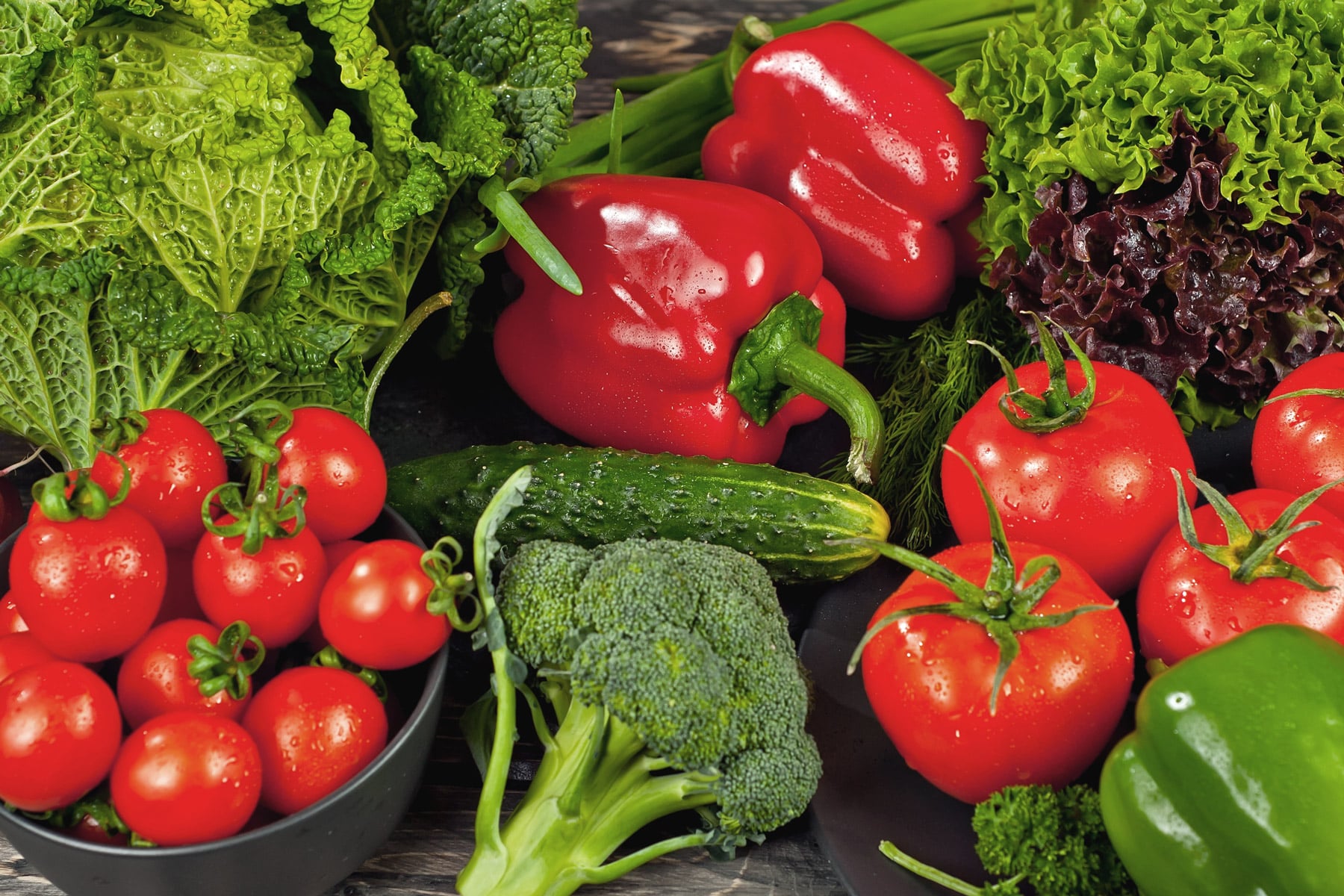
AP 113-07-01
2025 Vegetable Extension and Research Report
This report provides research and extension results for trials conducted by the University of Georgia Vegetable Team and its collaborators in the 2024-2025 growing season. Contributing authors include county and regional faculty as well as specialists from UGA’s horticulture, plant pathology, crop and soil sciences, and entomology departments. All research has been supported by the Georgia Commodity Commission for Vegetables.
|
-
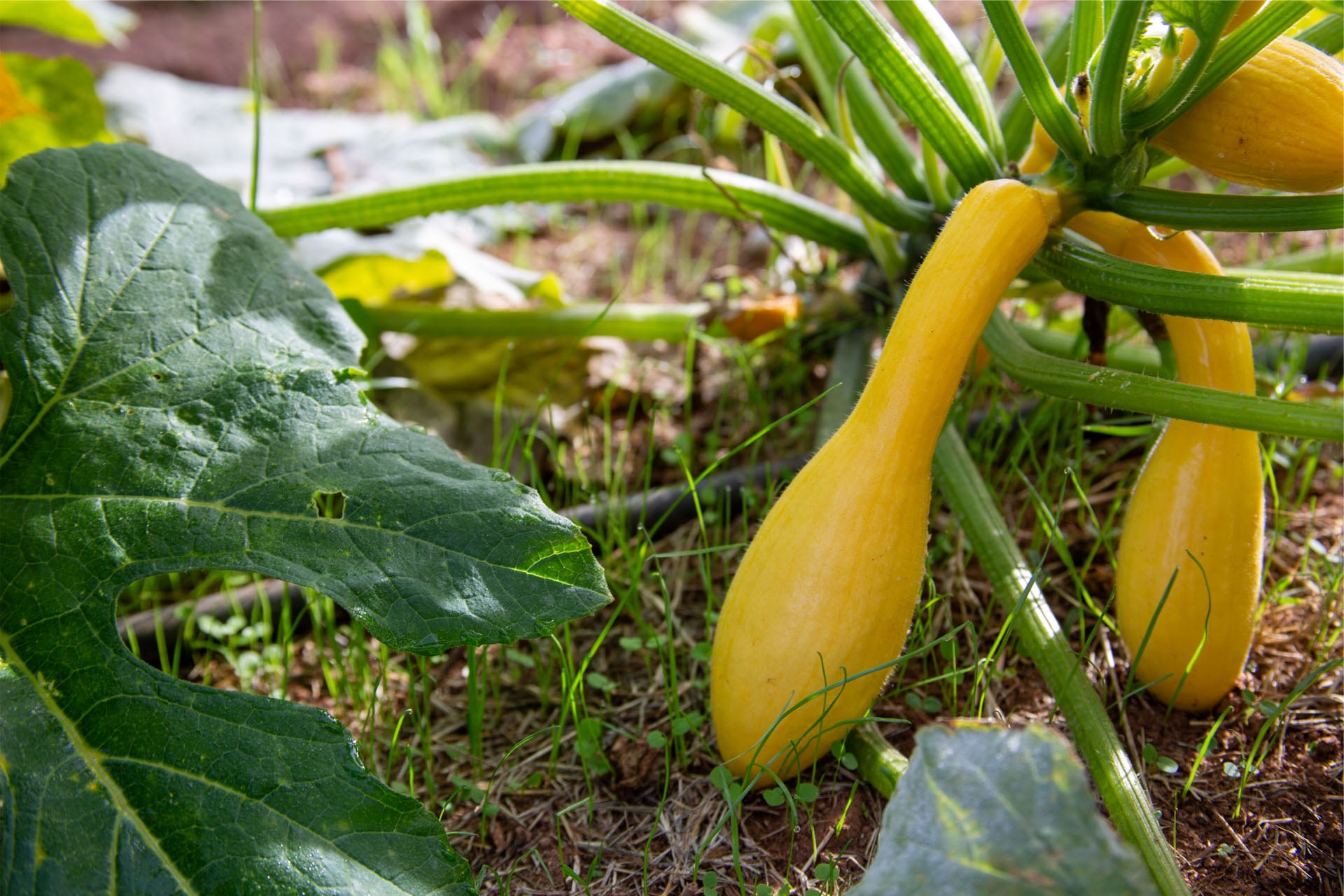
This resource provides a step-by-step guide to test for residual aminopyralid herbicide in soils using a simple bioassay (by growing test squash or green bean plants).
|
-
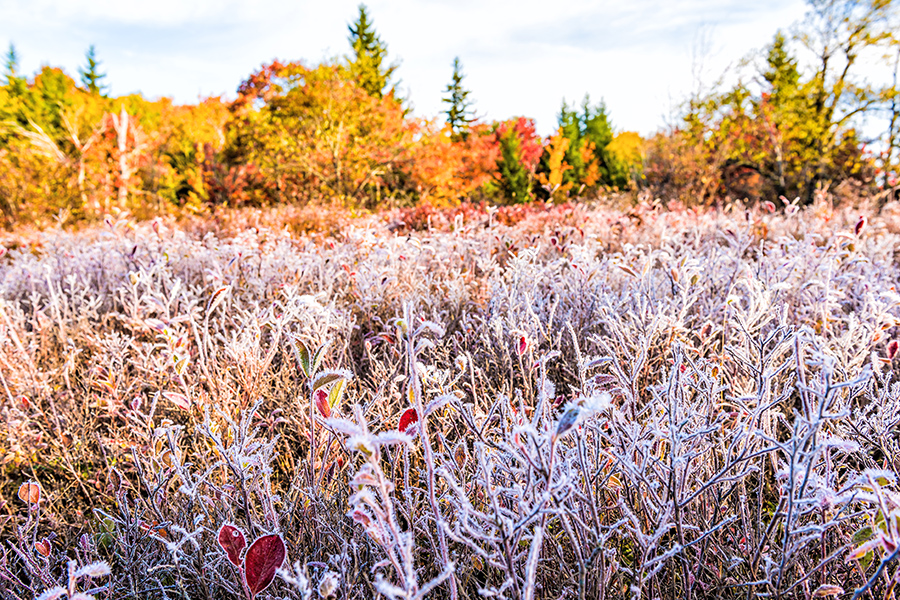
Frost protection systems tremendously benefit commercial blueberry production in Georgia. These systems are expensive and usually configured as overhead irrigation systems. For the system to provide protection, it must operate as soon as it’s needed. The best practice for maintaining a frost protection system is to perform preventative maintenance service every late fall or early winter. This publication offers blueberry growers suggestions on how to prepare their frost protection systems for future operation. Recommendations include a check-off list for maintenance and inspection of overhead irrigation systems, important considerations when preparing for freeze events.
|
-

The field is a complex environment with many factors that can interact to influence the growth of a corn plant. These factors can be living in the form of insects, diseases, nematodes and weeds; or, they can be non-living such as weather, nutrients or chemicals. In the proper combination of factors, corn can produce more than 200 bushels per acre in the Southeast; or in a totally unfavorable combination, every corn plant can die. When a problem is identified, it is important to determine the extent and severity of the problem to decide whether corrective measures are necessary or available. Use this guide and other technical information before implementing any management decision.
|
-
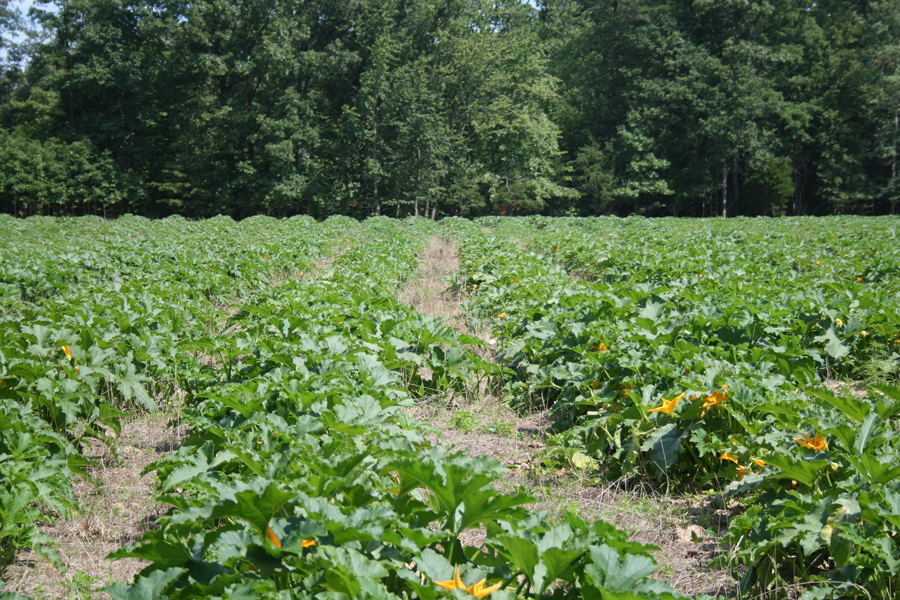
Conservation tillage with agronomic crops has been successful in Georgia production. Such production practices have several benefits, the most notable being the elimination of soil erosion. Other benefits include but aren’t limited to increases in soil organic matter, maintaining healthy root-zone soil, reduction of riparian and waterway pollution, and water conservation.
|