Community Gardens
-
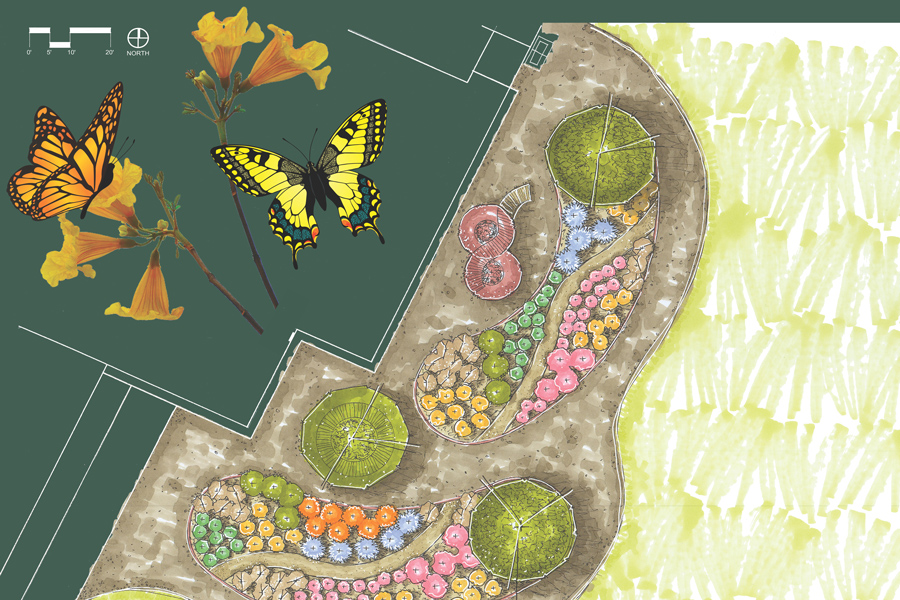
The lead author of this publication is Katherine Melcher, College of Environment and Design. The UGA Extension contact for the publication’s content is Becky Griffin. These appendices provide information about plants that grow well in Georgia’s Piedmont Ecoregion, as well as to-scale plant symbol and plant ID card templates for use in creating design plans.
|
-

Consumer horticulture is the cultivation, use, and enjoyment of plants, gardens, landscapes, and related horticultural items to the benefit of individuals, communities, and the environment. These activities rely on the understanding and application of the art and science of horticulture. This publication focuses on what consumer horticulture provides for the environment.
|
-
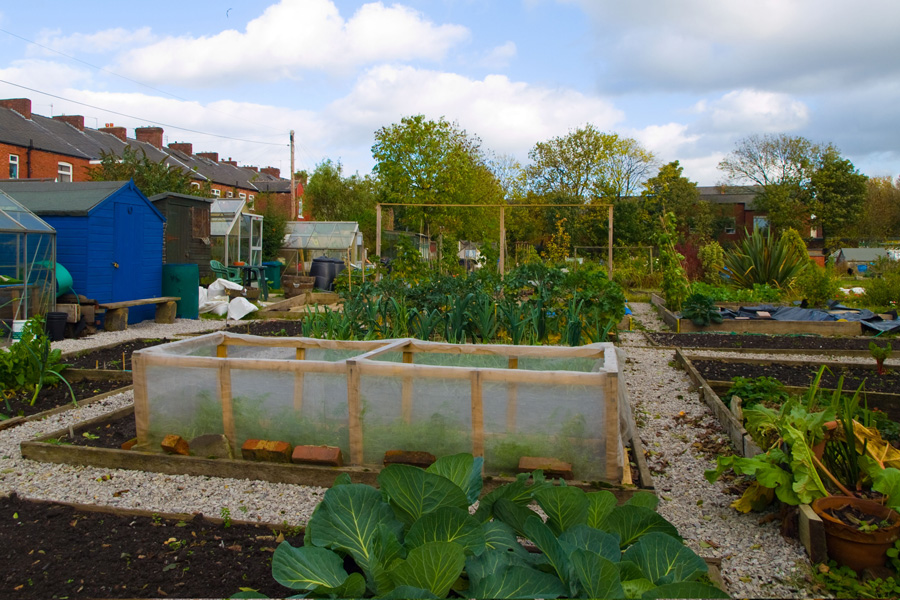
Community gardening involves cultivating people and relationships, as well as the soil. This resource provides guidance and suggestions that will help you create a successful community garden.
|
-

C 1202
Connecting People and Plants
Consumer horticulture touches all our lives, whether in a bustling downtown area, the open countryside, or anywhere in between. Consumer horticulture supports human health, community beautification, environmental stewardship, local food, and more. Consumer horticulture benefits us when we tend a container garden, visit and play in a park or public garden, and grow plants indoors or outdoors.
|
-

The plants and gardens that we tend matter for our personal health. They can enhance our homes, making them a haven for rest and well-being. They provide much-needed exercise, nutrition, and diversion while also providing the space to make important community connections.
|
-
C 1027-1
Planning an Edible Garden
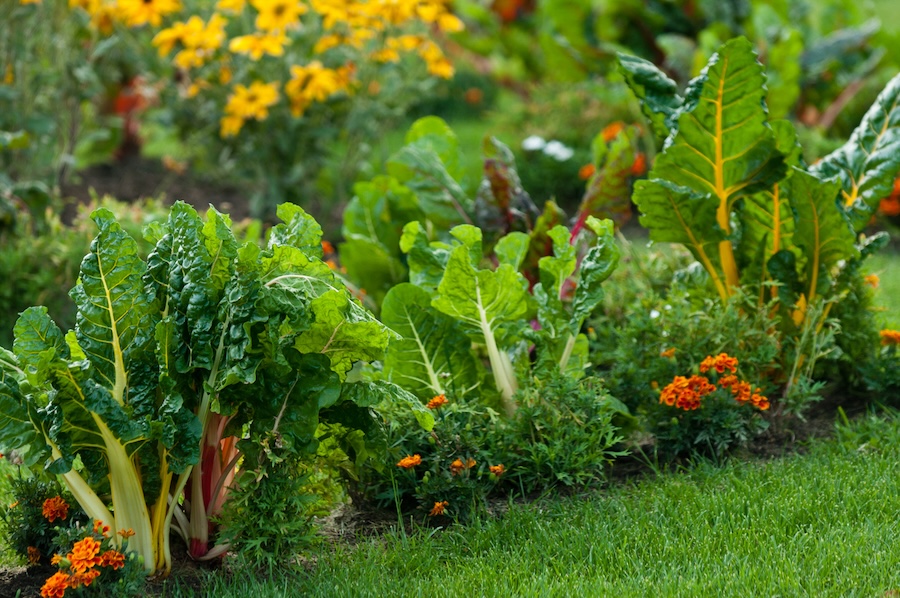
This publication describes three steps for planning a school garden: garden location, soil and terrain, and choosing crops.
|