Cotton Resources
-

This quick reference guide provides an overview of common pests and predator groups and their sizes, habitat preferences, and timing in cotton fields. This visual guide is intended to help facilitate future scouting and provide information on common predatory arthropods in Georgia cotton systems. When growing cotton, scouting for key pests and beneficials is critical to making informed and cost effective management decisions.
|
-

This planting guide will help producers establish grasses and legumes commonly grown in Georgia.
|
-

SB 28-16
Cotton Pest Management
Commercial insect and weed control in cotton. Updated annually.
|
-

AP 130-4-04
2026 Cotton Outlook and Market Situation
The key points for the 2026 season are: Cotton remains financially strained by high input costs, elevated interest rates, and weak prices, which have left U.S. cotton producers with ongoing negative profit margins, continuing a long-term trend of economic losses. Rising Brazilian production, China’s diversification away from U.S. cotton, and global stocks exceeding demand have intensified market competition and kept cotton prices suppressed. With cotton futures in the mid-60s, limited demand recovery, and production costs still high, growers must carefully manage expenses and adopt strong marketing strategies to reduce financial risk.
|
-
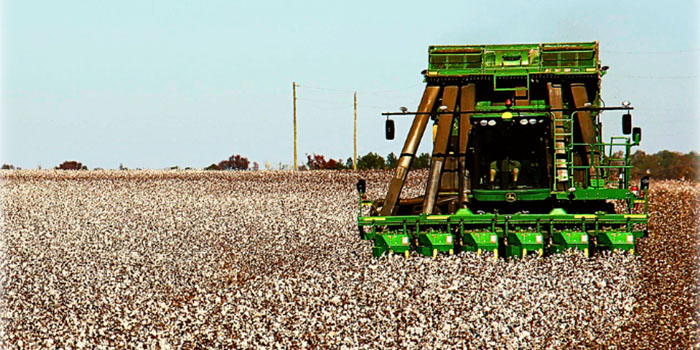
This publication provides a step-by-step procedures to calibrate the module handler weighting system and the on-board yield monitor on John Deere round module cotton harvesters.
|
-

AP 130-3-07
2025 Cotton Outlook and Market Situation
1. Cotton prices are anticipated to stay low in 2025, driven by sluggish global economic growth, declining consumer demand, and rising trade uncertainty.
2. U.S. cotton acreage and production are likely to remain at current low levels in 2025 because of relatively weaker price expectations compared to competing crops.
3. Cotton production in 2025 is expected to face limited opportunities for profitability recovery, constrained by high input costs and low prices.|
-
AP 124-4
2024 Georgia Cotton Production Guide
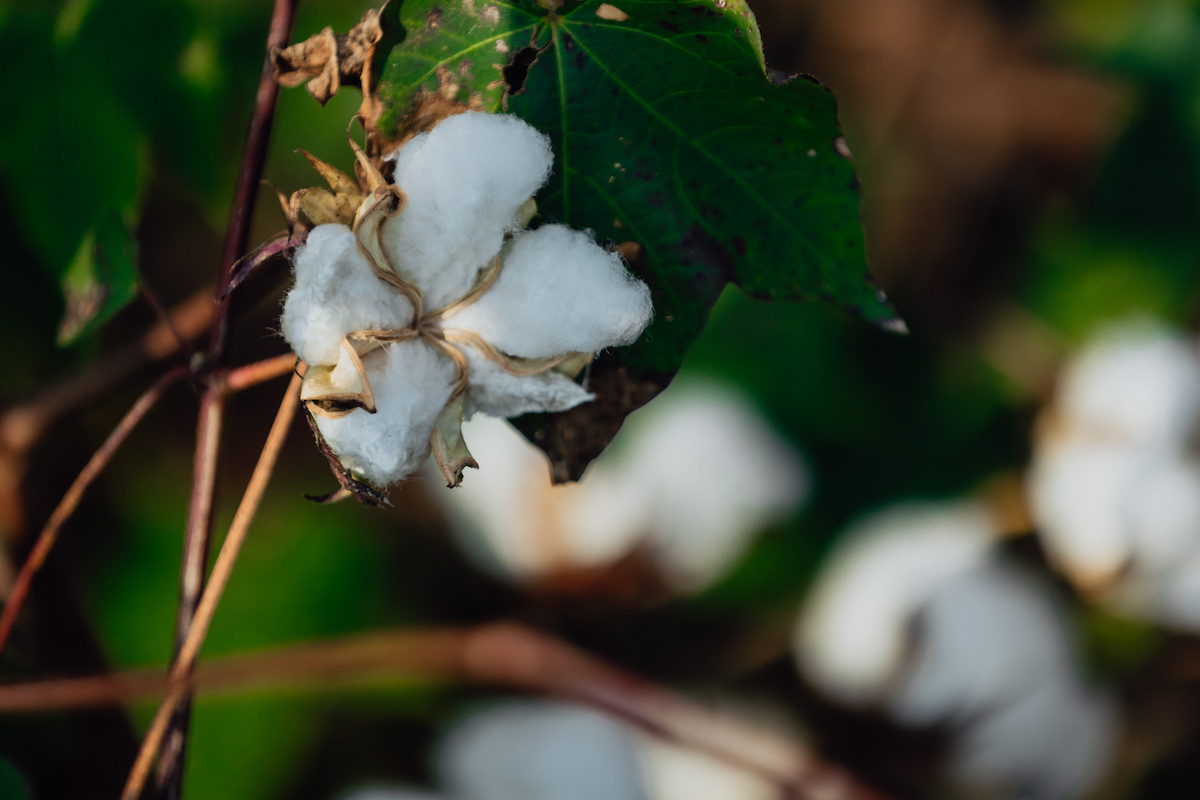
The 2024 edition of the cotton production guide provides an in-depth look at cotton production in Georgia and the Southeastern U.S. Issues discussed include economic outlook, fertility, weed management, insect management, disease and nematode management, irrigation decisions, precision ag technology, and general agronomics of the cotton crop (varieties, PGR applications, defoliation, etc.).
|
-
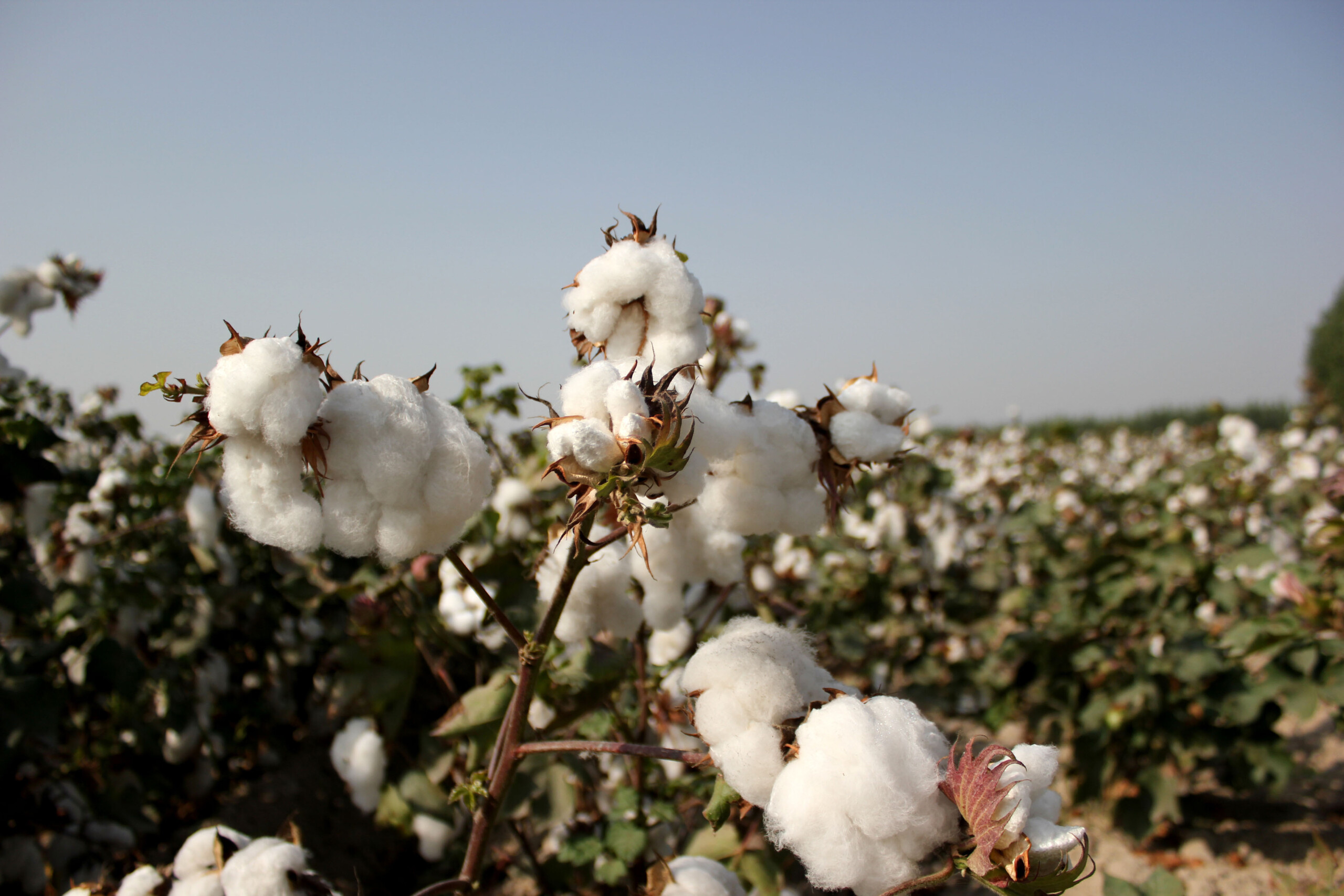
In 2010, the UGA cotton agronomists implemented this variety testing program. Our industry partners were asked to provide their most well-suited varieties for Georgia. Historically, the varieties evaluated in this trial have accounted for nearly 75% of the planted acreage in Georgia in the same year. These varieties were planted in replicated trials in growers’ fields throughout cotton-producing regions of Georgia, through coordination with the county Extension agents. The trials were managed and replicated by the grower with the assistance of the coordinating county agent to achieve realistic and statistically sound results.
|
-

Cotton defoliation is a complex production decision with many chemical options to consider. Harvest aids are utilized to prepare the crop for machine harvest, and timely defoliation and harvest of cotton can reduce weathering losses (yield and quality) and decrease trash in the lint. A basic knowledge of crop development and maturity as well as an understanding of the physiological effects of harvest aids on cotton plants is necessary in making decisions concerning defoliation.
|