Dairy Resources
-
This guide is designed to help you improve your reasons for your placings in dairy cattle evaluations. Slowly incorporate new terms into your oral reasons and your ability to describe what you see will continue to improve. Concentrate on what you see instead of what you don’t see. You only have 2 ½ minutes to justify your placings. Use I.D. points, and Practice! Practice! Practice!
|
-
B 1227-SP
Programas de Sincronización de Hatos
Los datos del programa Dairy Records Management Systems (DRMS) demuestran que hatos de alta producción tienen índices de concepción bajos, y estos tienen también pasarán menos días abiertos y tienen una mayor taza de detección de celo.
[This publication describes dairy herd synchronization programs will help improve your reproductive management efficiency. Try the one that fits your management system the best. Both estrus and ovulation synchronization programs will help get more animals bred more efficiently. Feeding open animals extra days can be costly to producers. Identify open animals and pick the best breeding alternative for your operation.]
|
-
La detección de celo es el primer paso para hacer que un animal se preñe. De acuerdo con los registros de la Asociación Nacional para la Información de Hatos Lecheros (DHIA por sus siglas en inglés) los productores en Georgia solo ven un tercio de los celos. Los celos perdidos son uno de varios factores que contribuyen a intervalos largos entre partos. Al aumentar el número de celos observados es posible disminuir el tiempo entre partos.
[When the time comes to examine a herd’s dairy reproductive management program, producers often want to discuss low conception rates. In most cases, however, inadequate heat detection is the much greater reproductive problem. Heat detection is the first step to getting an animal bred. According to DHIA records, producers in Georgia are only seeing a third of their heats. Missed heats are one of several factors that contribute to long calving intervals. By increasing the number of heats observed, it is possible to shorten the interval between calves.]
|
-

Problem identification is the first step in establishing objectives and goals to improve reproductive management in a dairy herd. Management is determining what must be done and achieving results through the efforts of yourself and your employees. Use the following worksheet to evaluate herd reproductive performance and set goals to improve your breeding strategies. Then develop a tactical plan to achieve these goals using the second worksheet. List those involved on your management team and their responsibilities.
|
-

This publication provides reproduction benchmarks for Holstein herds processed by Dairy Records Management Systems. Some examples of using and applying benchmark values are provided; however, this publication should be viewed primarily as a comprehensive resource for reproduction benchmark values. These benchmarks will be useful to dairy producers, dairy managers, consultants, veterinarians and agribusiness representatives as a first step in the analysis of herd management practices.
|
-
Early identification and diagnosis of reproductive problems through a herd health program are an essential part of successful dairy management. A cow must be pregnant by 85 days postpartum to achieve a 12-month calving interval. This is the backbone of sound reproductive management in an economical dairy business. Many factors during the dry period, parturition and early lactation can lower reproductive efficiency. These include mastitis, cystic ovaries, lack of body condition, retained placentas and anestrus. These postpartum problems lengthen calving intervals and affect reproductive efficiency.
|
-
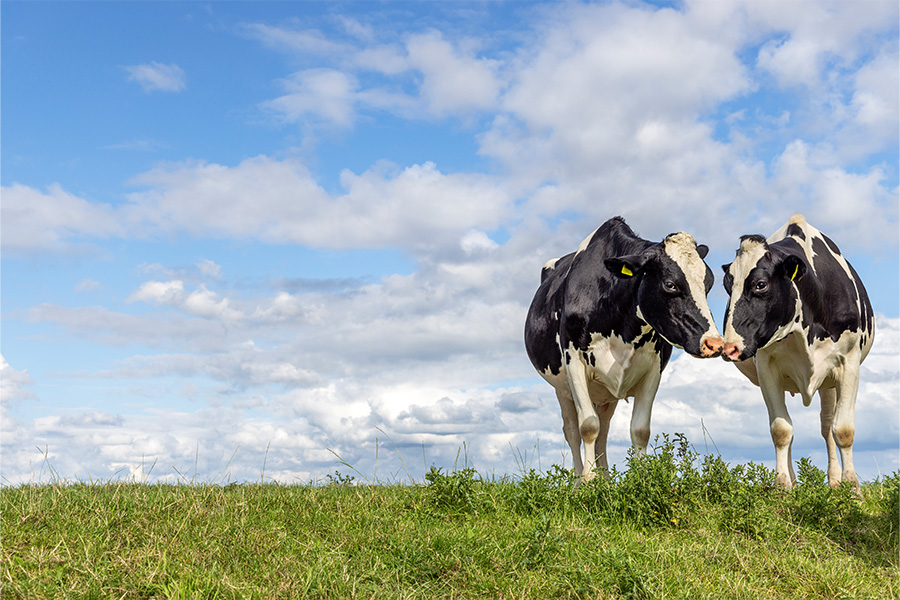
When the time comes to examine a herd’s dairy reproductive management program, producers often want to discuss low conception rates. In most cases, however, inadequate heat detection is the much greater reproductive problem. Heat detection is the first step to getting an animal bred. According to DHIA records, producers in Georgia are only seeing a third of their heats. Missed heats are one of several factors that contribute to long calving intervals. By increasing the number of heats observed, it is possible to shorten the interval between calves.
|
-
B 1211-SP
Resolviendo Problemas Después del Parto
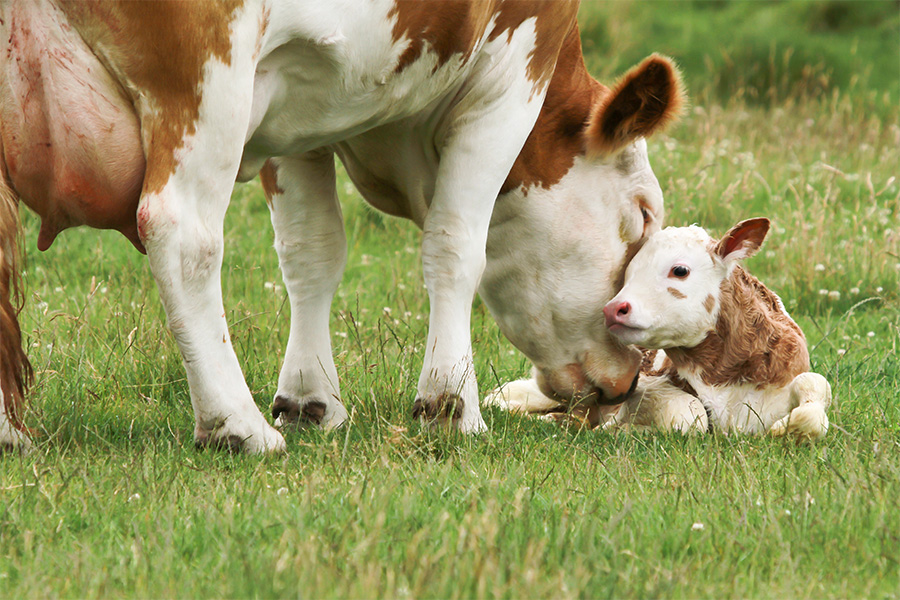
La identificación y el diagnóstico temprano de problemas reproductivos relacionados a nuestro programa de salud del hato es una parte esencial de un manejo eficiente de nuestra producción lechera. Muchos factores durante el periodo horro (seco), el parto y la lactancia temprana pueden disminuir la eficiencia reproductiva. Estos incluyen la mastitis, quistes ováricos, falta de condición física (body condition), placentas retenidas y anestro. También, ciertos desordenes pueden ocurrir simultáneamente. Por ejemplo, una vaca con fiebre de leche frecuentemente padece de una placenta retenida. Estos problemas post-parto alargan los intervalos entre partos y afectan la eficiencia reproductiva.
|
-
This publication describes dairy herd synchronization programs will help improve your reproductive management efficiency. Try the one that fits your management system the best. Both estrus and ovulation synchronization programs will help get more animals bred more efficiently. Feeding open animals extra days can be costly to producers. Identify open animals and pick the best breeding alternative for your operation.
|