Departments and Units Resources
-

Hophornbeam copperleaf has become an increasing problem in agricultural fields throughout Georgia. It can occur at densities that have the potential to reduce yields and influence harvest efficiency. Hophornbeam copperleaf is also known as three-seeded mercury.
|
-
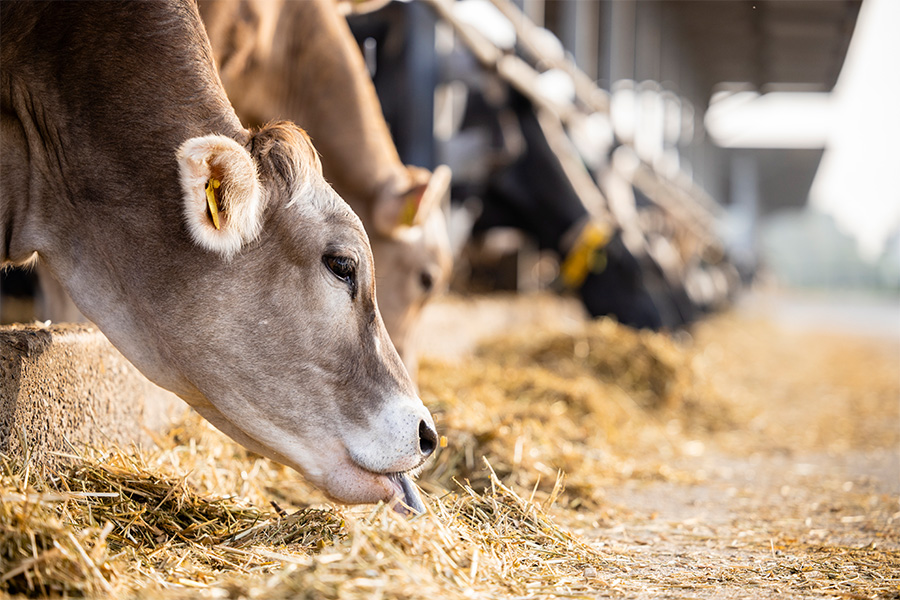
With the growth of the ethanol industry in recent history, the availability of distillers grains, a byproduct of ethanol production, has increased. Distillers grains can serve as an excellent source of nutrients for beef cattle. However, several considerations must be taken into consideration before utilizing this resource. These include economics, nutrient content and potentially deleterious effects when fed improperly. This publication will provide guidelines and examples of how to use this feed resource.
|
-

Research on improving broiler housing is ongoing. Energy costs are becoming more significant to the grower’s bottom line and housing construction, equipment and operation will be paramount in helping to make sure the houses are operated as efficiently as possible. As technology and equipment is redesigned and developed, researchers will continue to examine how broiler housing can be heated, cooled, and built in such a way that modern broilers continue to reach their genetic potential using the most economical and efficient methods.
|
-

It is widely accepted that storing farm equipment under a shelter is better than storing it outside and that hay stored in a barn is better than hay stored in the field. But how can we determine just how much a farm storage building is worth? The answer is different for every individual operation, but there are some guidelines that will help you make an intelligent decision about whether or not you can afford a building (or afford not to have one).The following is a discussion of the costs and benefits of owning a building, along with some example calculations. In each example, you are given the opportunity to substitute your figures, which might more accurately reflect your local markets and conditions.
|
-

This report includes results of the 2016-2017 performance tests of small grains used for grain and forage. Grain evaluation studies were conducted in five locations in Georgia, including Tifton, Plains, and Midville in the Coastal Plain region; Athens in the Piedmont region; and Calhoun in the Limestone Valley region. Small grain forage evaluation tests were conducted at five locations in Georgia and Florida, including Tifton and Plains in the Coastal Plain region, Athens in the Piedmont region, Calhoun in the Limestone Valley region, and at Marianna, Florida.
|
-
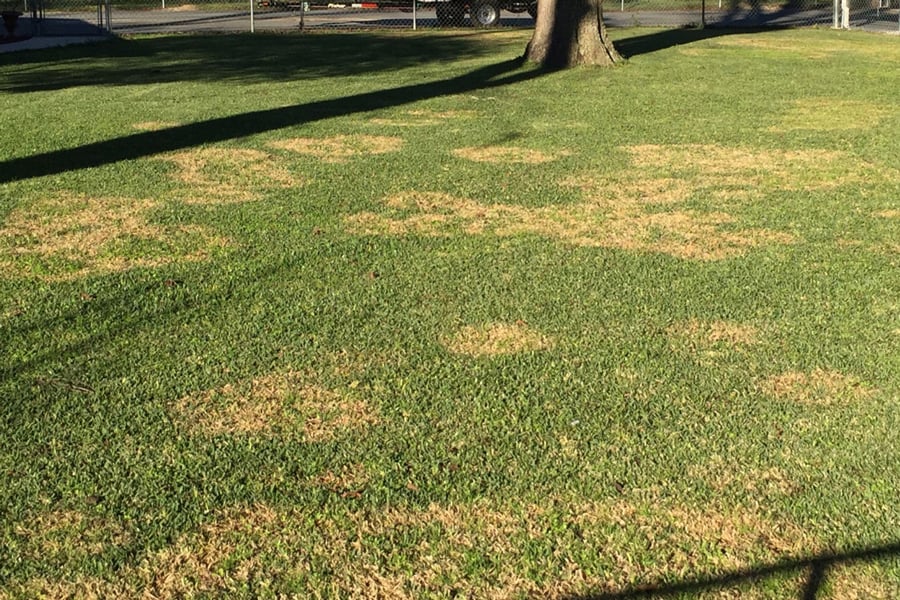
This publication includes a summary of the impact of plant disease on the major crops produced in Georgia. It’s published annually by the Department of Plant Pathology and is compiled based on input from department Extension personnel.
|
-

Georgia ranks in the nation’s top 10 in cowpea (southern pea, Vigna unguiculata) production, with estimates of more than 4,900 acres grown in approximately 49 of 159 counties in the state in the 2014 production season. Colquitt County, located in southwest Georgia, leads the state in production with 1,900 acres. This cowpea crop profile is the first in the Southeast United States and will support cowpea growers, pest manager, and state research and Extension grant proposal applications.
|
-
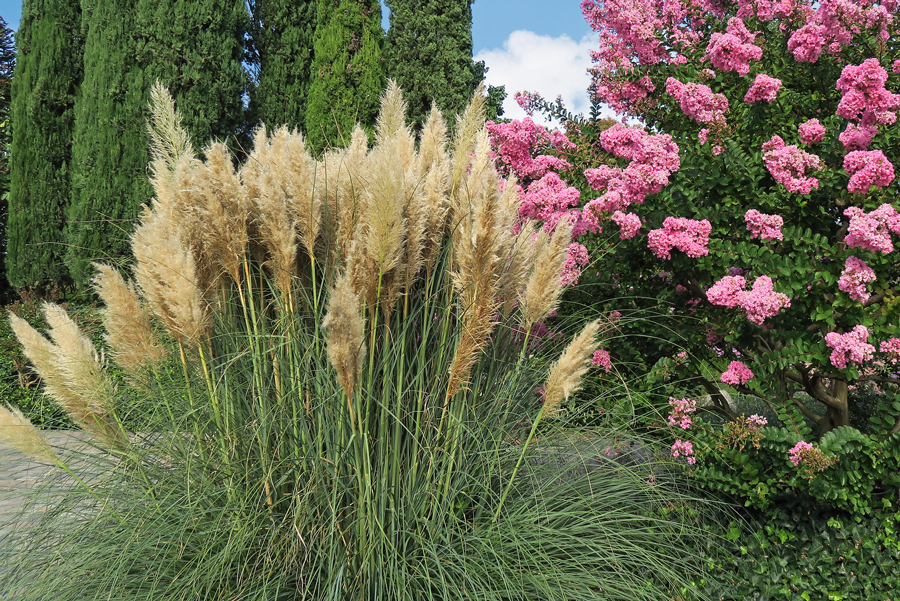
C 983
Pampas Grass
Pampas grass is a large perennial grass native to Brazil, Argentina, and Chile. Mature plants can reach 10 feet tall and 6 feet wide. In late summer, silvery-white plumes rise several feet above the foliage and make a bold, dramatic statement in the landscape.
|
-

Southern magnolia is an aristocratic tree. It grows well throughout Georgia, is widely adaptable to a variety of soils and has few pest problems. With glossy evergreen foliage and large white fragrant blossoms, it truly is one of the most handsome and durable native trees for our Southern landscapes.
|