Economics and Money Resources
-

Cuando sus ingresos disminuyen o no alcanzan a cubrir sus gastos como antes, la planificación cuidadosa puede ayudarle a evitar el desalojo de su unidad de alquiler o la pérdida de su hogar.
|
-

Robotics will soon become a common reality on farms. This Extension resource helps people to understand the basics of robotics for agriculture and the applications of these new machines.
|
-

AP 130-4-06
2026 Corn, Soybean, and Wheat Outlook
The key points for the 2026 season are: Large ending stocks from 2025 mean that prices will likely remain low during 2026. Tight margins are expected to continue in 2026 as projected prices for corn, soybeans, and wheat are near or below the breakeven cost of production. In Georgia, growers are likely to plant more corn acres, while soybean and wheat plantings will be comparable to last year.
|
-
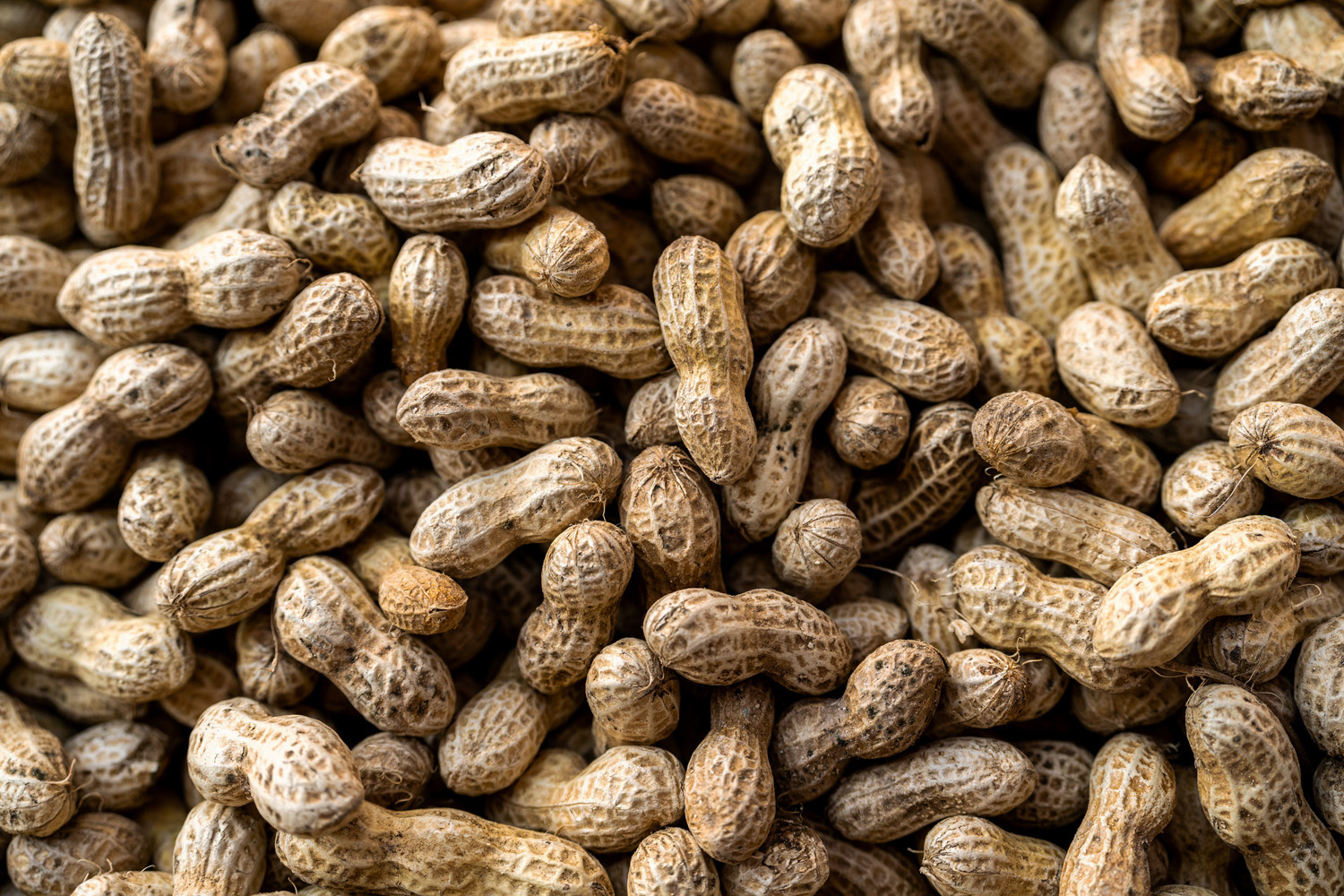
AP 130-4-05
2026 Peanut Outlook and Market Situation
The key points for the 2026 season are: High peanut acreage is expected to continue into 2026, keeping overall U.S. and Georgia production elevated. Oversupply will keep prices under pressure, with Georgia forward contracts likely in the range of $425–$500/ton. Exports and profitability remain challenged, underscoring the need for new markets and stronger demand to support grower returns.
|
-

AP 130-4
2026 Georgia Ag Forecast
Each year, UGA’s agricultural economists develop a comprehensive overview to help various sectors of the agriculture industry navigate the year ahead. As Georgia’s land-grant university, the University of Georgia conducts cutting-edge research on critical and emerging issues that are important to the agriculture industry. From this research, UGA provides the best information and education available to producers and constituents to equip them with knowledge and decision-making tools for their businesses.
|
-

AP 130-4-01
2026 Overall U.S. and Georgia Economic Outlook
Each year, UGA’s agricultural economists develop a comprehensive overview to help various sectors of the agriculture industry navigate the year ahead. As Georgia’s land-grant university, the University of Georgia conducts cutting-edge research on critical and emerging issues that are important to the agriculture industry. From this research, UGA provides the best information and education available to producers and constituents to equip them with knowledge and decision-making tools for their businesses.
|
-

AP 130-4-02
2026 Georgia Ag Economic Outlook
Food and fiber production remain an important driver of Georgia’s overall economy. Production of agricultural commodities was directly valued at $17.6 billion in 2023, with production contributing to roughly $91.4 billion in total output and 381,200 jobs. The impact of the agricultural economy is particularly important in Georgia’s rural counties.
Georgia farmers had a mixed year in 2025 with farm profits differing greatly across commodities. For most major crop commodities produced in the state, prices and profits (if they were to be had) were weak. Unfortunately, with flat price projections for most Georgia crops in 2026, cash receipts are unlikely to see significant improvement.
|
-

AP 130-4-03
2026 Inputs and Production Expenditures
Food and fiber production remain an important driver of Georgia’s overall economy. Production of agricultural commodities was directly valued at $17.6 billion in 2023, with production contributing to roughly $91.4 billion in total output and 381,200 jobs. The impact of the agricultural economy is particularly important in Georgia’s rural counties.
Georgia farmers had a mixed year in 2025 with farm profits differing greatly across commodities. For most major crop commodities produced in the state, prices and profits (if they were to be had) were weak. Unfortunately, with flat price projections for most Georgia crops in 2026, cash receipts are unlikely to see significant improvement.
|
-

AP 130-4-04
2026 Cotton Outlook and Market Situation
The key points for the 2026 season are: Cotton remains financially strained by high input costs, elevated interest rates, and weak prices, which have left U.S. cotton producers with ongoing negative profit margins, continuing a long-term trend of economic losses. Rising Brazilian production, China’s diversification away from U.S. cotton, and global stocks exceeding demand have intensified market competition and kept cotton prices suppressed. With cotton futures in the mid-60s, limited demand recovery, and production costs still high, growers must carefully manage expenses and adopt strong marketing strategies to reduce financial risk.
|