Economics and Money Resources
-

The main takeaways for direct-to-consumer sales in Georgia include: Freshness, safety, and sustainability are the most powerful perceived advantages of locally grown products; younger buyers respond strongly to environmental and ethical messaging, while older buyers remain focused on more functional attributes, such as freshness and reliability; marketing messages should emphasize freshness, sustainability, local economic impact, and community connection to leverage positive perceptions of farmers markets; demographics such as age and income influence the frequency of purchase and willingness to pay for local food products at farmers markets; and the major trends influencing buyers in 2026 are expected to be hyperlocal and regenerative sourcing, smart labeling or multi-labeling, highlighting the functional benefits of fresh produce, digital engagement using personalized marketing and artificial intelligence, engaging younger generations, and waste-reduction education.
|
-

This publication offers guidance on shopping for rental housing, leasing, moving in, documenting the need for repairs and maintenance, paying rent, and moving out. For more information about renting, visit dca.ga.gov to see the Georgia Department of Community Affairs Landlord-Tenant Handbook, which provides valuable information about the responsibilities and rights of landlords and tenants in Georgia.
|
-
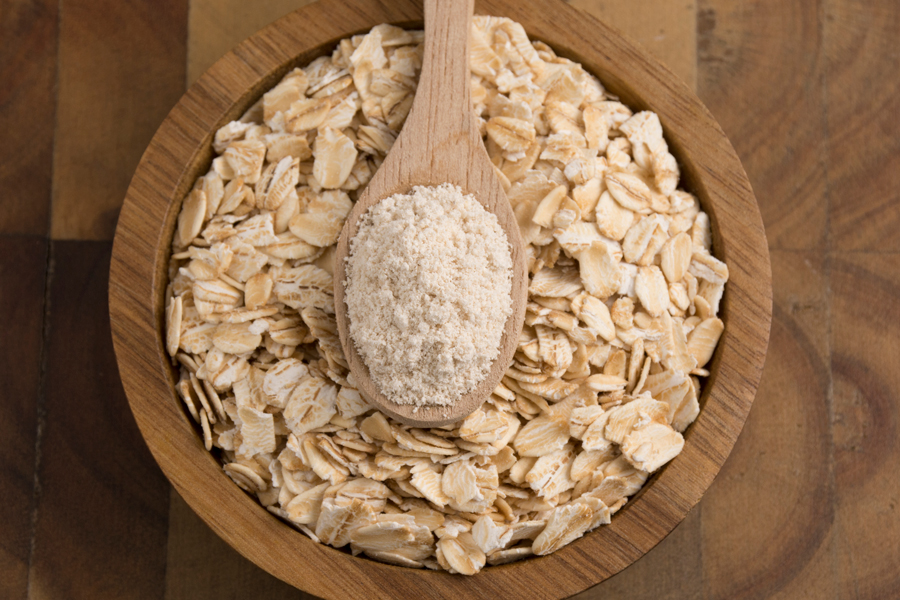
Oat okara, the nutritious byproduct of oat milk processing, is rich in protein and dietary fiber. Current practices often discard okara or use it as animal feed. Produced in large quantities, it represents not only a sustainability challenge but also a significant economic opportunity. With potential applications in food fortification and as a cost-effective ingredient in baked goods, snacks, and more, utilizing oat okara can reduce waste and add value to the production chain. Unlocking its potential benefits both the environment and the food industry.
|
-

AP 130-3-07
2025 Cotton Outlook and Market Situation
1. Cotton prices are anticipated to stay low in 2025, driven by sluggish global economic growth, declining consumer demand, and rising trade uncertainty.
2. U.S. cotton acreage and production are likely to remain at current low levels in 2025 because of relatively weaker price expectations compared to competing crops.
3. Cotton production in 2025 is expected to face limited opportunities for profitability recovery, constrained by high input costs and low prices.|
-

AP 130-3-08
Peanut Situation and 2025 Outlook
1. Peanut-planted acres in the United States and Georgia are expected to remain steady at current levels in 2025.
2. Forward contract prices in Georgia are projected to decline, with an estimated seasonal price range of $475–$525 per ton.
3. Peanut profitability is anticipated to remain a significant challenge for producers in 2025.|
-

AP 130-3-09
2025 Corn, Soybean, and Wheat Outlook
1. Tight margins are expected to continue in 2025 for corn, soybeans, and wheat with commodity prices likely near or below the breakeven cost of production.
2. Bountiful grain and oilseed production, combined with a strong U.S. dollar and uncertain trade policy, leads to expectations for lower prices in 2025.
3. Expect more acres planted to corn, fewer acres planted to soybeans, and wheat plantings comparable to last year.|
-

AP 130-3-10
2025 Fruits and Tree Nuts Outlook
1. Blueberries will continue to lead the Georgia fruits and tree nuts industry in 2025 and subsequent years despite the damage from Hurricane Helene, which is expected to reduce production and yields.
2. The Georgia pecan industry will take several years to recover from the effects of Hurricane Helene, and this natural shortage will keep prices strong.
3. Overall, consumer and grower price indexes will remain strong in 2025.|
-

AP 130-3-11
2025 Vegetables and Pulses Outlook
1. The total harvested area of vegetables and pulses has been declining for the past 5 years, including a 25%–30% loss of Georgia’s fall vegetable crop because of Hurricane Helene, and the downward trend is expected to continue in 2025.
2. Total imports of vegetables and pulses were $20 billion in 2023, an increase of 7% compared to 2022. This increased import trend and value is expected to continue in 2025.
3. Although vegetable per capita consumption increased by 1.7% in 2023, the increase did not surpass the 405.4 lb consumed per capita in 2020. It is expected that 2025 will be much better.|
-

AP 130-3-12
Green Industry 2025
1. 2024 was a good year for many green industry firms, though Hurricane Helene mitigated these positives for many growers.
2. There are many unknowns going into 2025 that will impact green industry sales, including higher inflation and interest rates, mixed signals within the economy, increased input costs, and the varying strength of the housing market in Georgia.
3. Green industry demand is expected to have stable to moderate growth with increased prices, which will result in comparable average sales for 2025 compared to 2024.|