Fall Gardening Resources
-
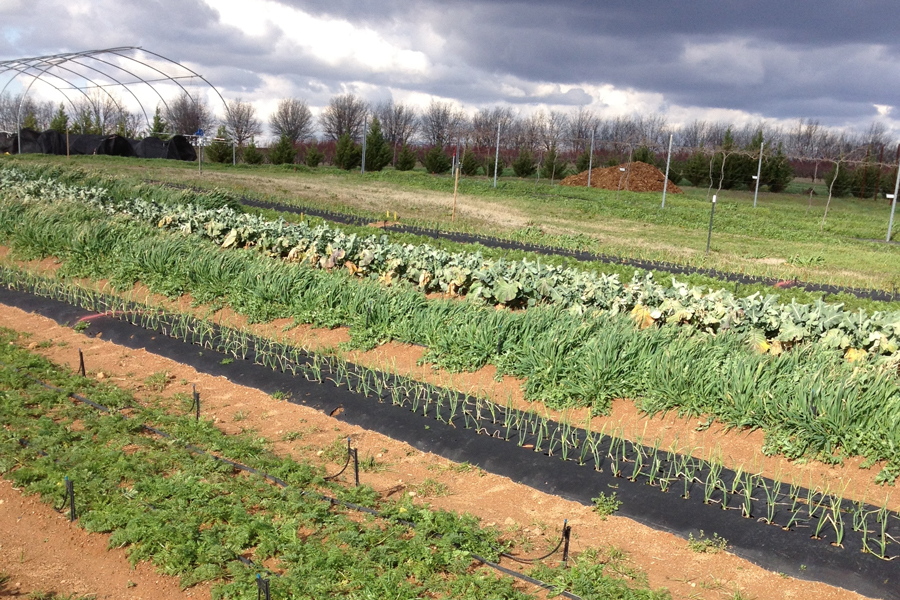
Interest in organic food has been growing over the past twenty years. In Georgia, growing conditions during the summer are particularly difficult for organic producers due to high insect, disease, and weed pressure. However, pest pressures are much reduced when the weather cools. The moderate conditions of late fall to spring are ideal for production of many cool-season crops in the Southeast, including many crops that are traditionally grown as summer crops in other parts of the country. Shifting cash crop production to the fall through spring season may allow farmers to produce high-value crops more efficiently. This strategy may be particularly effective for those interested in wholesale production. This also leaves a window in the summer for cover crops that have many benefits. This bulletin discusses organic cool-season vegetable production and gives guidance for maintaining both soil health and successful production.
|
-
C 1258
Fall Vegetable Gardening
This publication covers fall vegetable production including planting dates, spacing, general culture of cool-season vegetables planted in Georgia in the fall. Many people consider the end of summer to be the end of gardening season. However, there is a whole other world of vegetables that can be planted in the fall garden in Georgia. Temperatures are milder, and there generally are fewer insects and diseases to contend with when planting in the fall. Cool-season vegetables are ironically planted in the late-summer heat, but thrive as they mature during cooler temperatures as the season progresses. Whether you choose to plant only a cover crop or to try your hand at some cool-season vegetables, planting for the fall growing season will keep your garden productive all year long.
|
-
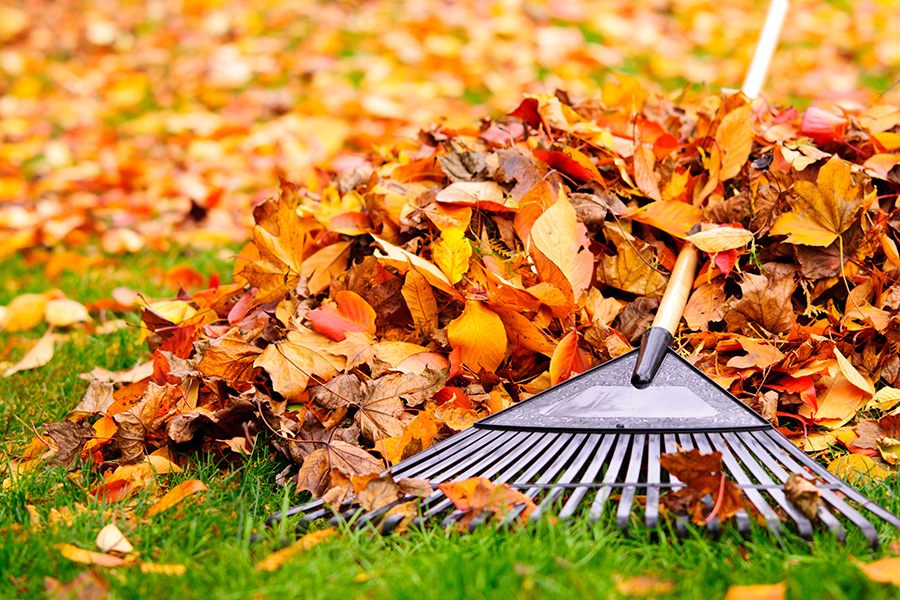
This publication is an annually-updated guide to fall gardening information and resources for Georgia. Topics include planting tall fescue lawns, soil bag flower beds, planting pansies like the pros, planting collards, turnips and cabbage, planting a home fruit orchard, mulching with leaves, gardening chores, cleaning and storing garden tools, treating for fire ants, and additional resources.
|
-
C 1027-1
Planning an Edible Garden
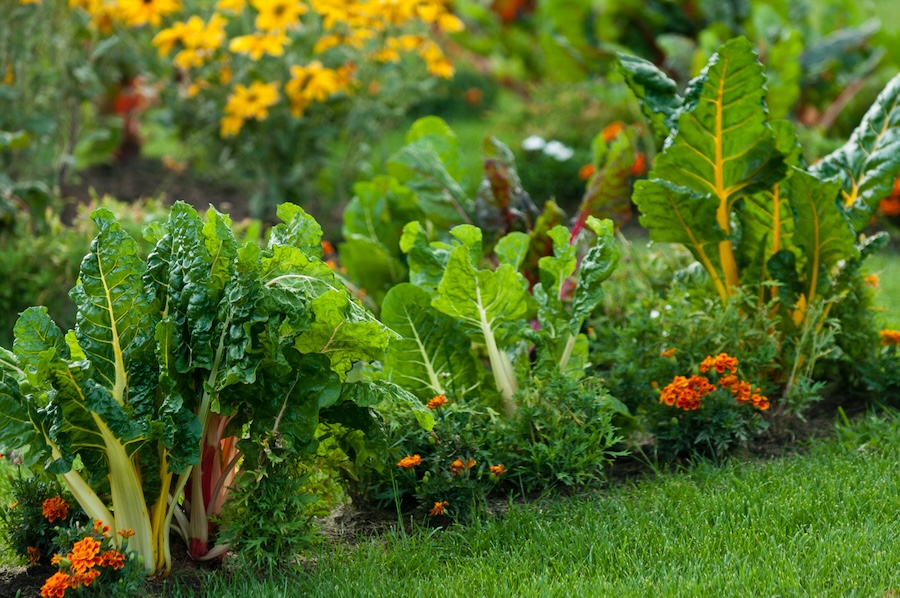
This publication describes three steps for planning a school garden: garden location, soil and terrain, and choosing crops.
|
-

Learn how to grow rutabagas, a cool-season root crop that can be produced in the spring or fall in Georgia.
|
-
C 1069
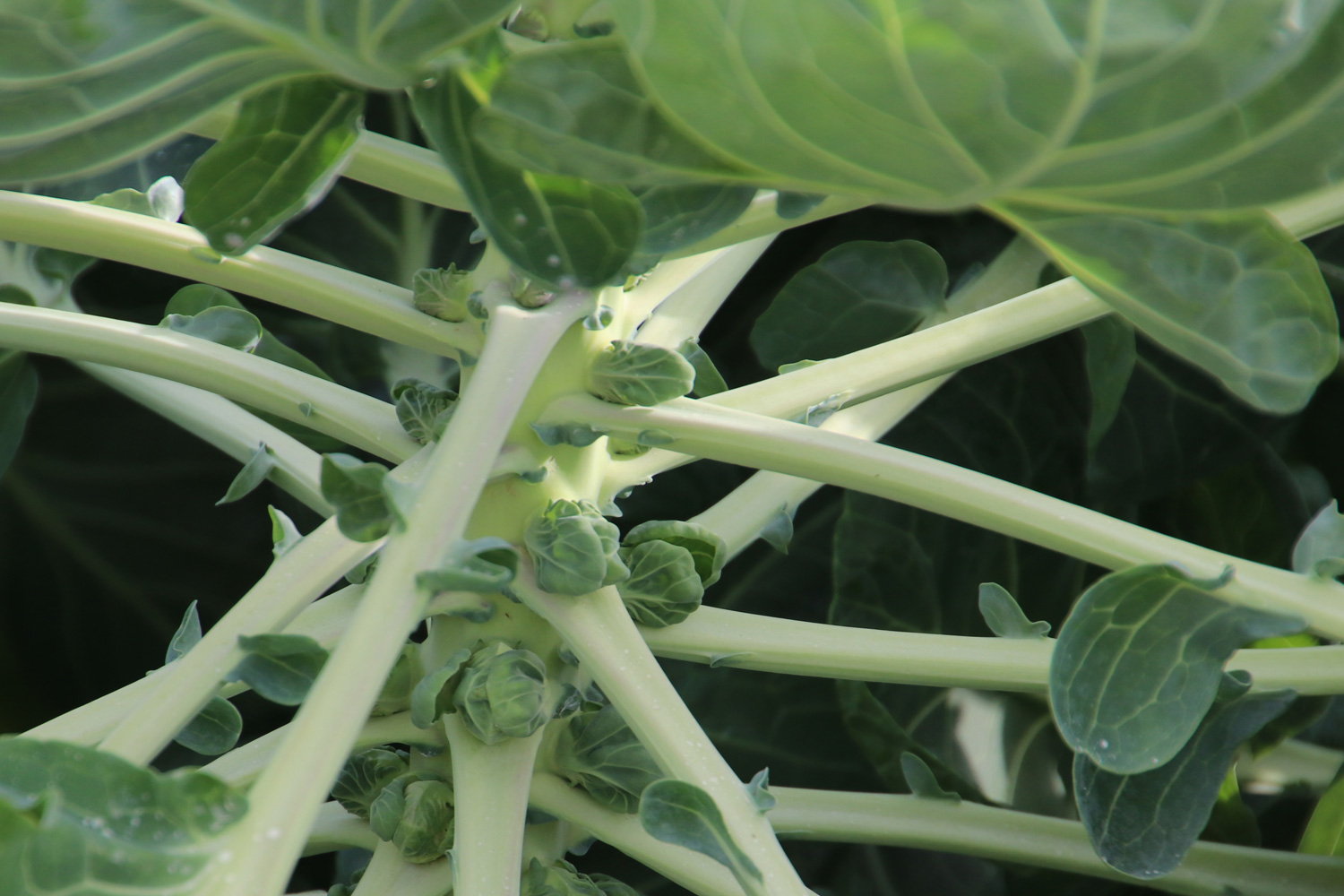
Home Garden Brussels Sprouts
Learn how to grow Brussels sprouts in your home garden. Brussels sprouts are a cool season vegetable that can be grown both in the fall and early spring. This resource covers soil preparation, planting, and maintenance, as well as controlling pest problems.
|
-

Cover crops can be an important component to any home garden. They are used for various reasons, including building the soil, controlling soil erosion, and limiting the initiation and spread of certain diseases and insects in the soil. This publication is designed for homeowner and Master Gardener audiences and discusses the benefits, selection, planting and use of cover crops in the home garden.
|
-
C 1023
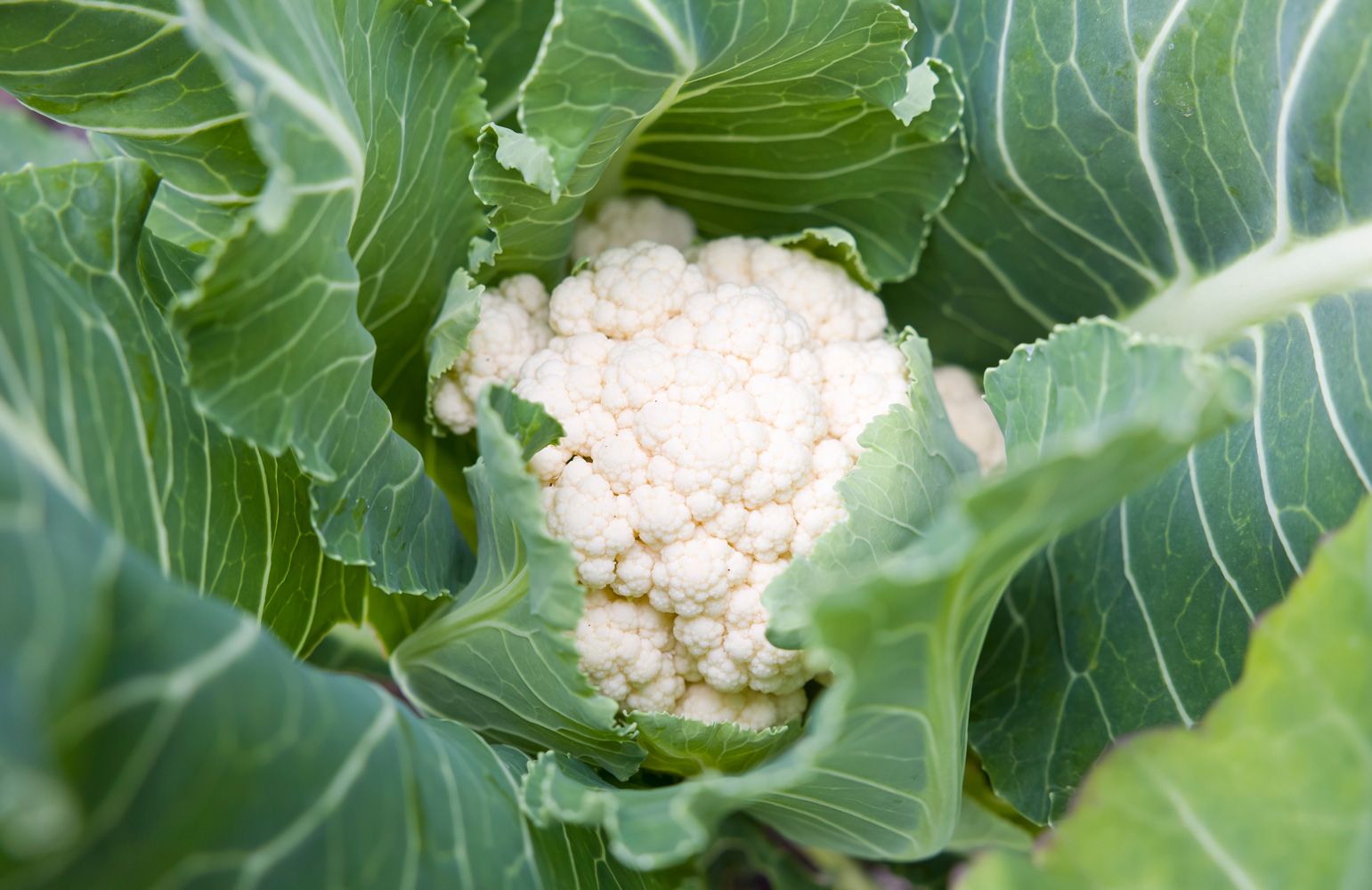
Home Garden Cauliflower
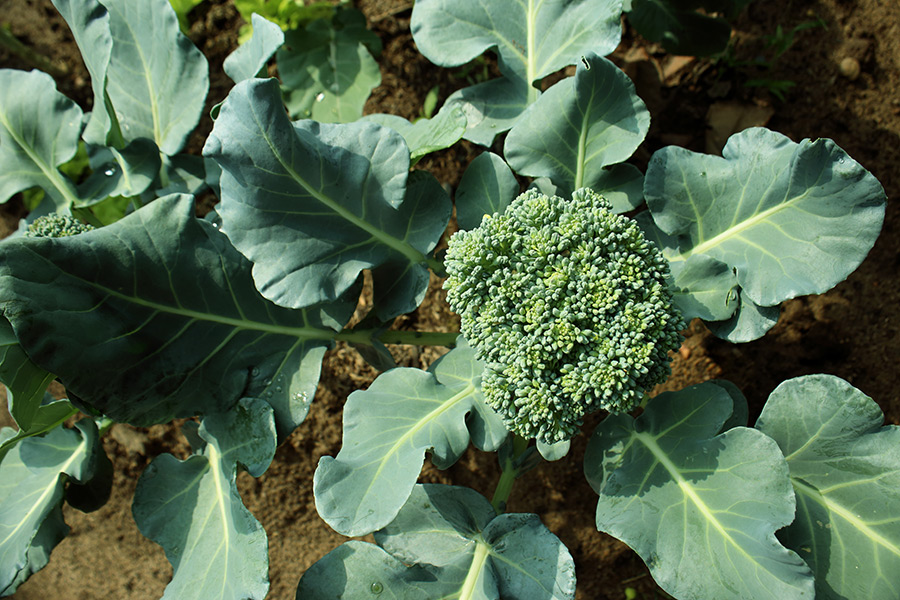
Learn all about growing cauliflower, a cool-season vegetable that belongs to the Brassicaceae family. It sometimes is considered one of the more difficult vegetables to grow in the home garden, but it just takes a little patience. Gardeners can now select varieties of cauliflower that range in color from the traditional white to a deep purple. This resource describes how to grow cauliflower in the home garden, from starting plants from seeds to insect and disease control.
|