Fall Gardening Resources
-
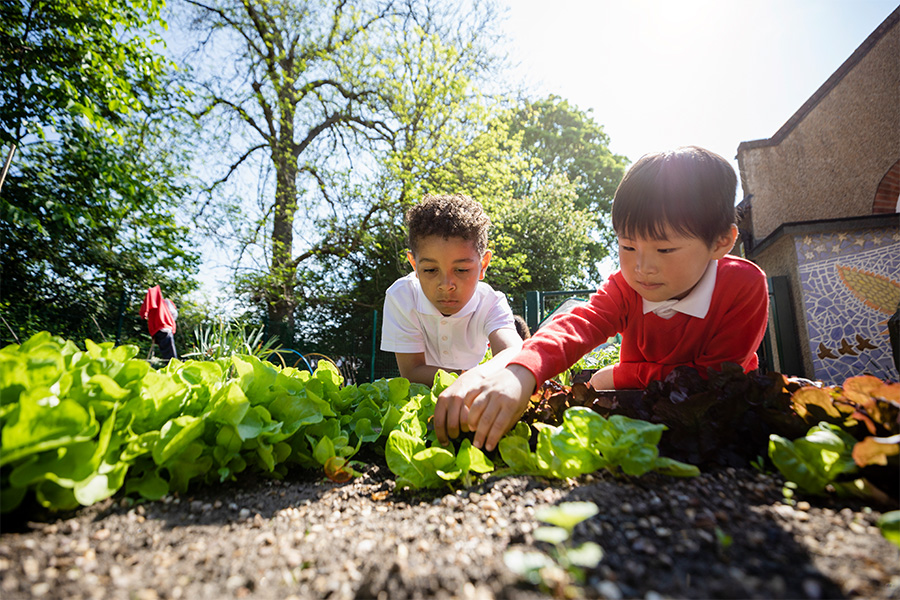
This resource provides information on the best vegetables to grow in Georgia gardens as well as planting dates and estimated time to harvest.
|
-
Your guide to home gardening in Georgia! Our climate allows us to grow something almost year-round, and these monthly checklists will help you keep your garden working well. Planting recommendations are based on long-term average last and first frost dates for Middle Georgia; adjust accordingly for South or North Georgia.
|
-

Pruning is one of the most important cultural practices for maintaining woody plants, including ornamental trees and shrubs, fruits and nuts. Proper pruning requires a basic understanding of how plants respond to various pruning cuts. The principles and guidelines in this publication will help you master common pruning techniques.
|
-
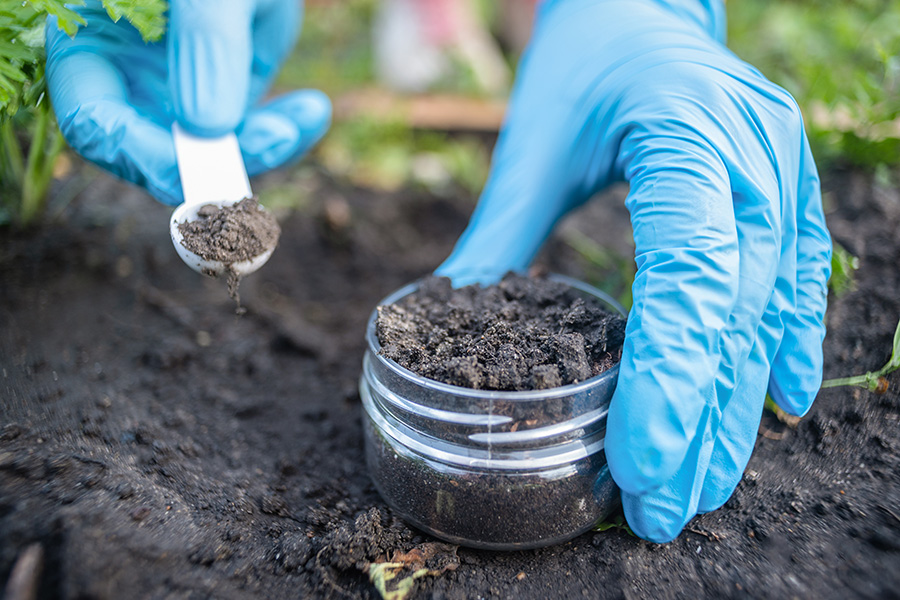
Developing and maintaining productive soils begin with soil testing. Soils tests provide information on the soil’s actual nutrient status. Test results are used to determine the amount and kind of nutrients that should be added for the best growth of lawn, garden, and other types of plants.
|
-
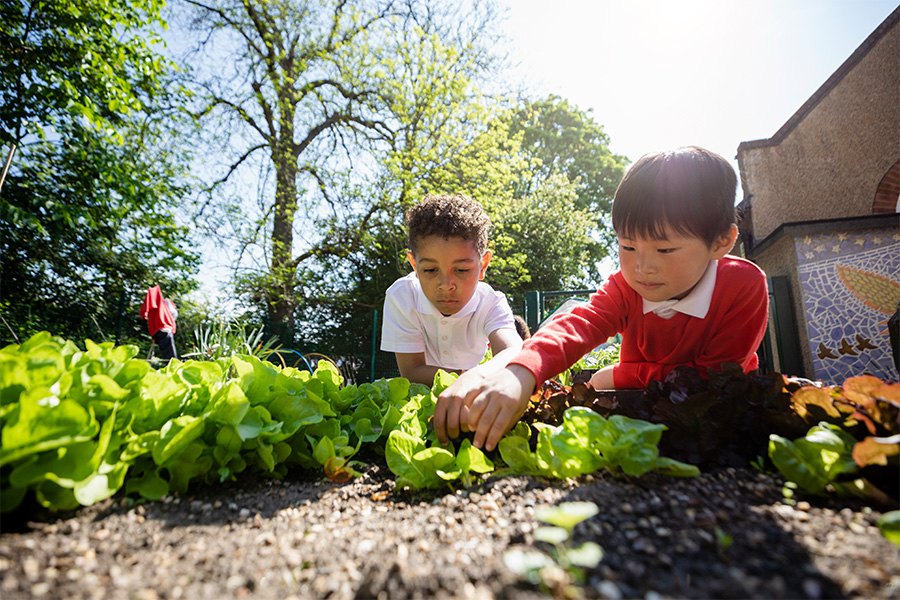
C 963-SP
Calendario para Siembra de Vegetales
Esta es la versión en español del Cuadro de plantación de hortalizas de la Circular 963, Horticultura en Georgia. Traducido por Rolando Orellana. [This is the Spanish-language version of the Vegetable Planting Chart from Circular 963, Vegetable Gardening in Georgia.]
|
-
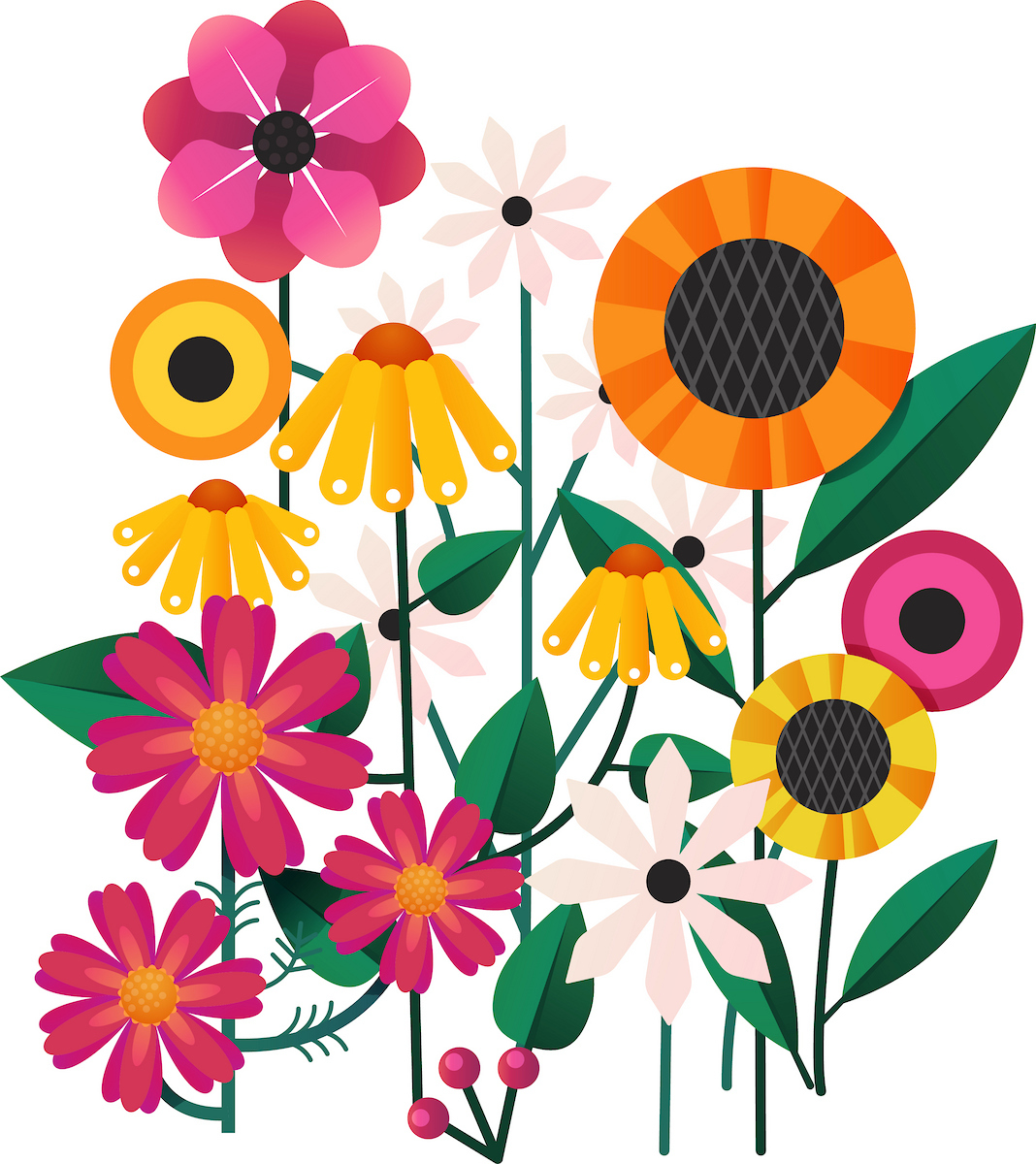
Wildflowers not only beautify the landscape but also provide food and shelter for myriad insects, birds, and mammals. Georgia is rich in endemic (belonging in a particular area or environment) species which grow in a wide variety of habitats, from coastal dunes and pine sandhills to savannas, meadows, and forests. Although many species are primarily seen in undisturbed natural habitats, others have adapted to human-created landscapes, such as roadsides and farms, and are frequently seen on road banks and edge habitats. This publication is intended as a visual guide to common herbaceous plants encountered mainly in sunny areas in South Georgia. Although by no means inclusive or extensive, the list contains plants that are easy to recognize and valuable for wildlife.
|
-
C 1179
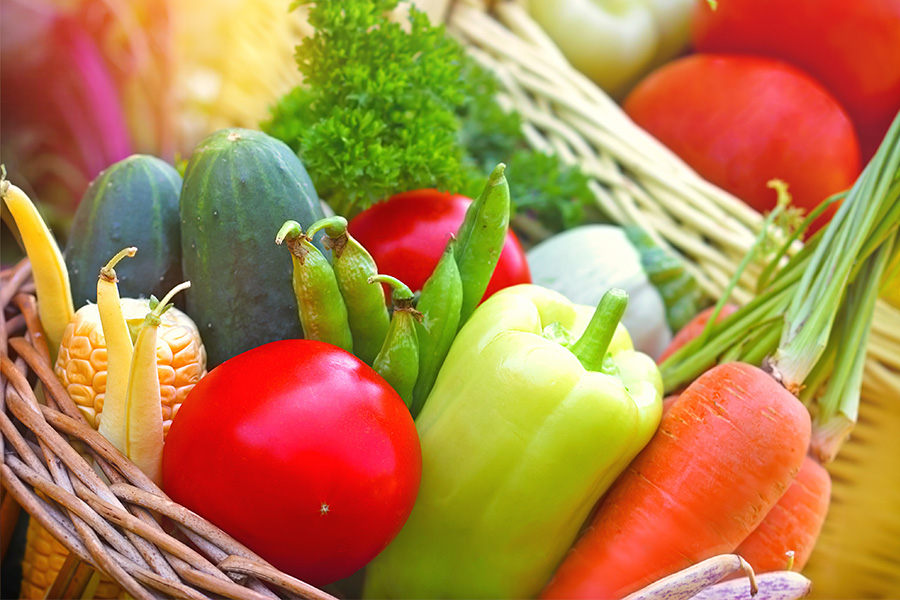
Fertilizing the Home Garden
This publication covers the basics of how to correctly fertilize the home vegetable garden. It discusses the differences between organic and synthetic fertilizers and the advantages and disadvantages of both. The circular also includes information about the importance of soil testing along with detailed instructions for fertilizing a new garden as well as more established vegetables.
|
-
C 1206
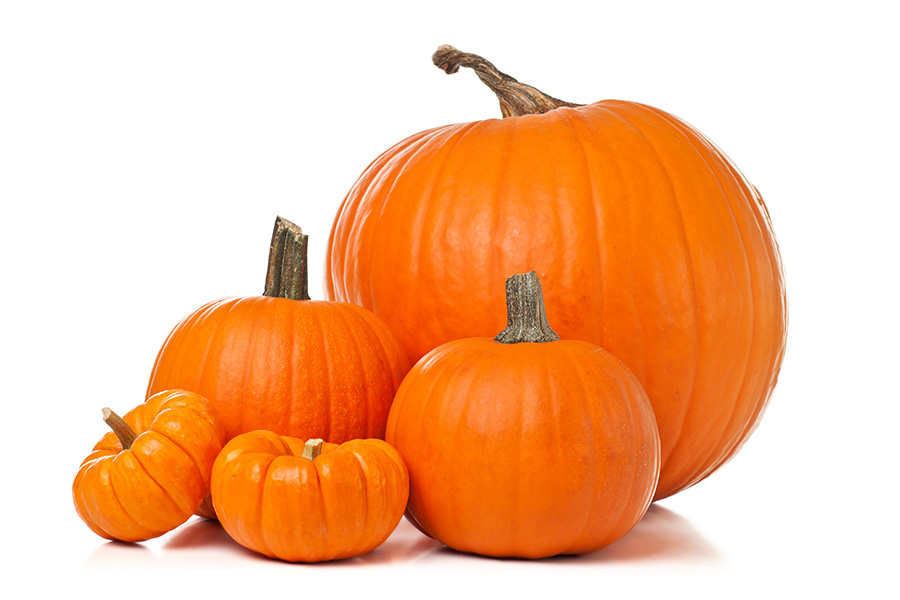
Homegrown Pumpkins
While pumpkins are edible and grown for both their flesh and seeds, they are more commonly used as fall decorations. This member of the cucurbit family can be found in a variety of shapes, sizes, and colors. While pumpkins are not very difficult to grow, they do require a substantial amount of space for their sprawling vines. Selecting the right cultivar and following good cultural practices are key to successfully growing pumpkins.
|
-
C 1218
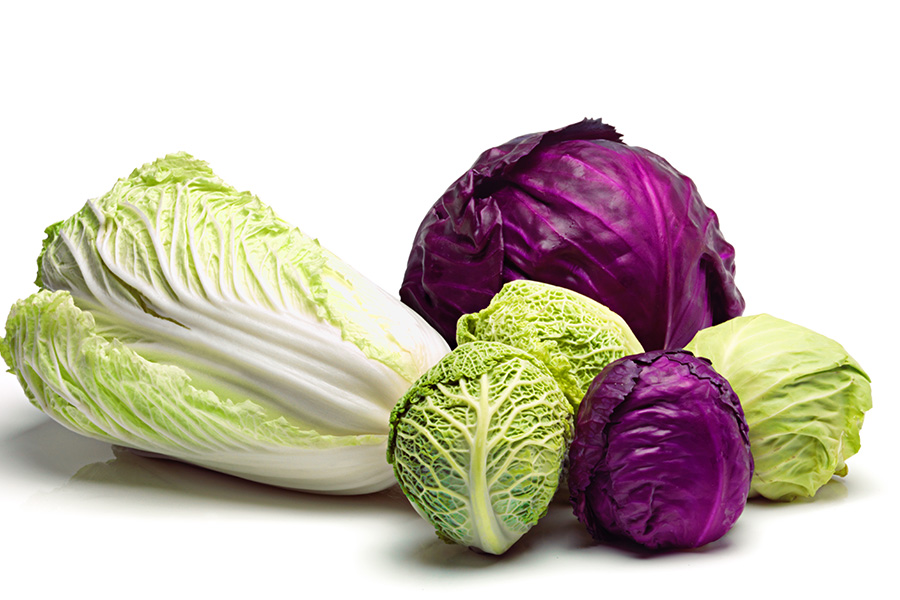
Homegrown Cabbage
Cabbage (Brassica oleracea var. capitate) is a cool-season vegetable that is a member of the cole crop family. There are several types of cabbages available to grow, and they can all be eaten raw or cooked in a variety of ways. This publication covers the basics of how to grow cabbage in the home garden, including selection, planting, and maintenance information for growing this popular vegetable.
|