Flowers Resources
-
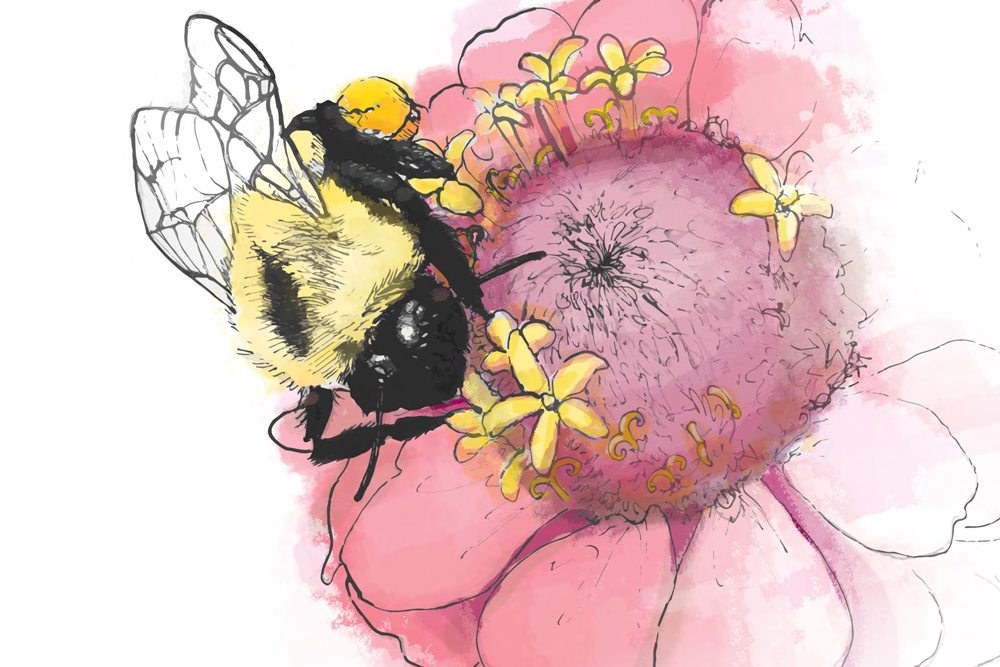
A pollinator-friendly and ecologically sustainable garden is both beautiful and able to attract and sustain beneficial insects, reducing the need for pesticides. This publication is based on new research in habitat management for purposes of planting insect-attracting plant species in order to intentionally draw insects to garden areas and urban landscapes. This is done by providing a refuge for the insects during winter and nectar and pollen resources. Plant selection directly affects beneficial insect populations, those insects that can provide ecological benefits such as biodiversity and natural pest control. This concept of “habitat management” can lead to potential increases in pollinating and other beneficial insect populations. An increase in these populations in landscapes will contribute to improved pollination of plants and biological pest control and reduce the need for pesticides.
|
-
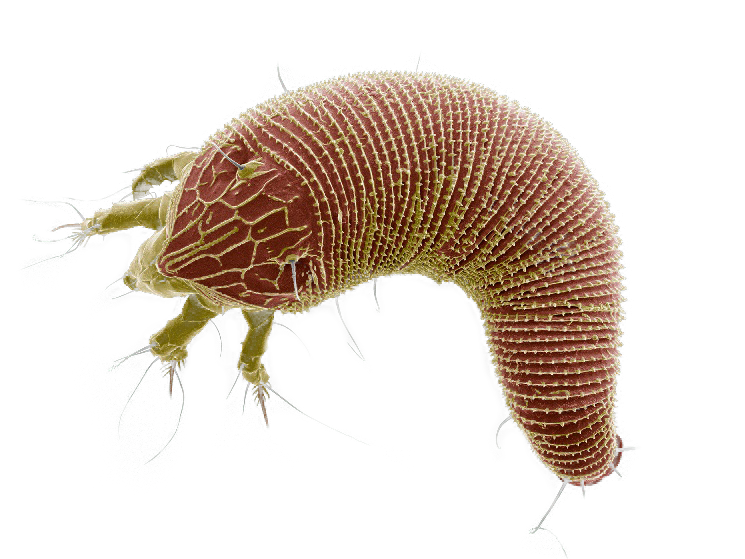
Rose rosette virus can cause major problems for nurseries, landscapers, and gardeners alike. The virus causes the plants to become undesirable and will eventually result in the death of the plant, which affects all segments of the rose industry as well as rosarians and home gardeners. The symptoms of disease on ornamental roses are a yellow mosaic pattern appearing on leaves, increased thorniness, abnormally shaped foliage and early production of lateral buds that make up the witches’ broom. This publication is intended for rose producers and serious rose gardeners interested in technical details of this virus and a mite that transmits it.
|
-
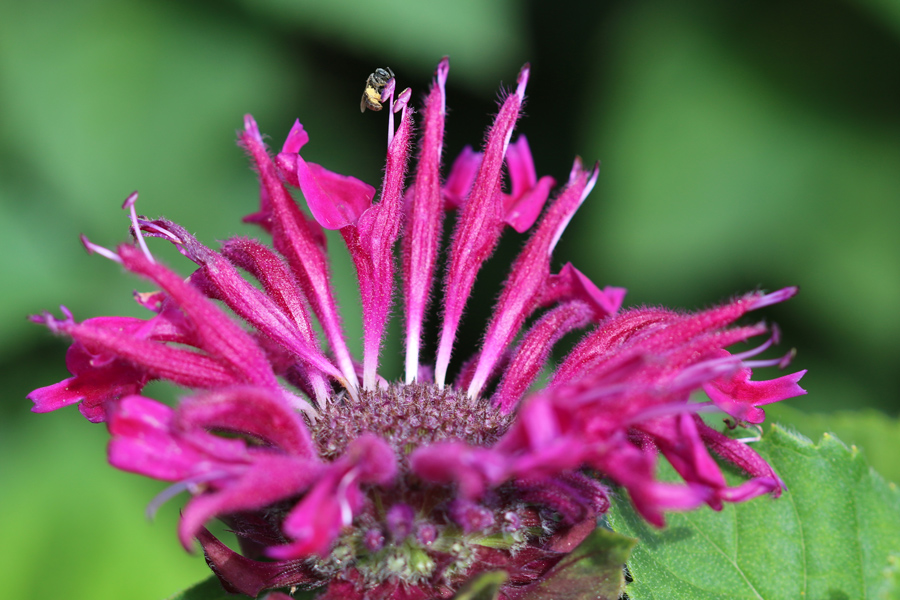
Monarda, commonly known as beebalm, is a North American perennial naturally found in woodlands, meadows, and floodplains. Aside from its aesthetics, beebalm offers environmental benefits, as its flowers, seeds, and shoots provide forage and habitat for many species of wildlife, including insects and birds. This publication covers the results of performance trials for 10 popular Monarda plants in the montane and piedmont (i.e., northern) Georgia regions.
|
-
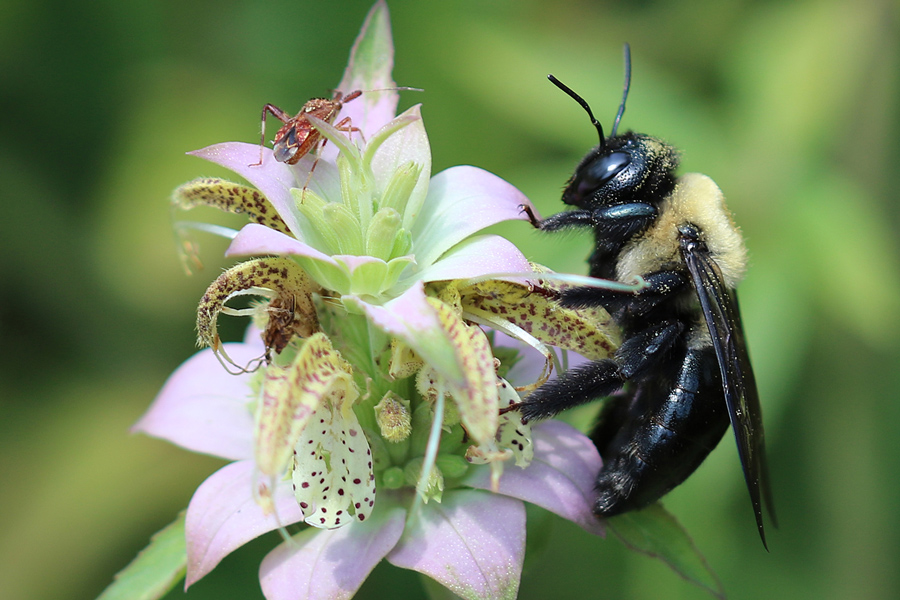
Monarda (beebalm) is a North American perennial naturally found in woodlands, meadows, and floodplains. It offers environmental benefits, as its flowers, seeds, and shoots provide forage and habitat for many species of wildlife, including insects and birds. This publication covers more details from our trials on 10 popular Monarda plants, this time focusing specifically on their floral properties.
|
-
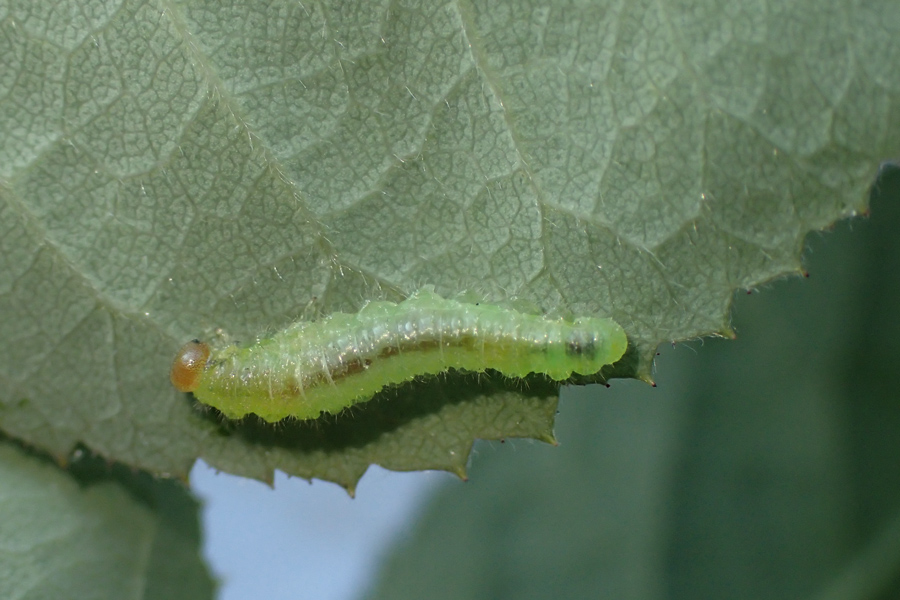
The bristly roseslug sawfly is a common species of roseslug in Georgia. The larval stages feed on rose leaves and cause extensive damage; it is particularly problematic on rose shrubs in ornamental landscapes. This publication tells you how to manage these pests in your gardens and landscapes.
|
-
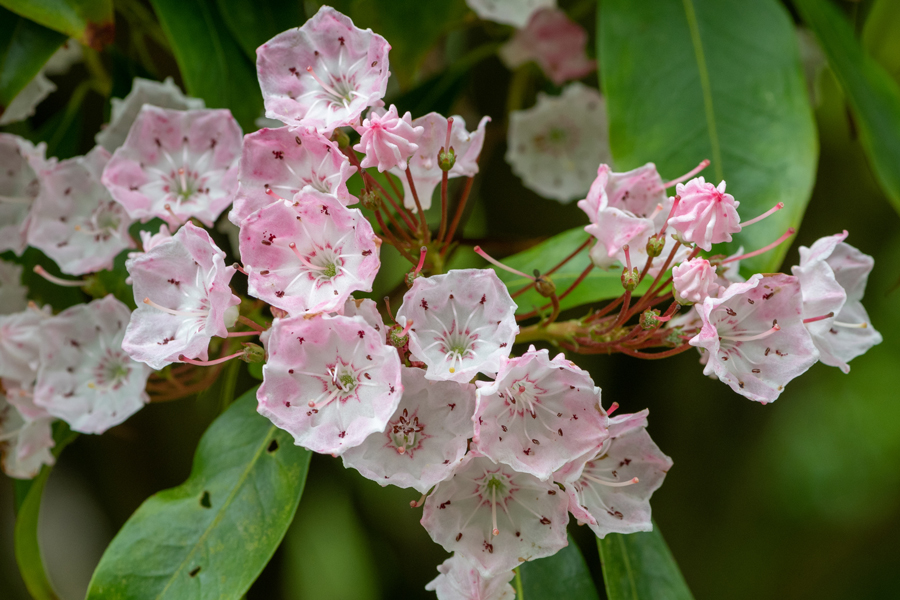
This publication includes a list of good plants for Georgia organized into various sizes and groups. The design qualities of plants—their form, size, color and texture—are emphasized according to the principles and requirements of good landscape design and plant maintenance. Hardiness and disease and insect resistant qualities are also considered.
|
-
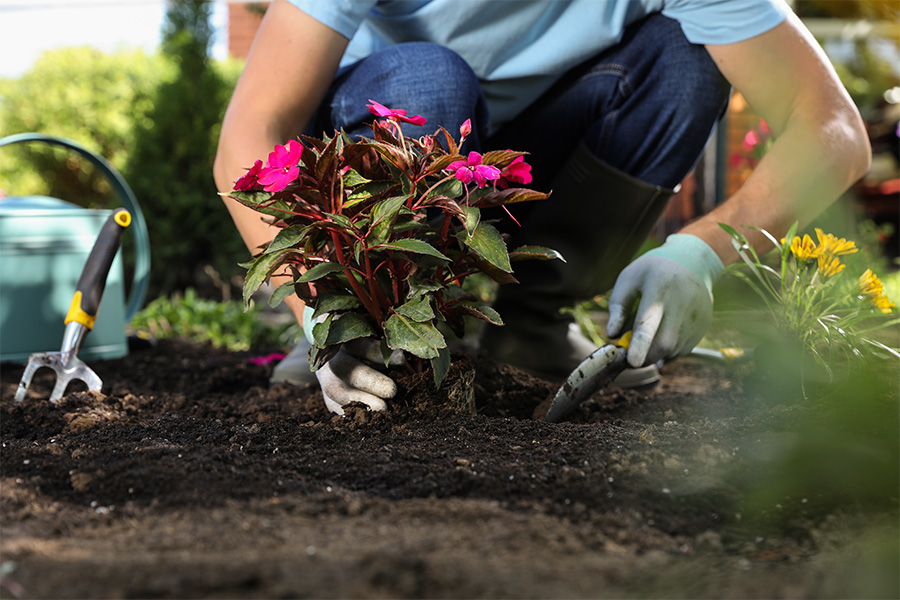
Proper planting is essential for healthy, vigorous growth of ornamental plants in the landscape. It assures rapid plant establishment by providing a favorable environment for the developing root system. This resource offers step-by-step guidelines that will help you achieve planting success.
|
-
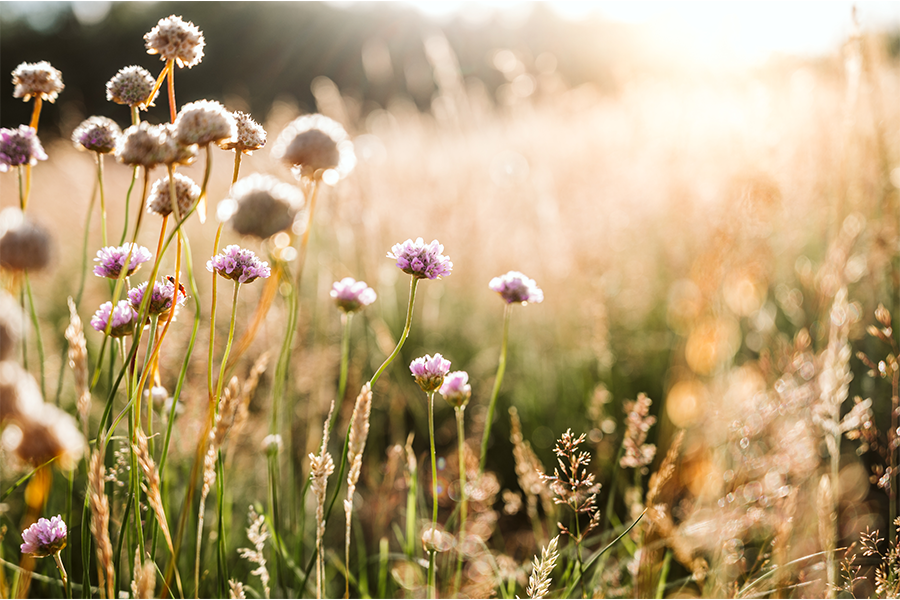
This publication is a comprehensive guide to growing and identifying native wildflowers suitable for planting in Georgia. The term “wildflower” in this publication is a general term used to define both annual and perennial native herbaceous plants with showy flowers that have evolved with an ecosystem and grow naturally without either direct or indirect human intervention.
NOTE: This publication is large and may take several minutes to load.
|
-
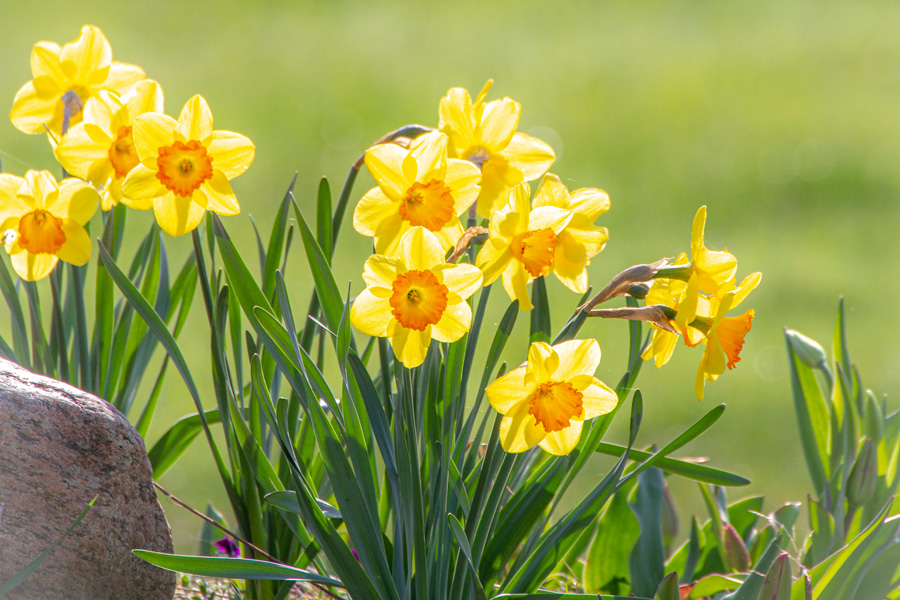
A wide variety of bulbs grow well in Georgia. Most are grown for their flowers and some for their foliage. They are grown as pot plants, in shrub borders, naturalistic plantings and in mass displays. Bulbs offer a certain magic to the landscape virtually unrivaled by other plants.
|