Flowers Resources
-
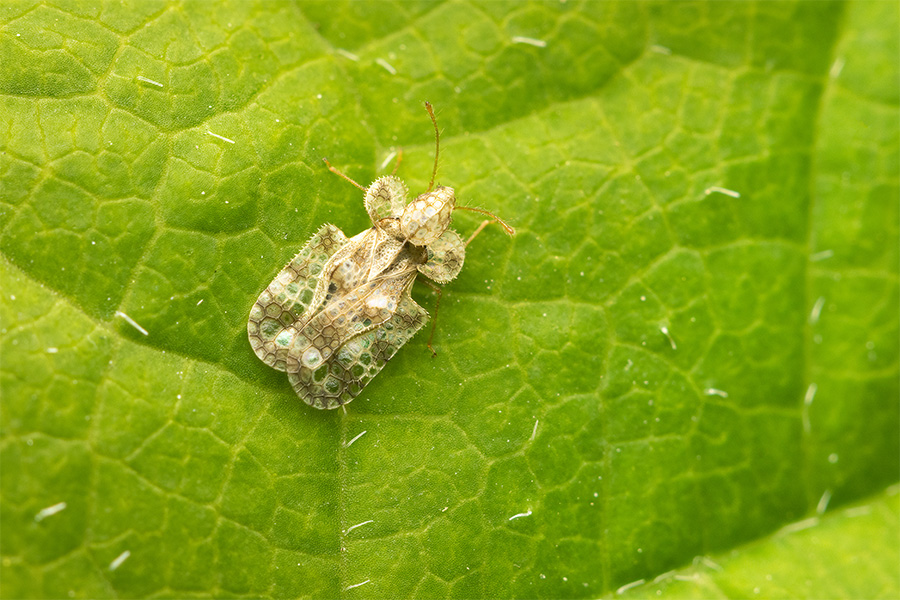
This resource covers lace bugs in landscapes, which can damage the foliage of trees and shrubs and detract from their beauty and, in severe cases, kill the plants.
|
-
Wildflowers not only beautify the landscape but also provide food and shelter for myriad insects, birds, and mammals. Georgia is rich in endemic (belonging in a particular area or environment) species which grow in a wide variety of habitats, from coastal dunes and pine sandhills to savannas, meadows, and forests. Although many species are primarily seen in undisturbed natural habitats, others have adapted to human-created landscapes, such as roadsides and farms, and are frequently seen on road banks and edge habitats. This publication is intended as a visual guide to common herbaceous plants encountered mainly in sunny areas in South Georgia. Although by no means inclusive or extensive, the list contains plants that are easy to recognize and valuable for wildlife.
|
-
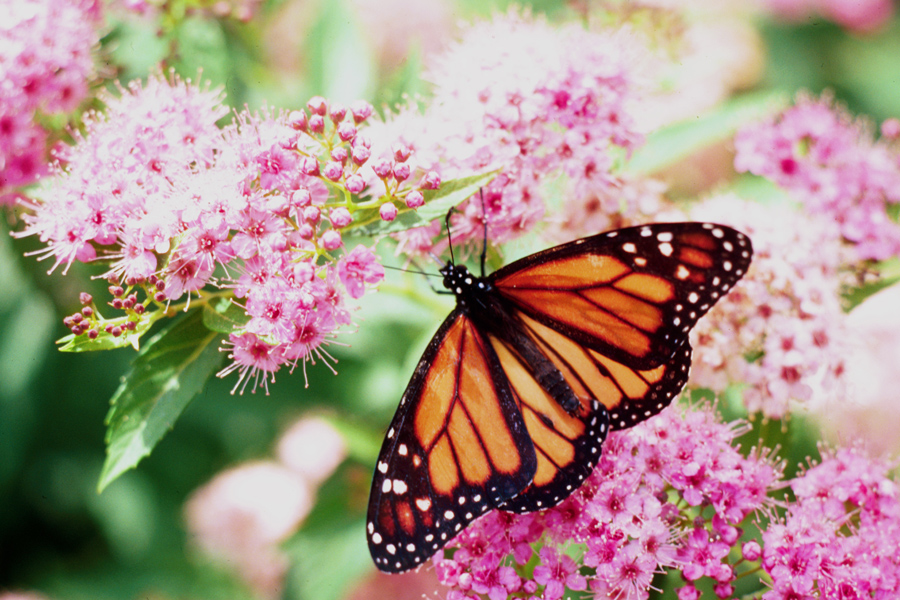
Monarch butterflies travel on air currents and cross more than 3000 miles in the winter to reach their overwintering sites in Mexico. The loss of this habitat, combined with diseases, pesticide use, and loss of larval hosts (i.e., milkweed), are causing a decline in Monarch populations. The larvae need milkweed to develop, and the adults need nectar for migration and survival day-to-day, so more nectar sources and milkweed plants are needed to sustain their migration patterns. This resource can help you select flowering plants and milkweeds that can help conserve the migrating monarchs, especially when planted along farm-reserved lands and urban gardens.
|
-

B 910
Hobby Greenhouses
The gardener who has a greenhouse can extend or intermingle the seasons at will. Whether you wish to build your own greenhouse from scratch or purchase a prefabricated structure ready for assembly, this resource explains everything you need to know about building and maintaining a hobby greenhouse. This publication also includes several building design plans.
|
-
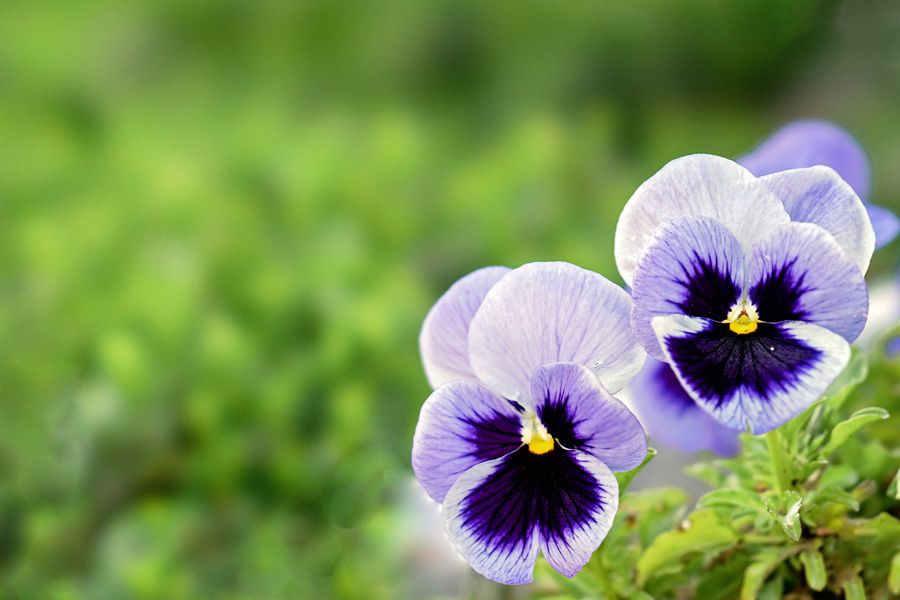
This publication provides guidelines for the planting and care of pansies to ensure success, including planting time, bed preparation, plant spacing, planting procedures, fertilization, freeze protection, and common insect and disease problems. Since seasonal color is a high-cost investment in the landscape, it is important to get the maximum return on your investment by following these planting and cultural guidelines.
|
-
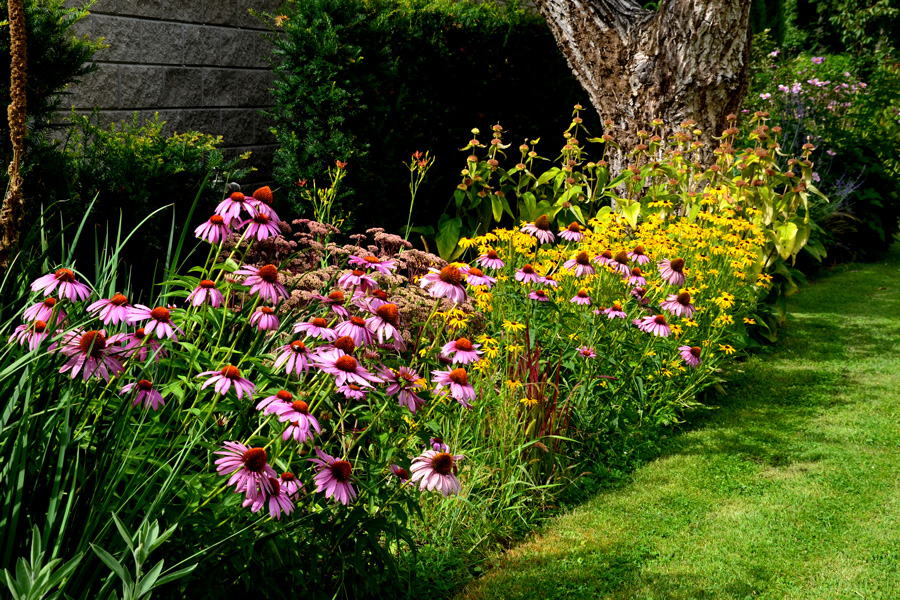
This publication is devoted specifically to covering everything you need to know about growing herbaceous perennials, primarily to those that persist from crowns and/or fleshy roots.
|
-

B 790
Geraniums
Geraniums are among the most popular flowering plants grown in the United States. They are easy to grow and can be used in many types of gardens, such as ground beds, planter boxes, hanging baskets and pots. They are ideal for flanking entrance-ways and adding color to border plantings. This publication explains everything you need to know about growing geraniums.
|
-
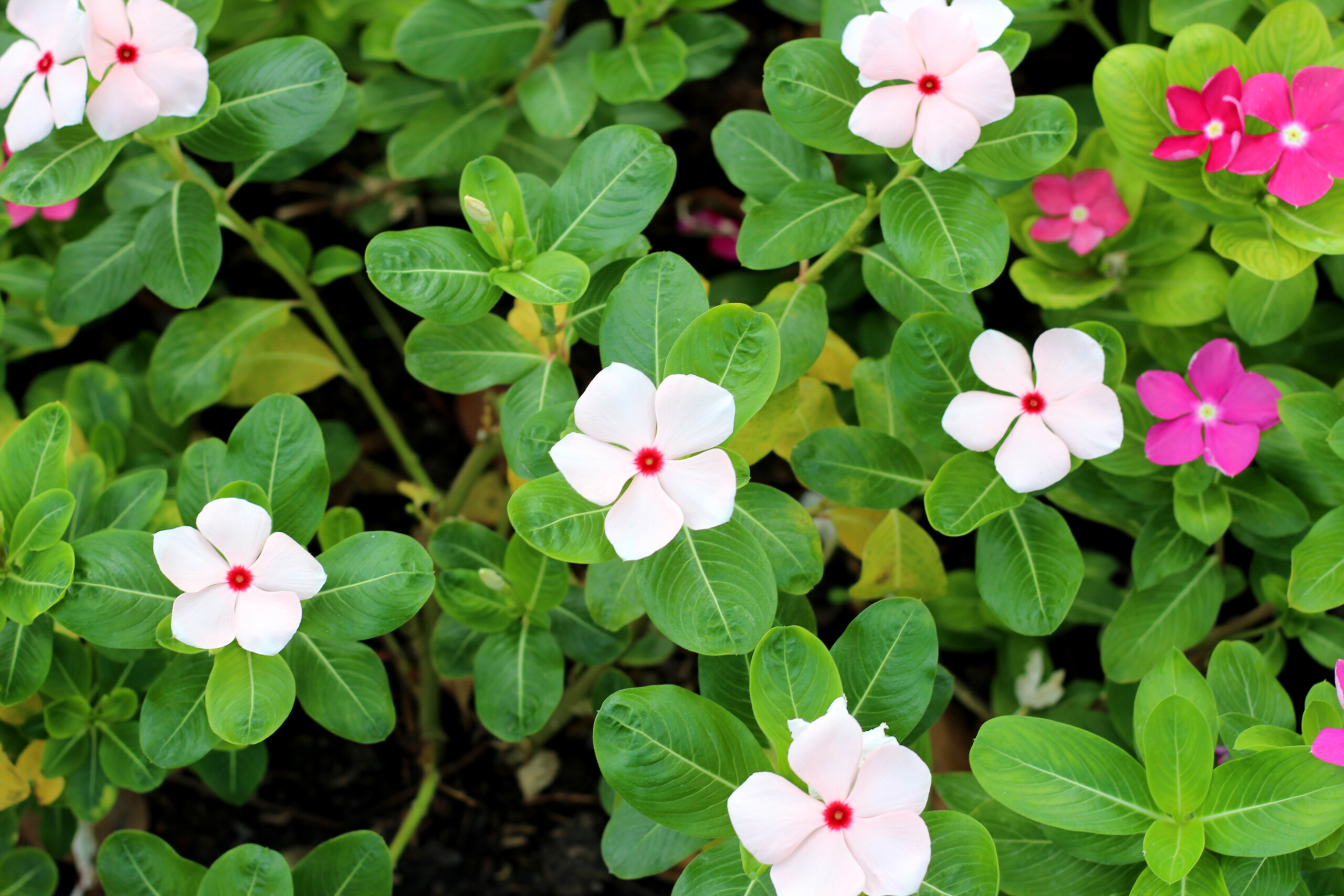
Vinca is a specialty ornamental crop with very distinct requirements. This bulletin will address those requirements and cover a typical production schedule and crop budget.
|
-
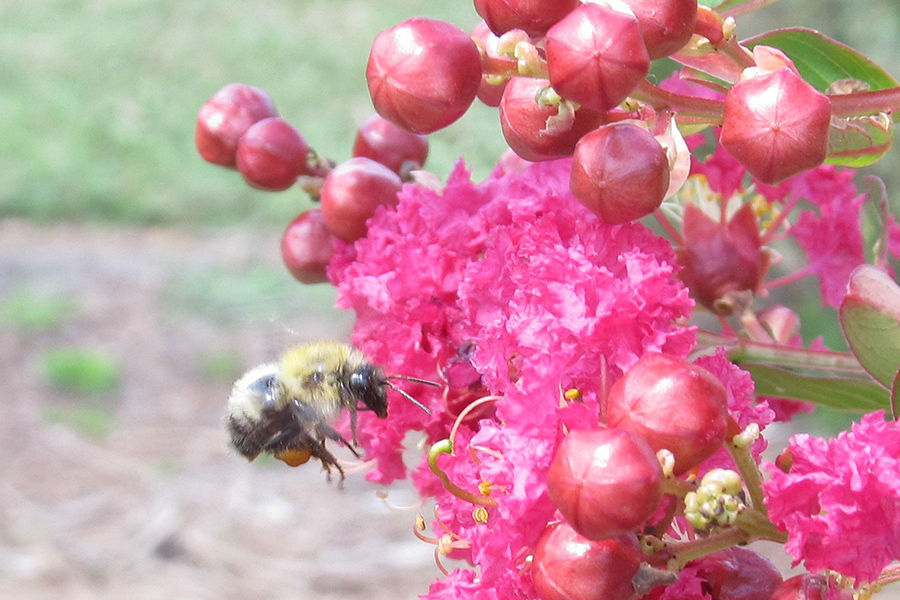
Crape myrtles are popular landscape shrubs and small trees. Native to China, Japan, and Korea southward to Oceania, crape myrtles have been cultivated in the U.S. for more than 175 years. Cultivars range from 3-ft shrubs to 30-ft-tall trees, and they are graced with large panicles of white, pink, lavender, purple, red, and many colors in between. Among cultivars, crape myrtles have a wide range of tolerance to key pests and diseases, such as powdery mildew, flea beetles, crape myrtle aphids, and Japanese beetles. The plant’s flowers are widely admired by humans and can serve as nectar and pollen sources for pollinators. With the recent decline in pollinator health and diversity, pollinator visitation, pest susceptibility, and horticultural attributes should all be considered when choosing crape myrtle cultivars for home and commercial landscapes.
|