Flowers Resources
-

C 955
Growing Hostas
Hostas are quickly becoming one of the most popular perennial plants grown in our landscapes. Sometimes referred to as plantain lilies, hostas are reliable plants for both shade and partial sun situations. This publication includes variety recommendations.
|
-

Butterfly populations can be greatly enhanced by devoting a portion of the landscape to butterfly habitat. In addition to their natural beauty, butterflies serve as valuable plant pollinators.
|
-
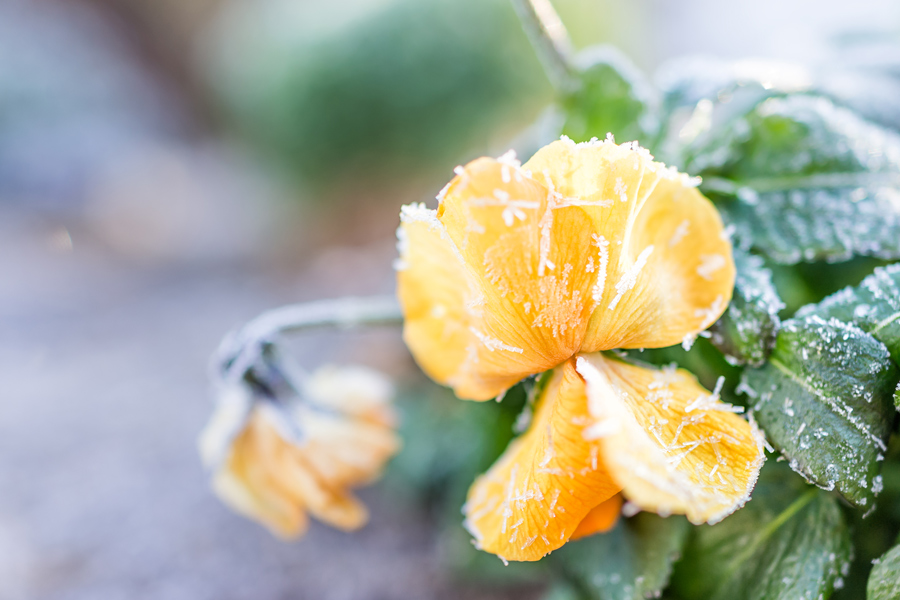
Cold damage to ornamental plants can be a problem during the winter in the Georgia landscape. Regardless of where you live, recommended practices can maximize the chances that your prized landscape plants will survive the winter.
|
-

New ornamentals have long been considered the lifeblood of the green industry. This publication contains recommendations for best-performing new annuals based on research conducted at the Trial Gardens at the University of Georgia, showcasing the plants that were awarded Classic City Awards in 2018.
|
-

Southern magnolia is an aristocratic tree. It grows well throughout Georgia, is widely adaptable to a variety of soils and has few pest problems. With glossy evergreen foliage and large white fragrant blossoms, it truly is one of the most handsome and durable native trees for our Southern landscapes.
|
-
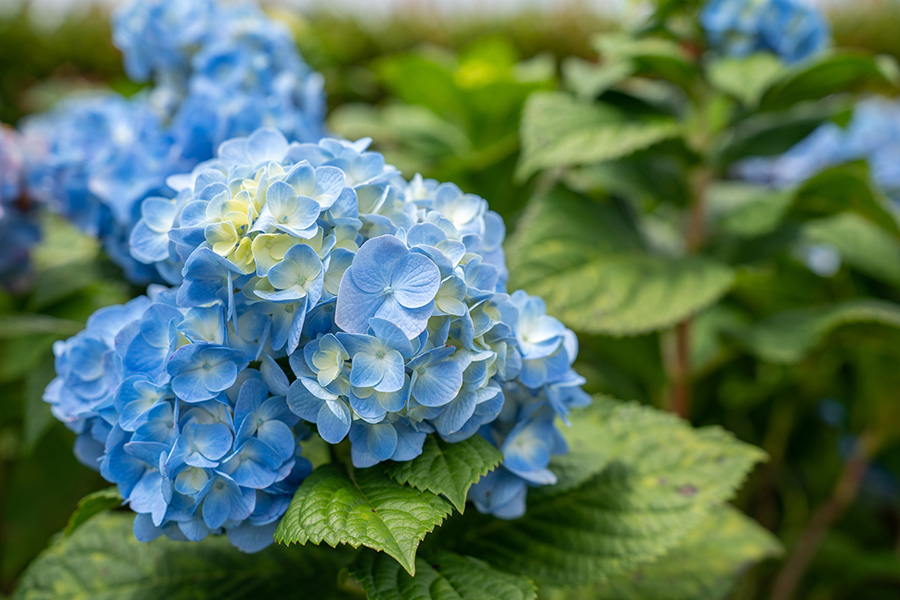
Bigleaf hydrangea, also called French, Japanese, or snowball hydrangea, is a landscape plant. Bigleaf hydrangea can be transplanted to the landscape for repeat blooms each year.
|
-

This publication showcases the plants that were awarded the “Classic City Award” in 2015.
|
-

This publication showcases the plants that were awarded the “Classic City Award” in 2013.
|
-

This publication showcases the plants that were awarded the “Classic City Award” in 2014.
|