Food Manufacturing Resources
-
 Renewed
The southeastern peach industry is known for the high quality of its fresh peaches. As a new peach season approaches, it is time to ready the packinghouse for output of the best peach product.
|
-

As a part of a packinghouse environmental monitoring program, adenosine triphosphate (ATP), protein, and allergen swabbing is used to ensure that packinghouse equipment and surfaces have been properly cleaned and prepared for sanitation. ATP, protein, and allergen swabbing is frequently incorporated to complement microbial swabbing practices or as an independent program. These swab types indicate the presence of soils and residues on equipment, determining the effectiveness of the cleaning portion of a sanitation program. Sample results can be read in minutes, unlike microbial swabs, which take days. For this reason, ATP, protein, and allergen swabs are used immediately after cleaning to rapidly confirm that cleaning procedures were thorough. Operations then sanitize and collect microbial swabs to verify the effectiveness of the sanitation process.
|
-

The quality of an egg involves both the exterior and interior qualities of the egg. Egg quality includes the cleanliness of the shell, soundness of the shell, thickness of the albumen, and color of the yolk. Good egg quality is critical to maintaining the hatching potential of eggs, as improper handling or storage of eggs will reduce the ability of the eggs to hatch and produce good quality chicks. For table eggs, improper handling and storage of eggs will reduce the grade of the eggs and could pose a potential health hazard.
|
-

This resource covers turmeric’s nutritional and functional properties, highlighting key components and their health benefits. It also discusses turmeric’s use in food coloring, packaging, and medicine, along with safety concerns such as adulteration. With rising demand for natural, functional ingredients, turmeric production presents a promising opportunity for Georgia farmers and food producers.
|
-
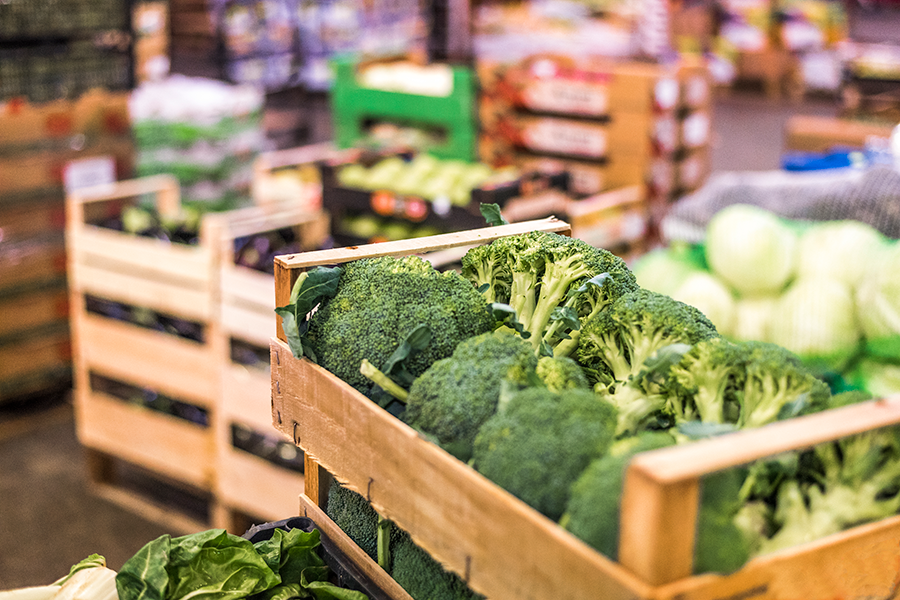
Marketing fresh fruits and vegetables at farmers markets, roadside markets, and pick-your-own farms is an important and growing method of marketing. This resource covers the containers available for retail marketing, which come in a wide range of sizes and materials. In addition, it provides weights and approximate yields for the canning and freezing of fruits and vegetables based on some of the common retail container sizes.
|
-
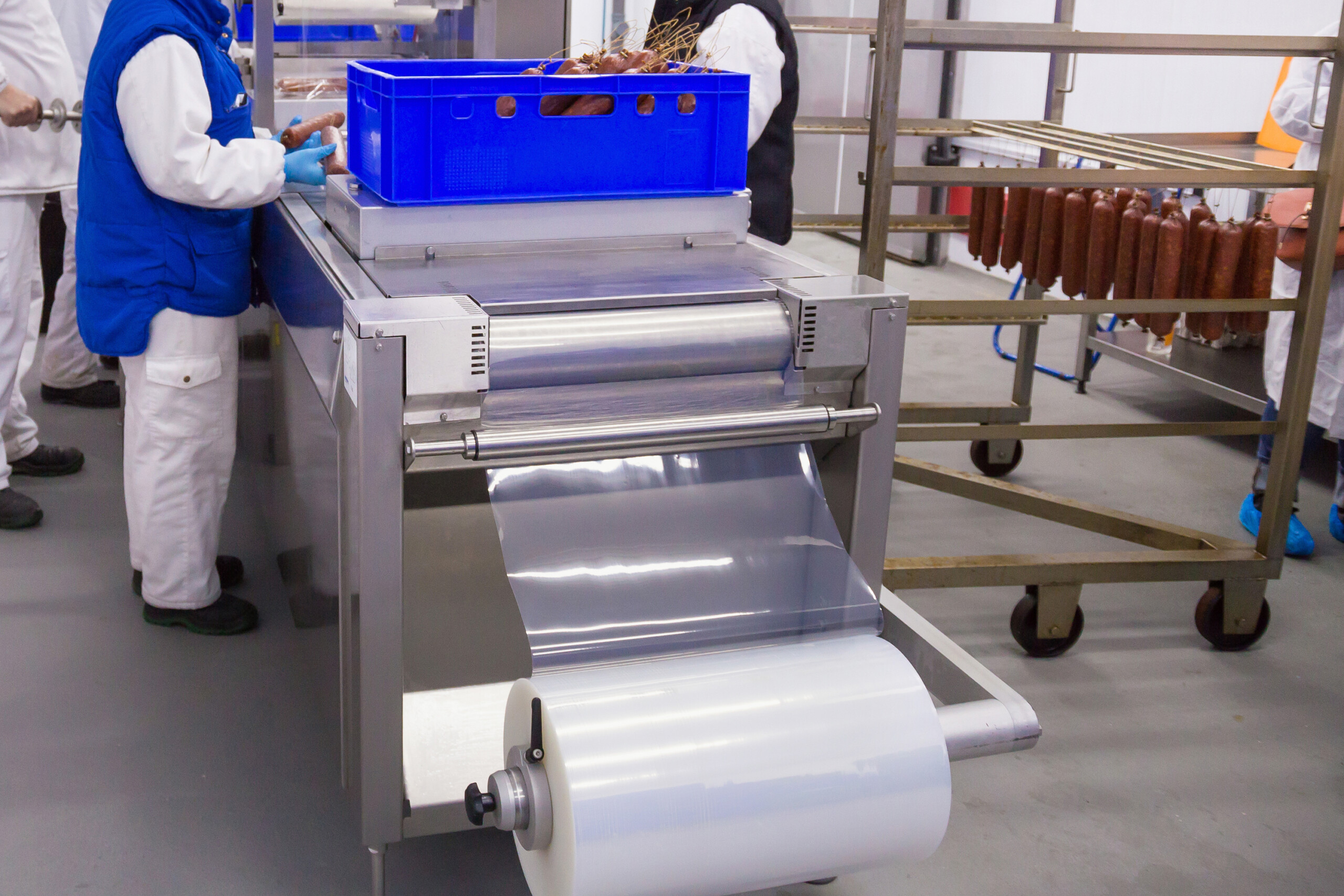
Produce buyers are increasingly requiring their suppliers to establish environmental monitoring programs in their packinghouses to verify the sanitary conditions of handling facilities and equipment. The first step of a successful monitoring program requires accurate zone designation, whereby surfaces are identified according to their proximity to and likelihood of contaminating a food product. This first publication in the “Packinghouse Environmental Monitoring Programs” series guides food safety managers as they determine how to prioritize food-contact and non-contact surfaces as they develop their monitoring programs.
|
-

The USDA-Food Safety Inspection Service (FSIS) indicated that if water is to be reused in a poultry processing facility, then this reuse water must be accounted for in the plant’s HACCP program.
|
-

Oat okara, the nutritious byproduct of oat milk processing, is rich in protein and dietary fiber. Current practices often discard okara or use it as animal feed. Produced in large quantities, it represents not only a sustainability challenge but also a significant economic opportunity. With potential applications in food fortification and as a cost-effective ingredient in baked goods, snacks, and more, utilizing oat okara can reduce waste and add value to the production chain. Unlocking its potential benefits both the environment and the food industry.
|
-

An acidified food is a low-acid food to which acids (such as vinegar, lemon juice, citric acid, etc.) or acid foods (such as fruits or tomatoes) have been added to bring the equilibrium pH of the food to 4.6 or less, with equilibrium water activity greater than 0.85.
|