Forages and Baleage Resources
-

SB 28-10
Alfalfa
RevisedCommercial insect and weed control in alfalfa. Updated annually.
|
-

SB 28-14
Clover
RevisedCommercial insect and weed control in clover. Updated annually.
|
-

SB 28-25
Perennial Grass, Pasture, and Forage
RevisedCommercial insect and weed control in perennial grasses, pastures, and forages. Updated annually.
|
-
 Revised
Commercial insect and weed control in summer and winter temporary grazing. Updated annually.
|
-
 Revised
Blister beetles sometimes infest forage crops such as alfalfa, where they may become incorporated in hay. This publication discusses biology, cause of illness and management of blister beetles.
|
-

Determining an equitable price for purchased forages is a necessary but often uncomfortable topic of discussion for feed growers and purchasers. Usually this discussion is in the context of corn silage; however, the same principles can be used in any discussion involving hay, baleage or grains. In order for an input market to be efficient, the price agreed upon by both buyers and sellers should adequately compensate the producer while still allowing the purchaser the opportunity to economically use the input.
|
-
B 911
Bermudagrass in Georgia
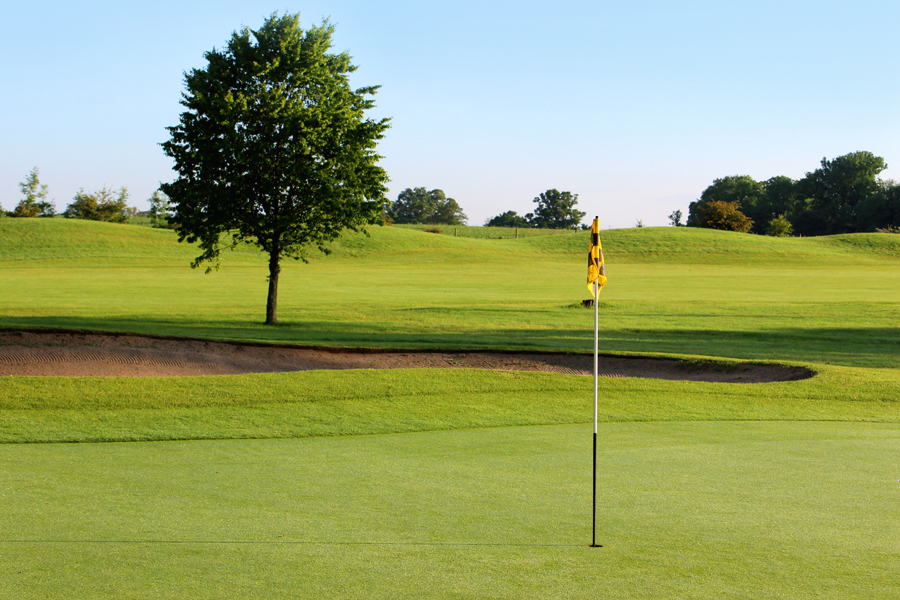
Bermudagrass (Cynodon spp.) is an important warm-season, perennial, sod-forming forage grass in Georgia and throughout the Southeast. Bermudagrass is productive from spring until fall and is well-suited for grazing or hay production. Several varieties of bermudagrass are used in Georgia, ranging from common bermudagrass to the high-yielding, good quality hybrid bermudagrasses. The best variety to use depends on your location in the state and the intended use.
|
-

Some of the most widely adopted precision agriculture technologies include guidance systems that utilize a Global Positioning System (GPS). Although these technologies are most commonly utilized in row-crop agricultural systems, they also have many potential benefits in forage-based production systems. With so many different options to choose from, it can be a daunting task to determine which technologies are the best fit for a specific farming application and budget. When coupled with a differential GPS system (which are available in various levels of correction accuracy), the accuracy of these guidance systems can be greatly improved. The main goal of this bulletin is to cover the currently available GPS guidance options for forage production systems.
|
-
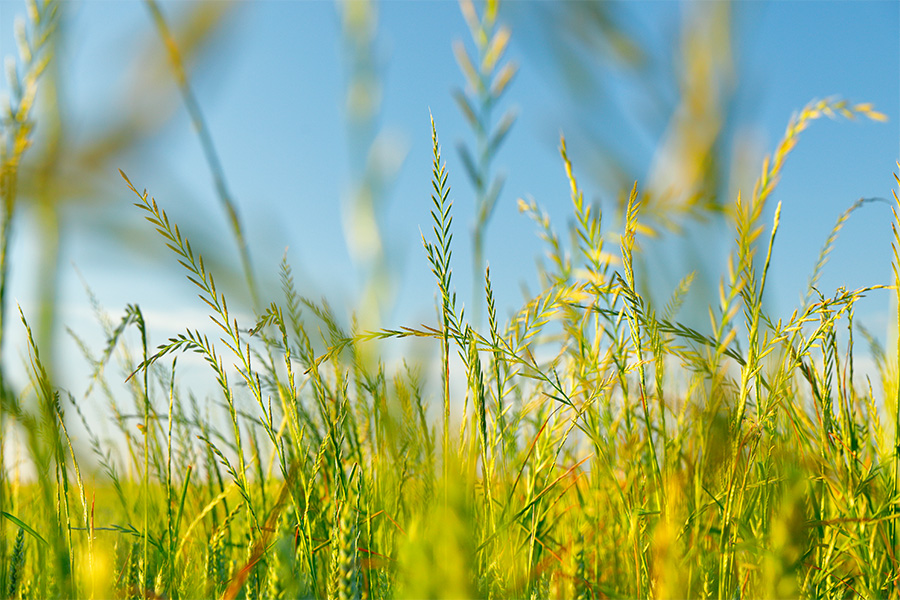
The geographic and environmental diversity of Georgia allows for the extensive use of both cool and warm season grass species. In general, cool season grass species provide higher nutritional quality than warm season grasses. In contrast, warm season grasses generally yield more than cool season grasses. Each type and species, however, offers its own unique qualities and benefits to the forage system. In this section, the most important grass species in Georgia are introduced and discussed.
|