Forages and Baleage Resources
-

Much attention has been placed on the potential negative environmental impacts of grazing; however, grazing can be a powerful tool for improving pasture health and productivity. Grazing diminishes the competitive ability of plants like broomsedge and johnsongrass and improves the competitiveness of bermudagrass, bahiagrass and even clovers. Improper grazing, on the other hand, can decrease the competitiveness of desirable species like orchardgrass or switchgrass and encourage undesirable weedy species.
|
-
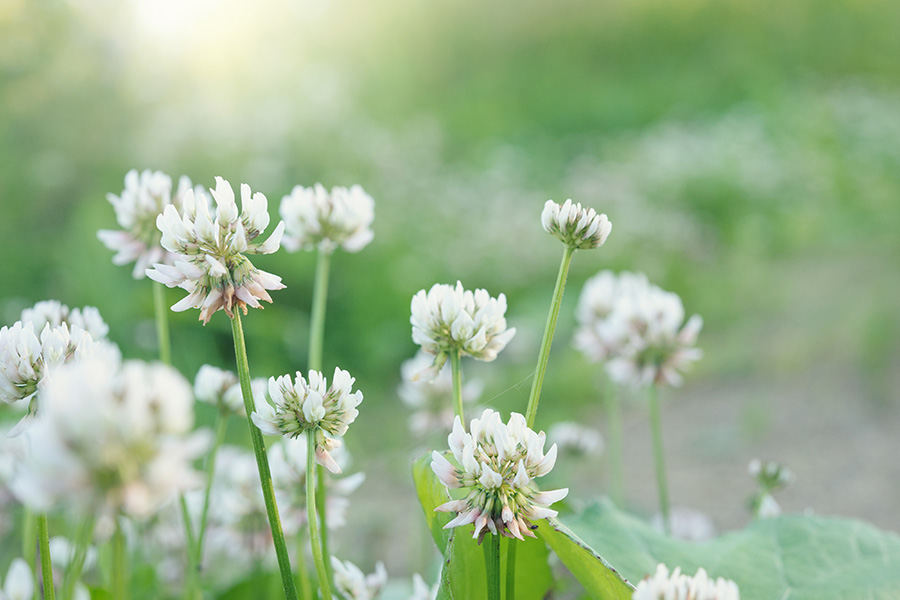
White clover (Trifolium repens L.) is a cool season perennial legume of Mediterranean origin. White
clover has been used as a forage in North America since Colonial times. Benjamin Franklin noted its
prevalence in cleared and disturbed land as early as 1746. There are many animal and agronomic related reasons for establishing a productive stand of white clover in existing grass pastures. This publication covers tips on selecting, establishing and managing white clover to help ensure a productive stand.|
-

A good pasture and forage program can provide quality feed and normally will be the most efficient and economical means of providing a substantial part of equine rations. In Georgia, we are fortunate to have a mild climate, soils suitable for producing forages and a good selection of highly productive forage species. With careful planning and good management, adequate grazing can be supplied for up to 10 months of the year in most areas of the state. To many producers, the term “horse pasture” denotes grazing management and forage crops unique to horses. This is not the case at all. Because the horse is a herbivore, most forage crops commonly used for cattle can also be used to provide grazing for horses.
|
-

This resource will help county agents, producers, and industry professionals learn about planting and growing annual forages in Georgia. These annual species fill critical gaps in both forage and crop production seasons.
|
-
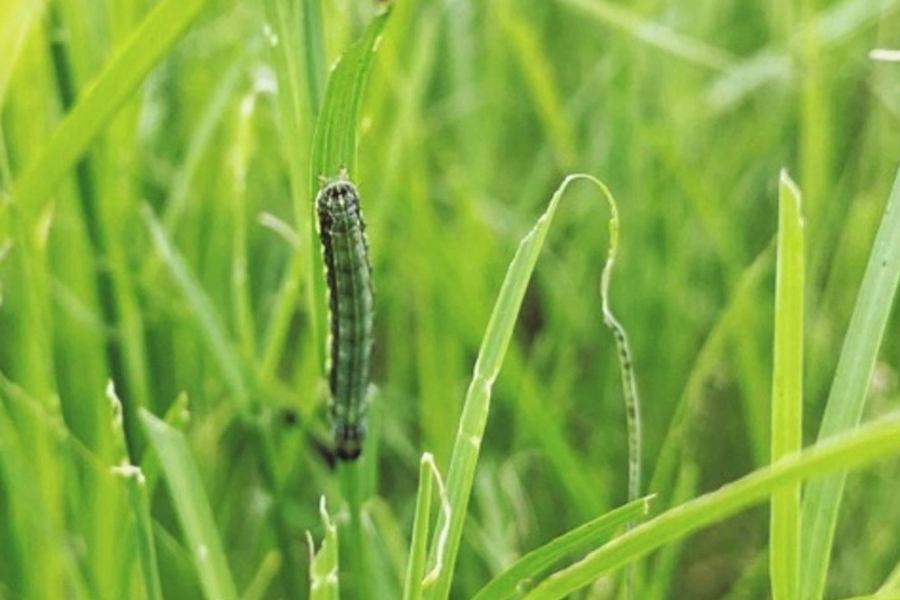
Fall armyworms can quickly decimate a field of any forage crop or pasture, often eating higher quality forage first. Growers and farmers can face severe economic damage and total forage loss. Anyone growing forage or pasture used to feed livestock can use this publication to find answers to the most common questions about fall armyworm in Georgia pastures and hayfields.
|
-
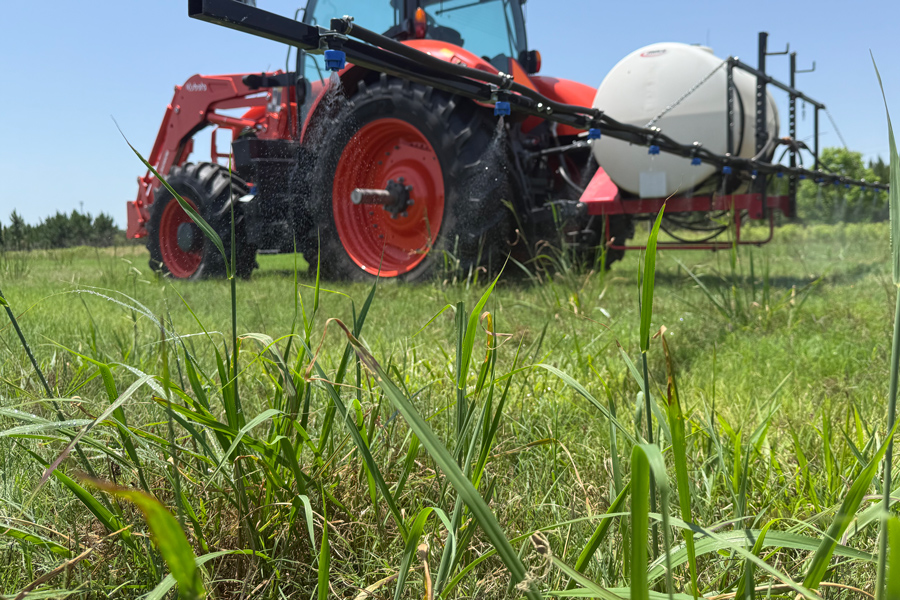
Vaseygrass is a warm-season perennial grass weed commonly found in pastures and hayfields in the southern half of Georgia. Recently, vaseygrass has begun to spread north in Georgia and can now be found sporadically throughout the Piedmont region of the state.
|
-
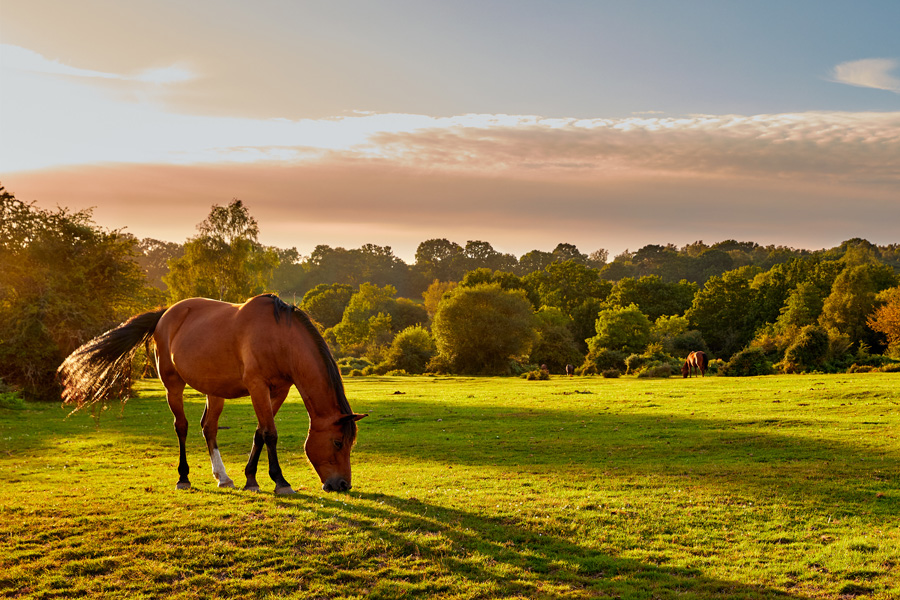
A handy reference for horse owners and land managers to help identify weeds that are toxic to horses, with pictures to aid identification, a brief description of the plants, and the specific toxicity symptoms associated with common weeds and trees that are poisonous to horses. It also gives tips on how to better manage pastures to prevent pasture-related plant toxicities. This publication is suitable for a general audience concerned with equine health and pasture safety.
|
-

SB 28-10
Alfalfa
Commercial insect and weed control in alfalfa. Updated annually.
|
-

SB 28-14
Clover
Commercial insect and weed control in clover. Updated annually.
|