Forages and Baleage Resources
-
 Revised
Some of the most widely adopted precision agriculture technologies include guidance systems that utilize a Global Positioning System (GPS). Although these technologies are most commonly utilized in row-crop agricultural systems, they also have many potential benefits in forage-based production systems. With so many different options to choose from, it can be a daunting task to determine which technologies are the best fit for a specific farming application and budget. When coupled with a differential GPS system (which are available in various levels of correction accuracy), the accuracy of these guidance systems can be greatly improved. The main goal of this bulletin is to cover the currently available GPS guidance options for forage production systems.
|
-
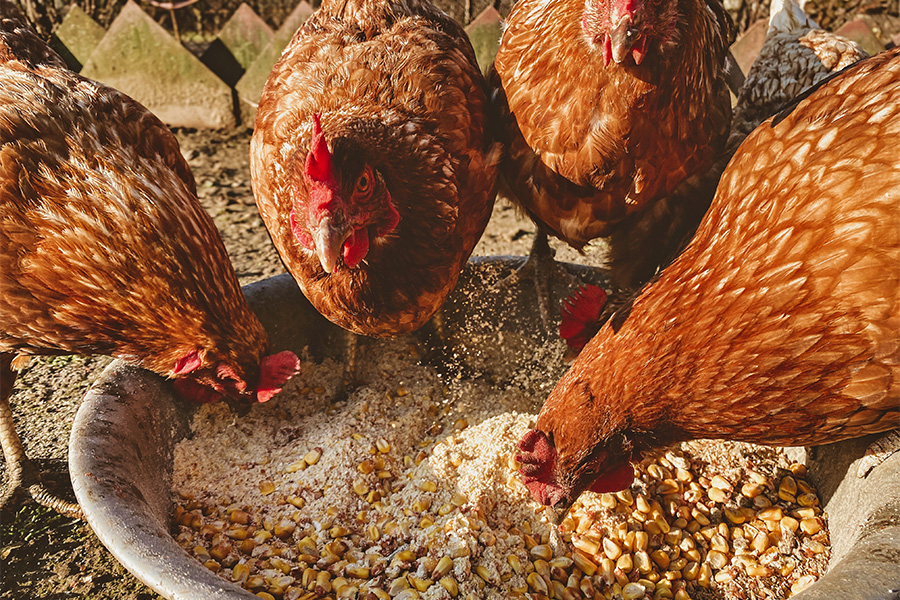
This bulletin is an educational reference for those who are interested in animal feeding and nutrition. It defines common terms used when discussing or reading about animal feeding and nutrition.
|
-
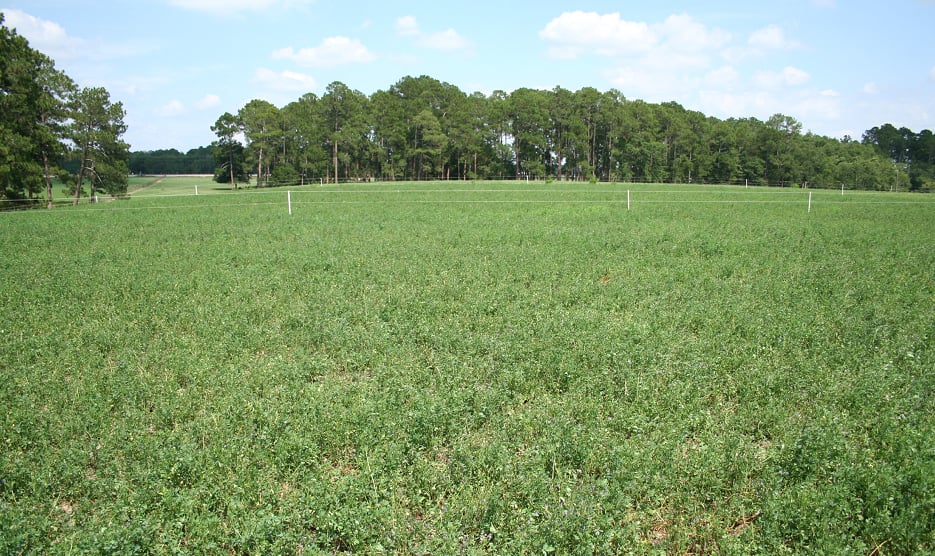
Measuring, monitoring, and managing forage requires producers to regularly measure how much forage mass is present and how quickly that forage is growing. By using a rising plate meter, producers can assess the forage mass across several pastures quickly and with reasonable accuracy. Then, by comparing available forage in individual paddocks from one week to another, producers can determine the growth rate of the forage. In periods of poor growing conditions, management can be deployed to increase growth rates. In periods of rapid growth rate, decisions can be made to alter grazing sequences or plans can be made to harvest excess forage for hay or baleage. In short, the rising plate meter helps producers to assess the current status of each pasture and then make better decisions to increase the efficient use of that forage.
|
-
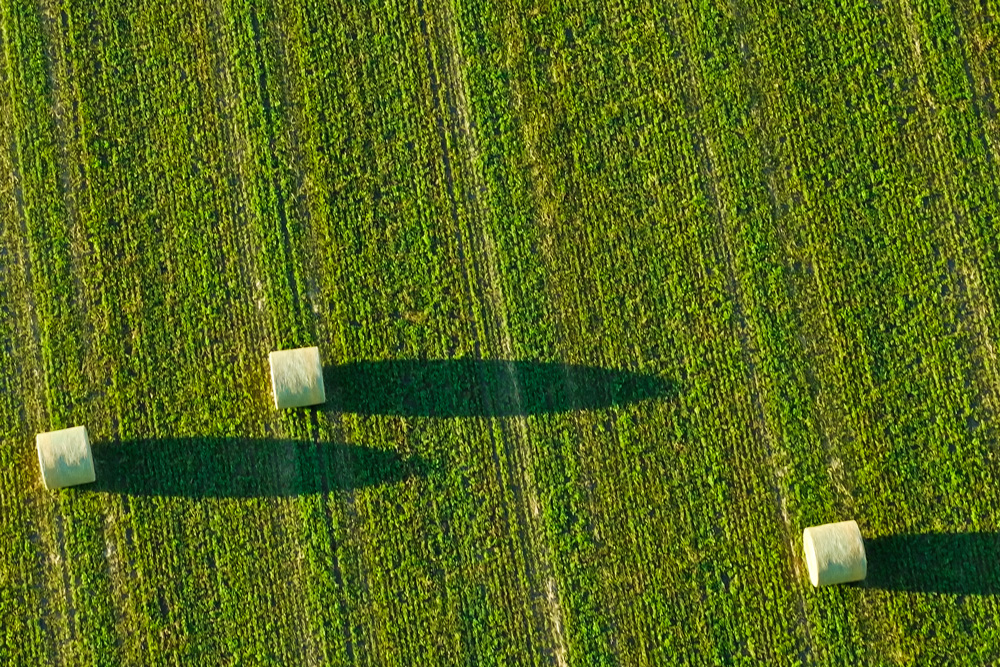
Forages are a key component to grazing animal diets in Georgia. Accurately testing the nutritive value of your forage is important. The nutritive value of most forages in Georgia can be evaluated through near infrared spectroscopy (NIRS). This resource focuses on common questions from forage-livestock producers about NIRS.
|
-
C 1180
Fescue Toxicosis in Horses
Tall fescue is the primary cool season perennial forage grown in the state of Georgia, and toxicity issues related to the grass can have significant impacts on equine reproduction. Tall fescue is the most heat tolerant of the cool season grasses due to a fungus that grows within the plant called an endophyte. This endophyte produces ergot alkaloids that can have negative effects on animals that eat the infected forage. The toxic effects of the endophyte can be successfully managed by eliminating the grazing or feeding of toxic tall fescue, as described in this publication.
|
-

This management guide provides producers with specific tactics that may minimize the potential for short- and long-term problems during a drought. These tactics are based on specific characteristics including water loss, forage growth, and rainfall.
|
-
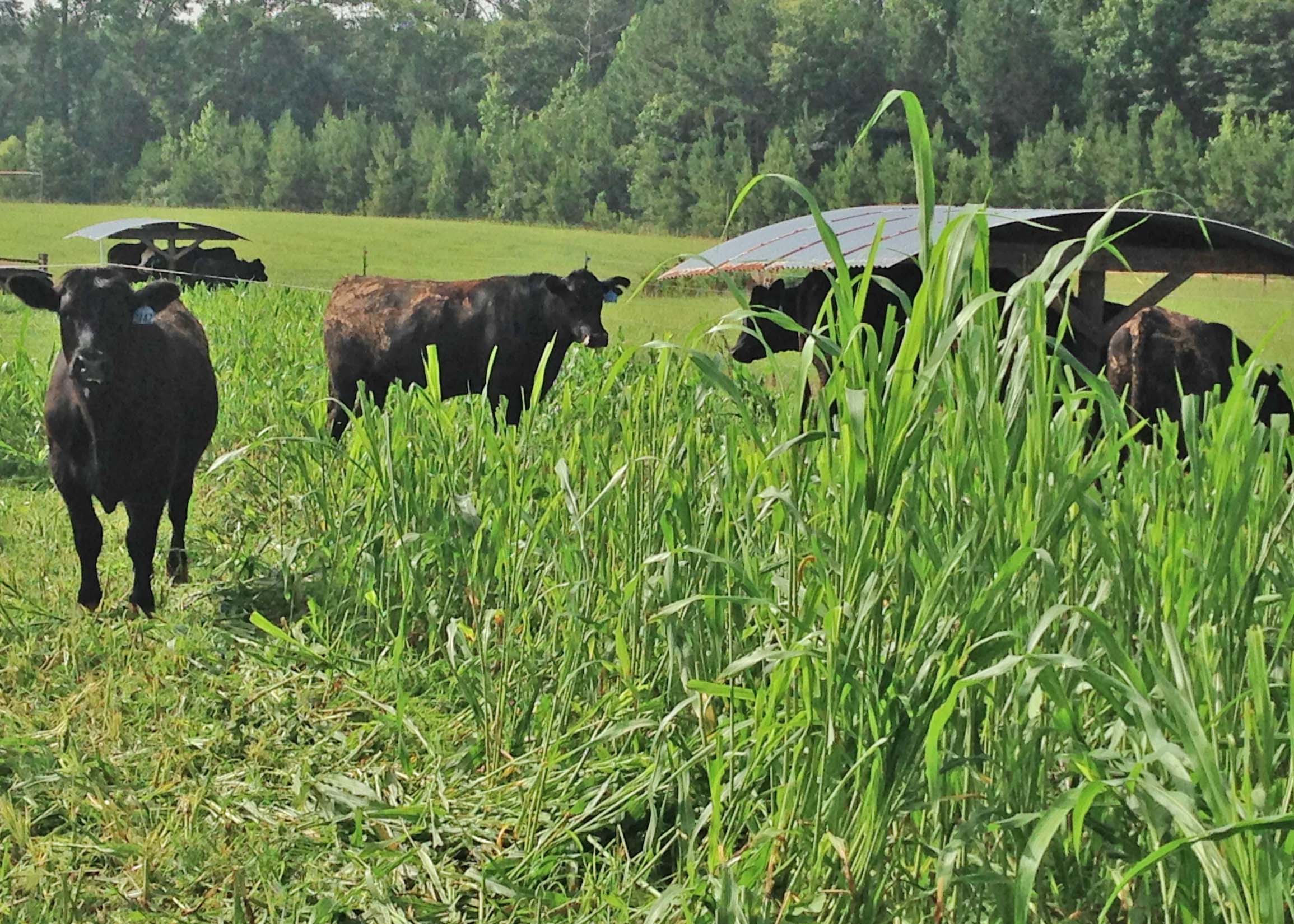
Stressful plant growing conditions may result in high concentrations of nitrates in forage and plant species commonly found in pastures and hayfields. Animals consuming high-nitrate material will experience symptoms associated with nitrate toxicity or poisoning. This resource answers the most-asked questions about nitrates in forage systems.
|
-

The goal of this publication is to guide the user to a better understanding of basic forage quality terms and to recommend management changes that will improve forage quality. To that end, our objectives are to explain how forage quality is measured, describe how to interpret a forage analysis, present the effects of management on forage quality, and list the key management strategies that can increase the nutritive value of forage crops.
|
-

Producers growing grasses for hay or forage can use this resource to learn about, identify, and control smutgrass. Perennial grass weeds can be problematic in forage systems as few herbicides are available, especially for use in bahiagrass and tall fescue. An integrated weed management plan is critical for combatting smutgrass in Georgia forage systems. For example, a timely fertilizer application following hexazinone can accelerate bahiagrass recovery giving it a competitive advantage over other weed species. This resource also includes a brief summary of smutgrass research at UGA.
|