Forages and Baleage Resources
-

Legume species add significantly to forage systems in Georgia. They are an excellent source of high quality forage, and are generally very digestible and contain high levels of crude protein (CP). Many legumes also provide substantial forage yields. Perhaps most importantly, legumes and the rhizobium bacteria that colonize nodules on their roots provide an important source of biologically-fixed nitrogen (N). This publication presents information about the most important legume species grown for forage in Georgia.
|
-

This report includes results of the 2016-2017 performance tests of small grains used for grain and forage. Grain evaluation studies were conducted in five locations in Georgia, including Tifton, Plains, and Midville in the Coastal Plain region; Athens in the Piedmont region; and Calhoun in the Limestone Valley region. Small grain forage evaluation tests were conducted at five locations in Georgia and Florida, including Tifton and Plains in the Coastal Plain region, Athens in the Piedmont region, Calhoun in the Limestone Valley region, and at Marianna, Florida.
|
-
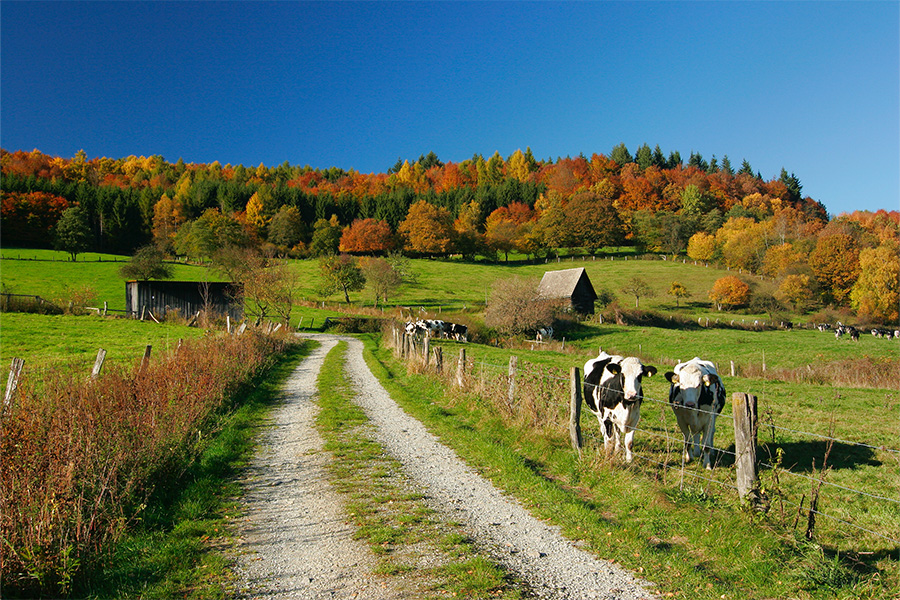
Poultry litter is widely used on pastures and hayfields in Georgia. There are many benefits when it is used wisely. Producers should use nutrient management planning and recommended rates to ensure poultry litter is used in ways that maximize its benefits without harming the environment.
|
-

This research report presents the results of the 2016 statewide performance tests of soybean, sorghum grain and silage, and summer annual forages. The tests for various evaluations were conducted at several or all of the following locations: Tifton, Plains, and Midville in the Coastal Plain region; Griffin and Athens in the Piedmont region; and Calhoun in the Limestone Valley region.
Agronomic information, such as plant height, lodging, and disease occurrence, is listed along with the yield data. Information concerning planting and harvest dates, soil type, and culture and fertilization practices used in each trial is included in footnotes. Since the average yield for several years gives a better indication of a variety’s potential than one year’s data, multiple-year yield summaries have been included.
|
-
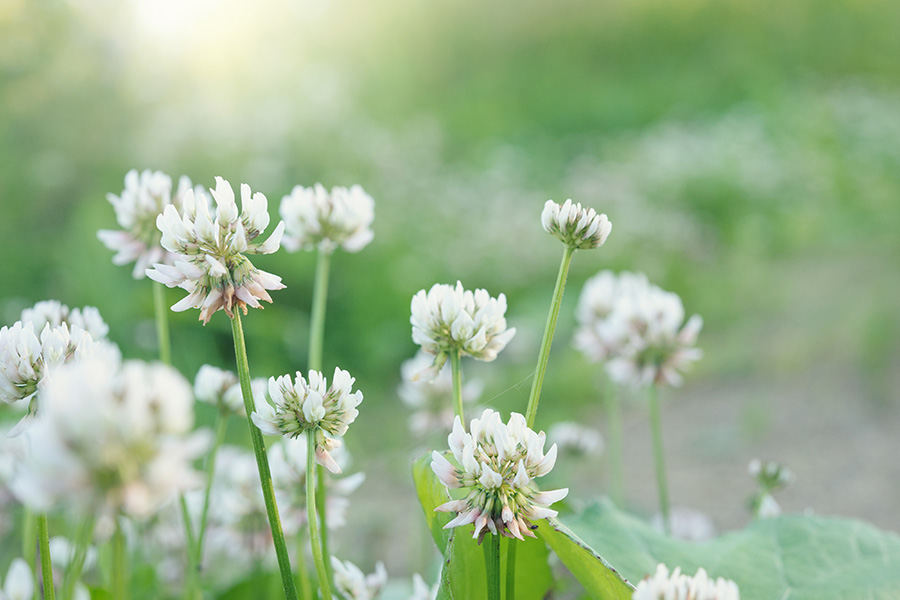
White clover is a cool season perennial legume of Mediterranean origin. White clover has been used as a forage in North America since Colonial times. Benjamin Franklin noted its prevalence in cleared and disturbed land as early as 1746. There are many animal and agronomic related reasons for establishing a productive stand of white clover in existing grass pastures. This publication covers tips on selecting, establishing and managing white clover to help ensure a productive stand.
|
-

This research report presents the results of the 2015 statewide performance tests of soybean, sorghum grain and silage, and summer annual forages. The tests for various evaluations were conducted at several or all of the following locations: Tifton, Plains, and Midville in the Coastal Plain region; Griffin and Athens in the Piedmont region; and Calhoun in the Limestone Valley region.
The University of Georgia soybean variety trials are irrigated. In addition, dryland soybean variety trials were conducted at four locations (Midville, Plains, Tifton, and Griffin), and irrigated, ultra-late planted soybean variety trials were conducted at Midville and Attapulgus. All are included in this report.
Agronomic information, such as plant height, lodging, disease occurrence, etc., is listed along with the yield data. Information concerning planting and harvest dates, soil type, and culture and fertilization practices used in each trial is included in footnotes. Since the average yield for several years gives a better indication of a variety’s potential than one year’s data, multiple-year yield summaries have been included.
|
-

Alfalfa is a high-yielding, perennial legume that is well-suited to hay, silage, or pasture production. Alfalfa is known as the “Queen of Forages” because it produces an excellent quality, high-protein forage. These properties make alfalfa one of the most widely-grown crops in the world.
|
-

This research report presents the results of the 2014 statewide performance tests of soybean, sorghum grain and silage, and summer annual forages. The tests for various evaluations were conducted at several or all of the following locations: Tifton, Plains and Midville in the Coastal Plain region; Griffin and Athens in the Piedmont region; and Calhoun in the Limestone Valley region.
|
-

This research report presents the results of the 2011 statewide performance tests of soybean, sorghum grain and silage, and summer annual forages.
|