Fruit, Vegetable and Ornamental Production
-
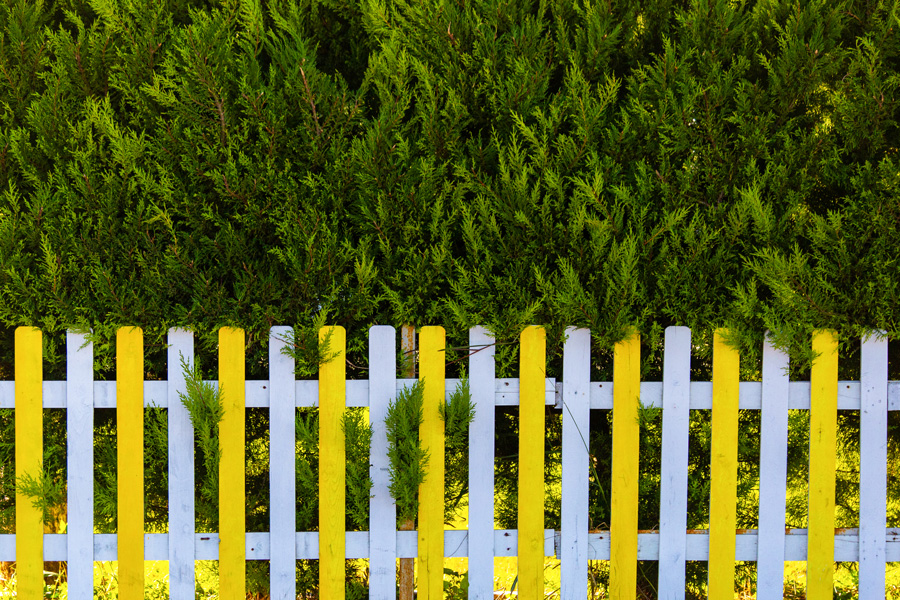
Leyland cypress has become one of the most widely used plants in commercial and residential landscapes across Georgia as a formal hedge, screen, buffer strip or wind barrier. Leyland cypress (x Cupressocyparis leylandii) is a graceful, rapidly growing evergreen tree that is adapted for growth within the 6-10a USDA hardiness zones. Leyland cypress is considered relatively pest-free; however, because of its relatively shallow root system, and because they are often planted too close together and in poorly drained soils, Leyland cypress is prone to root rot and several damaging canker diseases, especially during periods of prolonged drought. Disease management is, therefore, a consideration for Leyland cypress.
|
-
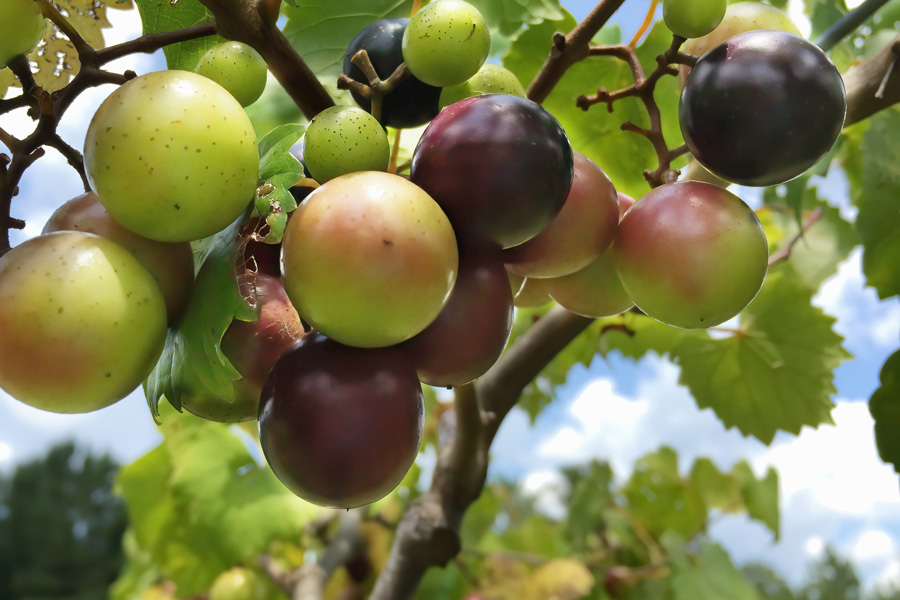
This 2023 update to the regional integrated pest management guide provides recommendations for muscadine grape production in the Southeastern U.S. Recommendations are based on information from the manufacturer’s label and performance data from research and Extension field tests. This publication is intended for use only as a guide. Specific rates and application methods are on the pesticide label, and these are subject to change at any time.
|
-
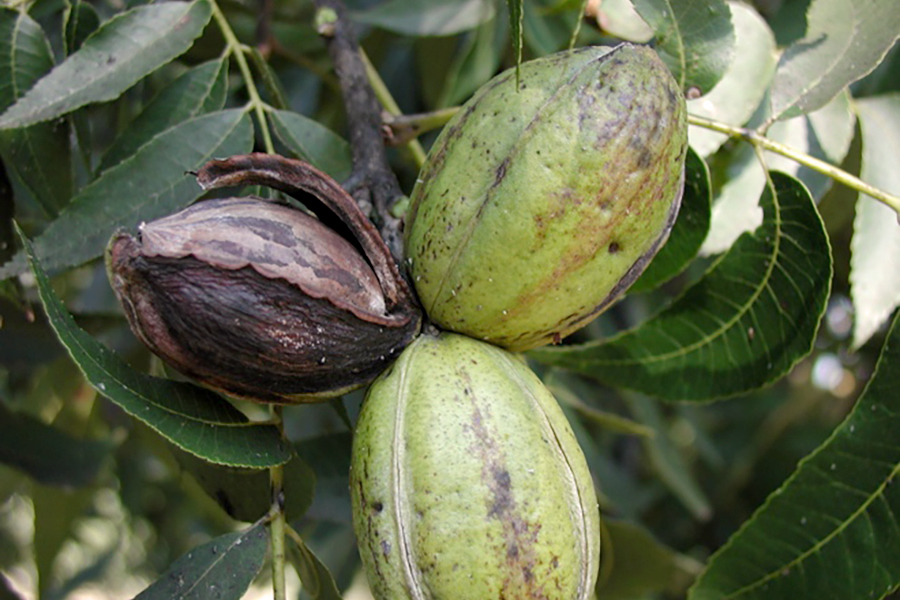
Although many problems regarding pecan production result from pest or disease pressure, the crop may also be adversely affected by nutritional imbalances, nutrient deficiencies, or environmentally induced disorders. These are some of the more difficult problems to diagnose. Some nutrients may be more available than others on certain soil types and under certain soil conditions. Additionally, complex interactions often occur between nutrients, which influence uptake by the pecan tree. Pecans can also be quite sensitive to environmental conditions, which stress the tree, limiting its growth and productivity.
|
-
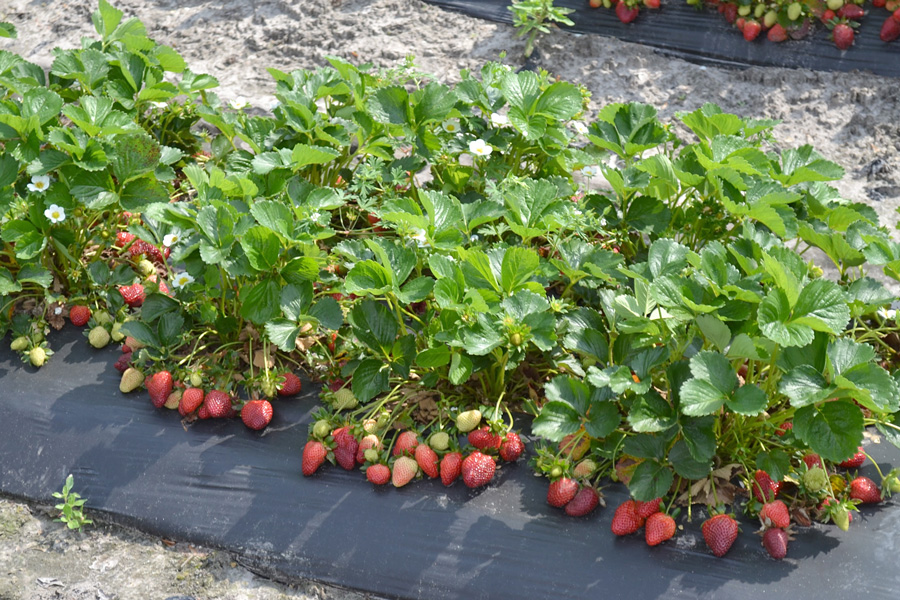
The 2023 edition of this regional integrated pest management guide provides recommendations for strawberry plasticulture production in the Southeastern U.S. Recommendations are based on information from the manufacturer’s label and performance data from research and Extension field tests. This publication is intended for use only as a guide. Specific rates and application methods are on the pesticide label, and these are subject to change at any time.
|
-

Cane blight can be a major disease of blackberry in the Southeast, resulting in severe losses. The wet, humid conditions observed in Georgia and other southeastern states allow for significant losses following pruning or other injuries to the primocane.
|
-
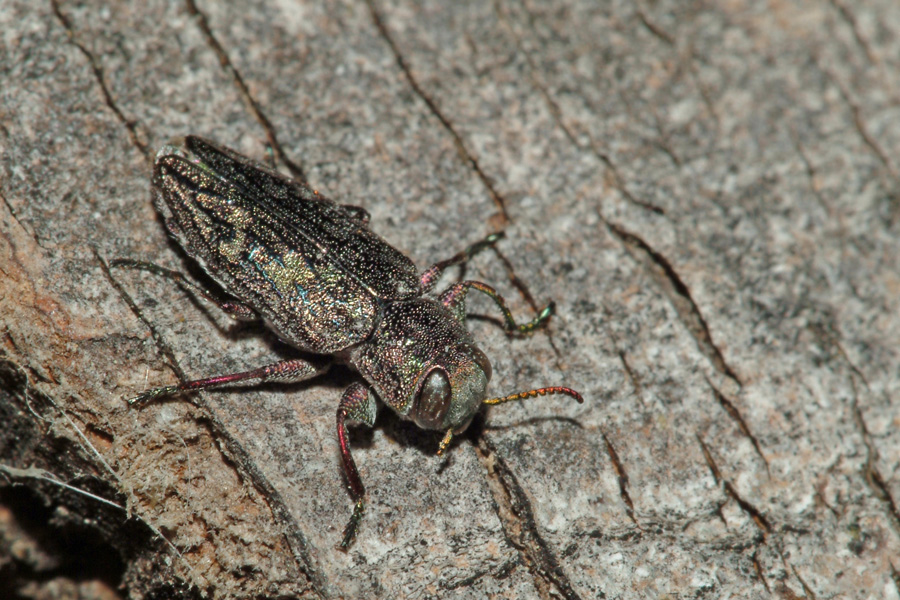
The flatheaded appletree borer is a polyphagous pest—so called because it feeds on multiple tree species—native throughout North America. Flatheaded appletree borers impact specialty crops such as fruit, nut, and ornamental trees. Nursery growers in Georgia face mild to moderate levels of infestation depending on the local beetle population size and favorable environmental conditions. Adult flatheaded appletree borers are metallic greenish-bronze and appear fattened in cross-section, which causes them to produce “D” or oval-shaped exit holes as they emerge from wood; these exit holes commonly are associated with buprestid beetles. The elytra or wing covers of flatheaded appletree borer adults have markings that appear as light-colored zigzagging bands. Larvae are cream-colored and have an enlarged, fattened thoracic segment behind the darker true head of the insect—this is what gives them the flatheaded name.
|
-
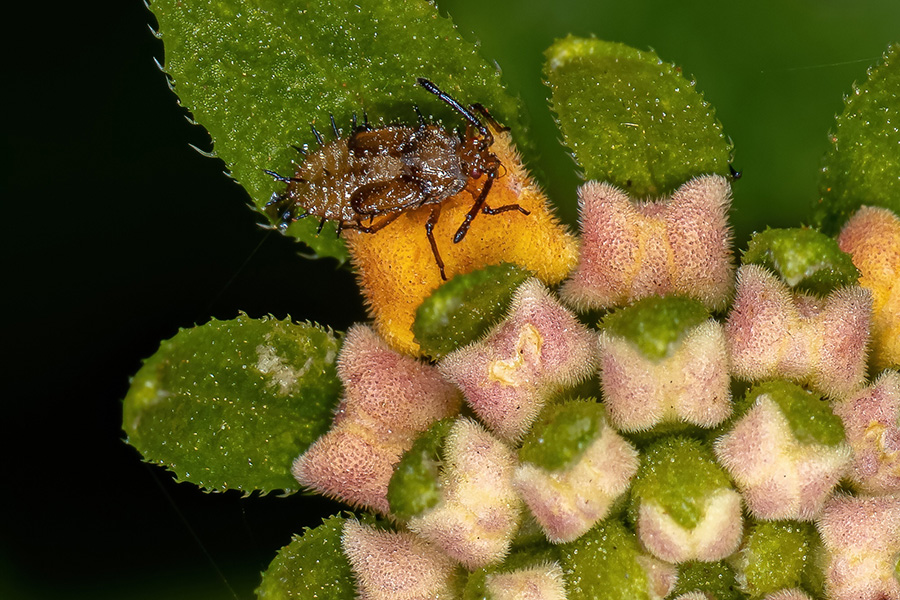
The lantana lace bug, Teleonemia scrupulosa Stål (Tingidae: Hemiptera), is a serious pest of lantana (Lantana
camara L.). Although lantana is regarded as an invasive weed both in the United States and worldwide,
many popular cultivars continue to be planted in residential and public ornamental landscapes and gardens.
Previously, the lantana lace bug was deliberately introduced to several countries as a biological control agent for
lantana. Te lantana lace bug is also referred to as T. lantanae or T. vanduzeei in many publications. This publication covers the identification, biology, symptoms and management of lantana lace bugs.|
-
C 1258
Fall Vegetable Gardening
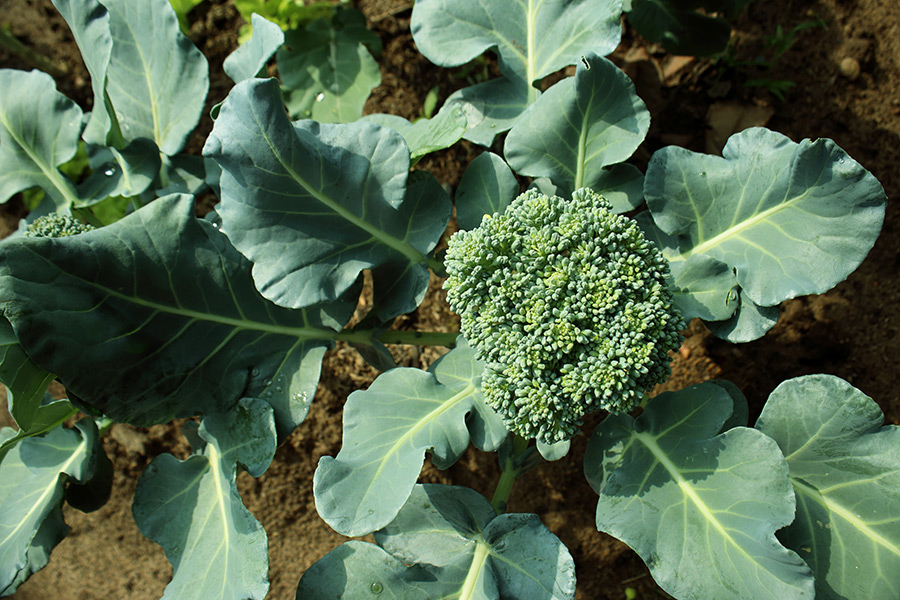
This publication covers fall vegetable production including planting dates, spacing, general culture of cool-season vegetables planted in Georgia in the fall. Many people consider the end of summer to be the end of gardening season. However, there is a whole other world of vegetables that can be planted in the fall garden in Georgia. Temperatures are milder, and there generally are fewer insects and diseases to contend with when planting in the fall. Cool-season vegetables are ironically planted in the late-summer heat, but thrive as they mature during cooler temperatures as the season progresses. Whether you choose to plant only a cover crop or to try your hand at some cool-season vegetables, planting for the fall growing season will keep your garden productive all year long.
|
-
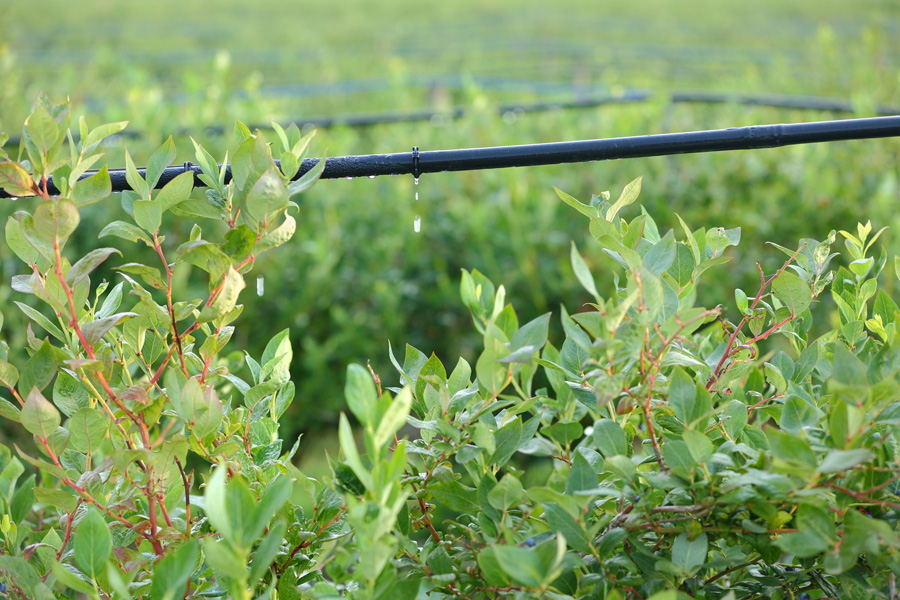
This circular is a review of water quality standards, calculations, and recommendations for water that will be used for irrigation of blueberries.
|