Fruit Resources
-
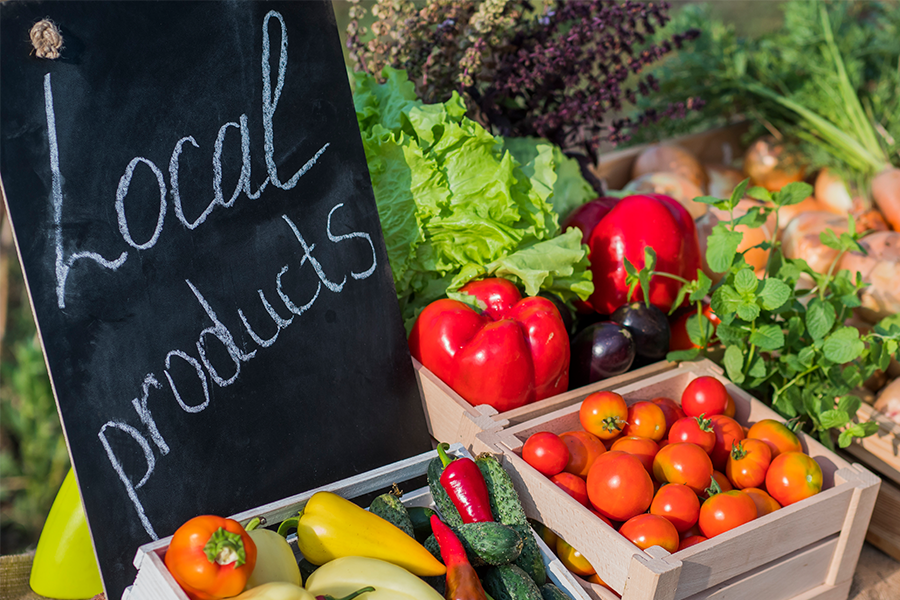
This publication covers some of the basic information about what you may need and key considerations when developing a small fruit and vegetable farm.
|
-

This peach tree training system is being adopted by some southeastern peach growers; it is an easy, low-maintenance system that can be used even in the home orchard.
|
-
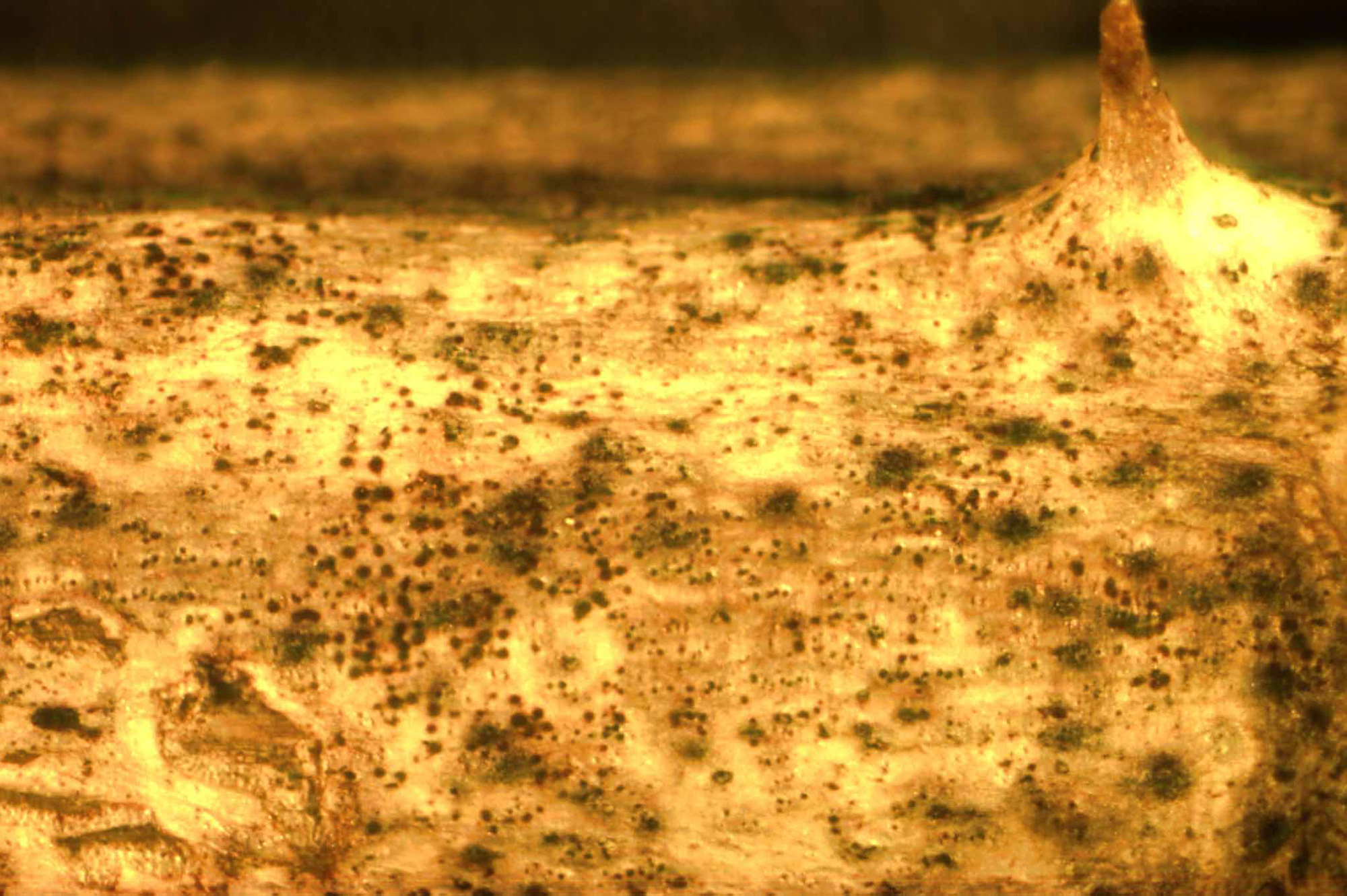
Cane blight can be a major disease of blackberry in the Southeast, resulting in severe losses. The wet, humid conditions observed in Georgia and other southeastern states allow for significant losses following pruning or other injuries to the primocane.
|
-
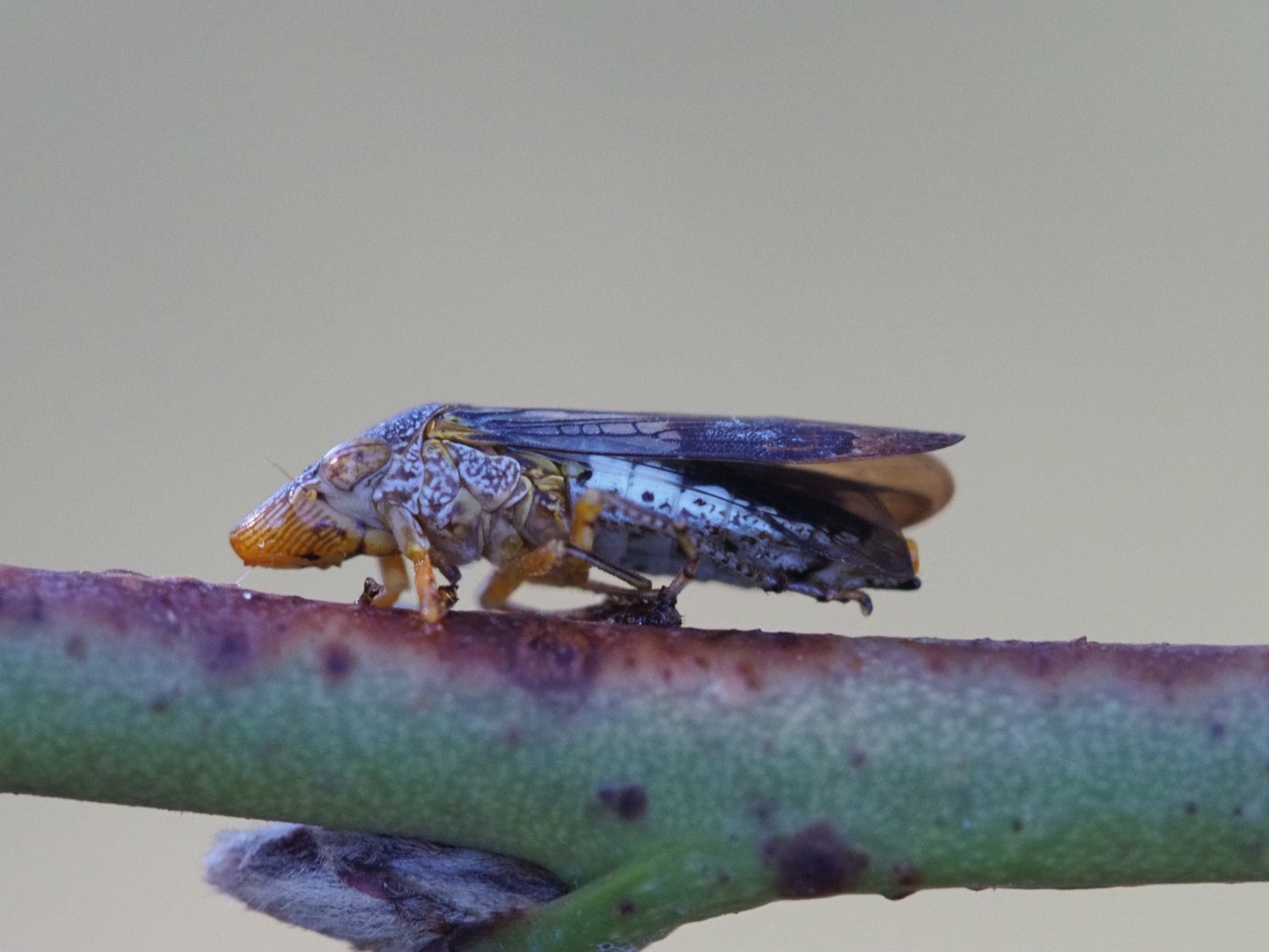
C 1253
Phony Peach Disease
This fact sheet covers phony peach disease: History, symptoms, disease cycle, and management.
|
-
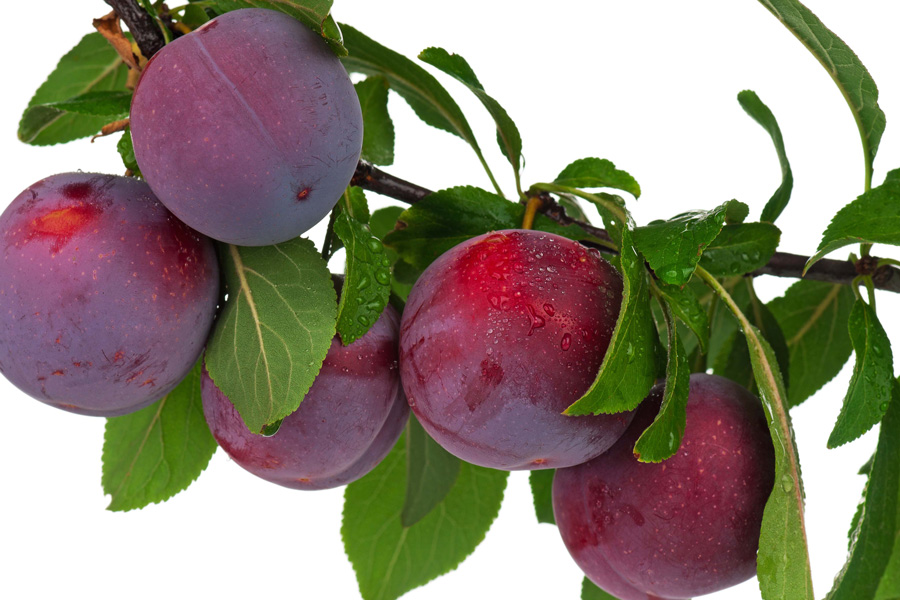
B 1518
Home Garden Plums
This resource covers plum production, pruning, thinning, fertilization, and variety selection in the home garden. Most commercially grown plum varieties are derived from either Japanese or Asian plums or European plums. Japanese plums are primarily for fresh consumption, while European plums are for both processing and fresh consumption. The products obtained from processing plums include prunes (dried fruit, the predominant product), canned fruit, jam, jelly, juice, and beverages.
|
-
SB 48-05
Home Orchard Pest Management
This section of the Home & Garden Edition covers pest control in home orchards, including apples, peaches, bunch grapes, muscadines, strawberries, blueberries, and other fruits. Beginning in 2022, the Home & Garden Edition has been updated biennially. When purchasing a product based on a first-year recommendation of the Handbook, check the current product label before purchase to be sure it is still labeled for the use for which you are buying it. For pesticide products you have on hand from earlier purchases, you are allowed to use them until they are depleted without penalty under the law. Always follow label instructions before use. Contact the product’s manufacturer for the most up-to-date label.
|
-
SB 48-06
Home Fungicide Guide
This section of the Home & Garden Edition covers fungicides for use in and around your home. Beginning in 2022, the Home & Garden Edition has been updated biennially. When purchasing a product based on a first-year recommendation of the Handbook, check the current product label before purchase to be sure it is still labeled for the use for which you are buying it. For pesticide products you have on hand from earlier purchases, you are allowed to use them until they are depleted without penalty under the law. Always follow label instructions before use. Contact the product’s manufacturer for the most up-to-date label.
|
-
C 742
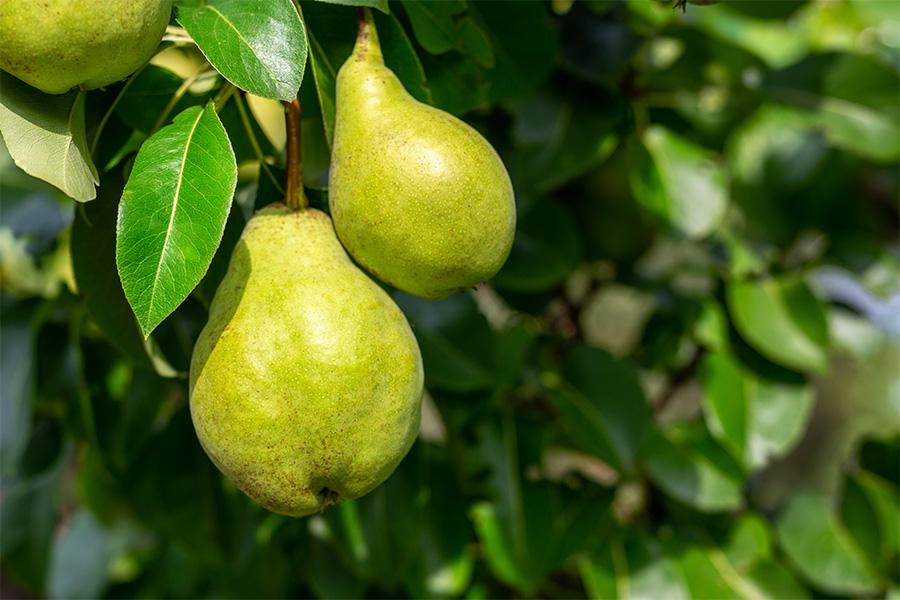
Home Garden Pears
Find out how to grow pears at home. They are adapted to nearly all of Georgia, and it’s not uncommon to find trees as much as 50 years old that are still producing fruit.
|
-

Deciduous fruit plants common to Georgia must be propagated asexually because they do not come true to seed. This makes it necessary to reproduce the desired fruit plants by methods such as cuttings, runners, layering, budding or grafting. This publication discusses the common techniques used to asexually propagate fruit plants adapted to Georgia.
|