Fruit Resources
-
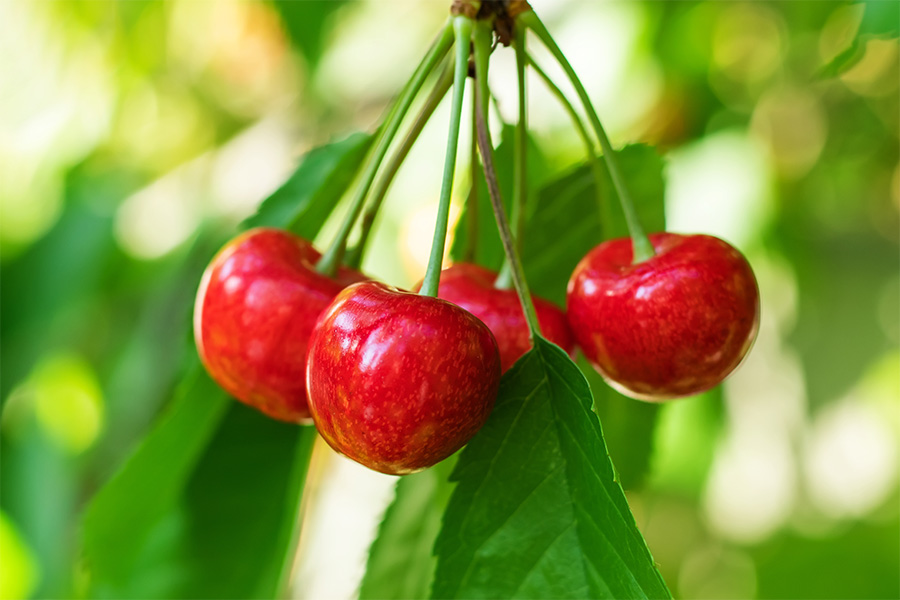
Many types of fruits and nuts can be grown in Georgia due to our mild climate. This publication provides an outline of the culture and management of the exotic and uncommon fruits and nuts that can be grown in Georgia.
|
-
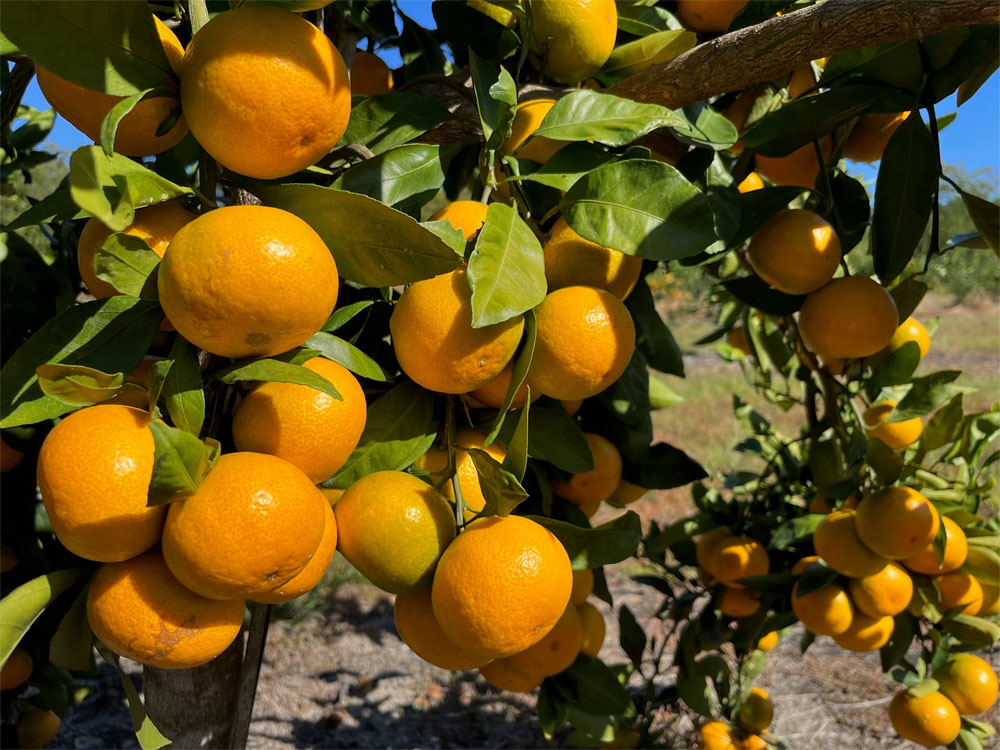
Satsumas are one of the most cold-hardy of all citrus and very adaptable to Georgia, but very little is known about growing citrus in Georgia. Commercial growers and residents often ask which early-maturing varieties are best to grow, so we evaluated juice from 12 early-maturing satsuma varieties. The varieties with the highest Brix content and best peel color are listed in this resource.
|
-
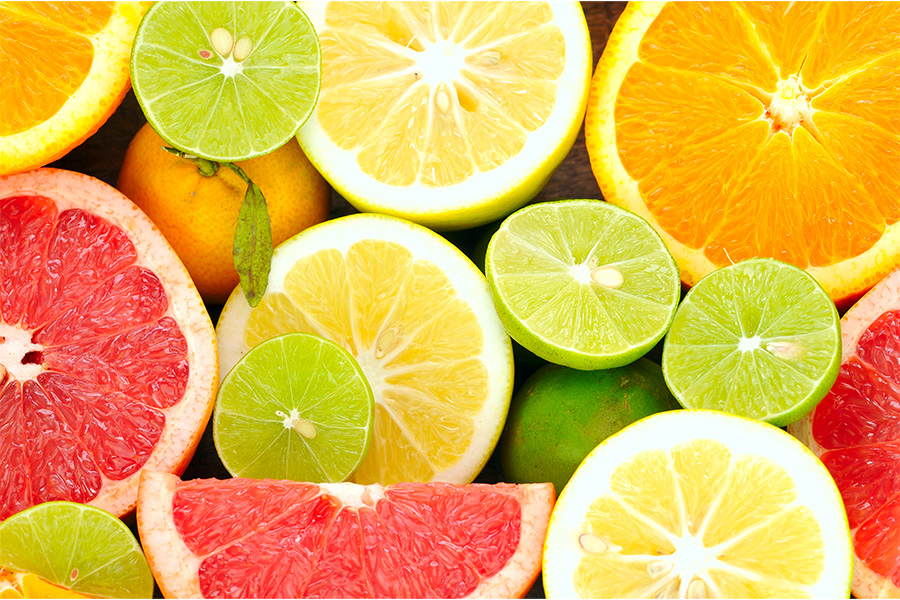
Citrus plants are very versatile around the home and may be used as individual specimens, hedges or container plants. Their natural beauty and ripe fruits make them attractive additions to the South Georgia home scene. Cold-hardy varieties that receive recommended care may grow successfully in the coastal and extreme southern areas of the state (and to a lesser degree in more northern locations).
|
-
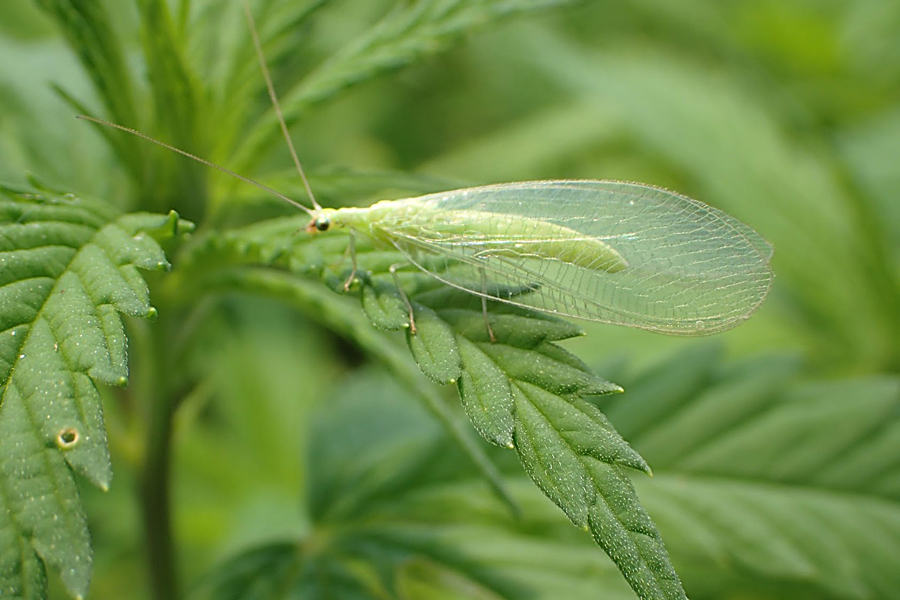
Blueberries are becoming the state fruit of Georgia with considerable acreage planted. Blueberries have many pest challenges and a current invasive pest challenge from spotted wing drosophilia (SWD). While efforts are underway to release new biocontrol agents for SWD, we still know little about the natural enemies in blueberry systems. Here we provide an overview of common natural enemies and conservation strategies for preserving beneficial species in blueberry systems. The work was funded by the NRCS to provide new information on natural enemies and pollinators and help with design and implementation of habitat management concepts.
|
-
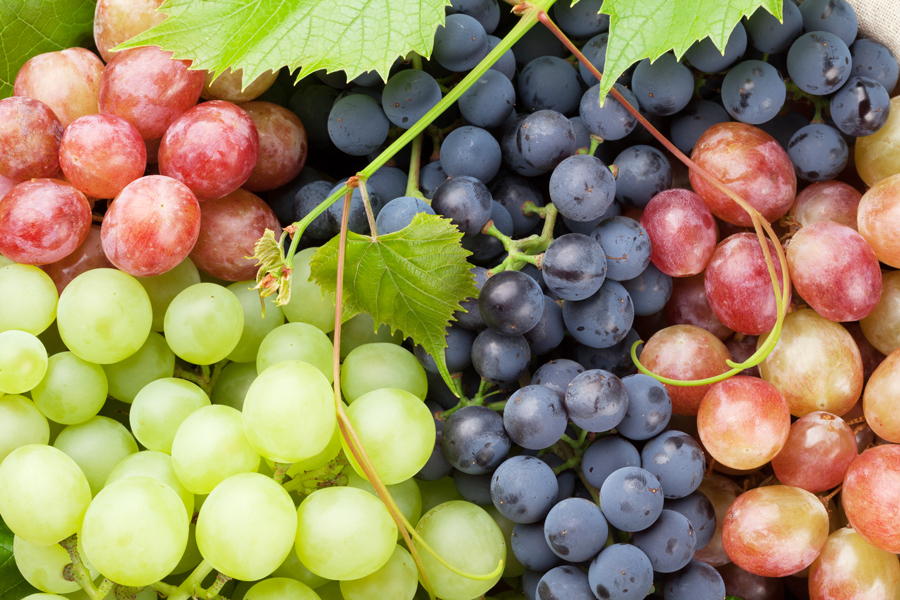
B 807
Home Garden Bunch Grapes
Bunch grapes are often called “pod” grapes in rural Georgia since they produce large clusters of fruit. Georgia’s climate is not well-suited to home garden production of European bunch grapes, but American bunch grapes and hybrids between the two species (French hybrids) grow well in Georgia. If grapes are well cared for and sprayed when diseases and insects threaten, you can expect yields of 20 to 30 pounds of fruit per vine.
|
-
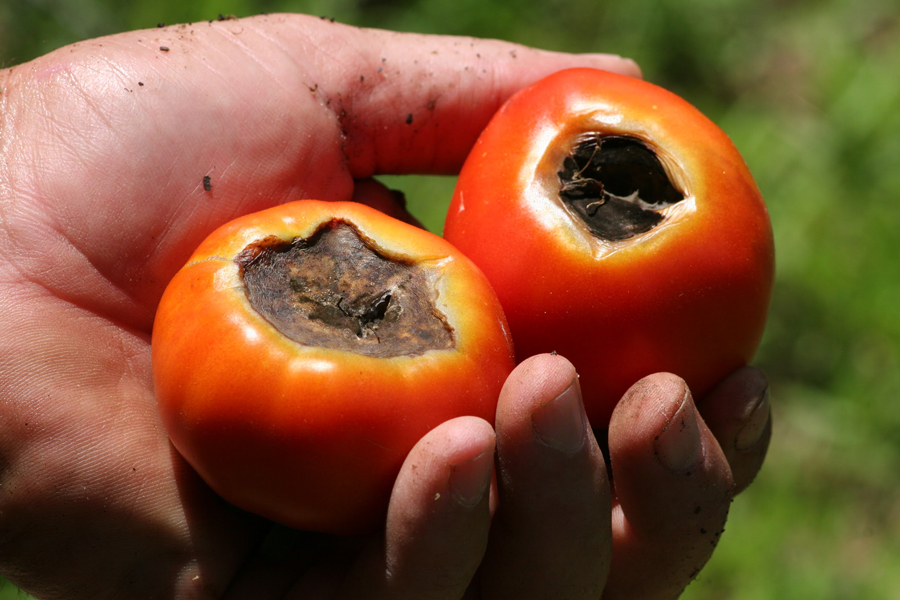
El tomate es una de las hortalizas más populares que se cultivan en el huerto familiar. Si bien las plantas de tomate pueden producir una gran cantidad de frutas saludables y deliciosas, su cultivo puede resultar frustrante. Además de las enfermedades e insectos más comunes que atacan a los tomates en el huerto, también pueden ocurrir varios padecimientos asociados con las labores culturales. Es importante el reconocer esas afecciones fisiológicas rápidamente para poder prevenirlas y así obtener frutos sanos.
|
-
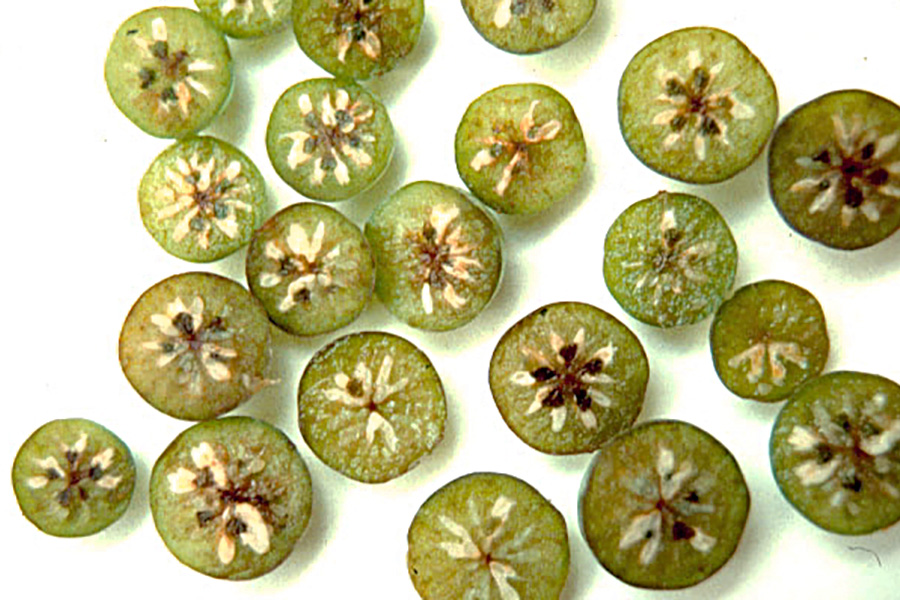
This publication is intended to be used as a pictorial diagnostic guide to identify the most common diseases seen on fruits grown in home landscapes, gardens, and/or orchards in Georgia. Use this guide as a supplemental resource and/or reference to the Homeowner Edition of the Georgia Pest Management Handbook.
|
-
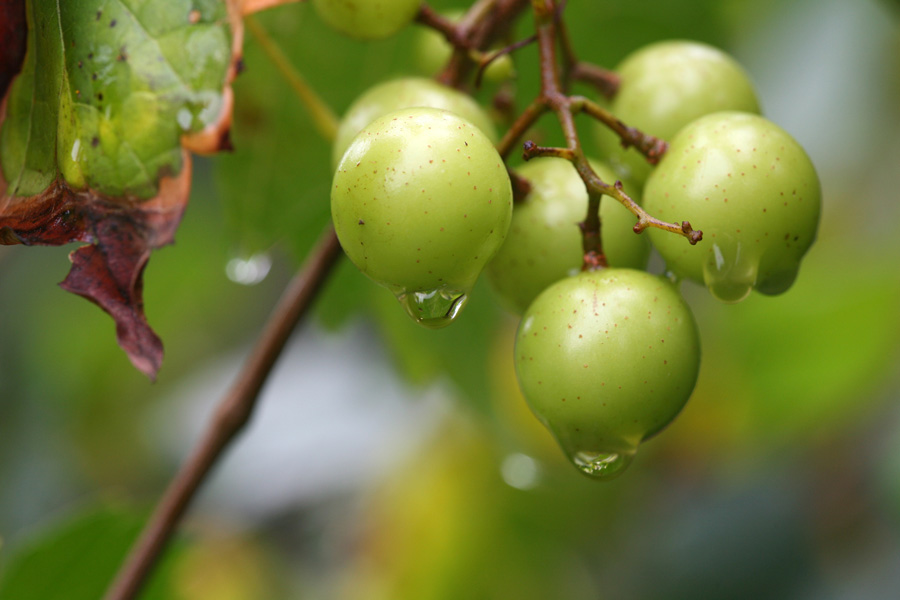
C 949
Home Garden Muscadines
Muscadines are truly a fruit for the south. Although muscadines can be grown successfully in most parts of the state, they are best adapted to the Piedmont and Coastal Plain areas.
|
-
C 945
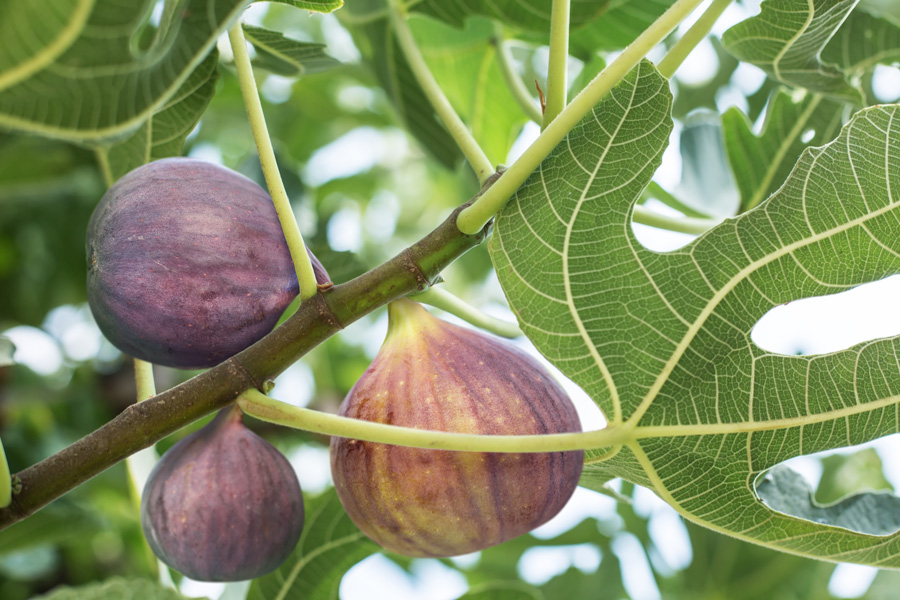
Home Garden Figs
This resource provides information on how to best grow figs in Georgia. Figs will do well in most parts of Georgia except the mountainous areas.
|