Gardening Resources
-

A landscape designed, installed and managed according to Xeriscaping’s seven steps uses up to 50% less water than a traditional landscape. And, a well-designed water-wise is just as attractive as a traditional landscape.
|
-
C 740
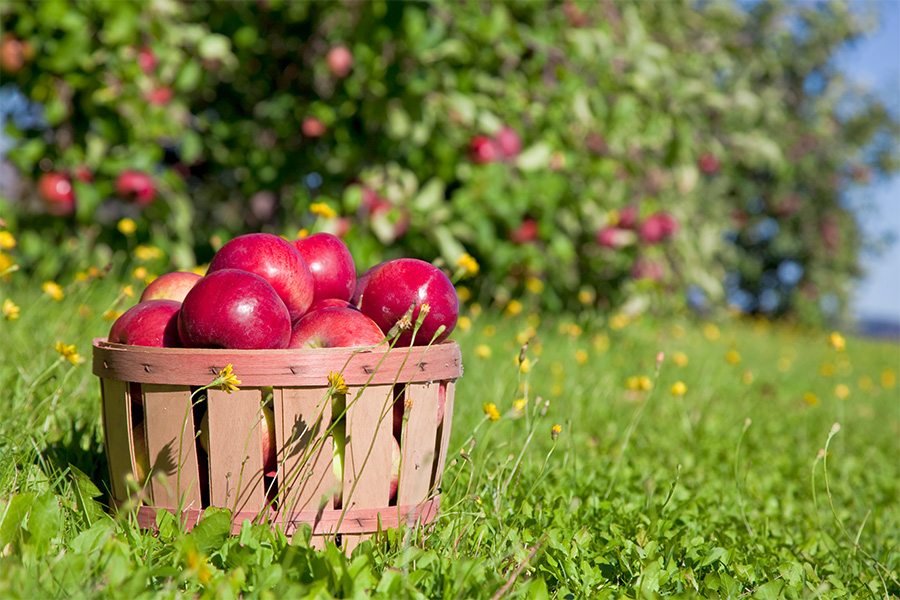
Home Garden Apples
Learn how to grow apples at home—they are adapted to grow in most areas of Georgia. Although the northern half of the state is best suited for the more conventional apple varieties, you can have success in the southern half of Georgia with adapted varieties.
|
-

In order to maintain a lush, green lawn and productive garden, supplemental water in the form of irrigation is often needed during peak water use periods. Two basic types of irrigation are suitable for the home landscape: sprinkler irrigation and drip (or trickle) irrigation. This publication contains comprehensive information about irrigating lawns and gardens.
|
-

This publication includes three parts. Part 1 discusses stormwater as a pollution source for streams and water bodies, and provides a background on why rain gardens in our landscapes have great environmental value. Part 2 includes a thorough definition of rain gardens and their purpose, and gives step-by-step instructions on how to design a rain garden for a specific site. Part 3 discusses appropriate plants to use in rain gardens.
|
-
C 946
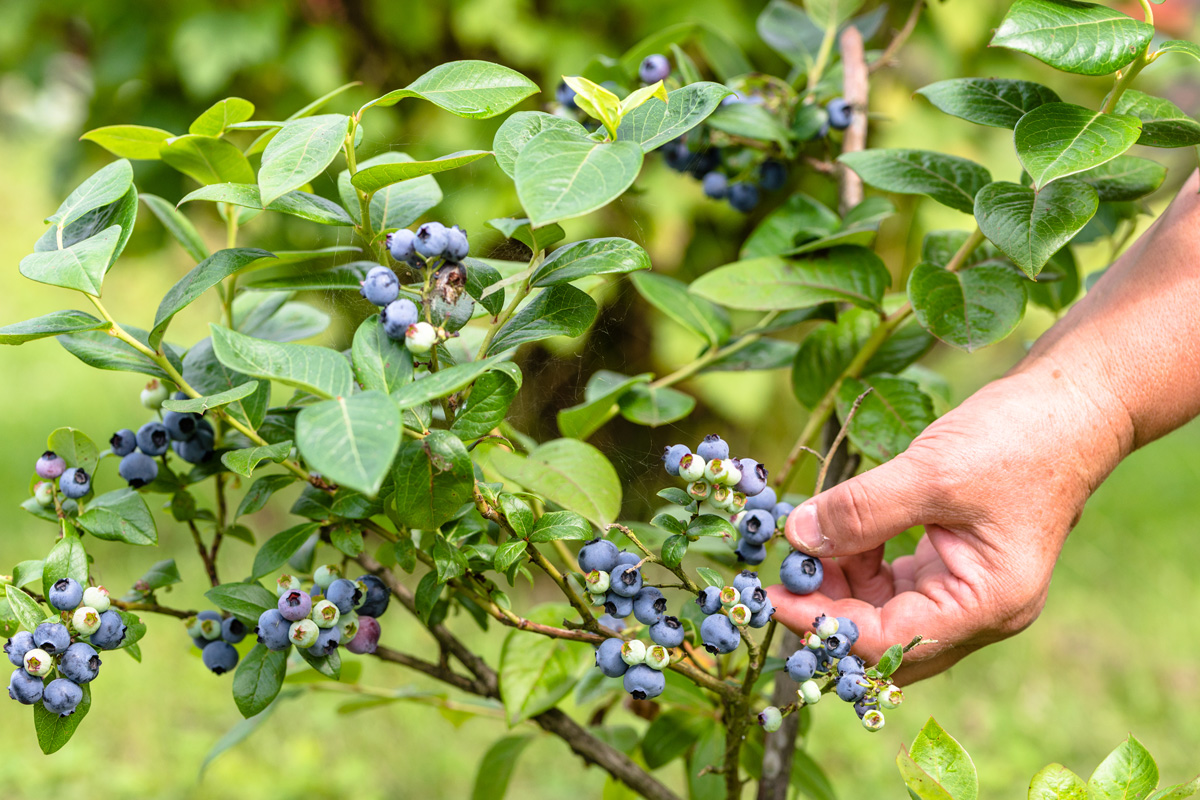
Home Garden Blueberries
Use this resource to understand how to best manage blueberries in your home garden. Native Georgia rabbiteye blueberry bushes will produce some fruit the second or third year after transplanting, and by sixth year they will yield as much as 2 gallons each.
|
-
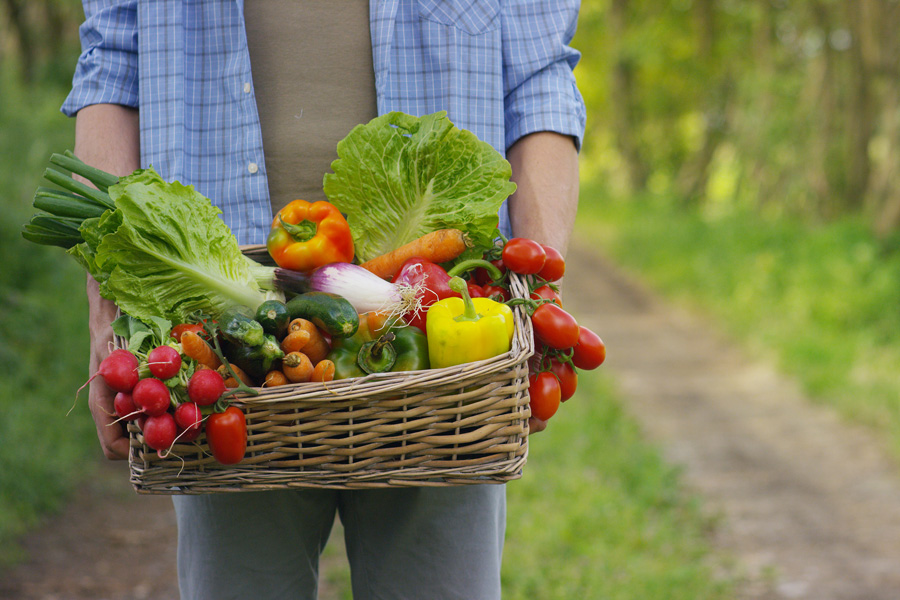
This circular gives suggestions for determining the proper stage of maturity for harvesting many vegetables.
|