Gardening Resources
-
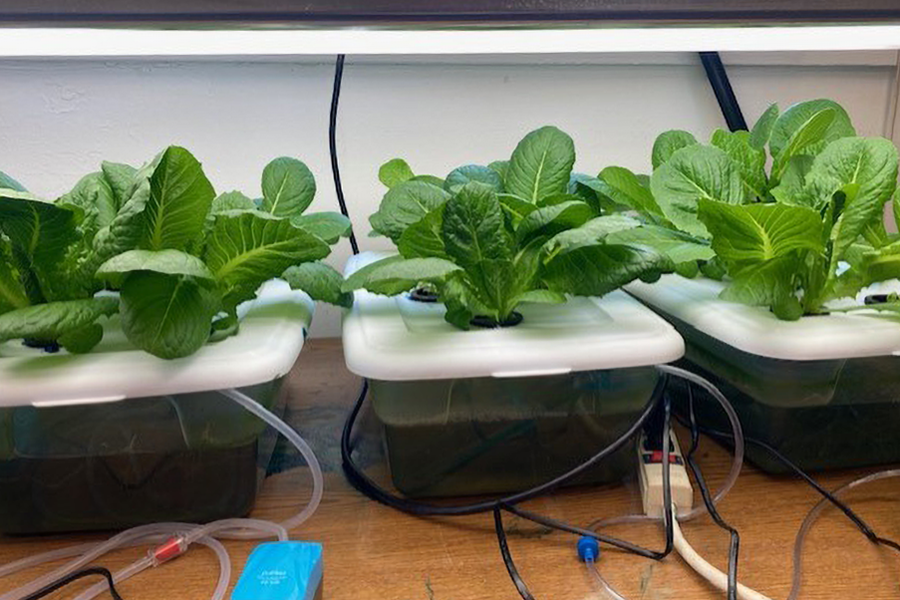
Important considerations for starting a small hydroponic operation at your home or an urban garden site.
|
-
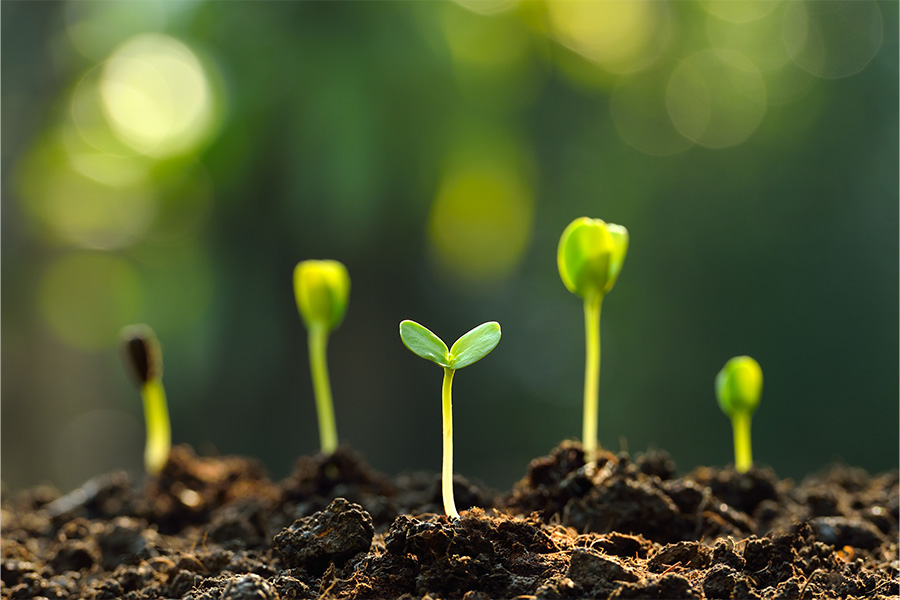
A number of plants, particularly vegetables, annuals, and herbs, can be grown from seed. There are many advantages to propagating plants from seed. This publication provides information on seed selection, materials, seeding techniques, thinning, and transplanting. A step-by-step, quick reference guide is also included.
|
-
Pesticide and fertilizer recommendations are often made on a pounds per acre and tons per acre basis. While these may be applicable to field production of many crops, orchardists, nurserymen and greenhouse operators often must convert these recommendations to smaller areas, such as row feet, square feet, or even per tree or per pot. Thus pints, cups, ounces, tablespoons and teaspoons are the common units of measure. The conversion is frequently complicated by metric units of measure. This publication is designed to aid growers in making these calculations and conversions, and also provides other data useful in the management, planning and operation of horticultural enterprises.
|
-
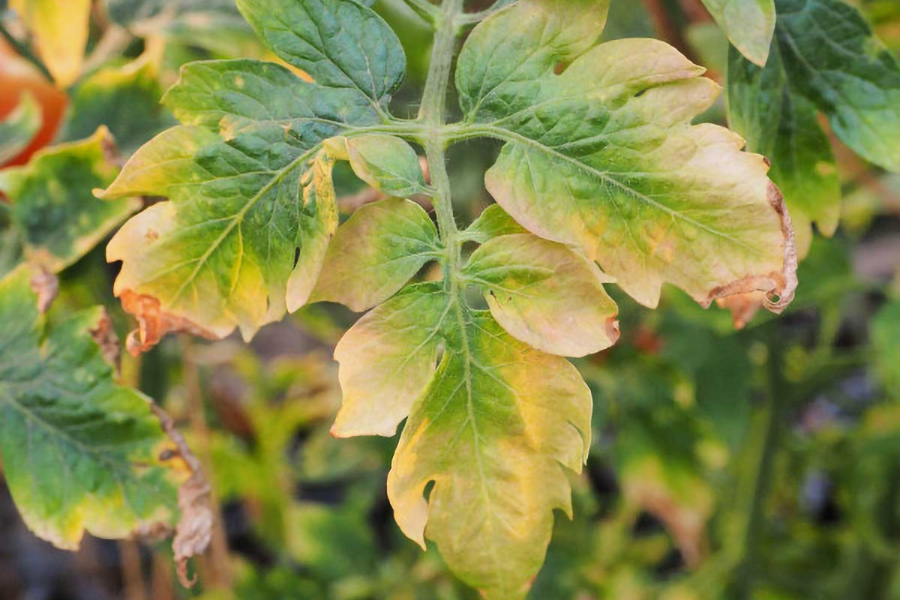
This brief guide covers nutrient deficiencies and their symptoms in common vegetables. Makenzie English, Horticulture Program Assistant, is co-author on this publication.
|
-
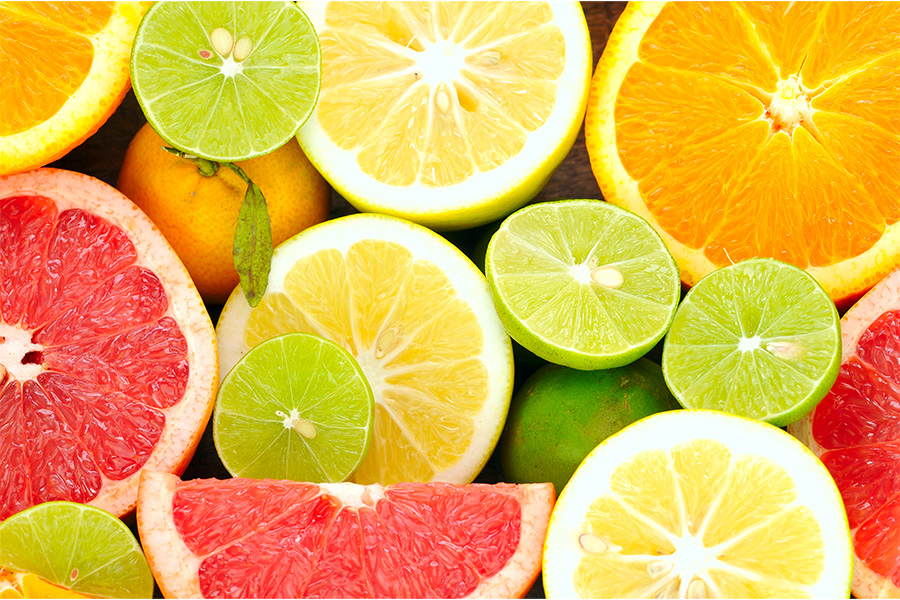
Citrus plants are very versatile around the home and may be used as individual specimens, hedges or container plants. Their natural beauty and ripe fruits make them attractive additions to the South Georgia home scene. Cold-hardy varieties that receive recommended care may grow successfully in the coastal and extreme southern areas of the state (and to a lesser degree in more northern locations).
|
-
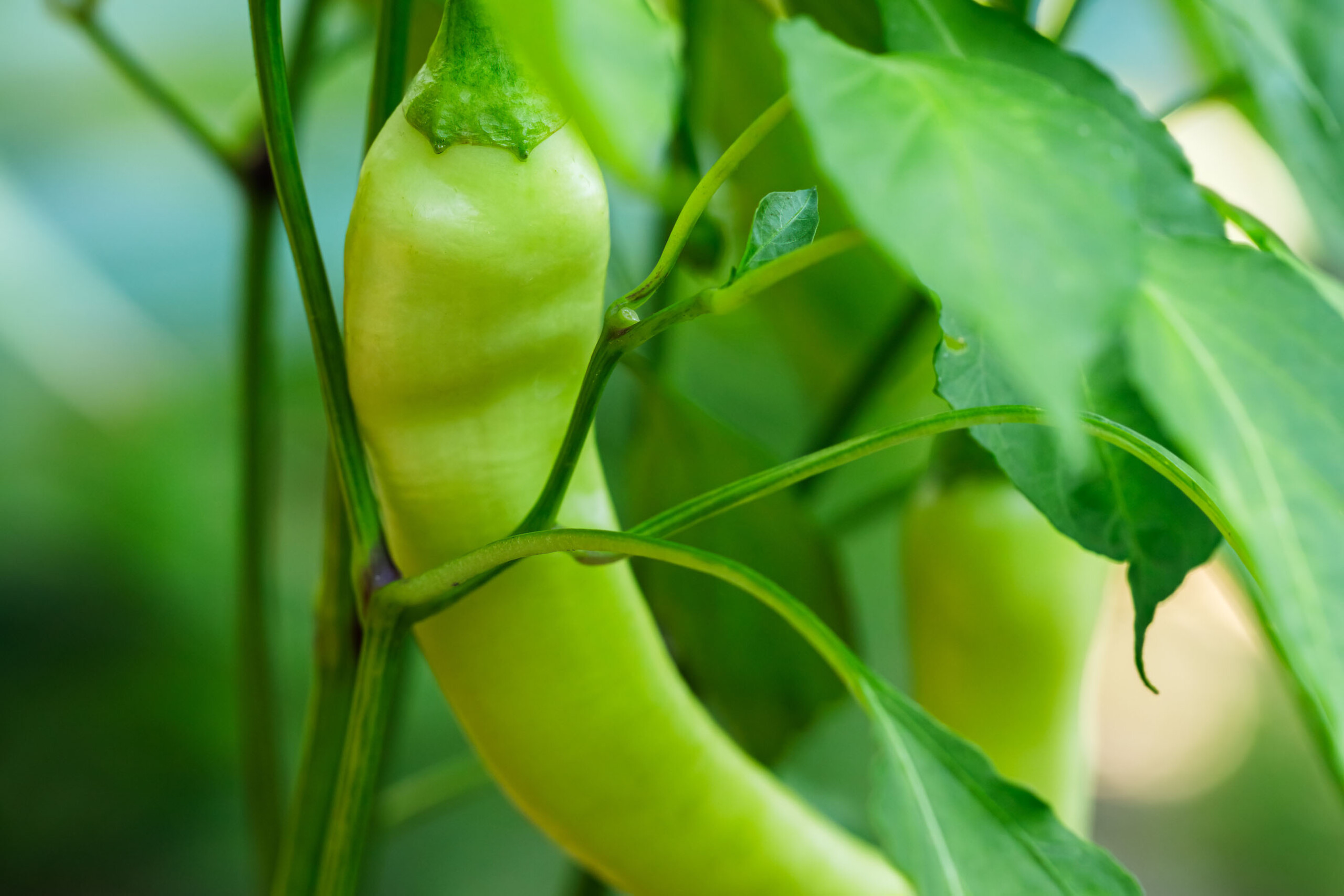
This publication discusses heirloom vegetable choices and some of the common issues that growers may encounter when growing heirloom vegetables in a home garden setting. Additional author: Whitney Richardson, University of Georgia Center for Urban Agriculture, with technical assistance from Makenzie English, University of Georgia Department of Horticulture Program Assistant.
|
-
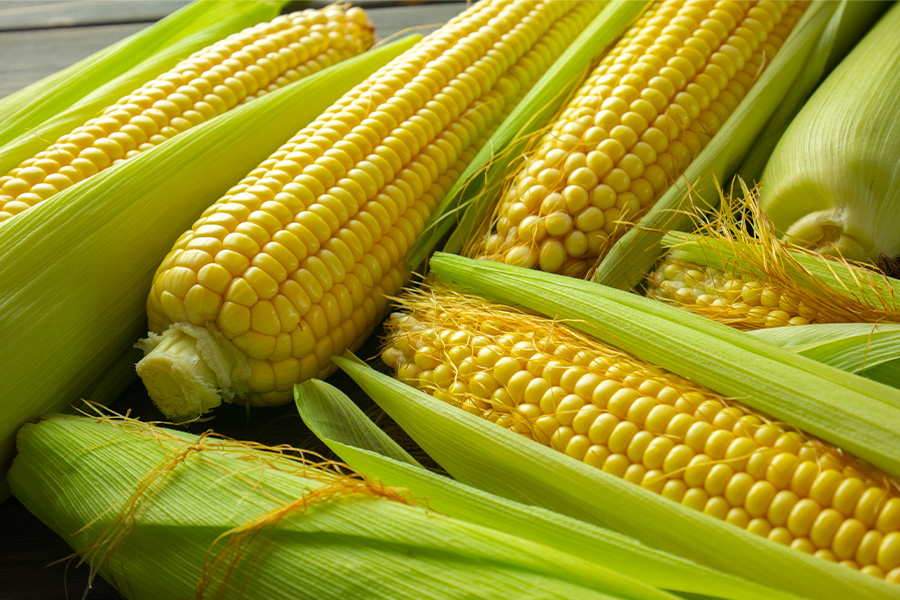
Sweet corn is not difficult to grow and, by following the cultural guidelines provided in this publication, you too can enjoy this sweet delicacy.
|
-
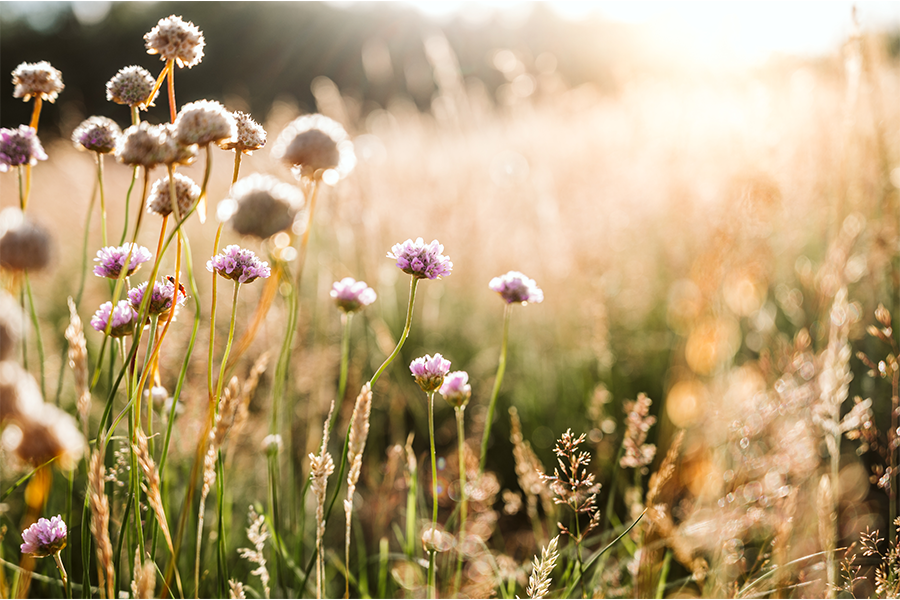
This publication is a comprehensive guide to growing and identifying native wildflowers suitable for planting in Georgia. The term “wildflower” in this publication is a general term used to define both annual and perennial native herbaceous plants with showy flowers that have evolved with an ecosystem and grow naturally without either direct or indirect human intervention.
NOTE: This publication is large and may take several minutes to load.
|
-
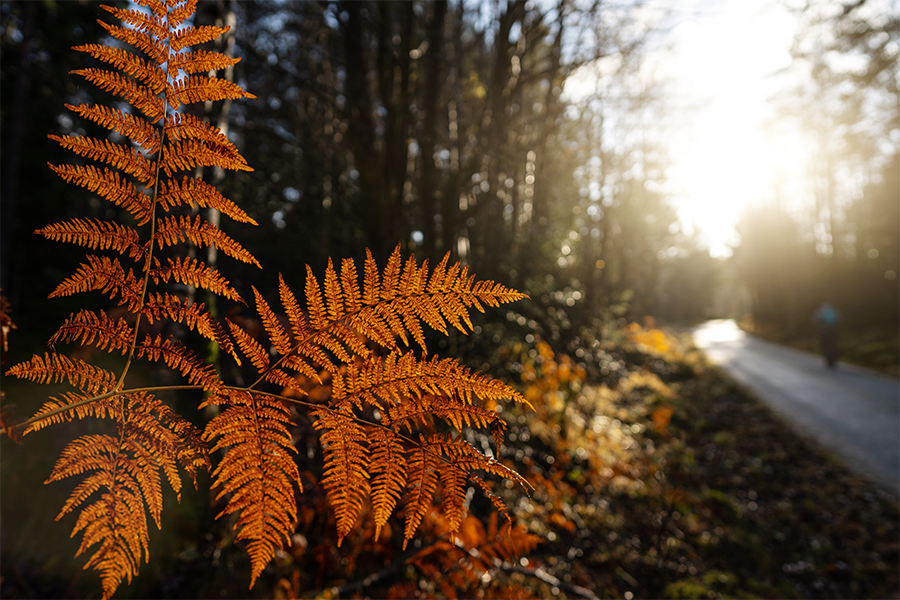
There are about 12,000 species of ferns in the world today. Most are found in the tropics. Currently, Georgia is home to 36 genera, 119 species and 12 hybrid ferns. The list is constantly expanding as new plants are found. To grow ferns successfully, it is important to match the site characteristics and growing environment with the native requirements of the fern species you intend to grow. Even if a fern is native to Georgia, it may not be native to the area of the state where you live.
|