General Agriculture Resources
-
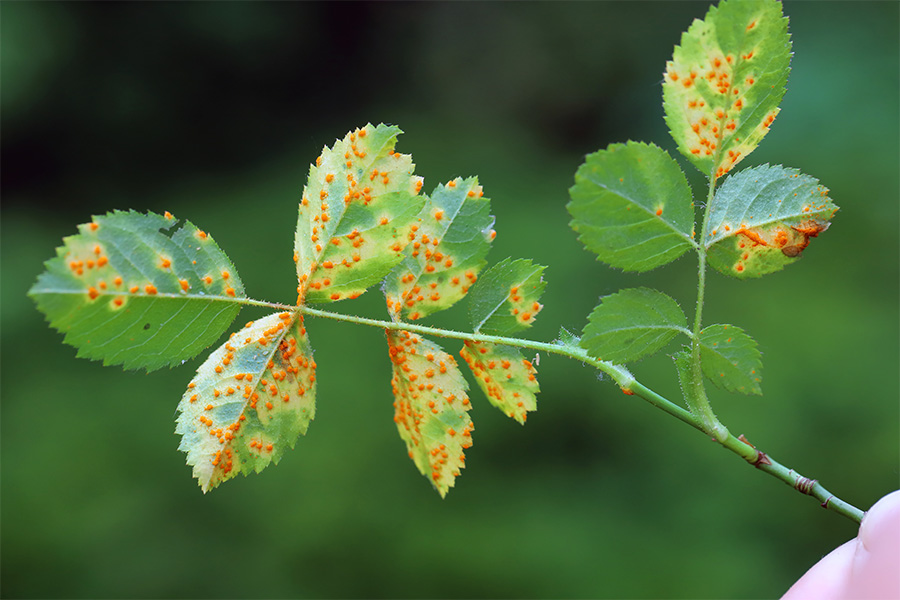
This publication describes some of the most troublesome diseases of Georgia’s landscape plants to help readers identify and treat these diseases. This resource is useful for professional and amateur growers alike to better fight plant diseases and produce healthy plants.
|
-
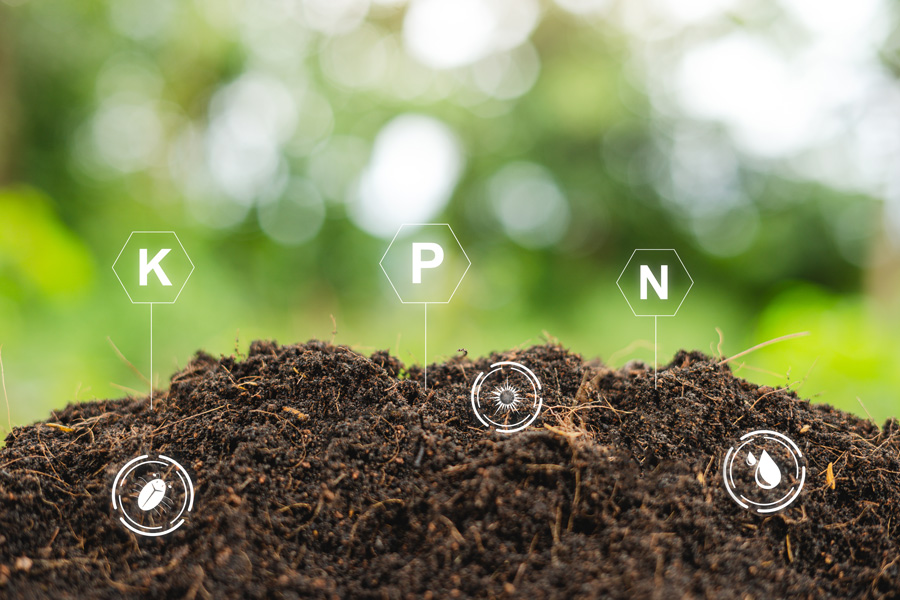
Proper use of treated industrial wastes contributes to the circular economy and reduces wastes that would have been disposed of in landfills or by incineration. This publication clarifies Georgia’s legal definition of “soil amendments” and highlights current policies governing the application of processed wastes on farm lands in Georgia. Compliance with these regulations maintains a quality environment in Georgia and ensures the long-term sustainability of manufacturing and food processing industries.
|
-

The juniper scale is a sporadic pest of juniper, cypress, and cedar trees in nurseries and landscapes in Georgia. It is an armored scale, where the wax cover is not a part of its body but can actually be separated from the body. Juniper scale feeds on plant fluid, and heavy infestations can reduce plant vigor, causing needle drop and twig color change from green to brown. Find out how to identify and manage this pest.
|
-
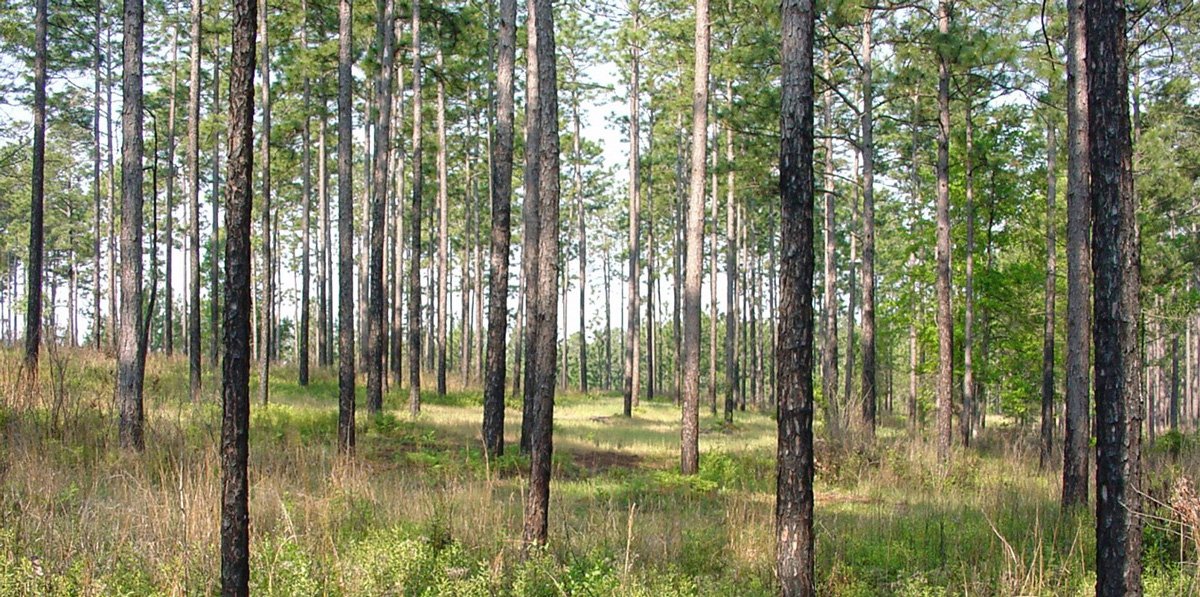
This resource explains the benefits that healthy forests provide, like clean air and water, wildlife and plant habitat, and diverse forest products that help the economy and ecosystem, and how to maintain your forested areas. Forest health can be defined as the ability of a forest to maintain and perpetuate a constant high quality supply of environmental benefits, products, and a diverse plant and animal community.
|
-

B 1493
Organic Pecan Production
Organic food production is one of the fastest-growing sectors of the American food marketplace and is driven largely by personal health preferences and environmental ethics. Pecan production generates unique challenges to organic production methods in the humid Southeastern U.S. because it is an environment conducive to heavy pressure from insects, diseases, and weeds. Therefore, the foundation of any organic pecan production program in the Southeastern U.S. will be based on selection for pest-resistant cultivars.
|
-

This circular contains the fundamentals of watermelon irrigation scheduling using the crop water demand method. Decisions regarding the timing, frequency, and amount of water required for a crop are some of the most critical factors in vegetable production. There are numerous irrigation scheduling strategies employed by growers, but the crop water demand method of irrigation management is one of the most reliable and precise ways to schedule irrigation. This method adjusts irrigation events using the crop evapotranspiration, or ETc.
|
-
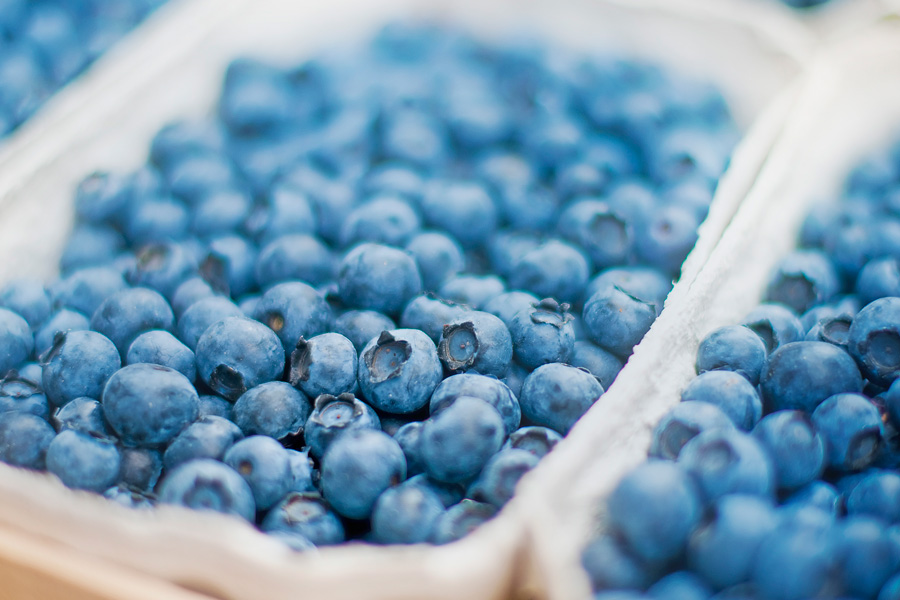
A grower survey was carried out in January 2023 during the annual blueberry update event held in Alma, Georgia. Survey responses were collected from 26 growers from eight Georgia counties. The results indicated the cultivar preference of south Georgia growers and major production constraints of blueberry production in southeast Georgia.
|
-
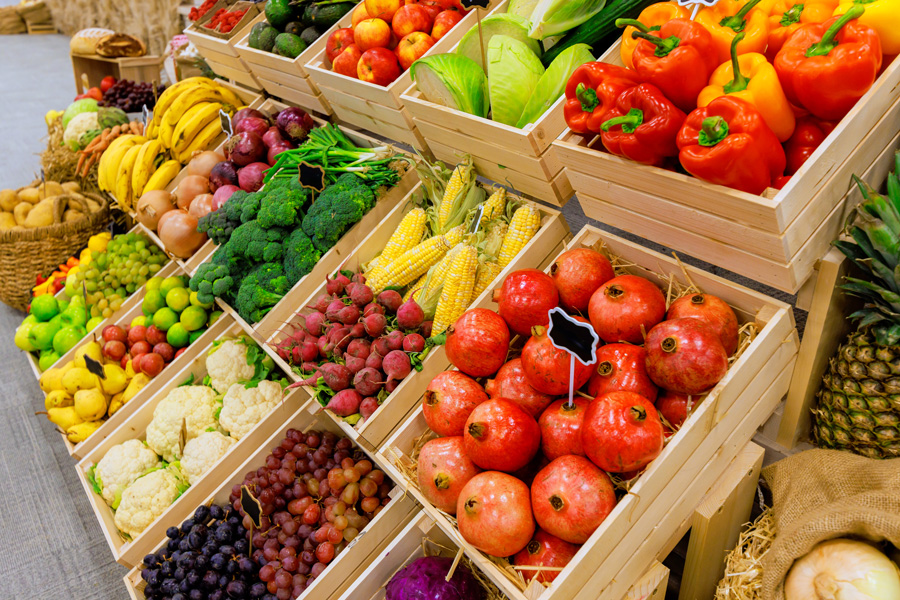
In Georgia, there are many small-scale producers that largely use ecological production practices, such as Certified Organic, and sell in farmers markets or other direct marketing channels. As these direct markets begin to saturate, these producers may need to forge a path beyond direct markets to wholesale or institutional markets that want sustainable products. Food hubs may offer a path for these small farms to scale up. There are three overlapping forms of food hubs in Georgia. Each has different markets and thus different requirements for the producers who sell to them. This publication discusses the types of food hubs in Georgia and gives producers guidelines on which form of food hub may work best for them.
|
-
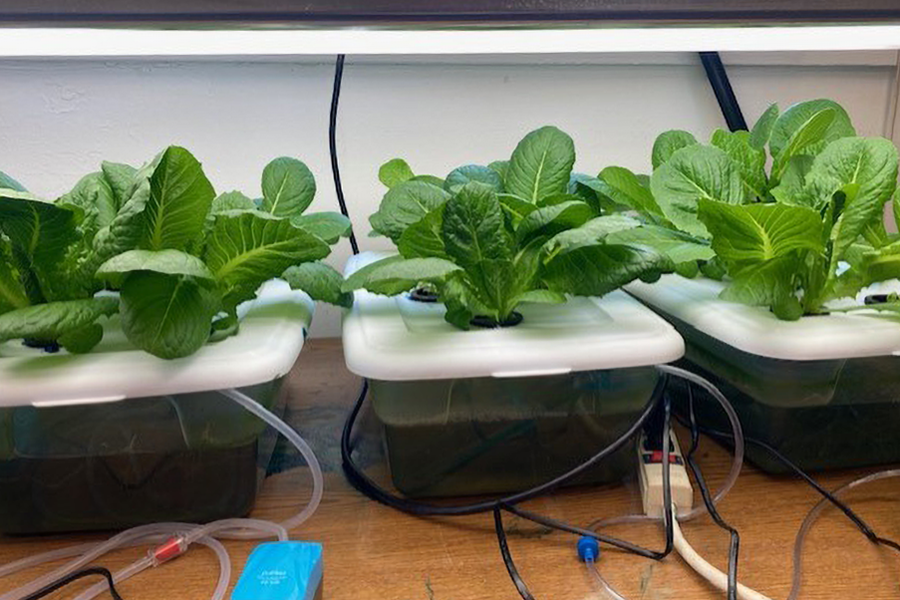
Important considerations for starting a small hydroponic operation at your home or an urban garden site.
|