General Agriculture Resources
-
 Revised
This publication provides information on pulse width modulation (PWM) technology including its working principle, components, benefits, and best management practices for its optimal utilization on agricultural sprayers. Pulse width modulation technology was developed to overcome pressure variation issues, as the flow rate is varied by changing the cycle of the electronically actuated solenoid valves while the system pressure remains constant throughout the boom.
|
-
 Renewed
This publication covers some of the basic information about what you may need and key considerations when developing a small fruit and vegetable farm.
|
-

Georgia poultry farmers are among the best in the world at growing chickens using state of the art technology, housing systems, and best management practices. To protect this vital business for Georgia farmers, it is important that agricultural zoning ordinances be prudently devised and factually based.
|
-
Renewed
One of the most important components of a zoning ordinance for poultry farms relates to the set-back distance required for the location of poultry production houses. It is important that set-back requirements for poultry houses be based on facts rather than emotions.
|
-

This resource provides an overview of production practices in controlled environment agriculture, emphasizing a holistic approach to optimizing crop growth. It outlines the primary crops grown in these systems and describes how growers can successfully manage critical environmental factors. The resource covers the transformative impact of automation and advanced technologies, which enable precise monitoring of crop health and environmental conditions.
|
-
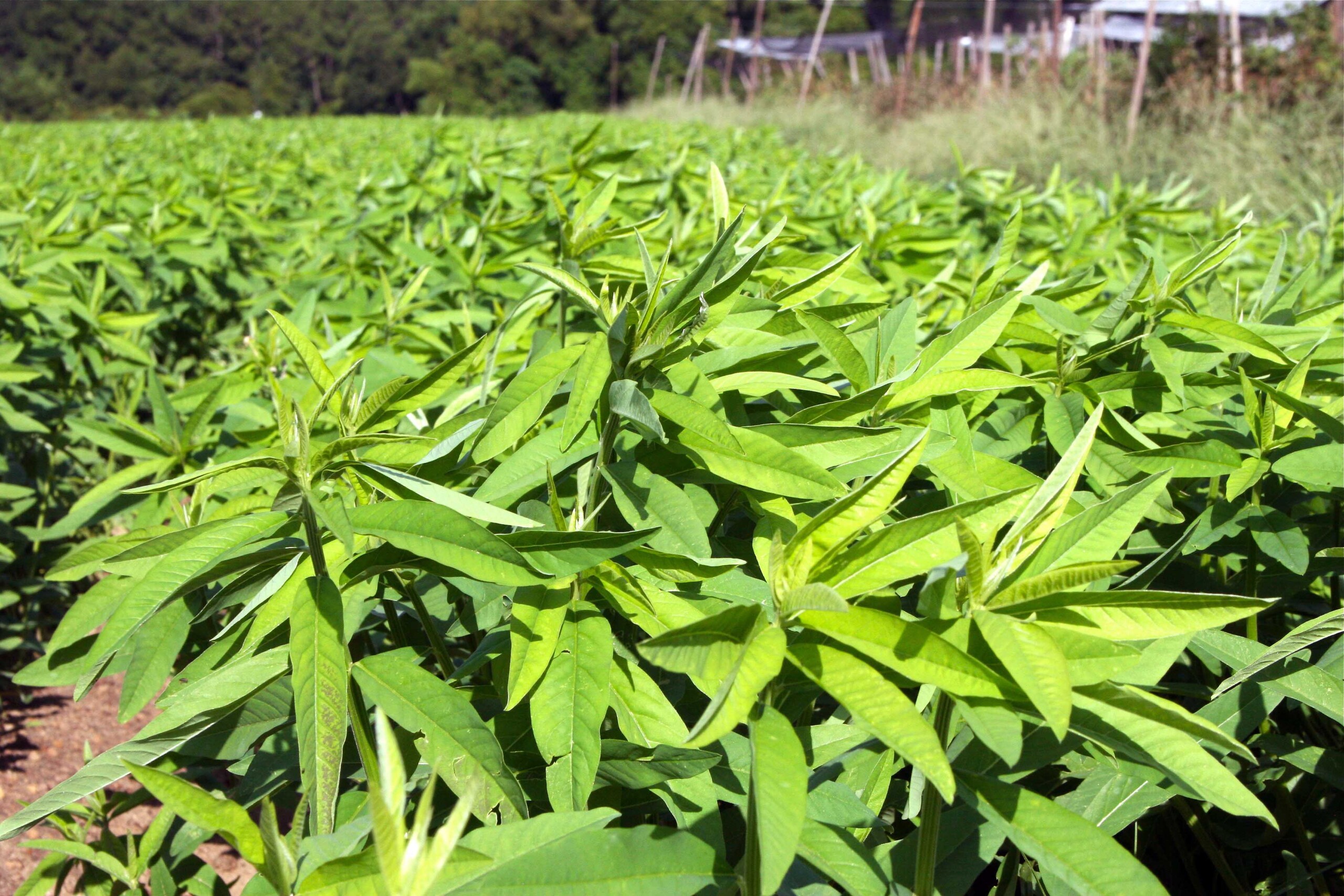
This expert resource is an introduction to growing industrial hemp for fiber production in Georgia. While not exhaustive, it outlines some of the major production challenges in growing this crop in the Southeastern U.S.
|
-

Applicators used in granular applications should be calibrated to ensure uniformity and accuracy. An accurate and uniform application can reduce the quantity of an active ingredient required for a given degree of control.
|
-
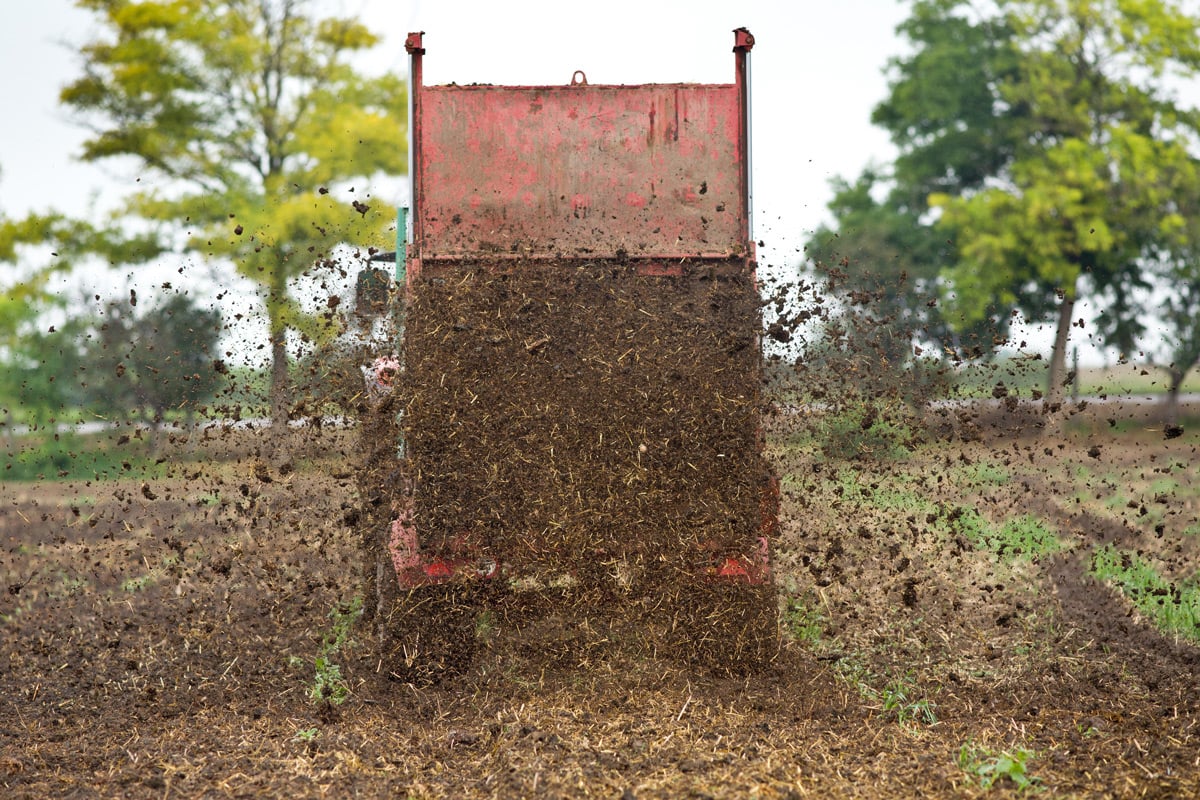
This resource helps poultry producers calibrate manure spreaders (rear discharge, twin spinner) commonly used in poultry litter application in the Southeast.
|
-
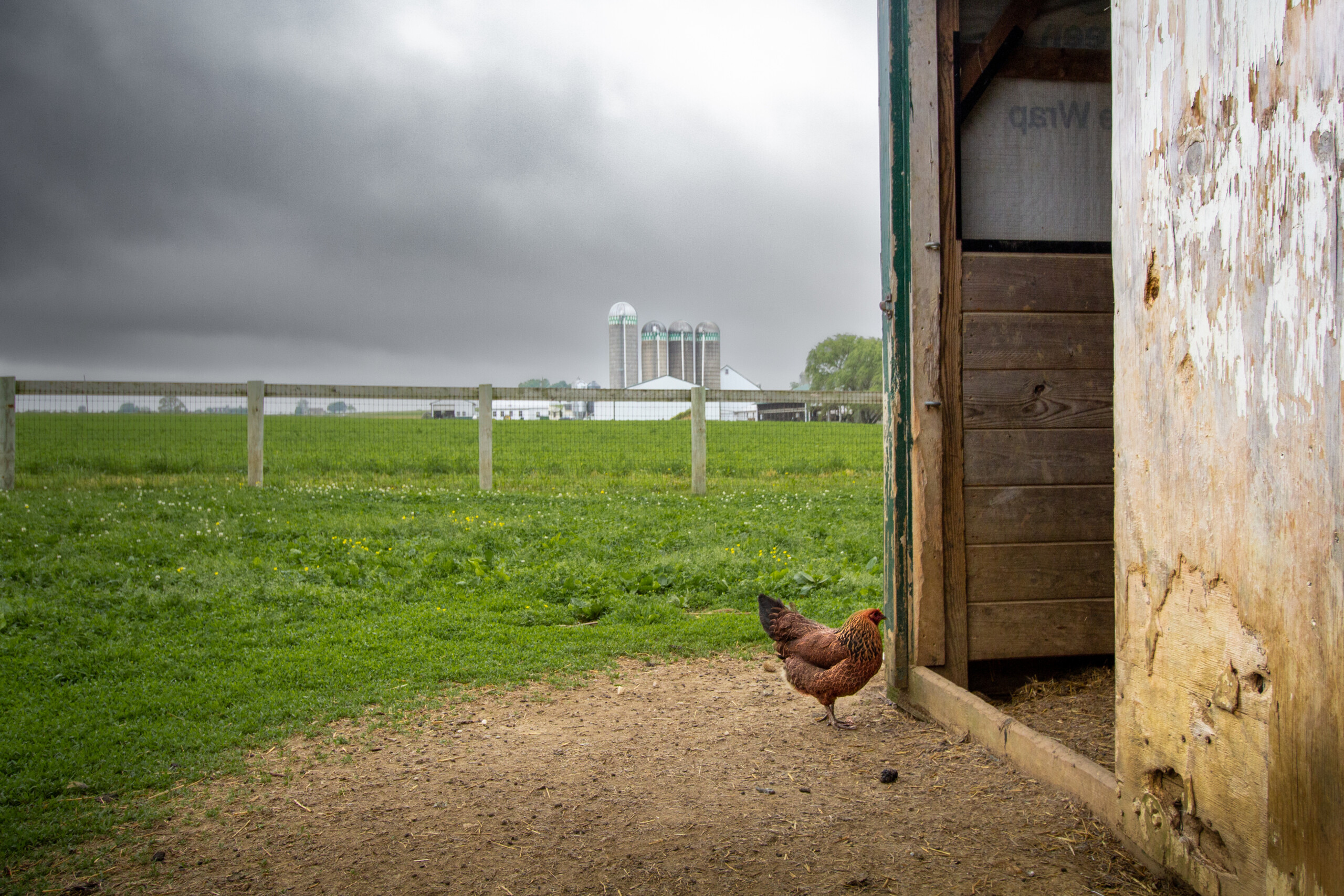
This expert resource provides information relevant for agriculture and other industries that are under increasing public pressure to reduce emissions of certain atmospheric gases. Explanations are given about greenhouse gases, carbon footprints, reducing fossil fuel use, alternative energy sources, manure management and carbon credits. Knowing your carbon footprint or energy use can help poultry producers reduce the amount of energy they use and improve their bottom line.
|