General Agriculture Resources
-

This report provides research and extension results for trials conducted by the University of Georgia Vegetable Team and its collaborators in the 2024-2025 growing season. This article is an investigation of postharvest quality and pitting-disorder incidence in Georgia-grown cucumbers stored at different temperatures. Contributing authors include county and regional faculty as well as specialists from UGA’s horticulture, plant pathology, crop and soil sciences, and entomology departments. All research has been supported by the Georgia Commodity Commission for Vegetables.
|
-
This report provides research and extension results for trials conducted by the University of Georgia Vegetable Team and its collaborators in the 2024-2025 growing season. Contributing authors include county and regional faculty as well as specialists from UGA’s horticulture, plant pathology, crop and soil sciences, and entomology departments. All research has been supported by the Georgia Commodity Commission for Vegetables.
|
-
This report provides research and extension results for trials conducted by the University of Georgia Vegetable Team and its collaborators in the 2024-2025 growing season. Management of diseases is necessary to protect crops against disease pathogens and reduce their spread in vegetable fields. This study aims to detect Phytophthora blight severity, a major disease affecting pepper plants, using drone technologies. Contributing authors include county and regional faculty as well as specialists from UGA’s horticulture, plant pathology, crop and soil sciences, and entomology departments. All research has been supported by the Georgia Commodity Commission for Vegetables.
|
-
This report provides research and extension results for trials conducted by the University of Georgia Vegetable Team and its collaborators in the 2024-2025 growing season. The objective of this study was to determine the effect of postharvest oxalic acid treatments on the postharvest physical and chemical attributes of cucumbers. Contributing authors include county and regional faculty as well as specialists from UGA’s horticulture, plant pathology, crop and soil sciences, and entomology departments. All research has been supported by the Georgia Commodity Commission for Vegetables.
|
-
This report provides research and extension results for trials conducted by the University of Georgia Vegetable Team and its collaborators in the 2024-2025 growing season. Contributing authors include county and regional faculty as well as specialists from UGA’s horticulture, plant pathology, crop and soil sciences, and entomology departments. All research has been supported by the Georgia Commodity Commission for Vegetables.
|
-
AP 117-5-06
Turfgrass Fertility for Reestablishment
This presentation at the Turfgrass Research Field Day covers a research study exploring how nitrogen treatments affect growth rates and resource allocation in turfgrass cultivar ‘TifTuf’.
|
-
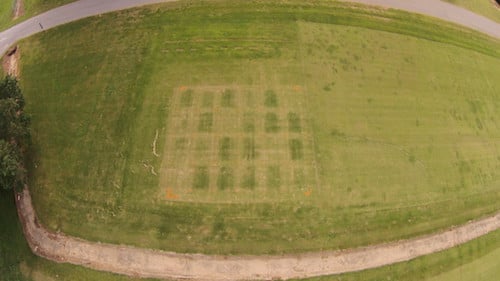
AP 117-5-07
Confronting Prostrate Spurge
This presentation for golf course and sports field managers at the Turfgrass Research Field Day covers how the UGA turfgrass team is confronting and combatting prostrate surge in turfgrass.
|
-

AP 117-5-09
Late Summer and Fall Weed Control
This presentation for lawn care operators at the Turfgrass Research Field Day covers controlling key problematic weeds during late summer and early fall.
|
-
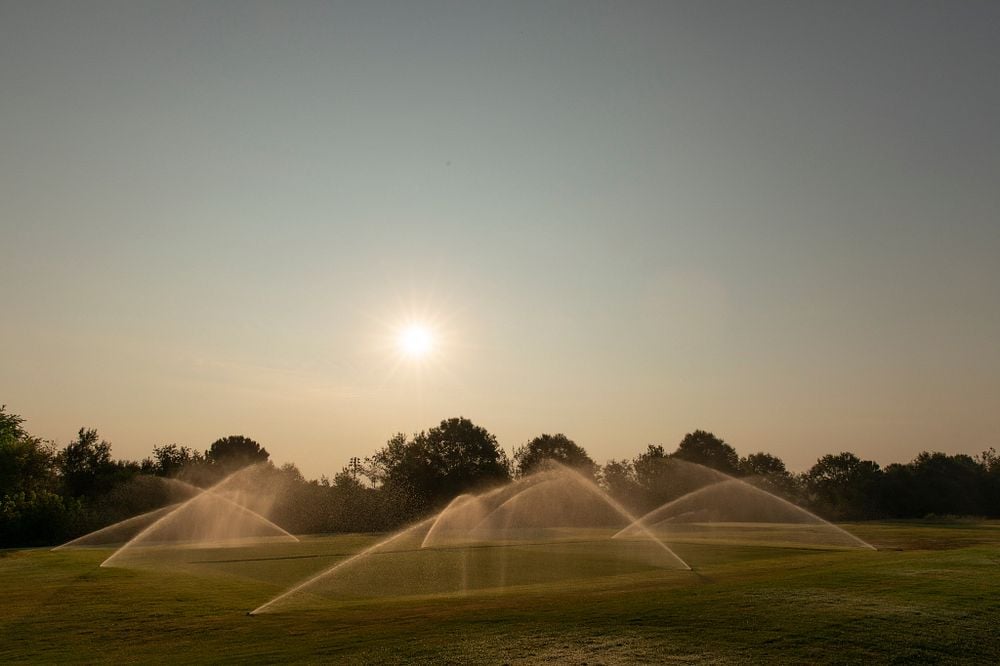
This presentation for home gardeners at the Turfgrass Research Field Day covers practical irrigation practices for the home landscape using Toro and Rain Bird irrigation technologies.
|