General Agriculture Resources
-
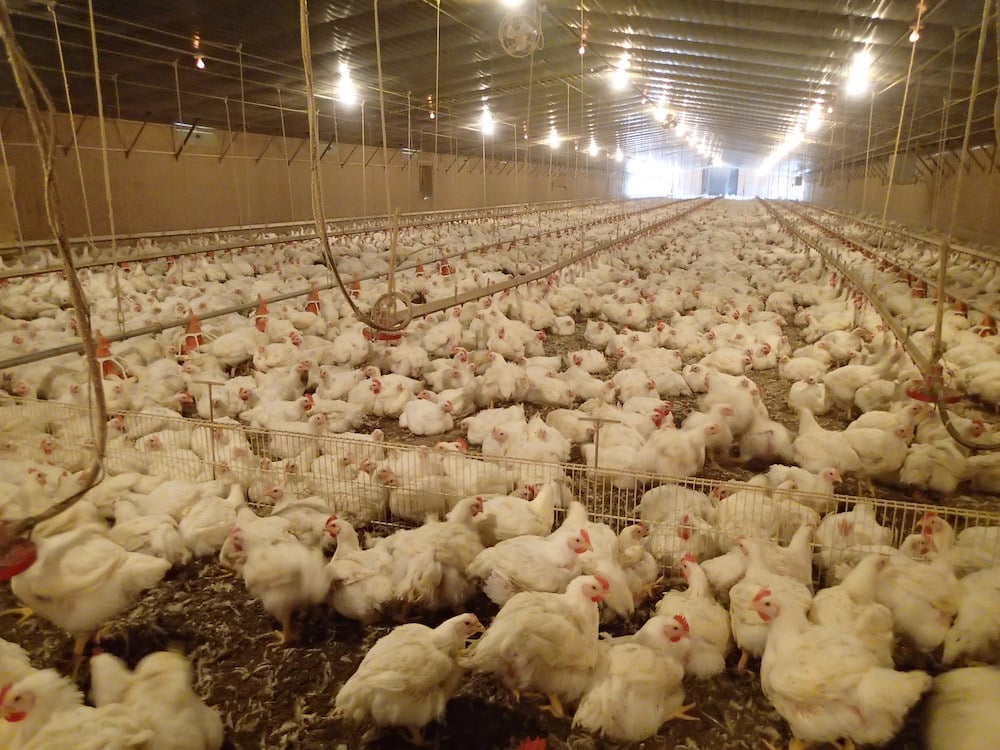
Amino acids are essential building blocks of proteins and are obtained from plant and animal products. Some amino acids can be synthesized by the chicken, while others (essential amino acids) must be supplied in the diet. In organic poultry production, the sources of these essential amino acids must be organic. This publication compares the amino acid content, digestibility, and availability of organic soybean meal with conventional soybean meal.
|
-
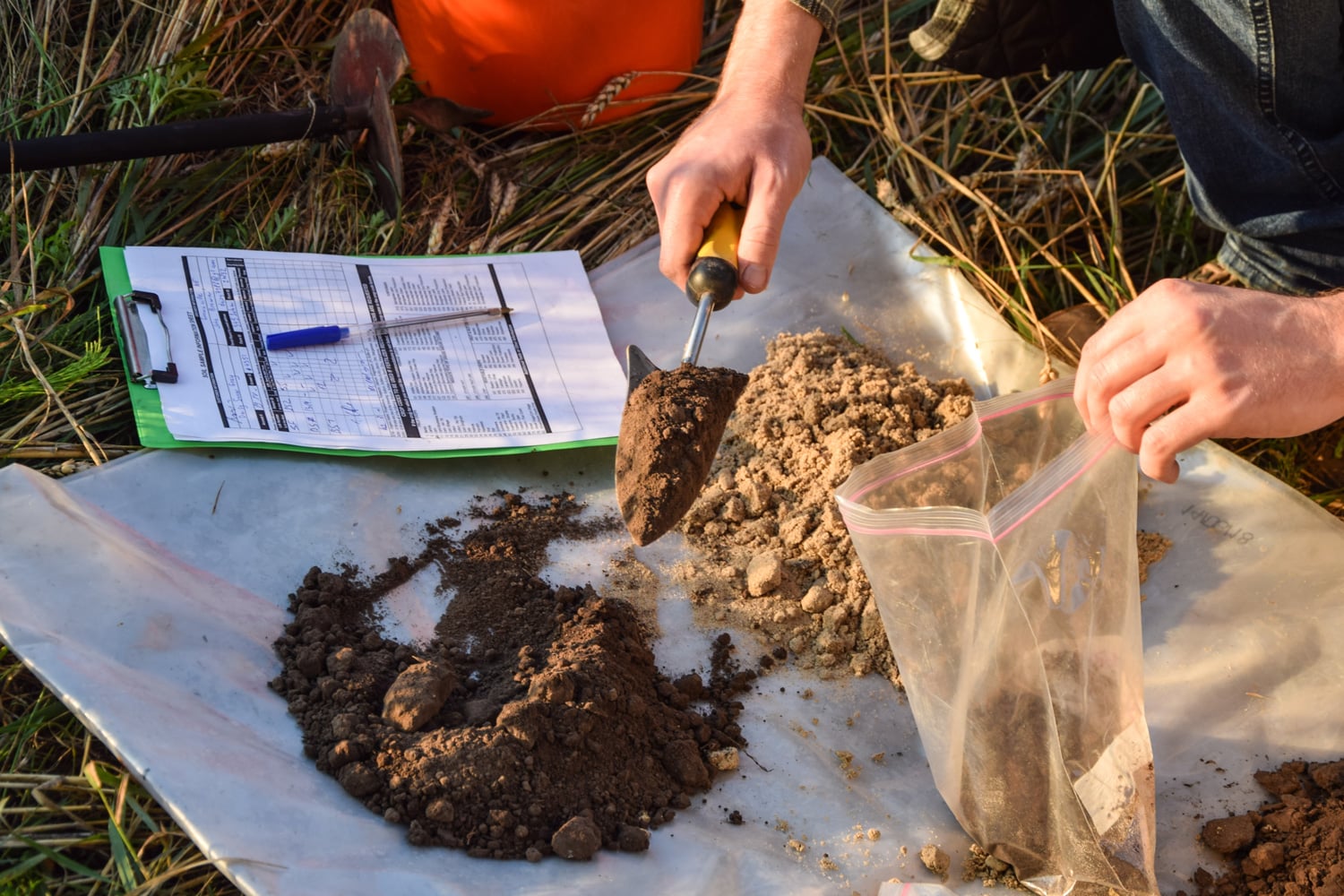
Soil pH is one of the most important measurements of soil fertility. Knowing a soil’s pH may help in diagnosing nutritional problems of agricultural crops and other plants.
|
-

These checklists can be used to introduce new landscape workers to safe work practices. They ensure that job safety training includes safety instruction. Included are sections on general safety precautions, equipment safety, lawn mower safety and pesticide safety.
|
-
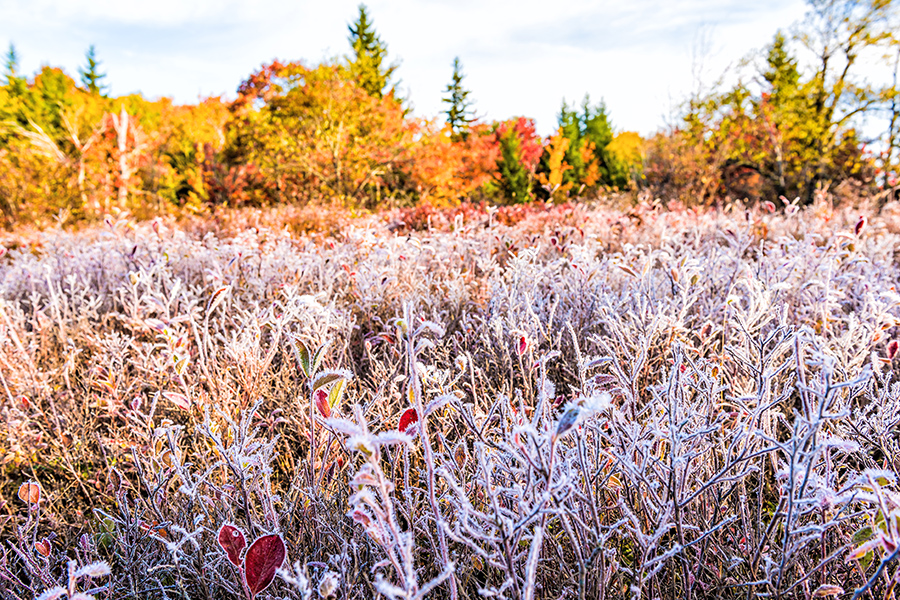
Frost protection systems tremendously benefit commercial blueberry production in Georgia. These systems are expensive and usually configured as overhead irrigation systems. For the system to provide protection, it must operate as soon as it’s needed. The best practice for maintaining a frost protection system is to perform preventative maintenance service every late fall or early winter. This publication offers blueberry growers suggestions on how to prepare their frost protection systems for future operation. Recommendations include a check-off list for maintenance and inspection of overhead irrigation systems, important considerations when preparing for freeze events.
|
-
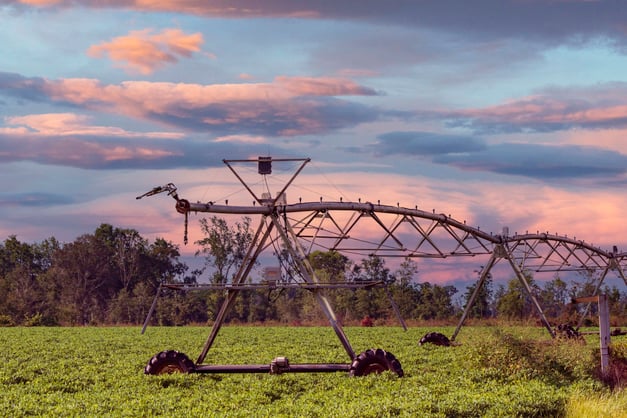
The main objective of this fact sheet is to provide a checklist of what is needed to properly prepare a center pivot or lateral irrigation system for the production season. All of the topics covered apply to both pivot and lateral irrigation systems, but for brevity, only center pivots will be referenced. By using the items in this fact sheet as a guideline for preventative maintenance, most breakdowns during the growing season should be avoided.
|
-
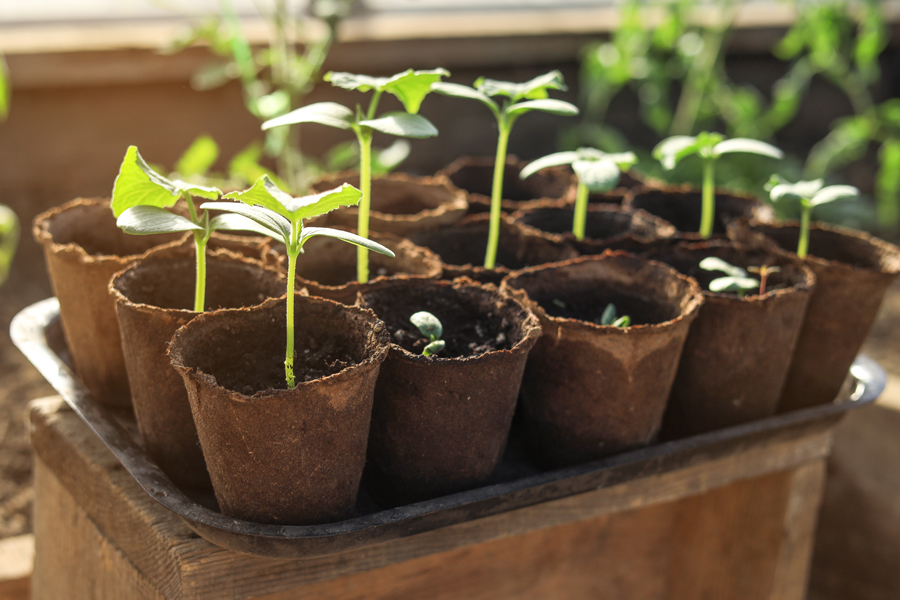
Beginning in the 1970s, container nursery production acreage rapidly increased such that container nursery production is now the dominant method of nursery production. As a standard in the industry, plastic nursery containers are lightweight, durable, familiar to growers, work well with automation, and can be reused or recycled. However, they are limited in their ability to be sustainably eco-friendly. This publication contains information about alternatives to petroleum-based containers for the nursery industry.
|
-
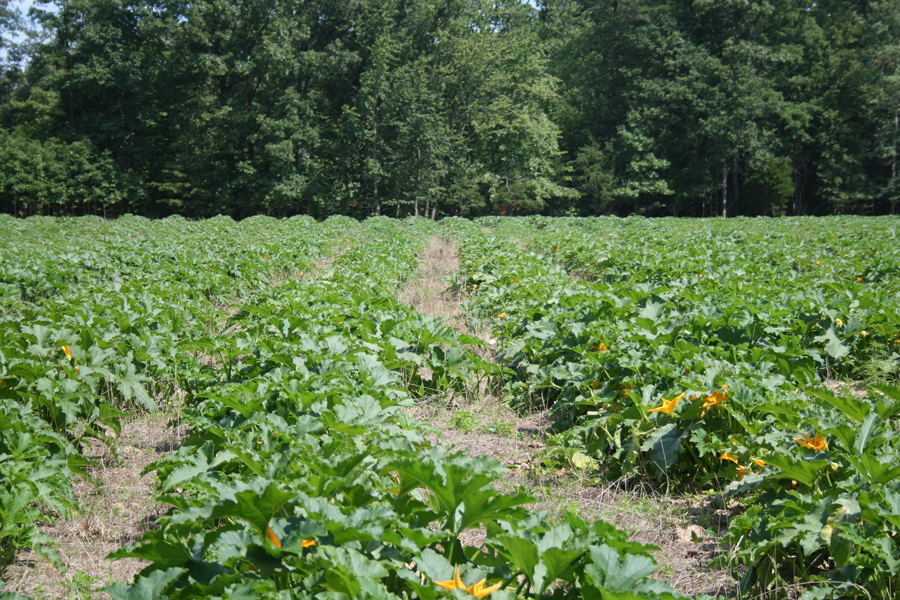
Conservation tillage with agronomic crops has been successful in Georgia production. Such production practices have several benefits, the most notable being the elimination of soil erosion. Other benefits include but aren’t limited to increases in soil organic matter, maintaining healthy root-zone soil, reduction of riparian and waterway pollution, and water conservation.
|
-

C 1081
New Native Little Bluestems
Little Bluestem is a drought-tolerant, low-maintenance native plant. This ornamental warm-season perennial grass tolerates a wide range of soil conditions and is easily grown. Its purplish bronze blooms and vertical clusters of slender leaves make it a lovely addition to any landscape. It is cold hardy in Georgia, although it may suffer moderate damage in cold winters in the North Georgia mountains.
|
-
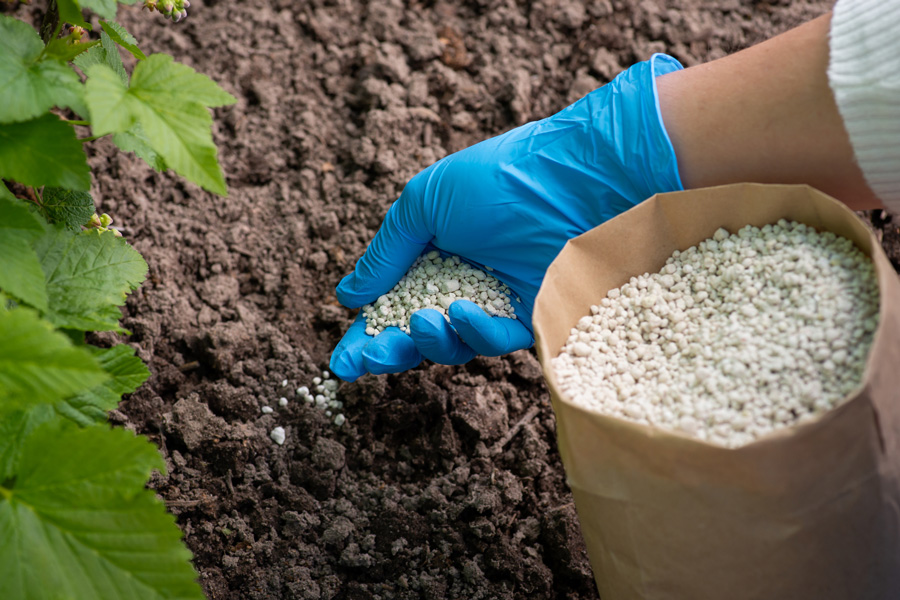
Use this resource to calculate planting densities, fertilizer application rates, sprayer calibration, and soil amendment applications using unit conversions. We demonstrate the “raw math” behind common calculations to provide you with the tools for solving any equation using simple addition, subtraction, multiplication, and division. No longer will you be dependent on having production guides, fertilizer charts, planter manuals, and spray nozzle catalogs to tell you what to do.
|